How Much Is A New Gas Oven Complete Cost And Price Guide
The cost of a new gas oven typically ranges from $500 to $3,500, depending on the type, brand, and features you choose. Installation costs add another $100 to $500, bringing your total investment to a reasonable amount for a reliable kitchen appliance. This guide breaks down every price range so you can make a smart, informed decision.
If you are in the market for a new gas oven, one of the first questions that probably popped into your head is, “How much is a new gas oven?” It is a fair question. Gas ovens come in a wide range of prices, and the cost can vary quite a bit based on several factors. Whether you are replacing an old unit or upgrading your kitchen for the first time, understanding the pricing landscape helps you make a smart choice.
This guide walks you through everything you need to know about gas oven prices. We will cover the different price ranges, what affects the cost, installation fees, and how to pick the best oven for your budget. By the end, you will feel confident about your purchase decision.
Key Takeaways
- Budget gas ovens: cost between $500 and $1,000 and offer solid basics for everyday cooking.
- Mid-range gas ovens: priced from $1,000 to $2,000, they include better features and energy efficiency.
- Premium gas ovens: can cost $2,000 to $3,500 or more, with advanced technology and sleek designs.
- Installation costs: typically run from $100 to $500, depending on complexity and location.
- Gas ovens cost less to run than electric models over time, saving you money on energy bills.
- Brand matters: well-known brands like Whirlpool, GE, and KitchenAid offer different price points and quality levels.
- Always factor in extras like warranty, delivery fees, and additional features when budgeting.
📑 Table of Contents
- What Affects the Price of a New Gas Oven
- Gas Oven Price Ranges by Category
- Gas Oven vs Electric Oven Cost Comparison
- Installation Costs You Need to Know
- Top Gas Oven Brands and What They Cost
- How to Choose the Right Gas Oven for Your Kitchen
- Common Mistakes to Avoid When Buying a Gas Oven
- Final Thoughts: Is a New Gas Oven Worth the Investment?
What Affects the Price of a New Gas Oven
Not all gas ovens are priced the same. Several key factors determine how much you will pay. Understanding these factors helps you see why some ovens cost more than others. Let us break them down.
Oven Type and Size
The type of gas oven you choose plays a big role in the price. There are mainly two types: freestanding gas ovens and built-in gas ovens. Freestanding models stand on the floor and can slide into a kitchen cabinet opening. They tend to be more affordable and easier to install. Built-in ovens sit inside a kitchen cabinet or wall. They look sleeker and more integrated but usually cost more.
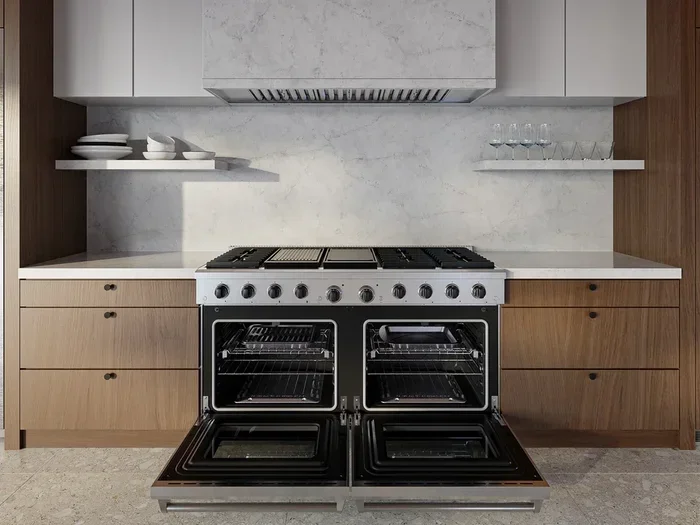
Size matters too. A standard single oven works well for most households. However, if you cook for a large family or love to bake, you might want a double oven gas range. These have two ovens stacked on top of each other. They offer more cooking space but come with a higher price tag.
Brand Reputation
Brand name carries weight when it comes to pricing. Trusted brands like Whirlpool, GE, KitchenAid, and Bosch have built strong reputations over the years. Their ovens often come with better build quality, longer warranties, and reliable customer support. You will usually pay a premium for these brands compared to lesser-known names. But the extra cost often means better durability and performance.
Features and Technology
Modern gas ovens come packed with features that drive up the price. Some of the most common include:
- Convection fans that circulate hot air for even cooking.
- Self-cleaning cycles that save you time and effort.
- Digital touch controls for precise temperature settings.
- Smart connectivity that lets you control the oven from your phone.
- Multiple cooking modes like broil, bake, roast, and steam.
- Interior lighting so you can monitor food without opening the door.
More features mean a higher price. Think about which features matter most to you. You do not always need the top-of-the-line model. Focus on what you actually use in your daily cooking.
Energy Efficiency Ratings
Energy-efficient gas ovens may cost a bit more upfront. But they save you money over time on your energy bills. Look for ovens with good energy ratings. These models use less gas while still delivering excellent cooking results. Over several years, the savings can really add up.
Gas Oven Price Ranges by Category
Now let us talk numbers. Gas oven prices fall into three main categories: budget, mid-range, and premium. Here is a closer look at what you can expect in each range.
Budget Gas Ovens ($500 to $1,000)
Budget gas ovens are perfect for those who need a reliable cooker without breaking the bank. These models offer the essentials you need for everyday cooking. You will find basic temperature controls, a standard oven cavity, and a simple broiler. Brands like Frigidaire and Maytag often offer solid options in this range.
Do not expect fancy features in this price bracket. The interiors may be simpler, and the build quality is good but not exceptional. However, for a student, a small apartment, or a secondary kitchen, a budget gas oven gets the job done well.
Mid-Range Gas Ovens ($1,000 to $2,000)
This is the sweet spot for many homeowners. Mid-range gas ovens offer a great balance of features, quality, and price. You get better build materials, more cooking modes, and often a convection fan. Brands like Samsung and LG shine in this category.
Many mid-range models include self-cleaning features, digital displays, and improved energy efficiency. If you cook regularly and want a dependable oven with some nice extras, this price range is where you should focus your search.
Premium Gas Ovens ($2,000 to $3,500+)
Premium gas ovens are for serious home cooks and kitchen enthusiasts. These models come with top-tier features, premium materials, and stunning designs. Think smart connectivity, precise temperature probes, steam cooking, and spacious interiors. Brands like Wolf, Viking, and Miele dominate this space.
A premium gas oven can transform your cooking experience. The temperature accuracy is superb, the build quality is outstanding, and the aesthetics elevate your kitchen. But the price reflects all of that luxury. If you are a passionate cook who values performance above all else, this investment is worth it.
Gas Oven vs Electric Oven Cost Comparison
When shopping for a new oven, you will likely compare gas ovens to electric ovens. The upfront cost and long-term expenses differ between the two. Here is a quick comparison to help you decide.
| Feature | Gas Oven | Electric Oven |
|---|---|---|
| Average Purchase Price | $500 – $3,500 | $400 – $3,000 |
| Installation Cost | $100 – $500 | $100 – $300 |
| Energy Cost Per Month | Lower | Higher |
| Heat-Up Time | Faster | Slower |
| Temperature Control | Precise | Good but less responsive |
| Maintenance Needs | Moderate | Low |
| Best For | Serious cooks, bakers | Casual cooks, easy maintenance |
Gas ovens generally cost a bit more upfront than electric models. But they are cheaper to run over time because natural gas costs less than electricity in most areas. Gas ovens also heat up faster, which is great when you are in a hurry to cook dinner.
Electric ovens are simpler to install since they just plug into a standard outlet. Gas ovens require a gas line connection, which can add to the installation cost. Consider your cooking habits and budget when choosing between the two.
Installation Costs You Need to Know
The price of the oven itself is only part of the equation. You also need to account for installation. Several factors influence how much it costs to install a new gas oven.
DIY vs Professional Installation
Some homeowners choose to install a freestanding gas oven themselves. If you have basic plumbing and electrical skills, this can save you money. However, working with gas lines requires caution. A small mistake can lead to gas leaks, which are dangerous.
Hiring a professional is the safer choice for most people. A licensed technician will ensure the gas line is properly connected and the oven is level and secure. Professional installation typically costs between $100 and $500, depending on your location and the complexity of the job.
Additional Installation Costs
Sometimes, installation costs go beyond the basic fee. Here are a few extras to watch for:
- Gas line modifications: If your kitchen does not have an existing gas line, installing one can cost $200 to $800.
- Electrical work: Some ovens need a dedicated electrical circuit. Adding one may cost $50 to $150.
- Old oven removal: Many installers will remove your old oven for a small fee, usually $25 to $75.
- Delivery fees: Some retailers charge for delivery, especially for heavy built-in models. This can range from $0 to $100.
Always ask for a full breakdown of costs before you agree to the installation. This prevents surprises on the final bill.
Top Gas Oven Brands and What They Cost
The brand you choose has a big impact on the price. Here is a look at some of the most popular gas oven brands and what you can expect to pay.
Whirlpool
Whirlpool is one of the most trusted names in kitchen appliances. Their gas ovens are known for reliability and solid performance. Prices typically range from $600 to $1,800. Whirlpool offers a good mix of budget-friendly and mid-range options.
GE
GE has been making kitchen appliances for over a century. Their gas ovens are well-built and feature-rich. You can find GE models from $700 to $2,500. The brand is especially strong in the mid-range category.
KitchenAid
KitchenAid ovens are a favorite among home cooks who want professional-quality results. Their designs are stylish and their performance is excellent. Prices usually fall between $1,000 and $3,000, putting them in the mid-range to premium category.
Samsung
Samsung has made a big splash in the kitchen appliance market. Their gas ovens feature modern designs and smart technology. Prices range from $800 to $2,800. Samsung is a great choice if you want sleek looks and smart features without paying a premium price.
Bosch
Bosch is known for European engineering and quiet operation. Their gas ovens are energy-efficient and built to last. Prices typically range from $1,200 to $3,500. Bosch is a premium brand, but the quality and performance justify the cost.
How to Choose the Right Gas Oven for Your Kitchen
With so many options available, choosing the right gas oven can feel overwhelming. Here are some practical tips to guide your decision.
Assess Your Cooking Habits
Think about how you use your oven. Do you bake often? Do you roast large meals on weekends? If you cook daily, invest in a mid-range or premium model with better features. If you only use the oven occasionally, a budget model will serve you just fine.
Measure Your Space
Before you buy, measure the space where the oven will go. Freestanding models need about 24 to 30 inches of width. Built-in ovens have specific dimension requirements. Make sure you have the right space before you shop.
Set a Realistic Budget
Decide on a budget before you start shopping. It is easy to get carried away with fancy features. Stick to your budget and focus on the features that matter most to you. A good rule of thumb is to spend what you can comfortably afford without stretching your finances.
Read Reviews and Compare Models
Take the time to read customer reviews before making a final decision. Reviews give you real-world insights into performance, durability, and customer satisfaction. Compare at least three to four models side by side. This helps you find the best value for your money.
Check the Warranty
A good warranty gives you peace of mind. Most quality gas ovens come with a one-year limited warranty. Some brands offer extended warranties for an additional cost. Look for warranties that cover parts and labor. This protects you from unexpected repair expenses down the road.
Choosing a new gas oven does not have to be stressful. When you know what to look for and what to expect in terms of pricing, the process becomes much easier. Take your time, do your research, and trust your instincts.
Common Mistakes to Avoid When Buying a Gas Oven
Even smart shoppers can make mistakes when buying a new oven. Here are a few pitfalls to watch out for.
- Ignoring installation costs: Many people focus only on the oven price and forget about installation. Always budget for setup fees.
- Overbuying features you will not use: Just because an oven has ten cooking modes does not mean you need them all. Stick to what you actually use.
- Skipping energy efficiency: A slightly more expensive energy-efficient oven can save you hundreds of dollars over its lifetime.
- Not checking the gas line: Make sure your kitchen has a working gas line before you purchase. Retrofitting can be costly.
- Buying based on looks alone: A beautiful oven that does not cook well will leave you frustrated. Prioritize performance over appearance.
Avoiding these mistakes saves you time, money, and disappointment. A little planning goes a long way toward finding the perfect oven.
Final Thoughts: Is a New Gas Oven Worth the Investment?
The answer is a clear yes. A new gas oven improves your cooking experience in so many ways. You get better temperature control, faster heat-up times, and more consistent results. Whether you are a casual cook or a culinary enthusiast, the right gas oven makes a real difference in your kitchen.
The cost of a new gas oven varies widely, but there is an option for every budget. From affordable budget models to premium built-in ovens, you can find something that fits your needs and your wallet. Remember to factor in the purchase price, installation costs, and long-term energy savings when you evaluate the total investment.
Take your time to compare options, read reviews, and choose a model that aligns with your cooking style. A well-chosen gas oven will serve you well for many years to come. Happy cooking!
Frequently Asked Questions
How much does a basic gas oven cost?
A basic gas oven typically costs between $500 and $1,000. These budget-friendly models offer reliable performance with essential features. They are a great choice for everyday cooking needs.
What is the average cost to install a gas oven?
Professional gas oven installation usually costs between $100 and $500. The final price depends on factors like gas line access, electrical requirements, and your local labor rates. Always ask for a detailed quote before hiring a technician.
Are gas ovens cheaper to run than electric ovens?
Yes, gas ovens are generally cheaper to run over time. Natural gas costs less than electricity in most regions. Over several years, the energy savings can offset the higher upfront cost of a gas model.
Can I install a gas oven myself?
You can install a freestanding gas oven yourself if you have basic handy skills. However, working with gas lines carries safety risks. Hiring a licensed professional is the safest and most recommended approach for most homeowners.
How long does a gas oven last?
A well-maintained gas oven typically lasts between 10 and 15 years. Regular cleaning and proper use help extend its lifespan. Investing in a quality model from a reputable brand often results in longer-lasting performance.
What should I look for when buying a gas oven?
Look for features like convection fans, self-cleaning cycles, and energy efficiency ratings. Consider your cooking habits, available space, and budget. Reading customer reviews helps you make a confident and informed purchase decision.