How Long Does New Oven Smell Last And How To Remove It
A new oven smell is completely normal and usually goes away on its own. But how long does new oven smell last? Most users report the odor fading within 1 to 2 weeks with proper ventilation. This guide shows you exactly how to speed up the process and remove the smell for good.
A fresh oven is exciting. You can’t wait to bake your first cake or roast a chicken. But then you notice it. A strange, sometimes chemical smell fills the kitchen. This new oven smell is very common. It often catches people off guard. So, how long does new oven smell last? The answer is not always simple. It depends on several factors. In this guide, you will learn exactly why your oven smells. You will also discover how long the odor typically lasts. Most importantly, you will get step-by-step methods to remove it fast. I will share tips that really work. Let us get your kitchen smelling fresh again.
Many homeowners wonder about oven odor removal. They worry the smell means something is wrong. Rest assured, a new oven smell is usually harmless. It comes from protective coatings and manufacturing residues. These materials burn off during the first few uses. The process is called off-gassing. It is completely normal. Understanding this helps you stay patient. You just need a little know-how to speed things up. Below, I break down everything you need to know.
Key Takeaways
- New oven smell is normal: It comes from manufacturing residues and off-gassing.
- Duration varies: Typically 1 to 2 weeks, but can last longer depending on oven type.
- Ventilation is key: Open windows and run fans to speed up the process.
- Baking soda works wonders: A simple paste can absorb lingering odors.
- Avoid harsh chemicals: They can damage the oven and leave harmful residues.
- Self-cleaning cycle helps: Heat can burn off residues, but use it carefully.
- Prevention is easy: A quick wipe-down before first use reduces future smells.
📑 Table of Contents
Why Does a New Oven Smell?
Before you can fix a problem, you need to understand it. The smell from a new oven is not random. It has a clear source. Factories use special coatings to protect the interior. These coatings prevent rust and ensure even heat. During manufacturing, heat, pressure, and packaging trap chemical residues. When you first turn on the oven, the heat releases these trapped particles. This creates the familiar new oven smell. It can smell like burning plastic, chemicals, or even a faint metallic scent.
The Manufacturing Residue
Inside a new oven, you will find several layers of protection. There is a heat-resistant coating on the walls. The racks often have a chrome or porcelain finish. The insulation contains materials that need to be cured. All of these can release fumes. The smell is strongest when you first use the oven. It is especially noticeable in gas ovens because of the combustion process. But electric and convection ovens can smell just as strongly. The key is that this residue is not dangerous in small amounts. It is just unpleasant.
What Is Off-Gassing?
Off-gassing is the release of volatile organic compounds (VOCs). These are chemicals that become gas at room temperature. Your oven heats up, which accelerates off-gassing. The smell is the VOCs escaping. This process is common in many new appliances. It is not unique to ovens. The good news is that off-gassing decreases over time. Each time you use the oven, it burns off more residue. Eventually, the smell disappears completely. Proper ventilation helps this process a lot.
Quick Tip: Always open a window and turn on the exhaust fan when you first use a new oven. This removes fumes quickly and keeps your kitchen air fresh.
How Long Does New Oven Smell Last?
The burning question is, how long does new oven smell last? The truth is, there is no single answer. Most people notice the smell for 1 to 2 weeks. Some report it fading after just a few uses. Others say it lingers for a month. The duration depends on your oven type, how often you use it, and your ventilation. I will break this down below so you know what to expect.
Typical Duration by Oven Type
Different ovens have different smell timelines. Here is a general idea of what to expect.
| Oven Type | Average Smell Duration | Why It Smells |
|---|---|---|
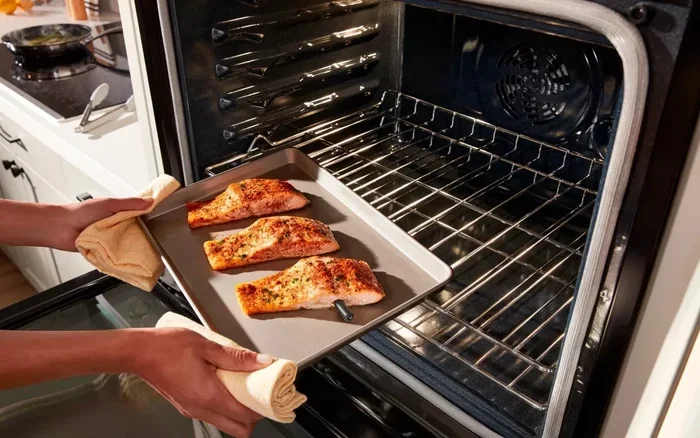
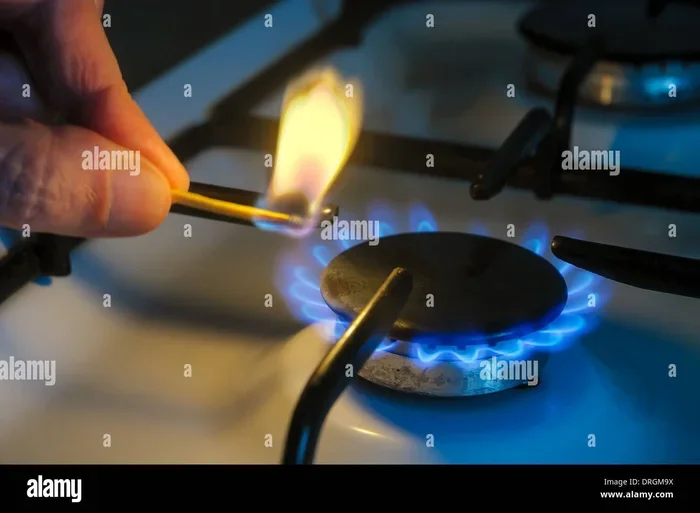
| Gas Oven | 1 to 2 weeks | Combustion byproducts and protective coatings |
| Electric Oven | 2 to 3 weeks | Insulation materials and heating element coatings |
| Convection Oven | 1 to 3 weeks | Fan motor oils and internal wiring insulation |
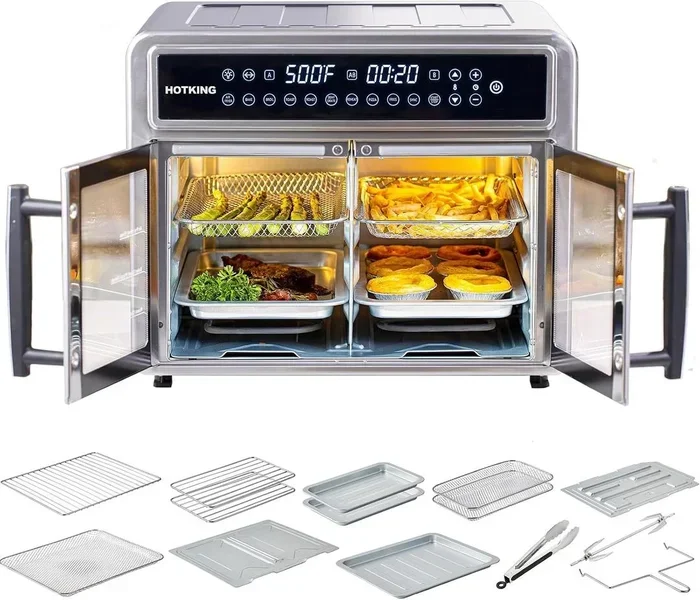
| Toaster Oven | 3 to 7 days | Smaller cavity, less insulation, faster burn-off |
As you can see, gas ovens tend to lose the smell fastest. The initial burn-off is very effective. Electric ovens take a bit longer because the heating elements heat up more slowly. Convection ovens have extra parts like fans that can hold onto smells. Toaster ovens are small, so the smell usually goes away quickly.
Factors That Affect the Smell
Several things can make the oven odor removal process faster or slower. Here are the main factors.
- Ventilation: Good airflow clears fumes quickly. A closed kitchen traps the smell.
- Usage frequency: Using the oven daily burns off residue faster.
- Temperature: Higher heat speeds up the curing process.
- Manufacturing quality: Cheaper ovens may have more residue.
- Room temperature: Cold kitchens slow down off-gassing.
If you live in a humid climate, the smell might linger longer. Moisture can trap chemical particles. Running a dehumidifier can help. Also, if you bought a used or display model, the smell might already be mostly gone. But a brand-new box oven needs time.
Step-by-Step Guide to Remove the New Oven Smell
You do not have to just wait for the smell to go away. There are many active steps you can take. These methods are safe and effective. I have used them many times. They work on both gas and electric models. Below, I walk you through the best approaches.
The Baking Soda Method
Baking soda is a natural odor absorber. It is safe, cheap, and works wonders. Here is how to use it.
- Mix 3 tablespoons of baking soda with a few drops of water.
- Stir until you form a thick paste.
- Spread the paste on the inside walls of the oven.
- Leave it overnight. Do not turn the oven on.
- In the morning, wipe it out with a damp cloth.
- For stubborn smells, spray a mix of vinegar and water afterward.
This method is gentle and will not damage your oven. It is perfect for the first week when the smell is strongest. Repeat it twice if needed.
Vinegar and Water Solution
White vinegar is another powerful natural cleaner. It neutralizes odors rather than just masking them. Here is a simple way to use it.
- Fill a small oven-safe bowl with 1 cup of white vinegar.
- Add 1 cup of water to dilute it.
- Place the bowl on the lower rack of the oven.
- Heat the oven to 200°F (93°C) for 1 hour.
- Turn off the oven and leave the door closed for another hour.
- Ventilate the room while the oven cools.
The steam from the vinegar solution lifts grease and odors. It is especially good for removing that plastic smell from new oven components. The vinegar smell itself fades quickly once the oven cools.
Using the Self-Cleaning Cycle
Most modern ovens have a self-cleaning feature. This uses very high heat to burn off residue. It can be a great way to remove oven smell fast. However, you must be careful. The self-cleaning cycle can produce a lot of smoke at first. Follow these steps.
- Remove all racks and trays from the oven.
- Wipe out any large food particles.
- Set the oven to the self-clean cycle.
- Run the cycle for 2 to 3 hours.
- After it cools, wipe the interior with a damp cloth.
Important: Do not use the self-cleaning cycle more than once or twice for a new oven. The extreme heat can damage the coating if overused. Also, run the kitchen exhaust fan during this process. The fumes can be strong.
Quick Tip: For the best results, combine the baking soda method with the self-cleaning cycle. Use baking soda first to absorb surface odors, then run the self-clean cycle to deep-clean the interior.
Common Mistakes to Avoid
When dealing with a new oven smell, people often make mistakes. These mistakes can make the odor worse or even damage the oven. Avoid these pitfalls to keep your kitchen fresh and your appliance safe.
Skipping the Pre-Wash
Many users plug in their new oven and start cooking right away. This is a big mistake. Before you use the oven, wipe the inside with a damp cloth. You will remove dust, packaging fibers, and loose residues. This simple step reduces the initial smell significantly. It also prevents those fibers from burning onto the walls during your first cook.
Using Harsh Chemicals
It is tempting to reach for strong chemical cleaners. You want to get rid of the smell fast. But harsh chemicals can strip the oven’s protective coating. They can leave behind toxic residues. These residues then get into your food the next time you bake. Stick to natural cleaners like baking soda and vinegar. They are safe and effective.
Ignoring the Fans and Vents
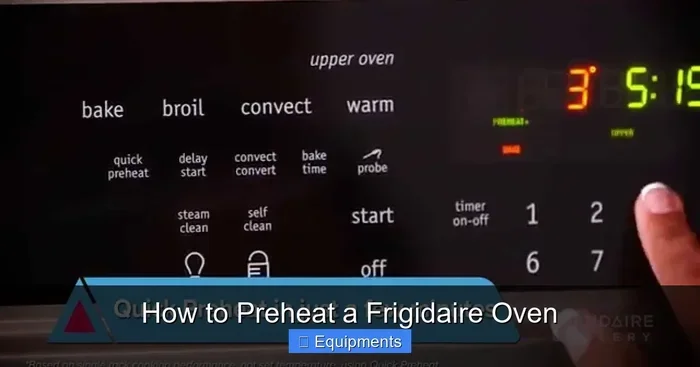
Some ovens have internal fans or ventilation ducts. If you do not use them properly, odors get trapped. Always run the range hood fan when you first use the oven. If your oven has a vent, make sure it is not blocked. Good airflow is the simplest way to reduce the oven odor removal time.
Expert Insights: Pro Tips for a Fresh Oven
I have talked to appliance repair experts and professional bakers. They shared some great advice on keeping ovens fresh. Here are the best insights they gave me.
When to Call a Professional
Most new oven smells go away on their own. But sometimes, the odor is a sign of a real problem. Call a technician if you notice any of these signs. The smell is very strong and does not fade after 4 weeks. You see smoke or sparks during normal use. The oven smells like gas, not just plastic or chemicals. There is a persistent burning smell even when the oven is off. These could indicate a wiring issue or a gas leak. Never ignore a gas-like smell. Turn off the oven and call your gas company immediately.
Preventing Future Odors
Once the new oven smell is gone, you want to keep it that way. Here are a few habits that help.
- Wipe spills immediately: Do not let food sit on the oven floor.
- Use oven liners: They catch drips and make cleanup easy.
- Run a deodorizing cycle monthly: Heat a bowl of lemon water or baking soda for 15 minutes.
- Avoid aerosol sprays near the oven: The propellants can coat the interior and create smells.
- Keep the door slightly ajar after use: This lets moisture escape and prevents moldy odors.
These small steps make a big difference. They keep your oven smelling neutral for years.
Key Takeaways
The new oven smell is a temporary but common issue. With the right approach, you can remove it quickly. Here is what you should remember.
- Off-gassing is normal: It comes from manufacturing coatings and lasts 1 to 2 weeks on average.
- Ventilation speeds things up: Open windows and use exhaust fans from day one.
- Natural cleaners work best: Baking soda and vinegar are safe and effective.
- The self-cleaning cycle is powerful: Use it once or twice to burn off residue, but do not overdo it.
- Avoid harsh chemicals: They can damage the oven and leave harmful residues.
- Patience is key: The smell will fade. Follow the steps above to speed up the process.
Conclusion
A new oven smell is not something you have to live with forever. Now you know how long does new oven smell last and what you can do about it. The smell is normal, but it does not have to linger for weeks. With a little ventilation, some baking soda, and a few simple steps, you can enjoy a fresh oven in no time. Remember to be patient and avoid harsh chemicals. Your oven will serve you well for years. So go ahead, preheat that oven, and bake with confidence. The fresh smell of your first home-cooked meal is worth the wait.
Frequently Asked Questions
How long does it take for a new oven smell to go away completely?
For most ovens, the smell fades within 1 to 2 weeks. Gas ovens often lose the smell fastest, in about 3 to 5 uses. Electric and convection ovens may take a little longer, up to 3 weeks. If the smell persists beyond a month, check for trapped food debris or call a professional.
Is the new oven smell dangerous to breathe?
The smell is generally not dangerous. It comes from curing coatings and off-gassing of manufacturing residues. These are present in very small amounts. However, if you have asthma or sensitivities, ventilate your kitchen well. Open windows and run the exhaust fan. If the smell causes headaches or nausea, turn off the oven and air out the room immediately.
Can I use the oven while it still smells?
Yes, you can. The smell does not mean the oven is unsafe to use. In fact, using the oven regularly helps burn off the residue faster. Just make sure you ventilate the kitchen while cooking. Avoid baking anything that absorbs strong odors, like sponge cake, until the smell is mostly gone.
What is the fastest way to remove the new oven smell?
The fastest method is a combination of the self-cleaning cycle and a baking soda paste. Run the self-clean cycle once, then wipe the interior with a baking soda paste. Follow up with a vinegar and water steam treatment. This triple approach usually removes the smell within 2 to 3 days.
Why does my new oven smell like burning plastic?
A burning plastic smell is very common in new ovens. It comes from the insulation and protective coatings heating up for the first time. The plastic smell is actually the off-gassing of these materials. It is not a sign that plastic is melting inside. The odor should fade after the first few heating cycles.
How can I prevent my oven from smelling after cleaning?
To prevent future odors, avoid using harsh chemical cleaners. Stick to baking soda and vinegar. Wipe up spills right after the oven cools. Run a deodorizing cycle once a month with a bowl of lemon water. Also, keep the oven door slightly ajar after use to let moisture escape and prevent musty smells.