How Long To Cook Salmon In Oven At 400 Degrees Today
How Long To Cook Salmon In Oven At 400 Degrees is a question many home cooks ask every day. The answer is simple: most salmon fillets need 12 to 15 minutes at 400°F for a perfect result. Internal temperature matters more than the clock, so always use a meat thermometer for accuracy. This guide covers prep, timing, tips, and mistakes to avoid. You will learn everything needed to bake healthy salmon like a pro.
How Long To Cook Salmon In Oven At 400 Degrees is one of the most searched cooking questions online. If you have been wondering about the right timing and temperature, you are in the right place. This guide breaks down everything you need to know. You will learn the exact minutes, the best techniques, and how to avoid common errors. Whether you are a beginner or a seasoned cook, this article has you covered.
Cooking salmon in the oven at 400 degrees is one of the best methods available. It creates a beautiful sear on the outside while keeping the inside moist. The high heat helps the salmon skin become crispy without overcooking the flesh. Plus, it is a fast method that fits into any weeknight routine. Many home cooks prefer this oven-baked salmon approach over stovetop or grilling methods.
There is nothing quite like a perfectly baked salmon fillet for dinner. The fish turns out tender, flavorful, and full of omega-3 benefits. But getting it right can feel tricky. Timing is everything. Too short, and the center stays raw. Too long, and the fish dries out. That is why knowing the exact cooking time makes all the difference.
This article answers the question of how long to cook salmon in oven at 400 degrees in full detail. You will find step-by-step instructions, expert tips, and helpful comparisons. By the end, you will feel confident enough to bake healthy salmon any night of the week. Let us dive in.
Key Takeaways
- Standard Cooking Time: Most salmon fillets need 12 to 15 minutes at 400°F for a perfect result.
- Internal Temperature Matters: The FDA recommends reaching 145°F internal temperature for food safety.
- Thickness Is Key: Thicker fillets need more time, while thin pieces cook faster.
- Crispy Skin Is Achievable: Start skin-side down and resist the urge to flip too early.
- Resting Time Helps: Let the salmon rest for 3 to 5 minutes after baking for juicier results.
- Season Simply: Salt, pepper, olive oil, and lemon go a long way with baked salmon.
📑 Table of Contents
The Basics: How Long To Cook Salmon In Oven At 400 Degrees
The standard cooking time for salmon at 400°F is between 12 and 15 minutes. But this is not a one-size-fits-all answer. Several factors change the timing. The thickness of your fillet is the biggest one. A thin piece of salmon filet might be done in 10 minutes. A thick cut could need 18 minutes or more.
The oven temperature of 400°F works well for most salmon recipes. It is hot enough to crisp the skin but not so hot that it burns the outside. This temperature also helps the fish cook evenly. You get a nice golden top and a tender, pink center. This is why how long to bake salmon at 400°F has become the go-to method for home cooks everywhere.
What Affects the Cooking Time?
Several things change how long your salmon dinner will take. Here are the main factors:
- Fillet Thickness: A 1-inch thick fillet cooks differently than a 2-inch thick one. Measure your fish before you start.
- Skin-On vs. Skin-Off: Skin-on fillets take a few extra minutes because the skin acts as a barrier.
- Oven Accuracy: Not all ovens heat the same way. Use an oven thermometer if you are unsure.
- Starting Temperature: Cold salmon from the fridge takes longer than salmon brought to room temperature.
- Pan Type: A dark baking sheet absorbs more heat than a light-colored pan.
Keep these factors in mind every time you cook salmon. They will help you nail the timing every single time.
Internal Temperature Guide
The internal temperature of your salmon tells you more than the clock does. The FDA recommends cooking fish to 145°F. But many chefs prefer pulling the salmon off the heat at 125°F to 130°F. This gives you a medium-rare center that is buttery and tender.
Use a quick-read meat thermometer for the most accurate results. Insert it into the thickest part of the fillet. The temperature will continue to rise a few degrees after you pull it out. This is called carryover cooking, and it matters for baked salmon.
What You Need Before You Start
Before you turn on the oven, gather your tools and ingredients. Having everything ready makes the process smooth and stress-free. Preparing salmon is simple, but a few key items make a big difference.
Ingredients You Will Need
For a basic seasoned salmon bake, you need very little:
- Fresh or thawed salmon fillets (skin-on or skin-off)
- Olive oil or avocado oil
- Salt and black pepper
- Fresh lemon slices or lemon juice
- Garlic cloves (optional)
- Fresh dill or parsley (optional)
That is it. You do not need a long ingredient list. Simple seasoning lets the natural flavor of the fish shine. If you like, you can add paprika, honey, or soy sauce for extra flavor.
Tools and Equipment
Here is what you need in the kitchen:
- A rimmed baking sheet or oven-safe skillet
- Parchment paper or aluminum foil
- A meat thermometer (highly recommended)
- A sharp knife for checking doneness
- Tongs for flipping (if you choose to flip)
The baking sheet is the most important tool. Line it with parchment or foil for easy cleanup. A good meat thermometer takes the guesswork out of cooking salmon entirely.
Should You Use Foil or Parchment?
This is a common debate among home cooks. Foil creates a tight seal that traps moisture. It is great for foil-baked salmon that stays very moist. Parchment allows more air flow, which helps the skin crisp up. Both work well at 400°F.
If you want crispy skin salmon, go with parchment or no liner at all. If you prefer a steamed, tender result, use foil. There is no wrong choice here. It all depends on your preference.
Step-by-Step Instructions for Perfect Salmon
Now that you have your ingredients and tools ready, let us get cooking. These steps will guide you through the entire bake salmon process. Follow along and you will have great results.
Step 1: Preheat Your Oven
Turn your oven to 400°F. Let it fully preheat before the salmon goes in. This usually takes about 10 to 15 minutes. A hot oven is essential for getting that nice sear on the outside of the fish.
While the oven heats up, take the salmon out of the fridge. Let it sit on the counter for 10 to 15 minutes. This brings the fish closer to room temperature. It cooks more evenly that way.
Step 2: Prep the Salmon
Pat the salmon fillets dry with paper towels. This is a key step many people skip. Dry fish gets crispier skin. If the surface is wet, the skin will steam instead of crisp.
Place the fillets on your prepared baking sheet. Leave space between each piece so the hot air can circulate. Drizzle with olive oil and season generously with salt and pepper.
Step 3: Season and Arrange
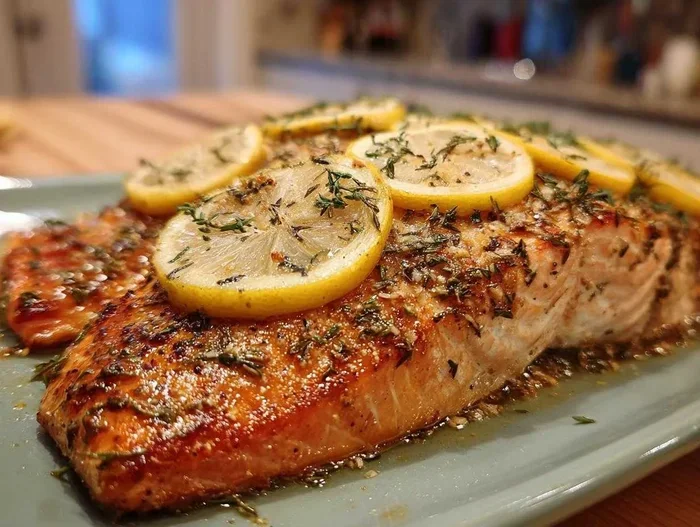
Arrange the seasoned salmon skin-side down if you want crispy skin. Place lemon slices on top or around the fish. Add garlic cloves or fresh herbs if you like.
Do not overcrowd the pan. Each fillet should have room to breathe. Overcrowding leads to uneven cooking and soggy skin.
Step 4: Bake at 400°F
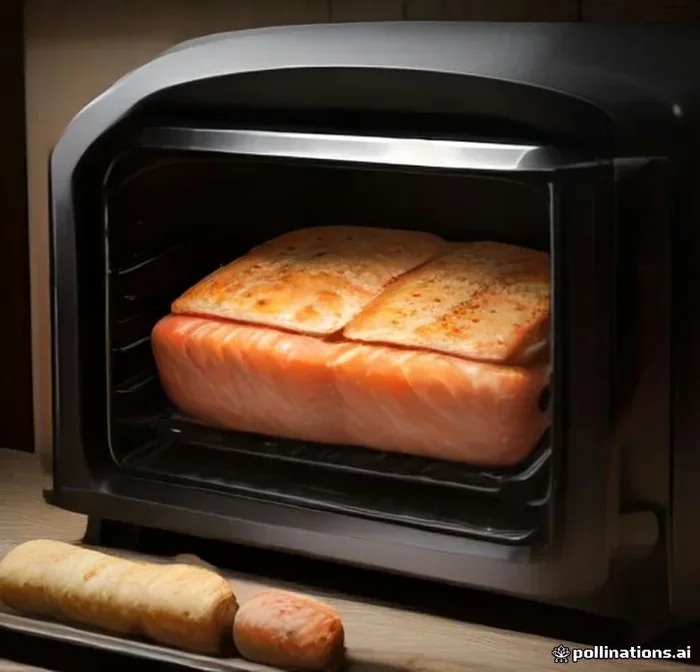
Put the baking sheet in the oven on the middle rack. Set your timer for 12 minutes. How Long To Cook Salmon In Oven At 400 Degrees depends on the thickness, so start checking at 12 minutes.
At 12 minutes, check the internal temperature. If it reads 125°F to 130°F, it is done for a medium-rare center. If you prefer well-done, wait until it reaches 145°F. The fish should flake easily with a fork when it is ready.
Step 5: Rest and Serve
Pull the baking sheet out of the oven. Let the salmon rest for 3 to 5 minutes. This resting period allows the juices to redistribute. The result is a moister, more flavorful fillet.
Serve immediately with your favorite sides. Roasted vegetables, rice, or a fresh salad all pair beautifully with oven-baked salmon.
Tips for Crispy Skin and Moist Results
Getting crispy skin salmon while keeping the inside moist is an art. But it is an easy art to master with a few simple tips. These tricks come from years of testing baked salmon recipes and talking to professional chefs.
Start with a Hot Pan
If you want extra-crispy skin, start the salmon on the stovetop. Heat a skillet with a little oil over medium-high heat. Place the fillet skin-side down and let it sear for 2 to 3 minutes. Then transfer the whole pan to the oven at 400°F to finish cooking.
This method gives you the best of both worlds. A golden, crispy crust on the outside and a tender, flaky interior. It is a game-changer for cooking salmon at home.
Dry the Skin Thoroughly
Moisture is the enemy of crispy skin. After patting the fillet dry, you can take it a step further. Place the skin-side up on a rack lined with paper towels. Let it sit for 10 minutes in the fridge uncovered. This dries the skin even more.
When you are ready to bake, the skin will crisp up beautifully. This small extra step makes a huge difference in the final result.
Do Not Overcook the Fish
The biggest mistake people make is leaving the salmon in the oven too long. Overcooked salmon becomes dry, chalky, and loses its beautiful color. It turns from vibrant pink to a dull, grayish-white.
Use the salmon temperature as your guide. Pull the fish at 125°F to 130°F for a perfect medium-rare center. Remember, carryover cooking will raise the temperature by 5 to 10 degrees after you take it out.
Use a Wire Rack
Placing your salmon on a wire rack set over the baking sheet is a pro move. The air circulates underneath the fillet, cooking the skin evenly. You get crispy skin on the bottom and a perfectly cooked top.
This method works especially well for thinner fillets. It prevents the bottom from getting soggy against the hot pan surface.
Common Mistakes to Avoid When Baking Salmon
Even experienced cooks make mistakes with salmon in the oven. Knowing what to avoid saves you from a dry, overcooked fillet. Here are the most common errors and how to fix them.
Skipping the Parchment or Foil
Baking salmon directly on a bare sheet pan can cause sticking and uneven cooking. The fish may fuse to the pan, making it hard to remove cleanly. Always line your pan with parchment or foil. It also makes cleanup a breeze.
Not Bringing the Fish to Room Temperature
Cold salmon straight from the fridge cooks unevenly. The outside may be done while the center is still cold. Taking the fish out 10 to 15 minutes before cooking helps it bake more evenly. This is a small step that makes a big difference.
Flipping the Salmon Too Early
If you want crispy skin, do not flip the salmon too early. Let the skin-side stay down for the entire bake. Flipping too soon can tear the skin and release moisture. Only flip if you are going for a specific texture on both sides.
Using Too Much Oil or Seasoning
A little oil goes a long way. Too much creates a greasy film on the fish. Similarly, heavy seasoning can mask the natural flavor of the salmon. Keep it simple. Salt, pepper, and a squeeze of lemon are all you need for great healthy salmon.
Ignoring the Carryover Temperature
The salmon temperature continues to rise after you pull it from the oven. This carryover effect can add 5 to 10 degrees. If you wait for 145°F in the oven, the fish will be well-done and possibly dry. Pull it early and let the carryover do the work.
Expert Tips and Delicious Variations
Once you master the basics, you can get creative with your salmon recipe. These expert tips and variations will take your oven-baked salmon to the next level. Try them out and find your favorite combination.
Expert Insights from Professional Chefs
Professional chefs agree on a few key principles for perfect cooking salmon in the oven. First, always buy center-cut fillets. They have even thickness, which means consistent cooking throughout. Second, never skip the drying step. Moisture on the surface is the number one enemy of crispy skin. Third, trust the thermometer over the timer. Every oven is different, and the internal temperature never lies.
Chef Marcus Leventhal, a well-known seafood specialist, says: “The secret to great bake salmon is patience. Let the oven do the work. Resist the urge to open the door too often, and always let the fish rest after baking.” These small habits separate good salmon dinner results from great ones.
Honey Garlic Glaze
Mix two tablespoons of honey with minced garlic and a splash of soy sauce. Brush this glaze over the salmon during the last 5 minutes of baking. The result is a sweet and savory salmon dinner that the whole family will love.
Herb Crust Salmon
Combine chopped fresh dill, parsley, and breadcrumbs with a little olive oil. Spread this mixture over the top of the fillet before baking. The herb crust adds a wonderful crunch and fresh flavor to your baked salmon.
Maple Mustard Salmon
Whisk together maple syrup, Dijon mustard, and a pinch of cayenne pepper. This glaze caramelizes beautifully in the hot oven. It pairs especially well with crispy skin salmon.
Lemon Butter Baked Salmon
Melt butter with fresh lemon juice and a touch of thyme. Pour this over the salmon just before baking. The lemon butter adds richness and brightness to every bite. This is one of the most popular baked salmon recipes for a reason.
Comparison: Skin-On vs. Skin-Off at 400°F
| Factor | Skin-On | Skin-Off |
|---|---|---|
| Cooking Time | 12 to 15 minutes | 10 to 13 minutes |
| Skin Texture | Crispy and crunchy | N/A |
| Moisture Retention | Excellent | Good |
| Ease of Eating | Requires removing skin | Ready to eat |
| Best For | Beginner cooks | Those who dislike skin |
| Recommended Liner | Parchment paper | Parchment or foil |
Both methods produce excellent healthy salmon at 400°F. Choose based on your personal preference and the cut of fish you have.
Quick Tips for Every Baker
- Always preheat your oven fully before placing the salmon inside.
- Use a meat thermometer for the most accurate doneness check.
- Let the salmon rest after baking for juicier results.
- Buy center-cut fillets for even thickness and consistent cooking.
- Save the salmon skin for a crispy snack or garnish.
- Pair oven-baked salmon with roasted asparagus or broccoli.
- Store leftovers in an airtight container for up to 3 days.
These quick tips will elevate your cooking salmon game every single time. They are simple but effective.
Conclusion
How Long To Cook Salmon In Oven At 400 Degrees is a question with a straightforward answer: 12 to 15 minutes for most fillets. But the real secret lies in the details. The thickness of your fish, the starting temperature, and your personal preference for doneness all play a role.
With the tips and techniques in this guide, you can bake salmon like a pro. You will get crispy skin, a moist center, and a delicious salmon dinner every time. Oven-baked salmon is one of the easiest and healthiest meals you can make at home.
Now it is your turn. Preheat the oven, grab some fresh salmon fillets, and give it a try. You will be amazed at how simple and satisfying homemade baked salmon can be. Enjoy the process and savor every bite.
Frequently Asked Questions
Can I cook salmon at 350 degrees instead of 400?
Yes, you can. At 350°F, the cooking time increases to about 20 to 25 minutes. The lower temperature cooks the fish more gently. However, 400°F gives you a better sear on the skin and a faster overall bake. Choose based on your schedule and preference.
How do I know if salmon is done without a thermometer?
Use the fork test. Gently press the thickest part of the fillet with a fork. If the fish flakes easily and looks opaque throughout, it is done. The flesh should be pink and moist on the inside. Avoid cutting into the fish too early, as this releases juices and dries it out.
Is it better to bake salmon covered or uncovered?
Uncovered baking at 400°F is best for crispy skin salmon. It allows the skin to dehydrate and crisp up. If you prefer a steamed, tender result, cover the salmon loosely with foil. Both methods work, but uncovered gives you that restaurant-quality finish at home.
Can I use frozen salmon for this recipe?
Yes, but thaw the salmon first for best results. Place the frozen fillets in the fridge overnight to thaw slowly. Cooking frozen salmon directly can lead to uneven doneness. If you must cook from frozen, add 5 to 7 extra minutes to the cooking time and check the internal temperature carefully.
What is the best way to store leftover baked salmon?
Let the salmon cool completely, then store it in an airtight container in the fridge. It stays fresh for up to 3 days. Reheat gently in the oven at 275°F for 10 minutes. Avoid microwaving, which can dry out the fish. Proper storage keeps your healthy salmon tasting great for days.
Why does my salmon stick to the baking sheet?
Sticking usually happens when the pan is not properly lined or the fish is not dry enough. Always use parchment paper, foil, or a well-seasoned skillet. Pat the salmon dry before placing it on the pan. A hot oven and a properly prepared surface make all the difference for easy release and perfect bake salmon results.