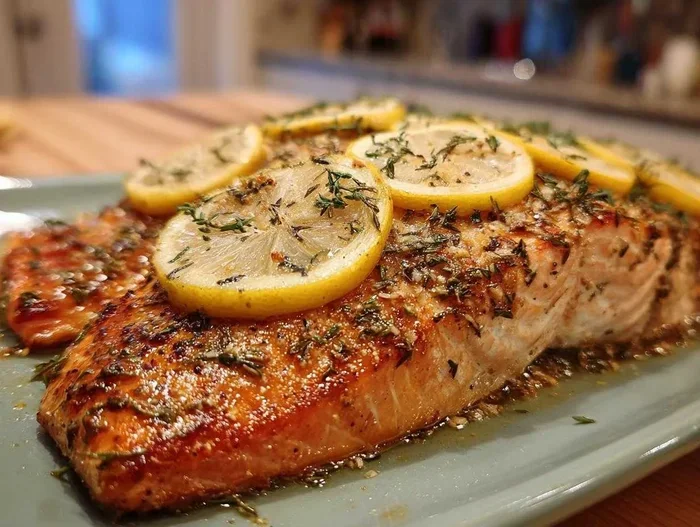
How To Cook Samon In The Oven For A Juicy Delicious Meal
How To Cook Samon In The Oven is an essential topic that provides valuable insights.
Key Takeaways
- Understanding How To Cook Samon In The Oven: Provides essential knowledge
📑 Table of Contents
- Why Oven-Baked Salmon Is a Great Choice
- Choosing the Best Salmon for Oven Cooking
- Essential Tools and Equipment
- How To Cook Salmon In The Oven: Step-by-Step Guide
- Common Mistakes to Avoid When Baking Salmon
- Quick Tips for Perfect Salmon Every Time
- Delicious Salmon Side Dish Ideas
- How to Store and Reheat Leftover Salmon
Why Oven-Baked Salmon Is a Great Choice
Baking salmon in the oven is one of the simplest and most reliable cooking methods. Unlike stovetop cooking, the oven provides even heat around the entire fillet. This means no hot spots and no guesswork. Here is why so many people choose oven-baked salmon over other methods:
- Easy cleanup — You only need one baking sheet and some foil or parchment paper.
- Consistent results — The oven circulates heat evenly, giving you perfectly cooked salmon every time.
- Hands-off cooking — Once the salmon is in the oven, you can prep sides or set the table.
- Versatile — You can add different seasonings, glazes, and toppings to create endless salmon recipes.
- Healthy cooking — Baking uses no added oil, making it one of the best healthy fish recipes available.
Roasting salmon in the oven also lets you cook multiple fillets at once. This makes it perfect for feeding a family or hosting a dinner party. A simple baked salmon recipe paired with roasted vegetables makes a complete meal in one pan.
The Health Benefits of Salmon
Salmon is often called a superfood, and for good reason. It is rich in omega-3 fatty acids, which support heart and brain health. A single serving of fresh salmon provides high-quality protein and essential vitamins like B12 and D. When you bake salmon in the oven, you preserve most of these nutrients. It is a guilt-free way to enjoy a flavorful salmon dinner any night of the week.
Choosing the Best Salmon for Oven Cooking
The quality of your salmon fillet matters a lot. Fresh, high-quality fish makes a huge difference in taste and texture. Here are some tips for picking the best salmon at the store or market:
- Look for bright orange-pink flesh with a fresh, mild smell. Avoid any fish that looks dull or smells fishy.
- Choose skin-on fillets if you want crispy skin. The skin acts as a natural barrier and keeps the fish moist during cooking.
- Check the thickness of the salmon fillets. Evenly thick pieces cook more evenly and are easier to time perfectly.
- Buy wild-caught salmon if possible. It tends to have a richer flavor and better texture than farmed options.
- If using frozen salmon, thaw it overnight in the fridge before cooking. Never cook salmon from frozen unless the recipe specifically calls for it.
When you start with good fresh salmon, the rest of the process becomes much simpler. Even a basic seasoning will shine when the fish is high quality.
Essential Tools and Equipment
You do not need fancy kitchen gear to cook salmon in the oven. A few basic tools are all you need:
- Baking sheet — A rimmed sheet pan works best to catch any juices or drips.
- Parchment paper or aluminum foil — These make cleanup a breeze and prevent the salmon from sticking.
- An instant-read thermometer — This is the single most important tool for checking salmon internal temperature accurately.
- A sharp knife — For patting the fillet dry and making small cuts in the skin for seasoning.
- A rimmed plate or dish — For resting the salmon after it comes out of the oven.
Having the right tools ready before you start makes the whole process smoother. The instant-read thermometer especially is a game-changer. It removes all the guesswork and tells you exactly when your salmon fillet is done.
How To Cook Salmon In The Oven: Step-by-Step Guide
This is the core section of the article. Here, we break down the entire process of how to cook salmon in the oven into clear, easy-to-follow steps. Follow these instructions and you will get juicy, flavorful salmon every time.
Step 1: Preheat Your Oven
Start by preheating your oven to 400°F (200°C). This is the ideal salmon oven temperature for most fillets. Preheating ensures the oven is fully hot before the salmon goes in, which helps create a beautiful sear on the skin and cooks the fish evenly. While the oven heats up, prepare your salmon fillet.
Step 2: Prepare the Salmon Fillet
Take your salmon fillet out of the fridge about 10 to 15 minutes before cooking. Letting it come to room temperature helps it cook more evenly. Pat the fillet completely dry with paper towels. This step is crucial for getting crispy salmon skin. Moisture is the enemy of crispiness, so do not skip this.
Step 3: Season the Salmon
Now comes the fun part — seasoning. You can keep it simple or get creative with your salmon seasoning. Here are some ideas for seasoning salmon:
- Classic simple — Olive oil, salt, black pepper, and a squeeze of fresh lemon juice.
- Garlic and herb — Minced garlic, dried dill, paprika, salt, and pepper.
- Asian-inspired — Soy sauce, honey, ginger, and a dash of sesame oil.
- Mediterranean — Olive oil, oregano, lemon zest, capers, and red pepper flakes.
Rub the seasoning mixture gently over the top and sides of the fillet. If your fillet has skin, place it skin-side down on the baking sheet. The skin will crisp up beautifully in the oven.
Step 4: Place Salmon on the Baking Sheet
Line your baking sheet with parchment paper or foil. Place the seasoned salmon fillet in the center of the sheet. Leave a little space around the edges so hot air can circulate freely. If you are cooking multiple fillets, space them evenly apart to ensure uniform cooking.
Step 5: Bake the Salmon
Place the baking sheet in the preheated oven. The salmon cooking time depends on the thickness of the fillet. Here is a general guide:
- Thin fillets (less than 1 inch): 10 to 12 minutes
- Standard fillets (1 to 1.5 inches): 12 to 15 minutes
- Thick fillets (over 1.5 inches): 15 to 18 minutes
The salmon internal temperature should reach 145°F (63°C) at the thickest part when fully cooked. For a slightly more tender, medium result, many chefs pull the salmon at 125°F (52°C) and let it rest. The carryover heat will bring it up to the safe temperature.
Step 6: Rest and Serve
Once the salmon is done, remove it from the oven and let it rest for 3 to 5 minutes. This resting period allows the juices to redistribute throughout the fillet, making each bite moist and flavorful. Serve your juicy salmon with a squeeze of fresh lemon, a side of roasted vegetables, or a light salad. Enjoy!
Common Mistakes to Avoid When Baking Salmon
Even experienced cooks sometimes make mistakes with baked salmon. Here are the most common errors and how to avoid them:
Mistake 1: Not Drying the Salmon
This is the number one mistake people make. If the surface of the salmon fillet is wet, the skin will not crisp up. Always pat the fish thoroughly dry before seasoning. This one simple step makes a massive difference in the final result.
Mistake 2: Overcooking the Salmon
Overcooked salmon becomes dry and chalky. The key is to watch the internal temperature closely. Remove the salmon from the oven as soon as it hits 145°F at the thickest point. Remember that the temperature will continue to rise slightly during resting. Using a timer also helps, but the thermometer is always more reliable.
Mistake 3: Using a Cold Fillet
Putting a cold salmon fillet straight from the fridge into a hot oven causes uneven cooking. The outside may overcook while the inside stays raw. Let the fish sit at room temperature for 10 to 15 minutes before baking. This small step leads to much better oven-baked salmon.
Mistake 4: Skipping the Parchment Paper
Baking salmon directly on a bare sheet pan often leads to sticking and a frustrating cleanup. Parchment paper or foil creates a non-stick surface and makes the whole process easier. It also helps the skin crisp up evenly.
Quick Tips for Perfect Salmon Every Time
Want to take your salmon recipe to the next level? Here are some quick tips that experienced cooks swear by:
- Score the skin — Use a sharp knife to make 2 to 3 shallow diagonal cuts on the skin side. This helps the seasoning penetrate and prevents the fillet from curling up in the oven.
- Add a glaze in the last 5 minutes — Brush on a honey-soy or maple-mustard glaze during the final minutes of cooking. This adds a beautiful caramelized finish.
- Let the salmon rest — Never skip the resting step. It makes the fish juicier and more flavorful.
- Use a hot oven — A hot oven (400°F) sears the outside quickly while keeping the inside tender.
- Experiment with flavors — Try different spice blends each time you make this salmon dish to keep things interesting.
Delicious Salmon Side Dish Ideas
A great salmon dinner is about more than just the fish. The right sides complement the rich, buttery flavor of roasted salmon. Here are some easy pairing ideas:
- Roasted asparagus — Toss asparagus with olive oil, salt, and garlic, then roast on the same sheet pan.
- Garlic mashed potatoes — A classic comfort food that pairs beautifully with baked salmon.
- Lemon rice — Light, fluffy rice with fresh lemon zest makes a perfect base for a salmon fillet.
- Mixed green salad — A crisp salad with a light vinaigrette balances the richness of the fish.
- Steamed broccoli — Simple, healthy, and ready in under 10 minutes.
- Roasted baby potatoes — Crispy on the outside and tender inside, these are a crowd-pleaser.
Choosing the right sides turns a simple salmon recipe into a full, satisfying meal. Keep your sides light and fresh to let the juicy salmon shine.
How to Store and Reheat Leftover Salmon
If you have leftover oven-baked salmon, you can store it safely and enjoy it the next day:
- Refrigerate — Place leftover salmon fillets in an airtight container within 2 hours of cooking. They will keep in the fridge for up to 3 days.
- Reheat gently — Use a low oven temperature (around 275°F) or a microwave on low power. High heat can dry out the fish quickly.
- Freeze for later — Wrap individual portions tightly in plastic wrap and foil, then freeze for up to 3 months.
Proper storage ensures you get the most out of your healthy fish recipes. Leftover baked salmon makes a great addition to salads, sandwiches, or pasta dishes the next day.
Frequently Asked Questions
What is the best temperature to cook salmon in the oven?
The best salmon oven temperature is 400°F (200°C). This high heat cooks the fish quickly while creating a beautifully crispy skin and a tender, flaky interior. It is the ideal temperature for most salmon fillets regardless of thickness.
How long should I bake salmon at 400 degrees?
At 400°F, a standard salmon fillet that is about 1 inch thick takes approximately 12 to 15 minutes. Thinner fillets may need only 10 minutes, while thicker pieces could take up to 18 minutes. Always use a salmon internal temperature of 145°F as your guide.
Should I cook salmon with the skin on or off?
Cooking salmon with the skin on is highly recommended for oven baking. The skin protects the fish from drying out and becomes wonderfully crispy in the oven. Place the fillet skin-side down on the baking sheet for the best results with your crispy salmon skin.
How do I know when salmon is done in the oven?
The easiest way to tell is by using an instant-read thermometer. Insert it into the thickest part of the fillet. When the salmon internal temperature reaches 145°F, the fish is fully cooked and safe to eat. The flesh should also be opaque and flake easily with a fork.
Can I use frozen salmon for oven baking?
Yes, you can, but it is best to thaw the salmon first for even cooking. Place the frozen salmon in the refrigerator overnight to thaw. If you are in a hurry, you can use the cold water method — submerge the sealed fillet in cold water for about 30 minutes. Avoid cooking thick frozen fillets directly as they may cook unevenly.
What is the best seasoning for baked salmon?
The best salmon seasoning depends on your personal taste. A simple combination of olive oil, salt, pepper, and lemon juice works beautifully. For more flavor, try garlic, dill, paprika, or honey. The key is to keep the seasoning light enough to complement the natural taste of the fresh salmon rather than overpower it.
=== CONCLUSION ===
How to cook salmon in the oven is a skill anyone can master with a little practice. From choosing the right fresh salmon to nailing the perfect salmon oven temperature, every step matters. Follow the steps in this guide and you will consistently produce juicy, flavorful salmon that looks and tastes amazing. Remember to dry your fillet, season it well, and use a thermometer to check the salmon internal temperature. These small habits make a huge difference.
Oven-baked salmon is one of the easiest healthy fish recipes you can make. It is fast, delicious, and incredibly nutritious. Whether you are cooking for yourself, your family, or guests, a perfectly baked salmon recipe always impresses. So preheat that oven, grab your salmon fillet, and get cooking. Your next salmon dinner is going to be absolutely delicious!