Does a Gas Oven Use Electricity for Ignition and Heat
Yes, a gas oven does use electricity — but not for heat. Gas ovens rely on electricity for the ignition system, control board, lights, and digital features. Understanding how your gas oven uses power helps you troubleshoot issues, save energy, and avoid surprise repair costs.
Have you ever stood in your kitchen wondering, “Does a gas oven use electricity?” It is a fair question. After all, gas ovens burn natural gas or propane. So why would they need any power at all?
The short answer is yes. A gas oven does use electricity. But it does not use electricity to create heat. Instead, it uses power for ignition, controls, and a few other features. Many homeowners are surprised to learn this. They assume their gas oven runs completely off the gas line.
In this article, we will break down exactly how a gas oven uses electricity. We will look at the ignition system, the control board, and other electrical components. You will also learn how much power a gas oven actually uses. By the end, you will have a clear picture of how your gas oven works and why it needs electricity.
Key Takeaways
- Gas ovens need electricity for ignition: Modern gas ovens use electric spark igniters or hot surface igniters instead of standing pilots.
- Electricity powers the control board: The oven’s digital controls, timers, and sensors all run on household current.
- Gas ovens use less electricity than electric ovens: Since heat comes from gas combustion, overall energy consumption is lower.
- A power outage stops your gas oven: Without electricity, even a gas oven cannot ignite or operate.
- Igniter problems are common: Faulty igniters are the most frequent reason a gas oven won’t light.
- Gas ovens are energy-efficient: They heat up faster and use less overall energy than their electric counterparts.
- Regular maintenance helps: Cleaning the igniter and burner components keeps your gas oven running smoothly.
📑 Table of Contents
- How Does a Gas Oven Work?
- Does a Gas Oven Use Electricity for Ignition?
- What Other Electrical Components Does a Gas Oven Use?
- How Much Electricity Does a Gas Oven Use?
- What Happens When the Power Goes Out?
- Common Gas Oven Electrical Problems
- Tips for Maintaining Your Gas Oven
- Frequently Asked Questions
- Final Thoughts
How Does a Gas Oven Work?
Before we dive into the electrical side, let us understand how a gas oven produces heat. The basic process is simple. Gas flows from your supply line into the oven burner. The burner ignites the gas. Flames heat up the oven cavity. A thermostat regulates the temperature.
But here is the key question: what starts the ignition? In older models, a small, constantly burning flame called a standing pilot light handled this. Modern gas ovens do not work that way anymore. Today, almost all gas ovens use an electric ignition system.
The Role of Gas in Oven Heating
Gas is the primary fuel source. It provides the actual heat. When you turn on your oven, gas flows through the burner assembly. The igniter sparks to life. The gas catches fire. The flames spread across the burner and heat the oven.
This is why gas ovens are so popular. They heat up fast. They provide even heat distribution. And they are generally more energy-efficient than electric ovens for cooking and baking.
What Makes a Gas Oven Different from an Electric Oven?
An electric oven uses heating elements — coils at the top and bottom. These coils get red-hot when electricity flows through them. A gas oven uses a burner and flames instead. The difference is significant. Electric ovens take longer to preheat. Gas ovens reach cooking temperature faster.
However, both types of ovens share one thing in common. They both need electricity to function. An electric oven obviously runs on power. But a gas oven also depends on electrical components to operate correctly.
Does a Gas Oven Use Electricity for Ignition?
This is the most important question. And the answer is a definite yes. The ignition system in a modern gas oven is entirely electric. Without electricity, your gas oven simply will not light.
Electric Spark Ignition Systems
Many gas ovens use a spark ignition system. This system creates a small electrical spark. The spark lights the gas as it flows into the burner. You may have heard a clicking sound when you turn on your oven. That is the spark igniter at work.
Here is how it works step by step:
- You turn the oven knob or press the start button.
- The control board sends an electrical signal.
- The igniter creates a spark at the burner.
- The gas ignites from the spark.
- The flame establishes and the oven begins heating.
Spark ignition systems are reliable and simple. They do not require a lot of electricity. A few milliamps are enough to create the spark. But without any power at all, the system cannot function.
Hot Surface Ignition Systems
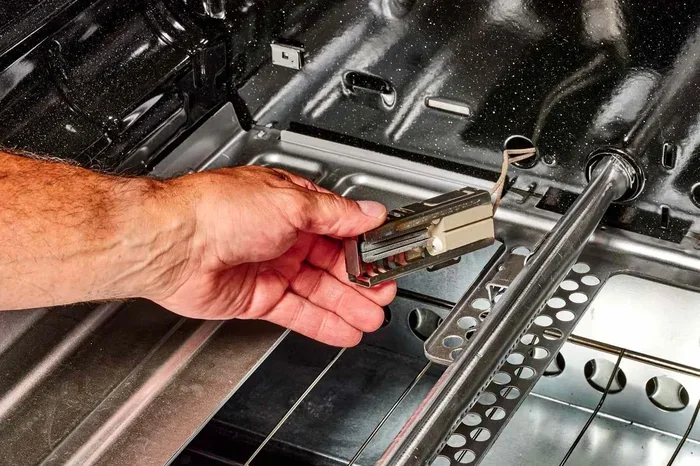
Some newer gas ovens use a hot surface igniter. This is a small glow-bar style element. It heats up electrically until it is hot enough to ignite gas. It looks similar to the heating element in an electric oven, but much smaller.
Hot surface igniters are very common in modern ovens. They are safer than spark systems. There is no open spark near the gas. The igniter glows orange or red. When it reaches the right temperature, gas flows and ignites.
If your hot surface igniter fails, your gas oven will not light. This is one of the most common repair issues with gas ovens today.
Standing Pilot Lights: The Old-School Approach
Some older gas ovens still use a standing pilot light. This is a small, continuous flame that stays lit at all times. It does not need electricity to burn. The pilot light ignites the gas whenever the oven is turned on.
However, standing pilot ovens are becoming rare. Most manufacturers have moved to electric ignition systems. They are safer and more efficient. If you have an older oven with a standing pilot, it may not need electricity for ignition. But it still likely uses power for the clock, timer, or light.
What Other Electrical Components Does a Gas Oven Use?
The ignition system is not the only part of a gas oven that needs electricity. Several other components depend on household power to work. Let us look at each one.
The Oven Control Board
The control board is the brain of your gas oven. It receives your temperature settings. It sends signals to the igniter, gas valve, and sensors. It controls the entire cooking cycle. Without electricity, the control board is dead.
Modern ovens have digital control boards with buttons, displays, and touchpads. All of these need electricity to function. Even if your oven has analog knobs, the internal components still require power.
The Oven Light
Most gas ovens have an interior light. This lets you check on your food without opening the door. The light bulb is powered by electricity. It is a small detail, but it is one more reason your gas oven needs a power supply.
The Clock and Timer
Almost all modern gas ovens include a digital clock and timer. These features run on electricity. Some ovens have a built-in timer that can automatically shut off the oven. This is a convenient safety feature. But it only works when the oven is plugged in and receiving power.
The Temperature Sensor
Gas ovens use a temperature sensor to monitor heat. This sensor sends data back to the control board. It tells the oven when to turn the burner on or off. The sensor itself is an electrical component. It needs power to send signals.
The Broiler and Convection Fan
Many gas ovens include a convection fan. This fan circulates hot air for even cooking. The fan motor runs on electricity. Some gas ovens also have an electric broiler element at the top. This is another component that uses household current.
How Much Electricity Does a Gas Oven Use?
Now that you know a gas oven does use electricity, you might wonder how much. The good news is that gas ovens use very little electricity compared to electric ovens.
Typical Power Consumption
A gas oven typically draws between 100 and 200 watts of electricity during normal operation. The igniter uses the most power. A hot surface igniter draws about 100 to 150 watts. The control board uses very little — maybe 5 to 10 watts. The oven light and fan use small amounts too.
Compare this to an electric oven. An electric oven can draw 2,000 to 5,000 watts during cooking. That is a huge difference. The gas oven uses far less electricity overall.
Does a Gas Oven Increase Your Electric Bill?
Not significantly. The electricity a gas oven uses is minimal. You will barely notice a change in your electric bill. The real energy cost of a gas oven comes from the gas itself. Your gas bill will go up when you use the oven a lot.
If you are trying to save on energy costs, a gas oven is generally a good choice. It uses less electricity and heats more efficiently. However, the exact cost depends on your local gas and electricity rates.
Gas Oven vs Electric Oven: Energy Comparison
Let us compare the two types side by side. This will help you understand where each one stands on energy use.
| Feature | Gas Oven | Electric Oven |
|---|---|---|
| Heat Source | Natural gas or propane combustion | Electric heating elements |
| Electricity Used | Low (100-200 watts) | High (2,000-5,000 watts) |
| Preheat Time | Fast | Slower |
| Operating Cost | Lower (gas is cheaper in most areas) | Higher (electricity costs more) |
| Temperature Control | Good, with some fluctuations | Very consistent |
| Moisture Retention | Better (combustion adds moisture) | Drier heat |
| Installation Needs | Gas line required | Electrical outlet required |
As you can see, both oven types have their strengths. But when it comes to electricity use, the gas oven wins. It uses a fraction of the power an electric oven needs.
What Happens When the Power Goes Out?
A power outage can stop your gas oven from working. Even though the oven burns gas, it still needs electricity to ignite and operate. This surprises many homeowners.
Will a Gas Oven Work Without Electricity?
In most modern gas ovens, the answer is no. Without electricity, the igniter cannot spark. The control board cannot send signals. The oven will not turn on.
Older ovens with standing pilot lights are an exception. Those may still light manually during a power outage. But the clock, timer, and digital features will not work.
How to Prepare for Power Outages
Here are a few tips to keep in mind:
- Keep a flashlight or battery-powered lantern in your kitchen.
- Consider a small portable generator for essential appliances.
- If you have a standing pilot oven, learn how to light it manually.
- Stock up on non-perishable foods that do not require oven cooking.
- Never use a gas oven for heating your home during a power outage. It is a safety hazard.
Common Gas Oven Electrical Problems
Because a gas oven relies on electricity for several functions, electrical issues can cause big problems. Here are the most common ones.
Igniter Failure
A failed igniter is the number one reason a gas oven will not light. The igniter may glow but not get hot enough. Or it may not glow at all. If you hear the oven clicking but nothing lights, the igniter is likely the culprit.
Replacing a hot surface igniter is usually straightforward. The part costs between 30 and 60 dollars. You can often do it yourself with basic tools.
Control Board Malfunction
Sometimes the control board fails. This can happen from power surges or normal wear. Signs of a bad control board include:
- The oven display is blank or flickering.
- The oven does not respond to button presses.
- The oven turns on and off randomly.
- Error codes appear on the display.
Control board replacement is more expensive than an igniter. The part can cost 100 to 250 dollars. Professional installation is recommended.
Wiring Issues
Loose or corroded wiring can cause intermittent problems. The oven might work sometimes but not others. Check the power cord and internal connections if you notice inconsistent behavior.
Always turn off the power before inspecting any wiring. Safety comes first when working with electricity and gas together.
Gas Valve Electrical Failure
The gas valve in a modern oven has an electromagnetic solenoid. This solenoid needs electricity to open and allow gas to flow. If the solenoid fails, gas will not reach the burner. The oven will not light even if the igniter works fine.
Tips for Maintaining Your Gas Oven
Regular maintenance keeps your gas oven running efficiently. It also prevents electrical problems from causing bigger issues. Here are some simple tips.
Keep the Igniter Clean
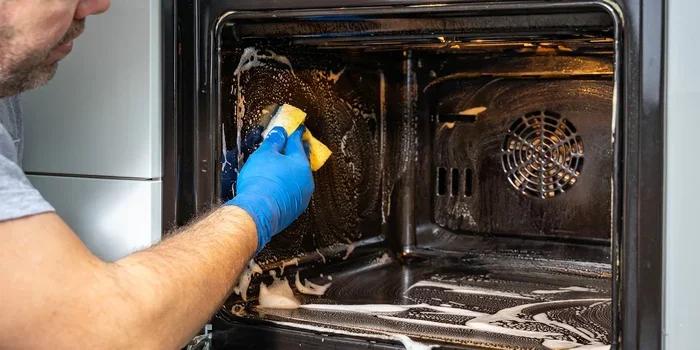
Food debris and grease can build up around the igniter. This can block the spark or prevent the igniter from heating properly. Clean the igniter area regularly with a soft brush and mild cleaner.
Check the Power Cord
Inspect the power cord for damage. Look for fraying, cracks, or burn marks. A damaged power cord is a safety hazard. Replace it immediately if you notice any issues.
Test the Oven Light and Fan
Make sure the oven light turns on. Check that the convection fan spins properly. These simple checks can help you catch electrical problems early.
Schedule Professional Maintenance
Have a professional inspect your gas oven once a year. They can check the gas valve, igniter, control board, and wiring. Regular maintenance extends the life of your oven and keeps it safe.
Use a Surge Protector
Power surges can damage your oven’s control board. Plugging your oven into a surge protector is a smart precaution. It is a small investment that can save you from expensive repairs.
Frequently Asked Questions
Does a gas oven need to be plugged in to work?
Yes, a modern gas oven needs to be plugged in or hardwired to an electrical outlet. The electricity powers the igniter, control board, and other electronic components. Without a power source, the oven cannot ignite or operate its features.
Can I use my gas oven during a power outage?
Most modern gas ovens will not work during a power outage. They rely on electricity for ignition and controls. Older models with standing pilot lights may still light manually. But digital features like clocks and timers will not function without power.
Is it safe to use a gas oven for heating a room?
No, you should never use a gas oven to heat your home. It is a serious safety risk. Using the oven for heating can cause carbon monoxide buildup. It also creates a fire hazard. Always use your gas oven for cooking only.
How much electricity does a gas oven use per month?
A gas oven uses very little electricity — about 100 to 200 watts per hour of use. If you cook for one hour a day, the monthly electricity cost is minimal. The bigger energy cost comes from the gas you use to produce heat.
Why does my gas oven click but not light?
A clicking sound means the spark igniter is trying to create a spark. If the oven does not light, the igniter may be faulty. There could also be a gas flow issue or a problem with the gas valve. Inspect the igniter first, as it is the most common cause.
Do gas ovens use less energy than electric ovens?
Yes, gas ovens generally use less energy overall. They heat up faster and use less electricity. Gas fuel is also typically cheaper than electricity in most areas. This makes gas ovens more cost-effective for regular cooking and baking.
Final Thoughts
So, does a gas oven use electricity? Absolutely. A gas oven uses electricity for ignition, controls, the display, the light, the fan, and more. But it does not use electricity to create heat. The heat comes from burning gas.
This distinction is important to understand. It helps you troubleshoot problems. It helps you manage energy costs. And it keeps you safe in the kitchen.
Next time someone asks you, “Does a gas oven use electricity?” you will know the full answer. You will understand the ignition system, the control board, and all the electrical components that make your gas oven work.
A gas oven is a reliable, efficient, and popular choice for many kitchens. It combines the power of gas with the precision of electronic controls. With proper care and maintenance, your gas oven will serve you well for many years to come.
Keep this guide handy. Refer back to it whenever you have questions about your gas oven and its electricity needs. Understanding how your appliances work is the first step toward better cooking, lower bills, and a safer home.