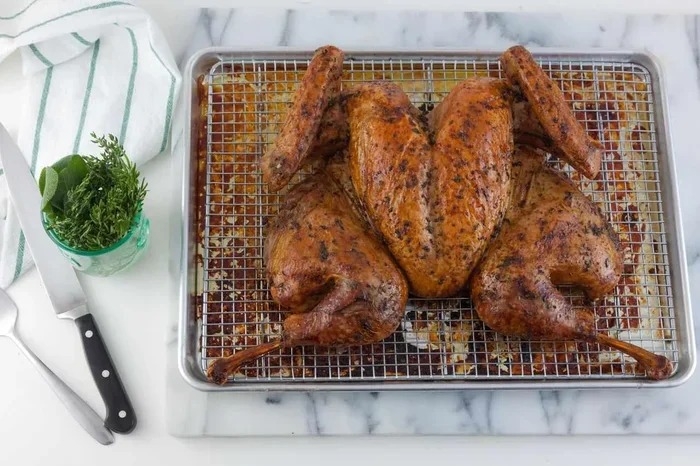
How Long To Cook Spatchcock Turkey In Convection Oven
Cooking a spatchcock turkey in a convection oven takes about 2 to 2.5 hours at 425 degrees Fahrenheit. The spatchcock method removes the backbone and flattens the bird, allowing heat to reach the meat evenly. This approach saves time, uses less energy, and produces crispy skin with moist, tender meat throughout.
Key Takeaways
- Faster Cooking Time: Spatchcock turkey cooks about 30 to 40 percent faster than a whole roasted turkey in a convection oven.
- Even Heat Distribution: The flat shape lets hot air flow around the bird, eliminating dry breast meat and undercooked thighs.
- Simple Prep: Removing the backbone takes just a few minutes with kitchen shears or a sharp knife.
- Perfect Internal Temperature: Target 165 degrees Fahrenheit in the thickest part of the thigh for a safely cooked bird.
- Crispy Skin Every Time: The convection setting dries the skin beautifully, giving you a golden, crackling finish.
- Resting Is Essential: Let the turkey rest for 20 to 30 minutes before carving to lock in the juices.
- Brining Adds Flavor: A quick dry brine or wet brine elevates the taste and moisture of your spatchcock turkey significantly.
📑 Table of Contents
- What Is a Spatchcock Turkey and Why Use a Convection Oven?
- How Long To Cook Spatchcock Turkey In Convection Oven
- Step-by-Step Spatchcock Turkey Prep
- Temperature and Timing Guide
- Tips for Crispy Skin and Juicy Meat
- Common Mistakes to Avoid When Cooking Spatchcock Turkey
- Expert Tips for the Best Spatchcock Turkey
- Conclusion
What Is a Spatchcock Turkey and Why Use a Convection Oven?
Spatchcocking means removing the backbone from a whole turkey and pressing it flat. This opens up the bird so it cooks much faster. The word “spatchcock” sounds fancy, but the technique is simple and old-fashioned. People have been doing it for centuries to get dinner on the table sooner.
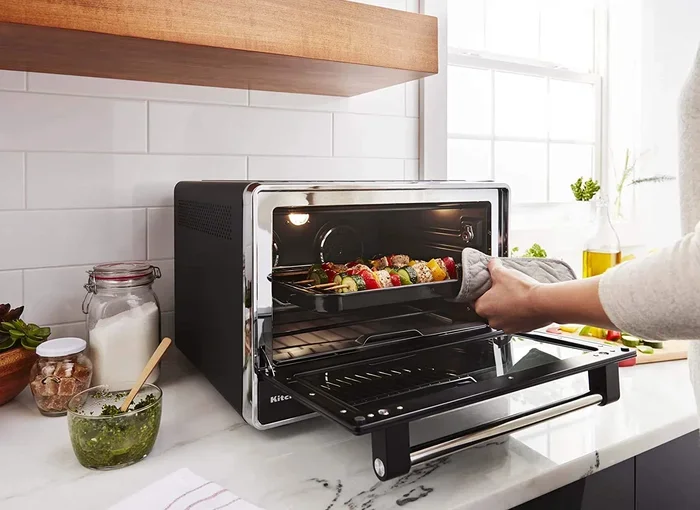
A convection oven uses a fan to blow hot air around the food. This creates a more even cooking environment. Regular ovens rely on radiant heat, which can leave hot and cold spots. When you combine the flat shape of a spatchcock bird with a convection oven, you get incredible results. The skin crisps up, the meat cooks evenly, and you save a ton of time.
Many home cooks avoid roasting a whole turkey because it feels intimidating. The bird is huge, the timing is tricky, and the breast meat often dries out before the thighs are done. Spatchcocking solves all of these problems. The thinner profile means no more guessing whether the inside is cooked. You also use less oven space, which is great if you are cooking side dishes at the same time.
Why Spatchcock Turkey Cooks Faster
A whole turkey usually takes 3.5 to 4.5 hours to roast at a standard temperature. When you spatchcock it, the cooking time drops to about 2 to 2.5 hours. That is a huge difference. The reason is simple physics. A flat bird has more surface area exposed to direct heat. The convection fan blows warm air over all sides at once. There is no thick center blocking the heat from reaching the inner parts of the meat.
Less cooking time also means less moisture loss. The turkey spends less time in the oven, so it stays juicier. This is a big win for anyone who has ever bitten into dry turkey breast at a holiday dinner. With a spatchcock method, every slice comes out tender and flavorful.
Benefits of Using a Convection Oven for Turkey
Convection ovens offer several advantages for roasting turkey. Here are the main ones:
- Even Cooking: The fan eliminates hot spots, so every part of the turkey cooks at the same rate.
- Faster Results: Cooking time drops by about 25 percent compared to a regular bake setting.
- Crispy Skin: The circulating air dries the skin quickly, giving you a golden, crunchy finish.
- Energy Efficient: Shorter cook times mean less electricity or gas used.
- Better Browning: The convection setting promotes Maillard reaction, which creates that beautiful brown color.
How Long To Cook Spatchcock Turkey In Convection Oven
The short answer is about 2 to 2.5 hours at 425 degrees Fahrenheit for a bird weighing 12 to 14 pounds. But the exact cooking time depends on several factors. Let us break them down so you can plan your meal with confidence.
Cooking Time by Turkey Weight
The weight of your turkey is the biggest factor in determining cook time. Here is a general guide for spatchcock turkey in a convection oven:
- 8 to 10 pounds: About 1.5 to 2 hours
- 12 to 14 pounds: About 2 to 2.5 hours
- 15 to 18 pounds: About 2.5 to 3 hours
- 20 pounds and up: About 3 to 3.5 hours
These times are approximate. Always use a meat thermometer to check the internal temperature. The bird is done when it reaches 165 degrees Fahrenheit in the thickest part of the thigh. The temperature should also read 165 degrees in the thickest part of the breast, near the bone.
Temperature Settings for Best Results
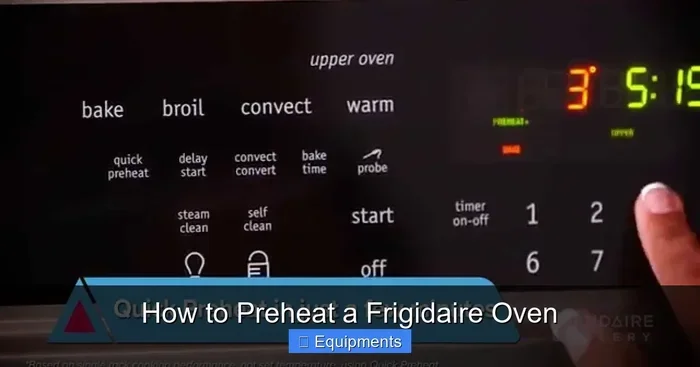
Most recipes for spatchcock turkey recommend starting at a high temperature. A 425-degree start helps the skin crisp up quickly. After about 30 minutes, you can drop the temperature to 400 degrees for the remainder of the cook. Some cooks prefer to stay at 425 the entire time. This works well for smaller birds under 12 pounds.
Do not go below 375 degrees for the main cook. Lower temperatures cause the turkey to steam instead of roast. You will lose that beautiful crispy skin and the meat may take longer to cook, which dries it out. The convection roast setting on most ovens works perfectly for this recipe.
Why Timing Varies From Bird to Bird
Not all turkeys are created equal. A heritage breed turkey has denser meat than a store-bought broad-breasted white turkey. The shape of the bird matters too. Some turkeys are wider, which means they cook a bit differently than taller ones. Even the starting temperature of the bird affects cook time. Always take the turkey out of the fridge about 30 minutes before it goes into the oven. This lets the meat come closer to room temperature, which promotes more even cooking.
How to Check for Doneness
The only reliable way to know your spatchcock turkey is done is with a meat thermometer. Insert the probe into the thickest part of the thigh, avoiding the bone. The reading should show 165 degrees Fahrenheit. Check the breast meat too, near the top of the bird. If the thigh reads 165 but the breast is at 155, tent the bird with foil and give it 10 more minutes.
Another method is to wiggle the leg. If it moves easily and the juices run clear, the bird is likely done. But the thermometer never lies. Invest in a good instant-read thermometer if you do not already have one.
Step-by-Step Spatchcock Turkey Prep
Prepping a spatchcock turkey is easier than you think. It takes about 10 to 15 minutes, and the results are worth every second. Follow these steps for a perfect bird every time.
Step 1: Gather Your Tools
You will need a sturdy cutting board, kitchen shears or a heavy sharp knife, paper towels, and your favorite seasoning. A pair of tongs also helps when flipping the bird later. Make sure your convection oven is clean and ready to go before you start prepping.
Step 2: Remove the Backbone
Flip the turkey breast-side down on the cutting board. Use the shears to cut along one side of the backbone. Cut all the way from the neck opening to the tail end. Repeat on the other side. You can save the backbone for making turkey stock later. Once the backbone is removed, flip the bird over and press down firmly on the breastbone. The turkey should lie flat.
Step 3: Dry and Season the Turkey
Pat the entire bird dry with paper towels. Dry skin crisps up much better than wet skin. Now is the time to apply your turkey seasoning. A simple mix of salt, pepper, garlic powder, and paprika works great. You can also add herbs like thyme, rosemary, and sage for extra flavor.
For the best results, season the turkey at least 1 hour before cooking, or even overnight in the fridge. This is called dry brining, and it pulls moisture to the surface, which then gets reabsorbed. The result is seasoned meat that stays juicy during cooking.
Step 4: Prep the Pan and Rack
Place a wire rack inside a large roasting pan. The rack lets air circulate underneath the turkey, which helps the bottom cook evenly too. You can line the pan with chopped onions, carrots, and celery for added flavor. A little bit of broth or water in the bottom of the pan also prevents drippings from burning.
Temperature and Timing Guide
This section gives you the exact numbers you need to set your convection oven and track your cook time. Print this out or save it on your phone for easy reference.
Recommended Temperature Settings
Start your oven at 425 degrees Fahrenheit. This high heat kickstarts the browning and crisping process. After the first 30 minutes, reduce the heat to 400 degrees Fahrenheit. Maintain this temperature for the rest of the cook. If your oven runs hot, you can drop to 390 degrees.
For a smaller bird under 10 pounds, you can start at 400 degrees and stay there the whole time. The thinner profile means it does not need the initial high-heat blast.
Detailed Timing Chart
Here is a more detailed breakdown of what to expect when you cook spatchcock turkey in a convection oven:
- First 30 minutes at 425 degrees: The skin starts to crisp and brown. The turkey is not cooked through yet.
- Minutes 30 to 90 at 400 degrees: The meat cooks through evenly. The skin continues to darken to a golden brown.
- Final 20 to 30 minutes: Check the internal temperature. If the breast is browning too fast, tent it loosely with foil.
- Resting period (20 to 30 minutes): The turkey finishes cooking from carryover heat and the juices redistribute.
Carryover Cooking Explained
Carryover cooking is a concept every home cook should understand. When you take the turkey out of the oven, the internal temperature continues to rise by about 5 to 10 degrees. This happens because the hot meat continues to cook itself from residual heat. So if you pull the bird when the thigh reads 160 degrees, it will reach 165 degrees during the rest period. This is why many chefs recommend pulling the turkey a few degrees early.
Tips for Crispy Skin and Juicy Meat
Getting crispy skin on a spatchcock turkey is one of the best parts of this cooking method. The flat shape and convection airflow make it easier than a traditional roast. Here are the top tips to guarantee perfect results.
Dry the Skin Thoroughly
Moisture is the enemy of crispy skin. After you pat the turkey dry with paper towels, let it sit uncovered in the fridge for a few hours or overnight. The cold air dries the surface even more. When the bird goes into the hot oven, the dry skin renders the fat underneath and turns golden and crunchy.
Use Butter or Oil on the Skin
Brushing the skin with melted butter or olive oil helps it crisp up. The fat conducts heat to the skin surface and promotes browning. Use about 2 tablespoons of melted butter and rub it all over the bird. You can also add a pinch of salt right before it goes in the oven for extra crunch.
Do Not Overcrowd the Pan
The turkey needs space for air to flow around it. Make sure it is centered on the rack and not touching the sides of the pan. If you are cooking vegetables alongside the turkey, spread them around the edges of the pan, not underneath the bird. The convection fan works best when nothing is blocking the airflow.
Baste Once or Twice
Basting adds flavor and moisture, but too much basting opens the oven door and drops the temperature. For spatchcock turkey, baste once halfway through the cook. Use a spoon or baster to scoop up the pan juices and drizzle them over the breast and thighs. Keep the basting quick so you do not lose too much heat.
Let It Rest Before Carving
Once the turkey comes out of the oven, resist the urge to cut into it right away. Let it rest on the cutting board for 20 to 30 minutes. Cover it loosely with foil to keep it warm. During this time, the juices settle back into the meat instead of running out onto the cutting board. The result is moist, tender slices that everyone will love.
Common Mistakes to Avoid When Cooking Spatchcock Turkey
Even experienced cooks make mistakes when roasting turkey. Here are the most common errors and how to avoid them.
Skipping the Thermometer
The biggest mistake people make is relying on time alone. Every oven is different, and every turkey is different. A meat thermometer takes the guesswork out of cooking. Without one, you risk either undercooking the bird or drying it out by cooking too long. Get a reliable instant-read thermometer and use it every single time.
Not Flattening the Bird Enough
If you do not press the turkey flat enough, it will not cook evenly. Some birds have a lot of breast meat that resists lying flat. Use your hands to press firmly on the breastbone. You can also place a heavy sheet of foil or a second cutting board on top to help flatten it. The flatter the bird, the faster and more evenly it cooks.
Setting the Oven Too Low
A low temperature might seem safer, but it actually causes problems. Low heat steams the turkey instead of roasting it. The skin gets soggy instead of crispy. Stick with 425 degrees for the first half hour, then 400 degrees for the rest. The higher heat gives you that beautiful golden crust.
Forgetting to Rest the Turkey
Cutting into the turkey too soon releases all the juices onto the cutting board. The meat ends up dry and less flavorful. Give it at least 20 minutes of resting time. This also gives you time to make a quick pan gravy while the turkey settles.
Not Seasoning Under the Skin
For the deepest flavor, separate the skin from the breast meat and rub seasoning directly onto the meat. This sounds fancy, but it is really easy to do. Just slide your fingers gently between the skin and the flesh. The seasoning melts into the meat during cooking, giving you a flavorful bird from the inside out.
Expert Tips for the Best Spatchcock Turkey
Here are some pro-level tips that will take your spatchcock turkey from good to restaurant-quality.
Try a Quick Brine
Brining adds moisture and flavor to the meat. You do not need to brine overnight for great results. A quick wet brine of 4 cups of water, 1/4 cup of salt, and 2 tablespoons of sugar, soaked for 2 to 4 hours, makes a noticeable difference. Pat the bird completely dry after brining before seasoning and roasting.
Use a Rack With a Dripan
A V-rack or a simple wire rack elevates the turkey above the pan drippings. This allows the hot air to reach the bottom of the bird too. The dripan catches the juices for gravy, and the rack prevents the bottom from getting soggy.
Add Aromatics Inside the Cavity
Stuff the cavity with halved lemons, garlic cloves, fresh herbs, and onion quarters. These aromatics steam inside the bird as it cooks, adding a subtle fragrance and flavor to the meat. You can also place some of the aromatics under the bird on the rack.
Let the Turkey Come to Room Temperature
Take the turkey out of the refrigerator 30 to 45 minutes before cooking. A cold bird going into a hot oven will take longer to cook and may cook unevenly. Bringing it closer to room temperature promotes more consistent results throughout the bird.
Make Pan Gravy While the Turkey Rests
While the turkey is resting, you can make a quick gravy from the pan drippings. Pour off most of the fat, add a splash of broth, and whisk in a little flour or cornstarch. Let it simmer for a few minutes until it thickens. Homemade pan gravy is the perfect finishing touch for any roasted turkey.
Conclusion
How Long To Cook Spatchcock Turkey In Convection Oven is a question with a surprisingly simple answer. Most birds finish in 2 to 2.5 hours at 425 to 400 degrees. The spatchcock method transforms turkey roasting from a stressful chore into a straightforward, foolproof process. The flat shape means even cooking, crispy skin, and juicy meat from breast to thigh.
Using a convection oven takes this already easy method and makes it even better. The fan circulates hot air around the bird, reducing cook time and promoting beautiful browning. Whether you are cooking for a family gathering or a holiday feast, a spatchcock turkey in a convection oven delivers outstanding results every time.
Remember to use a meat thermometer, let the bird rest before carving, and do not skip the seasoning. These small steps make a huge difference in the final result. Once you try this method, you may never go back to a traditional whole roasted turkey again. Give it a try at your next dinner and see the difference for yourself.
Frequently Asked Questions
Can I cook a spatchcock turkey at a lower temperature in a convection oven?
You can, but it will take longer and the skin may not get as crispy. A temperature of 425 degrees for the first 30 minutes followed by 400 degrees gives the best balance of crispy skin and juicy meat. Lower temperatures like 350 degrees are better suited for traditional whole turkeys, not spatchcock birds.
Do I need to flip the turkey while it cooks in the convection oven?
It is a good idea to flip the turkey halfway through cooking. This ensures both sides get equal exposure to the hot air. Use oven mitts and a sturdy spatula or have someone help you. The bird is easier to flip when it is still warm, so do it around the 1-hour mark for a 2.5-hour cook.
Can I use a convection toaster oven for a spatchcock turkey?
Yes, if your toaster oven is large enough to hold the flattened turkey. A smaller bird under 10 pounds works best in a toaster oven. Reduce the cook time by about 15 to 20 percent because toaster ovens tend to run hotter than full-size convection ovens. Always check the internal temperature to be safe.
What is the best seasoning for spatchcock turkey in a convection oven?
A simple blend of salt, black pepper, garlic powder, onion powder, and smoked paprika works wonderfully. You can also add dried herbs like thyme, oregano, and rosemary. For a more adventurous flavor, try adding a pinch of cayenne or cumin. Rub the seasoning under the skin and over the entire surface for maximum flavor.
How long should the turkey rest after cooking in the convection oven?
Let the turkey rest for 20 to 30 minutes before carving. This allows the juices to redistribute throughout the meat. Tent the bird loosely with aluminum foil to keep it warm during the resting period. The internal temperature will continue to rise slightly during this time, reaching the safe 165 degrees Fahrenheit.
Can I prepare the spatchcock turkey the night before and cook it the next day?
Absolutely. You can spatchcock, season, and cover the turkey overnight in the refrigerator. This actually improves the flavor as the seasoning has more time to penetrate the meat. Take the turkey out about 30 minutes before cooking to take the chill off. This promotes more even cooking throughout the bird.