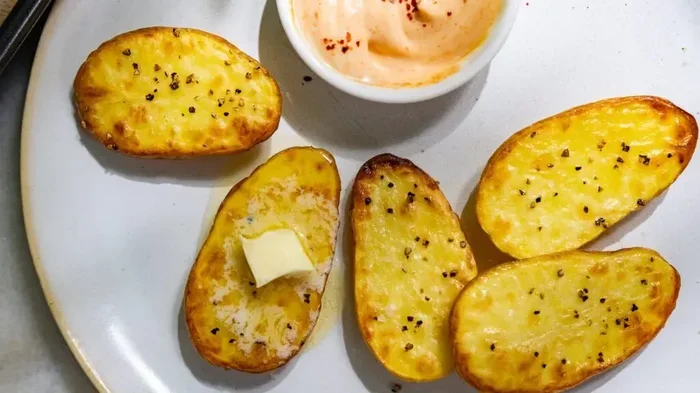
How To Bake Potatoes In The Oven At 350 For Perfect Results
Baking potatoes in the oven at 350°F is the easiest way to get crispy skin and a fluffy inside every single time. This method works for all potato types and needs almost no effort. You will learn how to prep, season, and bake them to perfection. Whether you are a beginner or a seasoned cook, this guide covers everything you need. Follow these simple steps and enjoy restaurant-quality baked potatoes at home.
There is something truly satisfying about a hot baked potato straight from the oven. The crispy golden skin gives way to a soft fluffy inside that just melts in your mouth. Whether you are making a simple side dish or building a loaded baked potato bar, how to bake potatoes in the oven at 350 is the most reliable method you can use.
This temperature works beautifully because it is hot enough to crisp up the skin but gentle enough to cook the inside evenly. No need to watch the oven constantly or stress about burning. Once you learn the basics, you can whip up perfect oven baked potatoes anytime. Let us walk through everything you need to know.
Key Takeaways
- 350°F is the ideal oven temperature: It cooks potatoes evenly without burning the outside or leaving the inside raw.
- Prep matters a lot: Washing, poking holes, and oiling the skin makes a huge difference in texture.
- Baking time varies by size: Small potatoes take about 45 minutes while large ones need 60 to 75 minutes.
- Crispy skin comes from oil and salt: A light coating of olive oil and kosher salt creates that golden crunch.
- Foil wrapping is optional: Skip it for crispier skin or use it for faster cooking and softer results.
- Check doneness with a fork: A smooth slide into the center means your potato is perfectly baked.
- Season after baking: Adding toppings while the potato is hot lets them melt and absorb beautifully.
📑 Table of Contents
- Why Baking Potatoes At 350°F Works So Well
- Choosing The Right Potatoes For Oven Baking
- Step-By-Step Guide To Baking Potatoes At 350
- Tips For Crispy Skin And Fluffy Insides
- Common Mistakes To Avoid When Baking Potatoes
- Serving Ideas And Flavor Variations
- Expert Insights On Perfect Oven Baked Potatoes
- Key Takeaways
- Frequently Asked Questions
- Conclusion
Why Baking Potatoes At 350°F Works So Well
The Science Behind The Temperature
When you bake potatoes at 350 degrees, the heat surrounds the potato evenly on all sides. This slow and steady cooking process breaks down the starches inside the potato. As the starches gelatinize, the inside becomes light and fluffy. At the same time, the skin dries out and crisps up into a delicious crunch.
If you set the oven too hot, the outside burns before the inside cooks. Too low and the potato takes forever and turns out hard. 350°F hits the sweet spot for even cooking and great texture. It is the go-to temperature for home cooks and professional chefs alike.
How Long Does It Take?
Baking time depends mainly on the size of your potato. Here is a general guide to help you plan:
- Small potatoes (under 5 oz): 35 to 45 minutes
- Medium potatoes (5 to 8 oz): 45 to 55 minutes
- Large potatoes (over 8 oz): 55 to 75 minutes
- Extra large or multiple potatoes: 60 to 80 minutes
These times assume you are baking at 350°F. Always check for doneness by inserting a fork or knife. It should slide in with zero resistance. That is your sign the baked potato is ready.
Choosing The Right Potatoes For Oven Baking
Best Potato Varieties
Not all potatoes are created equal when it comes to baking. The best choice is the russet potato. These have a thick brown skin and a high starch content that turns fluffy when baked. They are the classic choice for a reason.
Here are some other great options for oven baked potatoes:
- Yukon Gold: Slightly waxy with a buttery flavor. The inside is creamy rather than fluffy.
- Kennebec: A medium-starch potato that holds its shape well.
- Purple Majesty: A fun option with a nutty flavor and vibrant color.
- Red potatoes: Best for salads and roasting, but they can work for baking too.
Size And Shape Matter
Pick potatoes that are roughly the same size if you are baking a batch. This ensures they all cook at the same rate. Avoid potatoes with deep eyes, green spots, or soft spots. Those are signs of age or damage. Choose firm potatoes with smooth skin for the best results.
Pro tip: Wash your potatoes well and dry them completely before baking. Moisture on the surface can create steam, which prevents crispy skin. This small step makes a big difference in your potato prep.
Step-By-Step Guide To Baking Potatoes At 350
Step One: Preheat Your Oven
Start by preheating your oven to 350°F. Give it at least 15 to 20 minutes to reach the right temperature. A fully heated oven is essential for even cooking. If you put potatoes in a cold oven, they will cook unevenly and take much longer.
While the oven heats up, get your potatoes ready. This is the perfect time to prep everything so the process flows smoothly.
Step Two: Wash And Dry The Potatoes
Rinse each potato under cool running water. Use a vegetable brush to scrub off any dirt. Potatoes grow in the ground, so there can be quite a bit of soil to remove.
Once clean, dry them thoroughly with a clean towel. This step is often overlooked but it is crucial. Dry skin bakes up crispy while damp skin turns out soggy. Take the extra minute to pat them dry.
Step Three: Poke Holes In The Skin
Use a fork to poke several holes in each potato. This allows steam to escape during baking. Without these holes, the potato can burst open in the oven. Trust me, that is a mess you want to avoid.
Poke about four to five holes on each side. The holes do not need to be deep. Just enough to let the steam release as the potato cooks. This is a simple step that separates good bakers from great ones.
Step Four: Oil And Season The Skin
Lightly rub each potato with olive oil or vegetable oil. You do not need a lot. Just enough to coat the surface thinly. The oil helps the skin crisp up and also helps the salt stick.
After oiling, sprinkle kosher salt generously over the entire surface. The salt seasons the skin from the outside in as it bakes. Some people also add a little garlic powder or paprika at this stage for extra flavor.
Quick tip: Place the oiled potatoes on a baking sheet lined with parchment paper. This makes cleanup a breeze and prevents sticking.
Step Five: Bake And Wait
Place the potatoes directly on the oven rack or on a baking sheet. If you put them on a baking sheet, they will catch any drips and keep your oven clean. Bake for 45 to 75 minutes depending on the size of your potatoes.
Here is a helpful trick: do not wrap them in foil if you want crispy skin. Foil traps moisture and steams the skin instead of crisping it. However, if you prefer soft skin and faster cooking, foil wrapping works well too. It is all about your personal preference.
At the 45-minute mark, gently squeeze the sides of the potato. If it gives slightly and feels soft, it is close to done. If it still feels hard, keep baking. Use an instant-read thermometer for precision. The internal temperature should reach 210°F for a perfectly baked potato.
Step Six: Rest And Serve
Once baked, remove the potatoes from the oven and let them rest for five minutes. This allows the inside to settle and makes them easier to handle. Use a knife or fork to slit the top of each potato lengthwise.
Press the ends of the potato inward to open it up. Fluff the inside with a fork. Now you are ready to add your favorite toppings. The hot potato will absorb butter, sour cream, cheese, and everything else beautifully.
Tips For Crispy Skin And Fluffy Insides
Get The Skin Extra Crispy
If you love crispy potato skin like I do, there are a few extra steps you can take. First, make sure you oil the skin generously but not excessively. A thin even coat works best. Second, place the potatoes directly on the oven rack rather than on a baking sheet. This allows hot air to circulate around the entire surface.
You can also bump up the temperature to 400°F for the last 10 minutes of baking. This gives the skin an extra crunch without overcooking the inside. Just keep an eye on them during that final stretch.
Ensure The Inside Is Fluffy
The key to a fluffy inside is patience. Do not rush the process by turning up the heat. Low and slow at 350°F is the way to go. Also, make sure you are using the right type of potato. Russet potatoes have the highest starch content and produce the fluffiest results.
Another trick is to let the baked potatoes rest for a few minutes after taking them out of the oven. This helps the moisture redistribute evenly throughout the potato. The result is a consistent fluffy texture from edge to center.
Common Seasoning Combinations
Plain salted baked potatoes are delicious on their own. But you can take them to the next level with these seasoning ideas:
- Classic: Butter, sour cream, chives, and salt
- Cheesy: Shredded cheddar, bacon bits, and jalapenos
- Mediterranean: Olive oil, rosemary, garlic, and feta cheese
- Spicy: Paprika, cumin, chili flakes, and a squeeze of lime
- BBQ: Pulled pork, coleslaw, and barbecue sauce
Common Mistakes To Avoid When Baking Potatoes
Skipping The Poke Test
One of the biggest mistakes people make is not poking holes in the potato. Steam builds up inside the potato as it bakes. Without an escape route, the pressure has nowhere to go. The potato can explode in your oven. This creates a terrible mess and wastes your food. Always poke holes with a fork before baking.
Using The Wrong Potato Type
Waxy potatoes like red or fingerling types do not bake as well as russets. They hold too much moisture and have a denser texture. If you want fluffy baked potatoes, stick with russet potatoes. They are specifically bred for baking because their high starch content breaks down into that perfect fluffy texture.
Wrapping In Foil Without Thinking
Foil wrapping is not necessarily bad, but many people use it out of habit without knowing the trade-offs. Foil traps moisture and creates a steaming effect. This softens the skin and prevents it from crisping up. If you love crispy skin, skip the foil entirely. Your oven baked potatoes will thank you.
Not Drying The Potatoes After Washing
Water on the potato surface creates steam during baking. This steam softens the skin and prevents it from becoming crispy. Always dry your potatoes thoroughly after washing. A quick pat with a towel does the job. This small extra step elevates the final result significantly.
Cutting Too Early
It can be tempting to cut open a baked potato the moment you take it out of the oven. Resist that urge. Cutting too early releases steam and moisture that the inside has been absorbing. Let the potato rest for five minutes first. The inside will stay fluffier and the toppings will melt better when added to a slightly rested potato.
Serving Ideas And Flavor Variations
Loaded Baked Potatoes
Loaded baked potatoes are a crowd favorite for a reason. Split the hot potato open and fluff the inside with a fork. Add a pat of butter and let it melt into the fluffy flesh. Then add a dollop of sour cream, shredded cheese, and crispy bacon bits. Top it off with sliced green onions and a dash of black pepper.
This is the kind of dish that feels indulgent but is actually quite simple to make. Once you master how to bake potatoes in the oven at 350, you can experiment with all kinds of loaded combinations. The base is always the same perfectly baked potato.
Baked Potato Bar For Groups
If you are hosting a dinner party or family gathering, a baked potato bar is a fantastic option. Bake a large batch of potatoes at 350°F and set out all the toppings. Let everyone build their own creation. It is interactive, fun, and accommodates all kinds of dietary preferences.
Set out bowls of butter, sour cream, cheese, broccoli, chili, beans, and herbs. The options are endless. People love having choices, and a baked potato bar makes meal prep easy for you too.
Meal Prep Friendly
Baked potatoes are excellent for meal prep. You can bake a batch on Sunday and refrigerate them for the week. To reheat, microwave for two to three minutes or bake again at 350°F for about 15 minutes. They work great in meal prep lunches and dinners. Just add fresh toppings when reheating for the best flavor.
Expert Insights On Perfect Oven Baked Potatoes
Why Chefs Recommend 350°F
Professional chefs consistently recommend 350°F for baking potatoes. The reason is simple. This temperature provides a long enough cooking window for the starches to fully break down inside the potato. The result is a creamy, fluffy texture that you cannot achieve at higher temperatures.
Chef Thomas Keller once noted that low and slow cooking is the secret to perfect baked potatoes. The gentle heat allows moisture to evaporate slowly from the skin, creating that sought-after crispy exterior. Meanwhile, the inside stays moist and tender. This balance is what separates a mediocre baked potato from an exceptional one.
The Role Of Salt In Baked Potatoes
Salt does more than just add flavor to baked potatoes. When you coat the skin with oil and salt before baking, the salt draws out moisture from the surface. This moisture evaporates during baking, which contributes to a drier, crispier skin. The salt also seasons the skin from the outside, creating a flavorful crust that complements the mild potato inside.
Use kosher salt for the best results. It has larger crystals than table salt, which creates a more even coating and better texture. Avoid iodized table salt as it can leave a slightly bitter taste on the skin.
Can You Bake Multiple Potatoes At Once?
Yes, you can absolutely bake multiple potatoes at the same time. The key is to leave space between them on the baking sheet or oven rack. This allows hot air to circulate around each potato evenly. If you crowd them too close together, they will steam instead of bake.
For best results, bake no more than four to six potatoes at a time on a single sheet. If you need to bake more, use multiple baking sheets and rotate them halfway through cooking. This ensures every potato gets the same level of heat exposure.
Key Takeaways
- 350°F is the ideal oven temperature: It cooks potatoes evenly without burning the outside or leaving the inside raw.
- Prep matters a lot: Washing, poking holes, and oiling the skin makes a huge difference in texture.
- Baking time varies by size: Small potatoes take about 45 minutes while large ones need 60 to 75 minutes.
- Crispy skin comes from oil and salt: A light coating of olive oil and kosher salt creates that golden crunch.
- Foil wrapping is optional: Skip it for crispier skin or use it for faster cooking and softer results.
- Check doneness with a fork: A smooth slide into the center means your potato is perfectly baked.
- Season after baking: Adding toppings while the potato is hot lets them melt and absorb beautifully.
Frequently Asked Questions
Can I bake potatoes at 350°F without oil?
Yes, you can bake potatoes without oil, but the skin will not be as crispy. Oil helps conduct heat evenly across the skin surface and promotes browning and crunch. If you skip the oil, you can still get edible results, but the texture will be softer and less flavorful. A light coating of oil makes a noticeable difference.
How do I know when a baked potato is done?
The easiest way to check is by inserting a fork or knife into the center. It should slide in smoothly with no resistance. You can also gently squeeze the sides of the potato. A done potato will feel soft and give slightly. For precision, use an instant-read thermometer. The internal temperature should read 210°F when fully baked.
Should I wrap potatoes in foil when baking at 350°F?
Foil wrapping is a personal preference. Foil traps moisture and cooks the potato faster, but it also steams the skin, preventing it from crisping up. If you want crispy skin, skip the foil and place potatoes directly on the oven rack. If you prefer softer skin and faster cooking, wrap them in foil. Both methods produce delicious results.
Can I bake small potatoes at 350°F?
Absolutely. Small potatoes work great at 350°F and typically need less baking time. Baby potatoes or fingerlings may only take 35 to 45 minutes. Check for doneness by piercing them with a fork. The smaller the potato, the faster it will cook. Just make sure the inside is fully soft before removing them from the oven.
What is the best way to reheat leftover baked potatoes?
The best method is to reheat them in the oven at 350°F for about 15 minutes. This helps restore the crispy skin. You can also microwave them for two to three minutes, but the skin will lose its crunch. For the best results, always reheat in the oven. Wrap the potato loosely in foil if you want to keep the inside moist while reheating.
Can I add toppings before baking the potatoes?
It is best to add toppings after baking. Butter, sour cream, cheese, and other toppings heat up much better when placed on a hot baked potato. If you add them before baking, the toppings can burn or become greasy. The potato itself needs the full baking time to develop the right texture. Always bake plain first, then top and enjoy.
Conclusion
How to bake potatoes in the oven at 350 is one of the simplest yet most rewarding cooking skills you can learn. The method is forgiving, requires minimal ingredients, and delivers consistent results every time. A perfectly baked potato with crispy skin and fluffy insides is a comfort food that never gets old.
Remember to choose the right potatoes, prep them well, and give them enough time in the oven. Avoid common mistakes like skipping the poke holes or using the wrong potato type. With these tips and tricks, you will be making perfect oven baked potatoes that rival any restaurant version.
Now that you know the full process, it is time to put it into practice. Preheat your oven, grab some russet potatoes, and get baking. Once you taste the difference that proper technique makes, you will never go back to rushing the process. Enjoy your perfectly baked potatoes and all the delicious toppings you can dream up.