How Often Are You Supposed To Clean Your Oven Regularly
You should deep clean your oven every 3 to 6 months for regular home use, but quick wipes after each use keep it fresh. A consistent cleaning schedule prevents grease buildup, odors, and even fire risks, so you’ll know exactly how often are you supposed to clean your oven to keep it running safely.
You use your oven almost every day. It bakes your favorite meals and roasts Sunday dinner. But how often are you supposed to clean your oven? Many people forget this simple task until smoke fills the kitchen. A dirty oven doesn’t just look bad. It can affect cooking performance and even become a fire hazard.
Grease and food splatters build up over time. They create stubborn stains and unpleasant odors. Regular cleaning keeps your appliance running smoothly. It also extends the life of your oven. In this guide, I’ll walk you through the ideal cleaning frequency and easy methods. You’ll learn how to keep your oven spotless without spending hours scrubbing.
So, let’s dive into the cleaning schedule that works for every home.
Key Takeaways
- Deep clean every 3–6 months: Regular use requires a thorough scrub to remove baked-on grease and keep your oven performing well.
- Wipe spills immediately: Quick attention after cooking prevents stubborn stains and bad odors from setting in.
- Use the self-cleaning cycle wisely: It works great but should not replace manual cleaning of racks and door seals.
- Clean oven racks separately: Soaking them in the sink removes food residue and restores shine.
- Natural cleaners work well: Baking soda and vinegar are safe, affordable alternatives to harsh chemicals.
- Watch for warning signs: Smoke, lingering smells, or visible grime mean it’s time to clean, regardless of the schedule.
📑 Table of Contents
Why Oven Cleaning Frequency Matters
The Hidden Dangers of a Dirty Oven
Grease buildup inside your oven can lead to smoke and even grease fires. When food spills carbonize, they create a fire risk. The heating element can ignite these deposits. A dirty oven also releases unpleasant odors into your kitchen. These smells can linger in your home for days. Regular oven maintenance prevents these hazards. It keeps your kitchen air clean and safe.
Carbon buildup from repeated cooking is a real concern. It coats the interior walls and door glass. Over time, this layer becomes thick and hard to remove. It also reduces the efficiency of your oven. You may notice that food takes longer to cook. That means your oven is working harder than it should. This extra strain can lead to higher energy bills. Keeping up with appliance care saves money in the long run.
Many homeowners don’t realize that a grimy oven can affect indoor air quality. As grease burns, it releases tiny particles into the air. These particles can irritate lungs and trigger allergies. If you have young children or pets, this is especially important. A clean oven supports a healthier kitchen environment. That’s why oven cleaning frequency should be a priority for every household.
How Grime Affects Cooking Performance
A layer of baked-on grease acts like insulation. It blocks heat from circulating properly. This means your food cooks unevenly. You might notice hot spots or undercooked areas. Cleaning the oven interior restores even heat distribution. Your meals will taste better and cook faster. Consistent appliance care makes a big difference.
Have you ever noticed smoke coming from your oven while baking? That’s often caused by food residue burning. The smoke can set off your smoke alarm. It can also leave a greasy film on your kitchen cabinets. A clean oven heats more efficiently. It also prevents cross-contamination of flavors. If you bake a sweet cake after roasting savory meat, leftover grease can affect the taste. Regular oven cleaning keeps flavors pure and your cooking results consistent.
How Often Are You Supposed To Clean Your Oven?
Cleaning Schedules for Different Oven Types
The answer to how often are you supposed to clean your oven depends on how much you use it. For a family that cooks daily, a deep clean every 3 months is ideal. Casual bakers can stretch to every 6 months. Gas ovens often need more frequent attention. They produce more soot and carbon buildup. Electric ovens tend to stay cleaner longer. But all ovens benefit from a regular cleaning schedule.
Here’s a simple comparison table to guide you.
| Oven Type | Deep Clean Frequency | Light Cleaning Frequency | Special Notes |
|---|---|---|---|
| Gas Oven | Every 2–3 months | Weekly wipe-down | More soot; check burner caps |
| Electric Oven | Every 4–6 months | Every 2 weeks | Less soot; easier interior cleaning |
| Self-Cleaning Oven | Every 6 months | Monthly wipe | Use self-clean cycle sparingly |
| Convection Oven | Every 3 months | Weekly | Fan can blow grease around |
This table gives you a clear starting point. Adjust based on your cooking habits. If you bake often, clean more frequently. The goal is to prevent baked-on grease from hardening. A consistent cleaning schedule keeps your oven running at peak performance.
Light Cleaning vs. Deep Cleaning
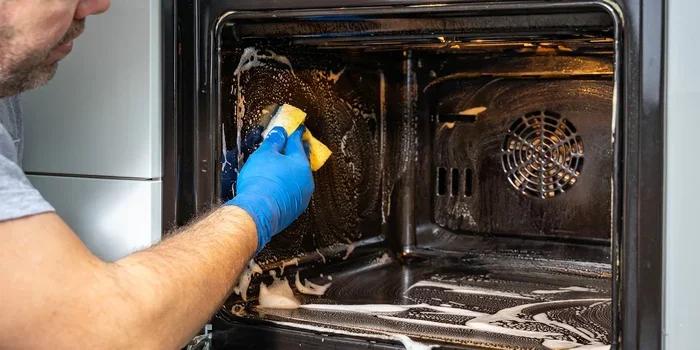
Light cleaning means wiping the oven interior after each use. Use a damp cloth to remove fresh spills. Deep cleaning involves scrubbing racks, walls, and the door. You’ll remove baked-on grease and carbon stains. A deep clean should happen quarterly. Light cleaning is part of daily kitchen hygiene. Together, they keep your oven in top shape.
Think of it like brushing your teeth. Light cleaning is your daily brush. Deep cleaning is the floss and mouthwash. You can’t skip either. A quick 5-minute wipe after a roast can save you an hour of scrubbing later. The food spills easiest to remove when the oven is still warm. Just be careful not to burn yourself. Making light cleaning a habit reduces the need for intense deep cleans.
The Self-Cleaning Oven: Pros and Cons
When to Use the Self-Clean Cycle
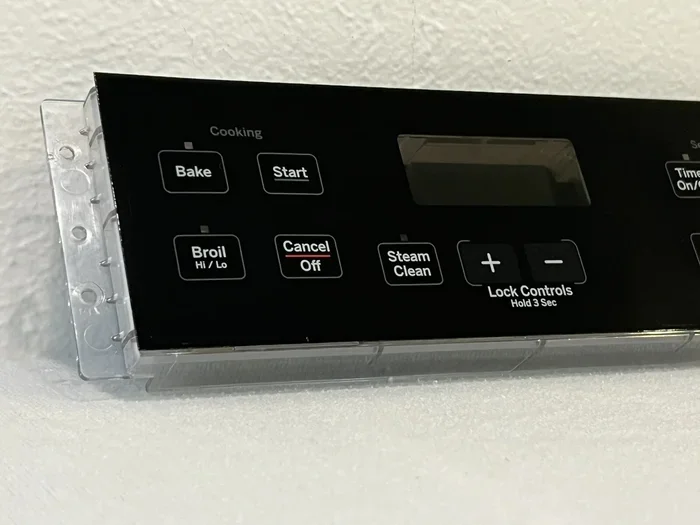
Many modern ovens have a self-cleaning feature. This cycle heats the oven to extreme temperatures. It burns off food residue and grease. You can use it every 6 months. It’s a great time-saver. But it’s not a replacement for manual cleaning. The self-clean cycle works best on light to moderate grime. For heavy buildup, you still need a scrub.
The self-clean cycle can produce a lot of smoke. That’s normal. The oven locks itself during the cycle for safety. You should run it when you can ventilate the kitchen. Open windows and turn on the exhaust fan. Never use oven cleaner spray during the self-clean cycle. It can damage the appliance. Always follow the manufacturer’s instructions for oven maintenance. The self-clean cycle is a powerful tool, but it must be used correctly.
What the Self-Clean Cycle Can’t Do
The self-clean cycle can’t clean the oven racks. Racks should be removed and soaked separately. The door seal also needs manual attention. Grease often hides in these crevices. The oven cleaner spray works well for stubborn spots. Never use commercial oven cleaner during the self-clean cycle. It can damage the appliance. Always follow the manufacturer’s instructions for oven maintenance.
The oven door glass is another area that needs care. The self-clean cycle can leave a chalky residue on the glass. You’ll need to wipe it down after the cycle. Use a damp cloth and a little baking soda. This keeps the door looking clear. Regular appliance care includes checking the door seal for tears. A damaged seal lets heat escape, which wastes energy. The self-clean cycle handles the interior walls, but the details require your hands-on care.
Quick Cleaning Methods for Busy Cooks
The Baking Soda Paste Trick
Baking soda is a gentle, effective cleaner. Mix it with water to form a paste. Spread the paste on the oven interior. Let it sit overnight. The next day, wipe it away with a damp cloth. This method lifts baked-on grease without harsh chemicals. It’s perfect for regular oven cleaning. You can use it monthly to keep grime at bay.
For extra cleaning power, add a few drops of vinegar to the baking soda paste. The fizzing action helps loosen stubborn stains. This natural oven cleaner is safe for your family and pets. It’s also much cheaper than store-bought sprays. You can make a big batch and store it in a jar. Use it for cleaning the oven interior, racks, and even the sink. It’s a staple of simple kitchen hygiene.
Vinegar and Water Solution
White vinegar cuts through grease and removes odors. Mix equal parts vinegar and water in a spray bottle. Spray the oven interior and let it sit for 15 minutes. Wipe clean with a soft cloth. The acid in vinegar breaks down food spills. It’s a safe, natural option for kitchen hygiene. This quick method works well between deep cleans.
You can also heat a bowl of vinegar in the oven. Set it to 200°F for 30 minutes. The steam loosens grime and deodorizes the interior. This is a great trick for removing oven odor. Afterward, wipe everything down. It’s a simple way to refresh your oven without any scrubbing. This method is especially helpful for light cleaning routines.
Common Cleaning Mistakes to Avoid
One common mistake is using abrasive scrubbers. Steel wool can scratch the oven interior. Scratches create places for grease to hide. Another mistake is ignoring the oven door seal. Food debris accumulates there and affects the seal’s tightness. Never use oven cleaner on the heating element. The chemicals can damage it. Also, avoid cleaning your oven right after a self-clean cycle while it’s still hot. Let it cool completely first. These small errors can lead to costly repairs and reduced appliance care.
Signs Your Oven Needs Immediate Cleaning
Lingering Odors and Smoke
If your oven smells like burnt food, don’t ignore it. Lingering odors mean grease is burning. Smoke can trigger your smoke alarm. It’s a clear sign that cleaning is overdue. A well-maintained oven should not produce smoke during normal use. Address odors right away to keep your kitchen fresh.
A foul smell when you first turn on the oven is a red flag. It could indicate old food particles on the heating element. These particles burn and release an acrid odor. If you notice this, clean the oven immediately. Ignoring it can lead to a grease fire. Regular oven maintenance helps you catch these issues early. Don’t wait for the smoke alarm to go off. Take action at the first sign of an unusual smell.
Visible Grease and Stains
Look at the oven door and walls. If you see dark, greasy films, it’s time to act. Visible stains affect the oven’s appearance. They also affect performance. The oven door seal can trap grime. Clean the seal with a damp cloth. Regularly checking for visible grease helps you stay ahead. It’s a simple part of appliance care.
Black spots on the oven floor are another warning sign. These are carbon deposits from food spills. They can become flammable if they build up thick. Use a nylon scrubber to remove them gently. A soft brush works well for the heating element area. Keep your oven interior looking clean and safe. A quick visual check once a week can prevent major buildup.
Expert Tips to Keep Your Oven Sparkling Between Cleanings
Clean Up As You Go
The best way to reduce deep cleaning is to clean as you cook. If food bubbles over, wipe it immediately. Use a damp cloth while the oven is still warm. This prevents food from hardening into baked-on grease. A few minutes of effort saves hours later. It’s a habit that improves kitchen hygiene.
Keep a small spray bottle of vinegar and water in the kitchen. After cooking, give the oven interior a quick mist and wipe. This takes less than a minute. It removes surface grease before it has a chance to stick. Over time, this habit dramatically reduces the need for deep cleans. It’s the easiest form of regular oven maintenance. Small actions add up to a big difference.
Use Oven Liners and Racks
Oven liners catch drips and spills. They protect the oven floor from food residue. You can wash liners easily after each use. Removable oven racks should be cleaned separately. Soak them in hot, soapy water. A scrub brush removes stubborn spots. Clean racks improve air circulation inside the oven. This simple step boosts oven performance.
Consider using a silicone oven liner. It’s reusable and heat-resistant. Place it on the bottom rack before cooking. After the meal, just lift it out and rinse it. No more scrubbing the oven floor. Liners are a game-changer for busy families. They are a small investment that pays off in appliance care. You’ll spend less time on deep cleans and more time enjoying meals.
Quick Tips for a Spotless Oven
- Wipe the oven door glass after every use to prevent grease film buildup.
- Place a baking sheet under dishes that tend to bubble over.
- Run the self-clean cycle once every 6 months, but only after removing racks.
- Store your oven cleaner in a cool, dry place away from children.
- Check the oven light regularly; a burnt-out bulb makes it harder to spot spills.
- Clean the oven racks in the bathtub with a soaking solution for deep grime removal.
These quick tips take minimal effort. They keep your oven looking great and working efficiently. A little prevention goes a long way. Make them part of your routine and you’ll always be ready for a spontaneous baking session.
What the Pros Say
Professional chefs clean their ovens after every heavy use. They know that baked-on grease affects flavor and safety. Home cooks can adopt the same mindset. A little consistency makes a big difference. Experts recommend a 15-minute cleaning session after any large meal. This prevents the need for harsh scrubbing later. It’s all about building a simple routine that fits your lifestyle.
Many top chefs also suggest keeping a log of cleaning dates. It sounds old-fashioned, but it works. You’ll always know when the last deep clean happened. This removes the guesswork from your oven maintenance. It’s a simple habit that ensures you never fall behind on cleaning frequency. A clean oven is a happy oven.
Conclusion
Keeping your oven clean is simpler than you think. A regular cleaning schedule protects your home and improves cooking results. You now know how often are you supposed to clean your oven and the best methods to use. Stick to the light cleaning habits and schedule deep cleans every few months. Your oven will stay fresh, safe, and efficient for years to come. Start today and feel the difference.
Frequently Asked Questions
How often should I clean my oven if I cook daily?
If you cook every day, aim for a deep clean every 3 months. Wipe the interior with a damp cloth after each use. This prevents grease from building up into baked-on stains. Regular light cleaning makes the deep clean much easier.
Can I use oven cleaner on all oven types?
Most commercial oven cleaners are safe for standard electric and gas ovens. However, never use them on a self-cleaning oven during the cycle. Always check the manufacturer’s manual first. Natural alternatives like baking soda work well for all types.
Is it safe to use the self-cleaning feature every month?
No, running the self-clean cycle too often can wear out the oven’s heating elements. It’s designed for occasional use, about every 6 months. Between cycles, rely on manual light cleaning to keep things tidy. Overusing it can shorten the appliance’s lifespan.
What’s the best way to clean oven racks?
Remove the racks and soak them in hot, soapy water for 30 minutes. Use a scrub brush to remove food residue. For tough stains, sprinkle baking soda and let it sit overnight. Rinse thoroughly and dry completely before replacing them.
How do I remove baked-on grease from the oven door?
Make a paste of baking soda and water. Apply it to the greasy areas and let it sit for 15 minutes. Wipe with a damp cloth. For the glass, a mix of vinegar and water cuts through the film. Avoid abrasive pads that can scratch the surface.
Can I clean my oven with just baking soda and vinegar?
Yes, baking soda and vinegar are excellent natural cleaners. The baking soda lifts grease while the vinegar cuts through grime and removes odors. This combination is safe, affordable, and works well for regular oven maintenance. It’s a great alternative to harsh chemical sprays.