Can You Gas Oven When Electrocy Outtage Actually Happens
Yes, you can use a gas oven when the power goes out, but it depends on your oven type and ignition system. Modern gas ovens need electricity for the igniter and controls, while older models with manual pilots work fine. This guide covers exactly how gas ovens function during a blackout, what safety steps to follow, and simple tips to keep cooking even when the grid is down.
Have you ever been in the middle of making dinner when the lights go out? It happens to all of us. One moment you are chopping vegetables, and the next thing you know, your kitchen is dark and quiet. The first thing most people think about is their oven. Can you still use a gas oven when the power goes out? The short answer is yes, but with some important caveats. Let us walk through exactly what happens, what you can do, and how to stay safe.
Power outages are more common than most people realize. Storms, accidents, grid failures, and even animals on power lines can knock out electricity for hours or days. When that happens, your kitchen becomes a challenge. Electric ovens stop working completely. But gas ovens are a different story. They use natural gas or propane to create flames. So in theory, they should still work, right? Well, it depends on the type of gas oven you have, its age, and its ignition system.
This article breaks it all down. You will learn how gas ovens work during a power outage, which types of ovens need electricity, and what simple tricks can help you cook when the grid is down. We will also cover safety tips, backup cooking options, and common mistakes people make during blackouts. By the end, you will feel confident about using your gas oven even when the lights are off.
Key Takeaways
- Older gas ovens with standing pilots work without electricity: These models ignite gas on their own and need no power at all.
- Modern gas ovens rely on electric igniters and control boards: A total power outage means your electronic ignition won’t spark, but you can still use the stovetop burners.
- Manual ignition is a simple workaround: A long match or lighter can light gas burners and oven surfaces in many models during an outage.
- Safety is critical during outages: Always check for gas leaks, ventilate your kitchen, and never leave an open flame unattended.
- Backup cooking options exist: Camp stoves, outdoor grills, and portable gas burners give you reliable alternatives when the power is out.
- Preparation makes all the difference: Keeping matches, a flashlight, and a backup cooking plan ready helps you handle any kitchen blackout with confidence.
📑 Table of Contents
- How Gas Ovens Work During a Power Outage
- Can You Light a Gas Oven Manually During an Outage?
- What About the Gas Stove Burners?
- Safety Precautions When Cooking During a Power Outage
- Backup Cooking Options When the Power Is Out
- Common Mistakes People Make During Power Outages
- Expert Insights on Cooking Without Power
- Key Takeaways
- Conclusion
How Gas Ovens Work During a Power Outage
To understand whether your gas oven works without power, you need to know how it operates. Gas ovens have two main parts that might need electricity. The first is the igniter. The second is the control board. Older ovens are different from newer ones. Let us look at both types closely.
Older Gas Ovens with Standing Pilots
Many gas ovens made before the 1990s use a standing pilot light. This is a small, continuous flame that sits inside the oven. It never goes out. Because it does not need electricity to stay lit, these ovens work perfectly fine during a power outage. You can bake, roast, and broil without any problems. If you have an older kitchen or a vintage stove, you are in luck. Your gas oven will keep running even when the whole neighborhood is dark.
Standing pilot ovens are simple machines. They use a thermocouple to detect whether the pilot light is on. If the flame goes out, the gas valve closes automatically. This is a built-in safety feature. It prevents gas from leaking into your kitchen. So these old-school ovens are both reliable and safe during blackouts.
Modern Gas Ovens with Electric Igniters
Most gas ovens sold today use an electric igniter instead of a standing pilot. When you turn the oven on, the igniter glows hot and opens the gas valve. Flame then comes out and heats your food. This system is efficient and safe. But it needs electricity to work. If the power is out, the igniter cannot glow, and the gas valve stays closed. In this case, your gas oven will not turn on.
However, this does not mean you cannot cook at all. Your gas stovetop burners usually work during an outage. They use a separate ignition system or can be lit with a match. We will cover that in more detail below. The key takeaway is that modern gas ovens need some power, but your cooktop may still function.
Can You Light a Gas Oven Manually During an Outage?
This is one of the most common questions people ask. The answer is often yes, but it depends on your oven model. Some gas ovens have a manual ignition option. This means you can use a long match or a lighter to ignite the gas directly. Here is how it works.
Steps to Manually Light Your Gas Oven
- Turn the oven knob to the lowest setting. This releases a small amount of gas into the oven cavity.
- Wait a few seconds. Let the gas build up slightly inside the oven.
- Use a long match or extended lighter. Carefully bring the flame close to the center of the oven floor or the burner plate.
- The gas should ignite. You will see a flame appear inside the oven.
- Adjust the temperature knob to your desired setting. Monitor the flame and keep the oven door slightly ajar at first to ensure proper airflow.
This method works on many older and some newer models. Always check your owner’s manual first. Some modern ovens have safety features that prevent manual lighting. If your oven has an electronic control board that is completely dead, manual ignition may not be possible.
Quick Tips for Manual Ignition
- Keep long matches or a fireplace lighter handy. Standard matches may not be long enough to reach inside the oven safely.
- Never use a short lighter or your fingers. You risk burns and gas exposure.
- Ventilate your kitchen. Open a window or turn on a range hood if it has a battery backup.
- Do not panic if the gas does not light right away. Wait a few moments for the gas to clear before trying again.
What About the Gas Stove Burners?
Here is some good news. Most gas stovetop burners do not need electricity to work. Even during a complete power outage, you can light your gas burners with a match or lighter. This gives you a way to boil water, sauté vegetables, and simmer soups when the power is out.
Some modern gas stoves have electronic ignition buttons for the stovetop. These buttons do need a small amount of battery power or electricity. But almost all gas stoves have a manual ignition option. You can simply hold a lit match near the burner port and turn the knob. The gas will ignite immediately.
This makes gas stoves incredibly useful during emergencies. Whether it is a storm, a grid failure, or a planned power shutoff, you can still prepare hot meals. Many families rely on their gas stovetop as their primary backup cooking method. It is simple, reliable, and does not require any special equipment.
Safety Precautions When Cooking During a Power Outage
Cooking during a blackout comes with some risks. Gas flames, limited visibility, and unfamiliar conditions can create hazards. Safety must always come first. Here are the most important precautions to follow.
Check for Gas Leaks
Before you light any gas appliance, make sure there is no gas leak. Smell around your stove and oven area. Natural gas has a distinct rotten egg odor added to it for safety. If you smell gas, do not light anything. Open windows, leave the room, and call your gas company or emergency services immediately.
Ventilate Your Kitchen
Gas ovens produce carbon monoxide when they burn. In a well-ventilated kitchen, this is not a problem. But during a power outage, you might keep windows and doors closed to stay warm. This can trap carbon monoxide indoors. Always open a window or door when using your gas oven for extended periods. Better yet, use your oven for short cooking tasks and keep air flowing.
Never Leave an Open Flame Unattended
This sounds obvious, but it is easy to forget when you are dealing with a stressful situation like a power outage. Keep a close eye on any gas flame. Whether it is your oven, stovetop, or a backup camp stove, never walk away from an open flame. Set a timer on your phone if you need to remind yourself.
Keep a Fire Extinguisher Nearby
Every kitchen should have a fire extinguisher. This is even more important during a power outage when your electric smoke detectors may not work. Keep a Class B or Class K fire extinguisher within easy reach of your stove. Make sure everyone in your household knows where it is and how to use it.
Use Battery-Powered Lights, Not Candles
When you are cooking in the dark, it is tempting to light candles for visibility. This is a bad idea. Candles can easily tip over near gas flames or hot oven surfaces. Use a battery-powered flashlight or headlamp instead. Keep it clipped to your apron or placed on a stable surface near the stove.
Backup Cooking Options When the Power Is Out
If your gas oven does not work during an outage, you still have options. There are several reliable backup cooking methods that work without electricity. Here are the best ones to consider.
Portable Gas Stoves and Camp Stoves
Portable gas stoves are a fantastic backup option. They run on small propane canisters or butane cartridges. You can use them indoors in a well-ventilated area or outdoors on a patio or balcony. They heat up quickly and can boil water, cook pasta, and sauté vegetables just like a regular stove.
Look for camp stoves with adjustable flame control. This gives you more precision when cooking. Some models even have built-in wind shields, which are helpful if you are cooking outdoors. Always use camp stoves in a ventilated space and never in a closed room.
Outdoor Grills
If you have a charcoal or propane grill outside, you can use it for cooking during a power outage. Grills work great for meats, vegetables, and even pizza. The only limitation is that you cannot use them indoors. Carbon monoxide from grills is extremely dangerous in enclosed spaces. Always grill outdoors and keep your grill at a safe distance from your home.
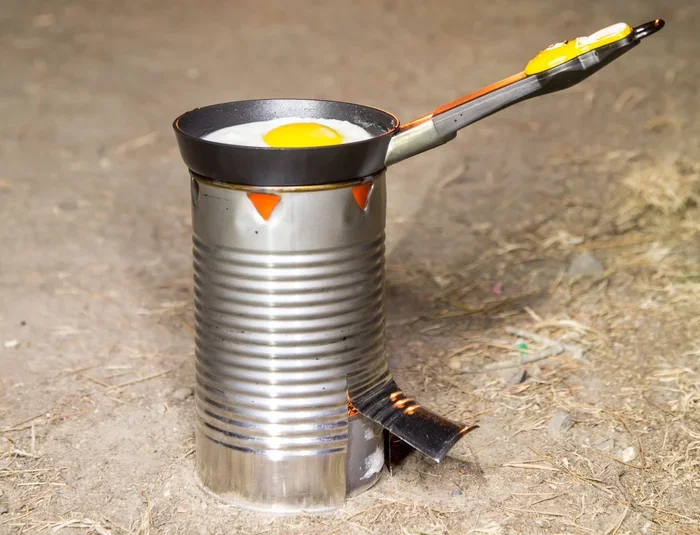
Rocket Stoves and Wood-Burning Cooktops
For longer outages, consider a rocket stove or a wood-burning cooktop. These devices burn small sticks and twigs to create heat. They are fuel-efficient and do not rely on propane or electricity. Rocket stoves are popular among preparedness enthusiasts because they use free, natural fuel. They are compact and easy to store.
Thermal Cookers and Insulated Cookers
Thermal cookers, also known as haybox cookers, use retained heat to cook food. You bring your food to a boil on a gas burner, then transfer it into an insulated container. The food continues to cook slowly without any additional fuel or power. This is an energy-efficient method that works great during extended outages.
Common Mistakes People Make During Power Outages
When the power goes out, people often make rushed decisions. Some of these mistakes can be dangerous. Here are the most common ones to avoid.
- Using a gas oven in a closed room without ventilation. This can lead to carbon monoxide buildup. Always keep air flowing.
- Ignoring the smell of gas. If you smell gas, do not try to light anything. Leave the area and call for help.
- Using the wrong fuel indoors. Charcoal grills and camp stoves designed for outdoor use only should never be used inside a home.
- Forgetting to check your oven manual. Not all gas ovens can be manually lit. Knowing your specific model prevents frustration and potential hazards.
- Leaving gas valves open when not in use. Always turn off gas burners and oven knobs after cooking. This prevents accidental gas release.
Expert Insights on Cooking Without Power
Fire safety experts and emergency preparedness professionals agree on a few key points. First, gas appliances are among the most reliable backup cooking tools available. They do not depend on batteries, solar panels, or generators. As long as your gas supply is active, you can cook.
Second, preparation is everything. Keep matches, a flashlight, and a backup cooking plan ready before an outage happens. Emergency preparedness kits should include these basics. A simple checklist can save you a lot of stress when the lights go out.
Finally, experts recommend practicing manual ignition before you actually need it. Familiarize yourself with your oven’s layout and ignition points. This small step can make a huge difference during a stressful situation.
Key Takeaways
- Older gas ovens with standing pilots work without electricity: These models ignite gas on their own and need no power at all.
- Modern gas ovens rely on electric igniters and control boards: A total power outage means your electronic ignition won’t spark, but you can still use the stovetop burners.
- Manual ignition is a simple workaround: A long match or lighter can light gas burners and oven surfaces in many models during an outage.
- Safety is critical during outages: Always check for gas leaks, ventilate your kitchen, and never leave an open flame unattended.
- Backup cooking options exist: Camp stoves, outdoor grills, and portable gas burners give you reliable alternatives when the power is out.
- Preparation makes all the difference: Keeping matches, a flashlight, and a backup cooking plan ready helps you handle any kitchen blackout with confidence.
Conclusion
So, can you use a gas oven when the power goes out? The answer is yes, but it depends on your oven type and how prepared you are. Older gas ovens with standing pilot lights work perfectly without electricity. Modern gas ovens need power for their igniters, but you can often light them manually. And your gas stovetop burners are almost always ready to go, even during a complete blackout.
The most important thing is safety. Always ventilate your kitchen, check for gas leaks, and never leave an open flame unattended. Keep backup cooking tools like camp stoves and matches ready before an outage strikes. With a little preparation, you can cook confidently even when the grid is down.
Power outages do not have to mean cold meals and unhappy families. A gas oven and stovetop give you a reliable way to keep cooking through any blackout. Stay prepared, stay safe, and keep those meals coming no matter what the weather brings.
Frequently Asked Questions
Can I use my gas oven if the power goes out during a storm?
If your gas oven has a standing pilot light, yes, it will work without any electricity. If you have a modern oven with an electric igniter, you may need to light it manually with a long match. Your gas stovetop burners should work fine regardless of the outage. Always check for gas leaks before lighting anything.
Do gas ovens need electricity to stay on?
Older gas ovens with standing pilots do not need any electricity. They use a small, continuous flame to stay lit. Modern gas ovens do need electricity for the igniter and control board. However, the gas supply itself does not depend on the electrical grid. As long as gas flows, you can ignite and use the oven manually in most cases.
Is it safe to use a gas oven for heating during a power outage?
No, you should never use a gas oven as a primary heating source. Ovens are designed for cooking, not space heating. Using an oven for heat can cause carbon monoxide buildup, especially in a closed room. This is extremely dangerous and can be fatal. Use proper heating equipment instead.
What should I do if I smell gas while trying to light my oven?
If you smell gas, do not attempt to light the oven or any burner. Open windows and doors immediately to ventilate the area. Leave the room and do not flip any light switches or use any electrical devices. Call your gas company’s emergency line or 911 from outside your home. Gas leaks require immediate professional attention.
Can I use a match to light my gas stovetop burner during a blackout?
Yes, lighting a gas stovetop burner with a match is safe and common. Simply turn the burner knob to the lowest setting, hold a lit match near the burner port, and the gas will ignite. This works on almost all gas stoves, even those with electric ignition. Always keep your hand and the match away from the flame path.
How long can I safely use my gas oven during a power outage?
You can use your gas oven for normal cooking durations during an outage. The key is to keep your kitchen ventilated by opening a window or using a range hood. Do not run your oven for extended periods in a small, closed room. Limit oven use to baking and roasting tasks, and always monitor the flame and food while cooking.