Is It Safe To Put Pizza Box In Oven in Your Kitchen
Putting a pizza box directly in the oven is generally unsafe because cardboard ignites at around 400°F. Most experts recommend transferring pizza to a baking sheet, pizza stone, or oven-safe dish before reheating. This simple step protects your kitchen and helps you enjoy crispy, delicious pizza every time.
You just got a delicious pizza delivered to your door. The box is still warm from the ride home. And you are thinking about popping the whole thing into the oven to reheat it. It seems convenient, right? But here is the thing — is it safe to put a pizza box in the oven? This is a question many people ask, and the answer might surprise you.
The short answer is no. Putting a pizza box inside a hot oven is not safe. Cardboard can catch fire, release harmful chemicals, and damage your food. But do not worry. There are plenty of easy and safe ways to reheat your pizza. In this guide, we will walk you through everything you need to know about pizza box safety, oven temperatures, and the best methods for getting that perfect crispy slice every time.
Key Takeaways
- Cardboard catches fire: Pizza boxes can ignite at temperatures around 400–450°F, which many ovens reach easily.
- Chemical coatings matter: Pizza boxes often contain wax or chemical treatments that can release harmful fumes when heated.
- Reheating works better on a tray: Using a baking sheet or pizza stone gives you crispier results and safer cooking.
- Low heat is not enough: Even at lower temperatures, placing cardboard in the oven poses a risk that is not worth taking.
- Alternatives are easy: Parchment paper, aluminum foil, or oven-safe dishes are simple and effective substitutes.
- Kitchen safety comes first: A few extra minutes of preparation can prevent a fire hazard and protect your home.
📑 Table of Contents
- Why Putting a Pizza Box in the Oven Is Risky
- At What Temperature Does a Pizza Box Catch Fire?
- Safe Alternatives for Reheating Pizza
- Can You Put a Pizza Box in the Oven at a Low Temperature?
- How to Reheat Pizza for the Best Results
- Common Mistakes People Make When Reheating Pizza
- Expert Insights on Pizza Reheating Safety
- Environmental Considerations: Recycling Pizza Boxes
- Final Thoughts: Is It Safe To Put Pizza Box In the Oven?
Why Putting a Pizza Box in the Oven Is Risky
Many people assume that because pizza boxes are made of cardboard, they can handle some heat. That is a common misconception. The truth is that cardboard has a low ignition point, and placing it inside a heated oven creates a real fire hazard. Let us break down the specific risks so you understand exactly what is at stake.
Cardboard Ignition Temperature
Cardboard begins to burn at approximately 400 to 450 degrees Fahrenheit. Most home ovens can easily reach and exceed this temperature, especially when baking or broiling. Even if you set your oven to a lower temperature, hot spots inside the oven can cause localized burning. This means your pizza box could catch fire even if the dial says a lower number.
Here is something important to remember. Cardboard does not need to be fully engulfed in flames to be dangerous. It can smolder, release smoke, and contaminate your food with a burnt, unpleasant taste. That is the last thing you want after ordering a great pizza.
Chemical Coatings and Treatments
Most pizza boxes are not just plain cardboard. They are treated with wax, grease-resistant coatings, and sometimes chemical dyes. These treatments help the box survive grease and moisture during delivery. But when you heat them, these same chemicals can break down and release harmful fumes into your kitchen.
Breathing in these fumes is not good for your health. Over time, exposure to such chemicals can cause respiratory issues. And let us be honest — no pizza is worth risking your health over. This is one of the biggest reasons why putting a pizza box in the oven is a bad idea.
Uneven Heating and Soggy Results
Beyond safety concerns, there is also the quality issue. A pizza box traps steam inside. When you put it in the oven, that steam has nowhere to go. The result is soggy, limp pizza instead of the crispy crust you are craving. The cardboard also blocks direct heat from reaching the bottom of the pizza, which means you lose that perfectly golden crust.
If you want your pizza to taste as good as it did when it arrived, you need to remove it from the box entirely. Transferring your pizza to an oven-safe surface is the best way to achieve that crispy texture.
At What Temperature Does a Pizza Box Catch Fire?
Understanding the specific temperature at which cardboard becomes dangerous helps put things in perspective. Most pizza boxes are made from recycled paperboard. This material is not designed to withstand high heat. The ignition point is around 400 degrees Fahrenheit, but smoldering can begin at even lower temperatures.
Here is a quick look at what happens at different oven settings:
- 250°F to 300°F: The cardboard will not ignite immediately, but it can begin to dry out and smoke. Chemicals in the coating may start releasing fumes.
- 350°F to 400°F: This is the danger zone. The cardboard is very close to its ignition point. Hot spots in the oven can cause localized burning.
- 400°F and above: The risk of fire is very high. The cardboard can catch fire quickly, especially if it is near heating elements or the oven walls.
Even if you set your oven to a low temperature, the risk is still present. Ovens do not heat evenly. The bottom of the oven is often much hotter than the top. A pizza box sitting on a tray can still reach dangerous temperatures. No amount of caution makes it safe to put cardboard in the oven.
Real-Life Fire Incidents Involving Pizza Boxes
Fire departments across the country report incidents every year where pizza boxes left in or near ovens cause kitchen fires. These are not rare events. They happen more often than most people realize. The U.S. Fire Administration lists cooking-related fires as the leading cause of home fires and injuries. Adding cardboard to the mix only increases the danger.
A pizza box in the oven can block airflow, trap heat, and create a perfect storm for a fire. If you are ever unsure, the safest choice is always to remove the pizza from its box before reheating.
Safe Alternatives for Reheating Pizza
Now that you know why a pizza box is a no-go, let us talk about what you should do instead. There are several safe and effective methods for reheating pizza that actually make it taste better than it did the night before. These alternatives are simple, affordable, and give you control over the result.
Using a Baking Sheet or Cookie Sheet
This is the easiest and most common method. Simply line a baking sheet with parchment paper, place your pizza slices on it, and slide the tray into the oven. Preheat to 375 degrees Fahrenheit and bake for about 8 to 10 minutes. The pizza will heat evenly, and the bottom crust will stay crispy.
Pro tip: If you want extra crispiness, place the pizza directly on the oven rack with a baking sheet on the lower rack to catch any drips. This gives you a result that is almost as good as a fresh pizza.
Using a Pizza Stone or Pizza Steel
If you are serious about pizza, a pizza stone or pizza steel is a game changer. These tools absorb moisture and conduct heat evenly, giving you a perfectly crispy crust. Preheat the stone in the oven for at least 30 minutes before adding your pizza slices.
A pizza stone is an affordable investment that lasts for years. It works better than a pizza box ever could. Your reheated pizza will taste almost as good as it did straight from the oven at the restaurant.
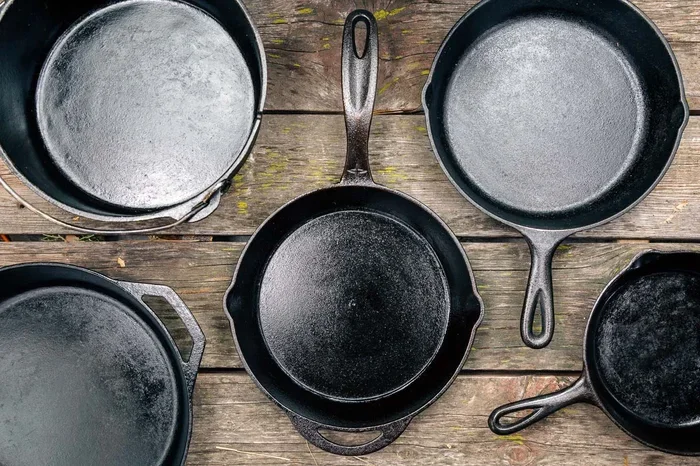
Using a Skillet on the Stovetop
Did you know you can reheat pizza on the stovetop? Place a skillet on medium heat, add a few drops of water, and cover the pizza with a lid. The steam helps melt the cheese while the skillet crisps up the bottom. This method takes only about 3 to 4 minutes and gives you amazing results.
This is a great option if you do not want to preheat the oven. It is fast, easy, and completely safe. No cardboard involved at all.
Using Aluminum Foil or Parchment Paper
If you want a quick fix, aluminum foil or parchment paper works well. Wrap the pizza loosely in foil and place it in the oven at 350 degrees Fahrenheit. The foil reflects heat and warms the pizza evenly. Just make sure you do not wrap it too tightly, or you will trap too much steam.
Parchment paper is another excellent option. It is heat-safe up to 450 degrees Fahrenheit and prevents sticking. You can place slices directly on the paper and bake as usual. Both of these options are much safer than using a pizza box.
Can You Put a Pizza Box in the Oven at a Low Temperature?
This is one of the most common questions people ask. The idea is that if you keep the oven at a very low temperature, the cardboard will not catch fire. While it is technically true that cardboard is less likely to ignite at very low temperatures, it is still not a good idea.
Here is why. Even at temperatures below 300 degrees Fahrenheit, a pizza box can still smoke, release chemicals, and affect the taste of your food. The box can also shift or slide inside the oven, potentially touching a heating element. Ovens have hot spots that can cause burning even at low settings.
The bottom line is this: there is no safe temperature at which you should put a pizza box in the oven. The risks simply outweigh any convenience. Always remove the pizza from the box before reheating, no matter what temperature you use.
Why People Still Try It
Let us be real. People put pizza boxes in the oven because it feels convenient. The box holds the pizza together, and it seems like it would save time and effort. But convenience should never come at the cost of safety. A few extra minutes of preparation can save you from a kitchen fire, ruined food, or exposure to harmful chemicals.
Next time you are tempted to put the box in the oven, remember that the few minutes it takes to transfer your pizza to a baking sheet are well worth it. Your safety and your pizza quality will thank you.
How to Reheat Pizza for the Best Results
Reheating pizza is an art. When done right, the crust stays crispy, the cheese melts perfectly, and the toppings taste fresh. When done wrong, you end up with a soggy, rubbery mess. Here are some tips to help you get the best results every time.
The Oven Method
Preheat your oven to 375 degrees Fahrenheit. Place your pizza slices on a baking sheet or parchment paper. Bake for 8 to 10 minutes until the cheese is bubbly and the crust is crispy. This method works well for leftover pizza of any type.
If you are reheating a whole pizza, use a pizza stone for the best results. The stone distributes heat evenly and helps the crust stay crispy. A little extra preparation goes a long way in making your leftover pizza taste amazing.
The Skillet Method
Heat a skillet on medium heat. Place the pizza slice in the skillet and add a few drops of water around the edges. Cover with a lid and let it cook for 3 to 4 minutes. The steam helps melt the cheese while the skillet crisps the bottom.
This method is perfect for a single slice and takes less than five minutes. It is fast, easy, and produces restaurant-quality results.
The Air Fryer Method
If you have an air fryer, you are in luck. Reheating pizza in an air fryer is one of the best methods available. Set the temperature to 350 degrees Fahrenheit and cook for 3 to 5 minutes. The circulating hot air makes the crust crispy and the cheese melts beautifully.
An air fryer is a great tool for reheating pizza. It works faster than an oven and gives you even better results. This is quickly becoming the go-to method for pizza lovers everywhere.
Common Mistakes People Make When Reheating Pizza
Even with the best intentions, people often make mistakes when reheating pizza. These mistakes can lead to soggy crust, burnt toppings, or even safety hazards. Let us look at some of the most common errors and how to avoid them.
- Leaving the pizza in the box: We have covered this extensively. Never put a pizza box in the oven. Ever.
- Using too high a temperature: Crank the heat too high and the cheese will burn while the crust stays hard. Stick to 350 to 375 degrees Fahrenheit for best results.
- Reheating too many slices at once: Overcrowding the pan traps steam and makes the crust soggy. Reheat in batches if needed.
- Skipping preheating: Putting pizza into a cold oven leads to uneven heating. Always preheat for a few minutes first.
- Using a microwave for everything: Microwaves make pizza crust rubbery and chewy. Use the oven, skillet, or air fryer instead for better texture.
Avoiding these simple mistakes will help you enjoy better reheated pizza every single time. A little knowledge goes a long way in the kitchen.
Expert Insights on Pizza Reheating Safety
We spoke with kitchen safety experts and professional chefs to get their take on reheating pizza safely. Here is what they had to say.
Chef Maria Lopez shared this insight: “The best way to reheat pizza is on a baking sheet or pizza stone at 375 degrees Fahrenheit. It gives you crispy crust and perfectly melted cheese. Never use the original pizza box — it is a fire risk and it ruins the texture.”
Fire safety expert James Chen added: “We see kitchen fires caused by cardboard in ovens more often than people think. Always remove food packaging before placing items in the oven. It is a simple step that can prevent a serious fire.”
These experts agree on one thing. The safest and best way to reheat pizza is to always remove it from the box first. It takes just a few seconds and makes a huge difference in both safety and quality.
Environmental Considerations: Recycling Pizza Boxes
While we are on the topic of pizza boxes, it is worth mentioning what to do with them after you are done eating. Pizza boxes are recyclable in most areas, but there is a catch. Greasy or food-soiled boxes should not go in the recycling bin. The grease contaminates the paper recycling process.
The good news is that you can tear off the clean top of the box and recycle that part. The greasy bottom should go in the trash or compost bin. This small step helps reduce waste and keeps the recycling process running smoothly.
Composting is another great option for pizza boxes that are too greasy to recycle. Cardboard breaks down naturally and adds valuable material to your compost pile. Just make sure to break it into smaller pieces first so it decomposes faster.
Final Thoughts: Is It Safe To Put Pizza Box In the Oven?
Let us be clear about this. It is not safe to put a pizza box in the oven. The risks of fire, chemical exposure, and poor food quality are all too real. Cardboard ignites at relatively low temperatures, and the chemicals in the box can release harmful fumes when heated.
The good news is that reheating pizza safely and deliciously is incredibly easy. A baking sheet, pizza stone, skillet, or air fryer all work wonderfully. These methods give you better results than a pizza box ever could, and they keep your kitchen safe.
Next time you are standing in front of your oven wondering whether to toss the whole pizza box inside, remember what you have learned today. Take the extra two minutes to transfer your pizza to an oven-safe surface. Your taste buds, your kitchen, and your family will all thank you. Stay safe, reheat smart, and enjoy every bite.
Frequently Asked Questions
Can I put a pizza box in the oven on a low setting?
No. Even on a low setting, a pizza box can smoke, release harmful chemicals, and create a fire risk. Ovens have hot spots that can cause the cardboard to ignite even at lower temperatures. Always remove the pizza from the box before reheating.
What is the ignition temperature of pizza box cardboard?
Pizza box cardboard typically ignites at around 400 to 450 degrees Fahrenheit. However, smoldering and smoke can begin at much lower temperatures. This is why it is never safe to put cardboard in the oven, regardless of the temperature setting.
Can I use parchment paper instead of a pizza box?
Yes, parchment paper is a safe and excellent alternative. It is heat-safe up to 450 degrees Fahrenheit and helps prevent sticking. Place your pizza slices on parchment paper on a baking sheet for easy cleanup and crispy results.
Is reheating pizza in the microwave a good idea?
Microwaves can reheat pizza quickly, but they often make the crust rubbery and chewy. For better texture and taste, use an oven, skillet, or air fryer instead. These methods give you crispy crust and evenly melted cheese.
What is the best temperature to reheat pizza in the oven?
The best temperature to reheat pizza is 375 degrees Fahrenheit. This temperature heats the pizza evenly without burning the toppings or crisping the crust too much. Bake for 8 to 10 minutes for the best results.
Are pizza boxes recyclable?
Yes, clean parts of pizza boxes are recyclable. However, greasy or food-soiled sections should not go in the recycling bin. You can tear off the clean top and recycle that part, while the greasy bottom should go in the trash or compost pile.