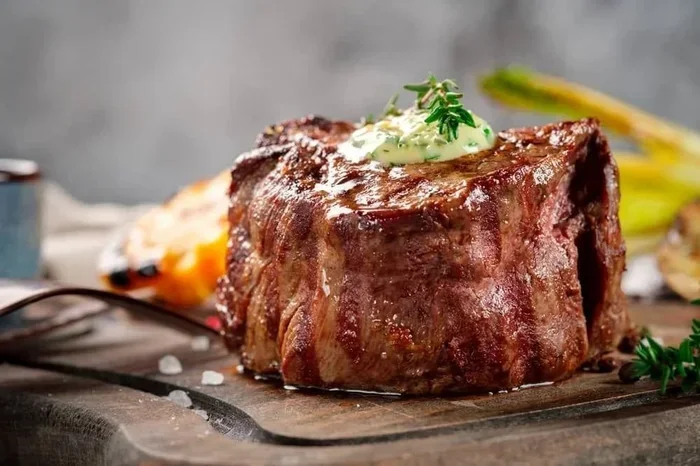
Broiling Filet Mignon in Oven for Perfect Juicy Results
Broiling filet mignon in oven is one of the easiest ways to get a restaurant-quality steak at home. This guide covers everything from choosing the right cut to hitting the perfect filet mignon temperature. You will learn step-by-step techniques, essential equipment, and pro tips that guarantee juicy, tender results every single time.
Key Takeaways
- Use a meat thermometer: Internal temperature is the single most important factor for perfect doneness.
- Bring steak to room temperature: Letting it sit out for 30-45 minutes ensures even cooking throughout.
- Preheat the broiler for at least 10 minutes: A hot broiler is essential for a proper sear.
- Rest your steak for 5-10 minutes: This locks in juices and prevents dry, tough meat.
- Season simply but effectively: Salt, pepper, garlic, and fresh herbs go a long way with filet mignon.
- Position the rack correctly: 4-6 inches from the broiler element gives the best results.
- Avoid common mistakes: Overcooking, skipping the sear, and not resting are the top errors.
📑 Table of Contents
- Why Broiling Filet Mignon in Oven Is a Game-Changer
- Choosing the Right Filet Mignon for Broiling
- Essential Equipment for Oven Broiling
- Step-by-Step Guide to Broiling Filet Mignon in Oven
- Temperature, Timing, and Doneness Levels
- Common Mistakes to Avoid When Broiling Filet Mignon
- Serving and Pairing Your Broiled Filet Mignon
- Final Thoughts on Broiling Filet Mignon in Oven
Why Broiling Filet Mignon in Oven Is a Game-Changer
There is something magical about a perfectly cooked filet mignon. It is tender, juicy, and incredibly satisfying. But here is the thing. Many people think you need a fancy grill or a expensive steakhouse to get that level of perfection. That is simply not true.
Broiling filet mignon in oven is one of the most reliable methods you can use at home. It gives you a beautiful sear on the outside while keeping the inside pink and juicy. And the best part? You do not need any special equipment beyond your oven and a basic oven-safe skillet.
Whether you are cooking for a date night, a special dinner, or just treating yourself, this method delivers consistent results. It is faster than most other cooking methods too. In about 20 minutes, you can have a steak that rivals anything served in a fine dining restaurant.
The beauty of using your oven’s broiler is the direct, intense heat. It mimics the high-heat sear of a grill without the hassle. If you have ever struggled with uneven cooking or dry steaks, this approach will change everything for you. Let us dive into exactly how to do it right.
Choosing the Right Filet Mignon for Broiling
Not all filet mignon steaks are created equal. Before you even turn on the oven, your choice of meat matters a lot. The right cut sets you up for success from the very start.
Understanding Beef Tenderloin Cuts
Filet mignon comes from the beef tenderloin, which is the most tender cut of beef available. This is why it is so popular among steak lovers. The tenderloin runs along the inside of the cow’s ribcage, and it barely gets any exercise. That lack of movement means very little connective tissue, which equals melt-in-your-mouth tenderness.
When shopping for filet mignon, look for steaks that are at least 1.5 inches thick. Thinner steaks tend to overcook quickly under the broiler. You want enough mass to handle the intense heat without drying out. A good thickness gives you a nice crust while keeping the center perfectly pink.
Also, look for steaks with good marbling. Marbling is the thin white streaks of fat running through the meat. This fat melts during cooking and adds incredible flavor and moisture. A well-marbled filet mignon will be juicier and more flavorful than a lean one.
How Much Steak Per Person
A good rule of thumb is 6 to 8 ounces per person. If you are serving a hearty appetite or pairing the steak with sides, lean toward the 8-ounce range. For a lighter meal, 6 ounces works perfectly. Most grocery stores sell filet mignon in 6, 8, and 10-ounce portions, so you have plenty of options.
Essential Equipment for Oven Broiling
You do not need a lot of fancy tools to broil a great steak. But having the right equipment makes a big difference in the final result. Here is what you need to get started.
The Right Skillet
Your skillet is the most important piece of equipment. You need an oven-safe skillet that can handle the intense heat of the broiler. Cast iron skillets are the gold standard for broiling steak. They retain heat incredibly well and create an amazing sear on the meat.
If you do not have cast iron, a stainless steel skillet works great too. Avoid non-stick pans for broiling. The extremely high heat can damage the non-stick coating and release harmful fumes. Stick with metal pans that can handle temperatures above 500 degrees Fahrenheit.
Meat Thermometer
This is a non-negotiable tool if you want perfect results every time. A good meat thermometer takes the guesswork out of cooking. You simply insert it into the thickest part of the steak and read the temperature. No more cutting into the steak to check if it is done, which lets all the juices escape.
Digital instant-read thermometers are the best choice. They give you a reading in about 10 seconds, which is fast and accurate. If you do not have one yet, they are inexpensive and will transform your cooking.
Other Helpful Tools
- Tongs: For flipping the steak safely without piercing it.
- Paper towels: To pat the steak dry before seasoning.
- A small brush: For applying oil or melted butter.
- A cutting board: For resting the steak after cooking.
Step-by-Step Guide to Broiling Filet Mignon in Oven
Now let us get into the actual cooking process. Follow these steps carefully and you will have an incredible steak every time. This is the same technique that professional chefs use, simplified for your home kitchen.
Step 1: Prep the Steak
Take your filet mignon out of the refrigerator about 30 to 45 minutes before cooking. This is a crucial step that many people skip. Letting the steak come to room temperature ensures it cooks evenly from edge to center. If you put a cold steak directly under the broiler, the outside will burn while the inside stays cold.
While the steak is resting, pat it dry with paper towels. Moisture is the enemy of a good sear. A dry surface means a better crust. Use several paper towels and press firmly on both sides.
Step 2: Season Generously
Filet mignon seasoning does not need to be complicated. Keep it simple and let the quality of the meat shine. Here is what works beautifully:
- Kosher salt (about 1 teaspoon per side)
- Freshly cracked black pepper
- Garlic powder or minced fresh garlic
- A drizzle of olive oil or melted butter
Season both sides generously. The salt draws out moisture initially, but as the steak cooks, it creates a delicious, flavorful crust. Some people like to add fresh herbs like thyme or rosemary at this stage for extra aroma.
Step 3: Preheat the Broiler
Turn your oven to the broiler setting and preheat for at least 10 minutes. This is just as important as letting the steak come to room temperature. A properly preheated broiler delivers that intense, direct heat needed for a perfect sear.
Position the oven rack about 4 to 6 inches below the broiler element. This distance gives you the best balance of heat. Too close and the steak will burn. Too far and you will not get a proper sear.
Step 4: Sear the Steak
Place your oven-safe skillet on the stovetop over high heat. Add a thin layer of oil with a high smoke point, like avocado oil or grapeseed oil. Once the oil is shimmering and almost smoking, carefully place the steak in the skillet.
Let it sear untouched for about 2 to 3 minutes. You should see a deep brown crust forming. Do not move the steak during this time. Resist the urge to peek or flip early. That crust is where all the flavor comes from.
Flip the steak using tongs and sear the other side for another 2 to 3 minutes. You should hear a satisfying sizzle the moment the steak hits the pan. That sound means the heat is right.
Step 5: Transfer to the Oven
Now here is the key move. Carefully transfer the skillet directly into the preheated oven under the broiler. This is where the magic happens. The intense top-down heat will finish cooking the steak while keeping that beautiful crust intact.
For a 1.5-inch thick filet mignon, broil for about 4 to 6 minutes per side depending on your desired doneness. Use tongs to flip the steak halfway through. Keep a close eye on it during this stage. The broiler works fast, and you do not want to overcook your steak.
Step 6: Check the Temperature
This is where the meat thermometer earns its keep. Insert it into the thickest part of the steak, going straight to the center. Here are the target temperatures for different levels of doneness:
- Rare: 120-125 degrees Fahrenheit
- Medium Rare: 130-135 degrees Fahrenheit
- Medium: 140-145 degrees Fahrenheit
- Medium Well: 150-155 degrees Fahrenheit
- Well Done: 160 degrees Fahrenheit and above
Remember that the temperature will rise about 5 degrees while the steak rests. So pull it off the heat a few degrees below your target. For most steak lovers, medium-rare filet mignon at around 130 to 135 degrees is the sweet spot for juiciness and flavor.
Step 7: Rest the Steak
This step is just as important as cooking. Transfer the steak to a cutting board and let it rest for 5 to 10 minutes. During cooking, the juices get pushed toward the center of the steak. Resting allows those juices to redistribute evenly throughout the meat.
If you cut into it right away, all those juices will run out onto the board, and you will be left with a dry steak. Patience here pays off big time. Tent the steak loosely with aluminum foil to keep it warm while it rests.
Temperature, Timing, and Doneness Levels
Getting the filet mignon temperature right is the difference between a great steak and an okay one. Let us break down the timing and temperature details more thoroughly.
Broiling Times by Thickness
The thickness of your steak directly affects how long it needs under the broiler. Here is a quick reference guide:
- 1-inch thick: 3 to 4 minutes per side
- 1.5-inch thick: 4 to 6 minutes per side
- 2-inch thick: 6 to 8 minutes per side
These times are for steak starting at room temperature. If your steak is still cold from the fridge, add an extra minute or two per side. But again, always use a thermometer for accuracy.
Understanding Steak Doneness
Different people prefer their steak at different levels of doneness, and that is perfectly fine. Here is what each level looks and feels like:
- Rare: Cool red center, very soft texture. Best for those who love maximum juice and tenderness.
- Medium Rare: Warm red center with a slightly firmer outer layer. This is the most popular choice among steak lovers.
- Medium: Pink center with a firmer texture. Still juicy but less red than medium-rare.
- Medium Well: Slight hint of pink, mostly gray-brown throughout. Less juicy but still flavorful.
- Well Done: No pink at all, gray-brown throughout. This tends to be less tender and can be dry.
For broiling filet mignon in oven, medium-rare is widely considered the best result. The high heat of the broiler creates a flavorful crust while keeping the inside perfectly tender and juicy.
How Broiling Compares to Other Cooking Methods
It is helpful to understand how broiling differs from other steak-cooking methods. Unlike grilling, which uses indirect heat from below, broiling uses direct heat from above. This creates a similar char and crust to grilling but in a more controlled indoor environment.
If you compare broiling to roasting, broiling gives you a much more intense sear. Roasting uses lower, indirect heat and is better for thicker cuts that need gentle, even cooking. Broiling is faster and gives you that restaurant-quality crust that makes any steak feel special.
Some people also enjoy trying different oven-baked steak recipes. For example, you might enjoy oven-baked cauliflower steaks as a vegetarian side dish alongside your broiled filet mignon. Or if you are exploring other oven steak techniques, checking out what temperature to cook hamburger steak in the oven can give you great insights on oven-based meat cooking.
Another great method to explore is oven-baked stuffed rouladen, which uses a similar approach of high-heat cooking for tender, flavorful results.
Common Mistakes to Avoid When Broiling Filet Mignon
Even with the best recipe, mistakes can happen. Here are the most common errors people make when broiling steak, and how to avoid them.
Starting with a Cold Steak
This is the number one mistake. Putting a cold steak directly under the broiler causes the outside to overcook while the inside stays raw. Always let your steak sit at room temperature for at least 30 minutes before cooking.
Not Preheating the Broiler Long Enough
A cold broiler means a weak sear and uneven cooking. Give your broiler at least 10 minutes to reach full temperature. The oven should be ripping hot before the steak goes in.
Overcrowding the Pan
If you are cooking multiple steaks, give each one plenty of space. Overcrowding traps steam and prevents a proper sear. Cook in batches if necessary. Each steak should have its own space in the skillet.
Skipping the Rest
Cutting into the steak immediately after cooking is tempting, but it is a mistake. The resting period is when the juices settle back into the meat. Without it, your steak will be less juicy and flavorful.
Using the Wrong Oil
Not all oils can handle the extreme heat of a broiler. Olive oil, for example, has a low smoke point and will burn quickly under the broiler. Use oils with high smoke points like avocado oil, grapeseed oil, or clarified butter.
Opening the Oven Too Often
Every time you open the oven door, you lose heat and disrupt the cooking process. Check on your steak as infrequently as possible. Trust your thermometer and let the broiler do its work.
Serving and Pairing Your Broiled Filet Mignon
Your steak is done, and it looks beautiful. Now it is time to serve it in a way that elevates the whole experience. Great sides and sauces can turn a good steak into a memorable meal.
Best Side Dishes for Filet Mignon
- Crispy roasted potatoes: A classic pairing that adds crunch and starch.
- Garlic butter mushrooms: Earthy mushrooms complement the richness of filet mignon perfectly.
- Grilled asparagus: A light, fresh side that balances the richness of the steak.
- Creamy mashed potatoes: Smooth, buttery, and comforting. A crowd-pleasing choice.
- Simple green salad: A bright salad with vinaigrette cuts through the richness of the meat.
Sauces to Elevate Your Steak
Filet mignon is already incredibly tender and flavorful on its own. But a simple sauce can take it to the next level. Here are three easy options:
- Red wine reduction: Simmer red wine with shallots and butter until thick and glossy.
- Peppercorn sauce: A creamy sauce with cracked peppercorns for a bold kick.
- Compound butter: Mix softened butter with fresh herbs and garlic. Place a pat on top of the hot steak and let it melt.
No matter how you serve it, the key is to let the quality of the filet mignon shine. Simple sides and minimal fuss often work best with this premium cut of beef.
Final Thoughts on Broiling Filet Mignon in Oven
Broiling filet mignon in oven is one of the most satisfying things you can do in the kitchen. It is fast, it is reliable, and it produces results that will impress anyone at the table. The combination of a sizzling sear and a perfectly pink center is something every steak lover should experience at home.
The secret is really in the details. Bring the steak to room temperature. Preheat the broiler properly. Season simply but well. Sear hard. Monitor the temperature carefully. And always let the steak rest before cutting.
Once you master this technique, you will never go back to overcooked, dry steaks again. Your oven becomes your best steak-cooking tool, and the results speak for themselves. So grab a quality cut of beef tenderloin, preheat that broiler, and get ready for a meal you will be proud to serve.
The next time you are craving a perfect steak, skip the restaurant and fire up your oven instead. With this guide, you have everything you need to make broiling filet mignon in oven your go-to method for juicy, tender, restaurant-quality steak right at home.
Frequently Asked Questions
Can I broil filet mignon without searing it first on the stovetop?
You can, but the results will not be as good. Searing on the stovetop before broiling creates a flavorful crust through the Maillard reaction. Without that initial sear, the steak will still cook, but it will lack that deep, caramelized flavor and appealing brown exterior that makes broiled steak so delicious.
What is the best oven temperature for broiling filet mignon?
Set your oven to the highest broiler setting, which is typically between 500 and 550 degrees Fahrenheit. The intense, direct heat from above is what creates the perfect sear and cooks the steak evenly. Make sure to preheat the broiler for at least 10 minutes before putting the steak in.
How long should I let my filet mignon rest after broiling?
Let the steak rest for 5 to 10 minutes on a cutting board. This resting period allows the juices to redistribute throughout the meat. If you cut into it too soon, those juices will escape, leaving you with a less juicy and less flavorful steak. Tent it loosely with foil to keep it warm.
Can I use a baking sheet instead of a skillet for broiling filet mignon?
You can, but a skillet is much better. A skillet provides more contact surface and retains heat better, which helps create a superior sear. If you must use a baking sheet, line it with foil and place a wire rack on top to allow air circulation. However, you will not get the same level of crust as with a cast iron skillet.
Is broiling filet mignon in oven the same as grilling?
They are similar but not the same. Broiling uses direct heat from above, while grilling uses direct heat from below. Both methods create a nice char and crust, but broiling gives you more control since it happens indoors. The results are very comparable, and many people prefer broiling for its convenience and consistency.
How do I know if my filet mignon is medium-rare?
The most accurate way is to use a meat thermometer. Insert it into the thickest part of the steak and look for a reading of 130 to 135 degrees Fahrenheit. The steak should feel firm on the outside but have a soft, springy center. When you cut into it, the center should be warm red with a thin band of pink.