Can You Put A Roasting Pan In The Oven Safely Today
Yes, you can put a roasting pan in the oven, but it depends on the material and construction. Most metal roasting pans are oven-safe up to high temperatures, while glass and ceramic ones have lower limits. Using the right pan ensures your food cooks evenly and stays safe.
Can you put a roasting pan in the oven? The short answer is yes. But the full answer is a bit more interesting than that. Not all roasting pans are created equal. Some handle extreme heat like champions. Others need a gentler touch. Understanding what works and what does not can save you from a kitchen disaster.
Whether you are planning a Sunday roast or a holiday turkey, knowing your pan limits matters. Using the wrong pan in a hot oven can lead to warping, cracking, or even releasing harmful chemicals into your food. This guide covers everything you need to know about using a roasting pan in the oven safely and effectively.
We will walk through materials, temperature limits, safety tips, and common mistakes. By the end, you will feel confident choosing the right pan for every oven job. Let us dive in.
Key Takeaways
- Most metal roasting pans are oven-safe: Stainless steel, aluminum, and carbon steel pans handle high heat well.
- Check the manufacturer’s limit: Every pan has a maximum temperature rating you should follow.
- Glass and ceramic pans need caution: They can crack under sudden temperature changes.
- Non-stick coatings have limits: Most non-stick roasting pans are safe up to 350-400°F.
- Disposable aluminum pans work too: They are convenient but have lower heat tolerance.
- Placement matters: Keep your roasting pan on the correct oven rack for even cooking.
- Always preheat with care: Avoid placing a cold pan in a hot oven to prevent warping.
📑 Table of Contents
- What Is a Roasting Pan and Why Use It in the Oven?
- Can You Put A Roasting Pan In The Oven Without Any Risk?
- How to Safely Use a Roasting Pan in the Oven
- What Happens If You Use the Wrong Roasting Pan?
- Best Roasting Pans for Oven Use in 2024
- Can You Put A Roasting Pan In The Oven: The Final Verdict
- Conclusion
What Is a Roasting Pan and Why Use It in the Oven?
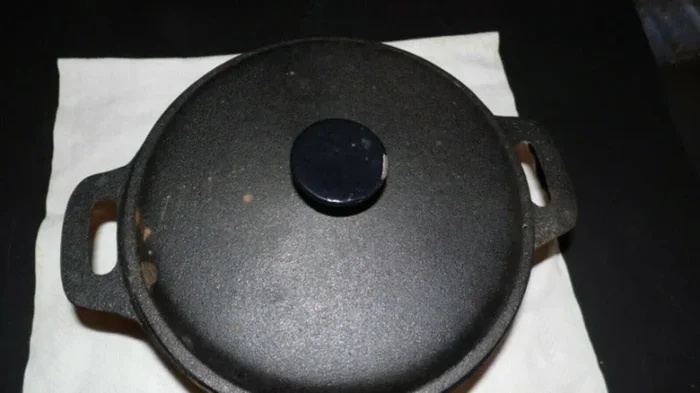
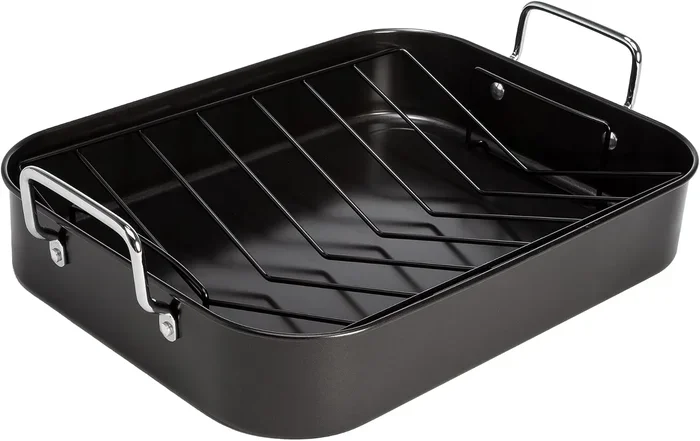
A roasting pan is a deep, wide cooking vessel designed for oven use. It typically comes with a rack and handles for easy placement and removal. People use roasting pans for meats, vegetables, casseroles, and more. They are a staple in many kitchens because they distribute heat evenly.
The main purpose of a roasting pan is to cook food at high, consistent temperatures. Unlike a frying pan that sits on a stovetop, a roasting pan goes right into the oven. This makes it ideal for slow roasting, browning, and baking large cuts of meat or whole poultry.
Most roasting pans are made from metal, but some use glass or ceramic. Each material behaves differently under heat. That is why knowing what your pan is made of matters so much.
Common Types of Roasting Pans
- Stainless steel roasting pans: Durable, non-reactive, and oven-safe at high temperatures.
- Aluminum roasting pans: Lightweight and conduct heat well, but can warp under extreme heat.
- Carbon steel roasting pans: Excellent heat retention and very durable for oven use.
- Glass roasting pans: Great for seeing your food cook, but more fragile under high heat.
- Ceramic roasting pans: Beautiful and even-heating, but sensitive to thermal shock.
- Non-stick roasting pans: Easy to clean but usually have lower temperature limits.
- Disposable aluminum pans: Convenient for one-time use and moderate oven temperatures.
Can You Put A Roasting Pan In The Oven Without Any Risk?
The answer depends on several factors. The material, the coating, and the oven temperature all play a role. Most standard metal roasting pans are completely oven-safe. You can place them in a preheated oven without worry. But not every pan handles every situation the same way.
For example, a stainless steel roasting pan can go into a 500°F oven without any problem. It handles high heat beautifully and does not warp easily. An aluminum pan might do the same, but it could warp if the temperature is too high or if you place it in a cold oven that suddenly heats up.
Glass and ceramic pans need extra care. They are oven-safe, but only up to certain temperatures. And they do not like sudden temperature changes. Placing a cold glass pan in a hot oven can cause it to shatter. This is called thermal shock, and it is something every cook should know about.
Oven Temperature Limits by Material
| Material | Safe Oven Temp | Risk Level |
|---|---|---|
| Stainless Steel | Up to 500°F+ | Low |
| Aluminum (standard) | Up to 450°F | Medium (warping risk) |
| Carbon Steel | Up to 500°F+ | Low |
| Glass (tempered) | Up to 450°F | Medium (thermal shock) |
| Ceramic | Up to 450°F | Medium (thermal shock) |
| Non-stick coated | Up to 350-400°F | Medium (coating damage) |
| Disposable aluminum | Up to 400°F | Medium (warping risk) |
Always check the bottom of your pan for a label or symbol. Most manufacturers stamp the oven-safe temperature right on the pan. If you cannot find this information, err on the side of caution. Keep your oven at or below 350°F for unknown pans.
How to Safely Use a Roasting Pan in the Oven
Using a roasting pan in the oven is straightforward. But a few simple steps can make the experience much safer and more effective. Follow these guidelines every time you roast something.
Step-by-Step Guide to Oven Roasting
- Check the pan label: Look for oven-safe symbols or temperature ratings on the bottom.
- Preheat the oven: Set your oven to the desired temperature before placing the pan inside.
- Place the pan on the correct rack: The middle rack is usually best for even heat distribution.
- Use oven mitts: Always protect your hands when handling a hot roasting pan.
- Let the pan cool: Never place a hot pan on a cold or wet surface.
- Clean properly: Wait for the pan to cool before washing to avoid warping.
Following these steps keeps your pan in great shape and your food cooking safely. It is a small effort that pays off every time.
Quick Tips for Better Roasting
- Always use the rack: It lifts the food off the bottom and allows hot air to circulate.
- Do not overcrowd the pan: Give your food space to breathe and brown evenly.
- Add liquid to the bottom: A little water or broth prevents drippings from burning.
- Baste regularly: This keeps your roast moist and flavorful throughout cooking.
- Use a meat thermometer: It takes the guesswork out of knowing when your food is done.
What Happens If You Use the Wrong Roasting Pan?
Using the wrong pan in the oven can lead to problems. Some are minor. Others are serious. Understanding these risks helps you make better choices every time you cook.
Warping is one of the most common issues. Thin aluminum pans especially warp when exposed to high heat. A warped pan sits unevenly on the oven rack. This means your food cooks unevenly. One side might be burnt while the other is still raw.
Another risk is chemical leaching. Non-stick coatings can break down at high temperatures. When this happens, the coating can release harmful fumes. These fumes are dangerous to breathe and can contaminate your food. This is why it is so important to respect the temperature limits of non-stick pans.
Thermal shock is the third major risk. Glass and ceramic pans can crack or explode when exposed to sudden temperature changes. For example, taking a cold glass pan from the refrigerator and placing it in a hot oven is a recipe for disaster. Always let your glass or ceramic pan come to room temperature before putting it in the oven.
If you are ever unsure about your pan, it is better to be safe than sorry. Consider using a different pan or checking the manufacturer’s guidelines. A little caution goes a long way in keeping your kitchen safe.
Common Mistakes to Avoid
- Skipping the temperature check: Always verify your pan’s oven-safe rating before use.
- Placing a cold pan in a hot oven: This causes thermal shock and can warp or crack your pan.
- Using non-stick pans above their limit: This damages the coating and releases harmful chemicals.
- Overloading the pan: Too much food blocks airflow and leads to uneven cooking.
- Ignoring manufacturer instructions: The label on your pan exists for a reason. Respect it.
These mistakes are easy to avoid with a little awareness. Most experienced cooks develop good habits over time. But if you are new to roasting, keep this list handy. It will save you time, money, and frustration.
Best Roasting Pans for Oven Use in 2024
The market offers many roasting pan options. Choosing the right one can feel overwhelming. But focusing on a few key features simplifies the decision.
What to Look For in a Roasting Pan
- Oven-safe rating: Make sure the pan is rated for the temperatures you plan to use.
- Material quality: Stainless steel and carbon steel are top choices for durability.
- Rack inclusion: A good rack elevates your food and improves airflow.
- Handle design: Look for sturdy, heat-resistant handles for safe handling.
- Size: Choose a pan that fits your oven and suits your typical cooking needs.
- Ease of cleaning: A pan that is easy to clean saves you time after every meal.
If you are looking for reliable options, stainless steel roasting pans are hard to beat. They last for years and handle any oven temperature with ease. Aluminum pans work well for everyday use but may not last as long under heavy heat.
For those who love a good deal, disposable aluminum pans are a practical choice for casual gatherings. Just remember they have lower heat limits. And if you enjoy cooking with style, ceramic roasting pans add elegance to your kitchen while delivering even heat.
Some cooks also like to explore alternative cooking methods. For instance, if you enjoy making your own bread or pizza, you might want to learn how to make a tandoori oven at home for a unique cooking experience.
Can You Put A Roasting Pan In The Oven: The Final Verdict
So, can you put a roasting pan in the oven? Absolutely. Most roasting pans are designed specifically for oven use. The key is knowing what your pan is made of and respecting its temperature limits.
Metal pans like stainless steel and carbon steel are the most versatile and durable options. They handle high oven temperatures without any issues. Aluminum pans are great too, but they need a bit more care to avoid warping.
Glass and ceramic pans bring beauty and even heating to the table. But they require more attention to temperature changes. And non-stick pans are convenient but come with strict temperature limits that you should always follow.
The bottom line is this: always check your pan before putting it in the oven. A quick glance at the bottom can prevent a lot of headaches. When in doubt, choose a pan you know is oven-safe. Your food will taste better, and your kitchen will be safer.
Remember, cooking should be enjoyable and stress-free. With the right tools and knowledge, you can roast anything from a simple chicken to an elaborate holiday turkey. Confidence in your equipment makes all the difference.
If you are curious about oven safety beyond roasting pans, you might wonder about other kitchen items. For example, many people ask if it is safe to put a pizza box in the oven, which is a surprisingly common question with an important answer.
And for those who love exploring new recipes, try cooking stuffed rouladen in the oven for a delicious and impressive meal that will wow your guests.
Now you have the knowledge to use your roasting pan safely and confidently. Go ahead and make that roast. Your oven and your pan are ready to work together.
Conclusion
Using a roasting pan in the oven is safe and simple when you know what you are doing. The right pan, the right temperature, and the right technique make all the difference. Most metal roasting pans handle oven heat beautifully. Glass and ceramic pans need a little extra care. And non-stick pans have limits you should never exceed.
Can you put a roasting pan in the oven? Yes, you can. Just follow the guidelines in this article and you will have great results every time. Happy roasting!
Frequently Asked Questions
Can I put a glass roasting pan in the oven?
Yes, but only if it is tempered glass and rated for oven use. Most glass roasting pans are safe up to 450°F. Always avoid sudden temperature changes, like placing a cold glass pan directly into a hot oven, as this can cause it to crack or shatter.
What temperature can a roasting pan handle?
Most metal roasting pans can handle temperatures up to 500°F or higher. Non-stick coated pans are usually safe up to 350-400°F. Always check the manufacturer’s label on the bottom of your pan to confirm its specific temperature limit.
Is it safe to put a non-stick roasting pan in the oven?
It is safe as long as you stay within the recommended temperature limit, usually 350-400°F. Exceeding this limit can damage the non-stick coating and release harmful fumes. Check the pan’s label for the exact oven-safe temperature.
Can I use a disposable aluminum roasting pan in the oven?
Yes, disposable aluminum pans work in the oven at moderate temperatures, typically up to 400°F. They are convenient for one-time use or casual gatherings. However, they can warp under high heat, so avoid using them at the highest oven temperatures.
Do I need to preheat the oven before placing the roasting pan inside?
Preheating is recommended for most roasting recipes. It ensures the pan and food start at the right temperature for even cooking. However, some recipes call for placing food in a cold oven and letting it heat up gradually, especially for larger cuts of meat.
Can a warped roasting pan be used safely in the oven?
A warped pan is not ideal but can still be used for some tasks. It may cook food unevenly because the pan does not sit flat on the rack. If the warping is severe, it is best to replace the pan for safety and cooking quality.