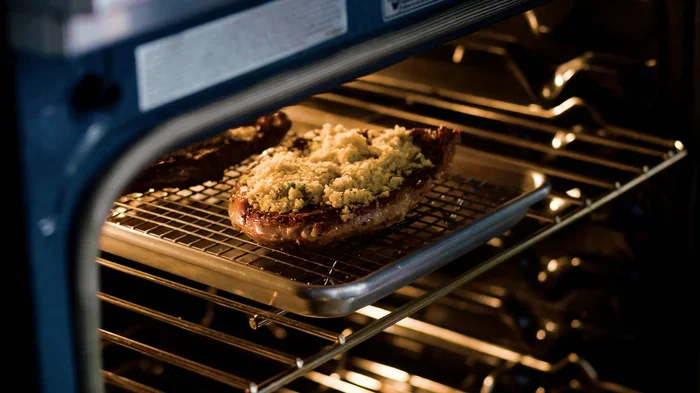
How Does Broil Work On Oven And Why You Need To Know
Understanding how does broil work on oven is essential for any home cook. Broiling uses the top heating element to deliver intense, direct heat that sears, caramelizes, and finishes dishes beautifully. This guide covers everything from basic broil mechanics to pro tips you can use today.
Have you ever wondered what happens when you flip that switch to broil? You press a button, hear a click, and suddenly your oven is blasting heat from above. It feels almost magical. But there is real science and technique behind it. Understanding how does broil work on oven changes the way you cook. It opens up a whole new world of crispy, caramelized, perfectly finished dishes right in your kitchen.
Many home cooks use broil without really thinking about it. They toss a dish under the top heat and hope for the best. But there is so much more to learn. From the way radiant heat interacts with food, to the best rack positions, to the difference between hi broil and low broil, this guide has you covered. By the end, you will feel confident using your broiler every single day.
Key Takeaways
- Broil uses direct radiant heat from the top element: Unlike baking, broiling focuses intense heat downward onto your food for quick, high-temperature cooking.
- There are different broil modes: Most ovens offer Hi broil, Lo broil, and sometimes convection broil, each suited for different foods and outcomes.
- Placement matters: Keeping the right distance between food and the top element prevents burning while achieving perfect browning.
- Broiling is a finishing technique: It excels at caramelizing surfaces, melting cheese, and adding a crispy crust to already-cooked dishes.
- Safety is critical: High heat means high risk. Using a broiler pan, monitoring food closely, and proper ventilation are essential.
- Broil vs. bake serves different purposes: Knowing when to use each mode transforms your cooking results dramatically.
- Practice makes perfect: Once you understand broiling basics, you can experiment with vegetables, meats, and more for restaurant-quality results at home.
📑 Table of Contents
- What Is Broiling And How Does It Work?
- Broil Settings: Hi Broil, Lo Broil, And Convection Broil
- How To Use Your Broiler Effectively
- Broil Vs Bake: Understanding The Difference
- Safety Tips For Broiling
- Best Foods To Broil
- Expert Tips For Perfect Broiling Results
- How Broiling Compares To Other Cooking Methods
- Conclusion
What Is Broiling And How Does It Work?
Broiling is a dry-heat cooking method that uses intense, direct heat from above. Your oven has a dedicated heating element at the top. When you select the broil setting, that element glows bright and radiates heat downward. The food sits close to this element, absorbing the energy quickly. This is very different from baking, where heat surrounds food from all sides using elements at the top and bottom.
The science behind broiling is fascinating. The top element reaches extremely high temperatures, often between 500°F and 550°F (260°C to 288°C). This intense heat triggers the Maillard reaction, which is the chemical process that creates browning and complex flavors on the surface of food. It also causes caramelization of natural sugars. Together, these reactions give broiled food its signature charred, crispy exterior while keeping the inside moist.
The Role Of The Top Heating Element
In most standard ovens, the broil function relies entirely on the top heating element. This element is designed to produce maximum heat output. When you turn on broil mode, the element glows a bright orange or red. It radiates infrared energy directly onto the food surface. This is called radiant heat, and it is incredibly efficient at cooking and browning from above.
Some modern ovens use a different approach. They have a single main broil element at the top, while others incorporate a broiler drawer at the bottom. A broiler drawer is a separate compartment at the base of the oven. It uses its own heating element to cook food from below in some models, or it acts as a small, focused broiling space. Understanding which type you have matters because it affects how you position your food.
Why Does Broiling Work So Well For Finishing?
Broiling is one of the best finishing techniques in any kitchen. Think about a baked potato. You can bake it slowly at 400°F until tender inside. Then you switch to broil to crisp the skin and melt any cheese or toppings on top. The same principle works for casseroles, gratins, and even pizza. The bottom cooks through with regular baking, and the top gets that perfect golden-brown finish under the broiler.
This is why professional chefs love broiling. It delivers results in minutes that would otherwise take much longer. The direct, high-intensity heat creates texture and flavor that other methods simply cannot match. When you understand how does broil work on oven, you start seeing it as a powerful tool rather than a mystery setting.
Broil Settings: Hi Broil, Lo Broil, And Convection Broil
Not all broiling is the same. Most ovens offer multiple broil settings, and each one serves a different purpose. Knowing which setting to use can make or break your dish. Let us break down the most common options you will find on your oven dial or control panel.
Hi Broil Setting
Hi broil is the most common setting. It delivers maximum heat from the top element, usually around 500°F to 550°F. This setting is ideal for foods that need quick, intense browning. Think thin cuts of meat, fish fillets, burger patties, and vegetables like bell peppers or asparagus.
When you use hi broil, the heat is very intense and concentrated. Food cooks fast, often in just a few minutes per side. You need to watch it closely because the high temperatures can cause burning quickly. Hi broil is your go-to for getting a nice sear and crispy texture in a short amount of time.
Lo Broil Setting
Lo broil reduces the temperature and intensity of the top element. It typically operates around 400°F to 450°F. This setting gives you more control. It is perfect for thicker foods that need longer cooking time without burning on the outside.
Lo broil works well for melting cheese on top of a casserole without overcooking the rest of the dish. It is also great for warming and lightly browning foods that are already cooked through. If you are new to broiling, starting with lo broil is a smart choice. It gives you a gentler introduction to the technique.
Convection Broil
Some ovens feature a convection broil setting. This combines the top heating element with a fan that circulates hot air throughout the oven cavity. The fan helps distribute heat more evenly, reducing hot spots. Convection broil is excellent for cooking multiple items at once or for foods that benefit from consistent, even browning.
Keep in mind that convection broil can cook food faster than standard broil because of the added air movement. You may need to reduce cooking time slightly. Always monitor food closely when using convection broil, especially the first few times you try it.
| Broil Setting | Approximate Temperature | Best For | Cooking Time |
|---|---|---|---|
| Hi Broil | 500°F – 550°F | Thin meats, fish, veggies, quick searing | 3-6 minutes per side |
| Lo Broil | 400°F – 450°F | Cheese melting, thick foods, gentle browning | 5-10 minutes |
| Convection Broil | 450°F – 500°F | Even cooking, multiple items, larger portions | 3-7 minutes per side |
How To Use Your Broiler Effectively
Using a broiler is not as complicated as it might seem. But there are specific techniques that make a huge difference in your results. Follow these steps to get the best out of every broiling session.
Step 1: Position The Oven Rack Correctly
Rack position is one of the most important factors in broiling. Most ovens recommend placing the rack about 4 to 6 inches below the top heating element. Too close, and your food will burn on the outside while staying raw inside. Too far, and you lose the intense, direct heat that makes broiling effective.
For thicker foods, you may want to position the rack a bit lower to give the heat more time to penetrate. For thin items like fish or sliced vegetables, keeping the rack closer works well because the food cooks so quickly. Always preheat your broiler for at least 5 minutes before placing food inside.
Step 2: Choose The Right Pan
Not every pan belongs under the broiler. You need cookware that can handle extreme, direct heat. A broiler pan is ideal. It has a raised wire grid that allows fat and juices to drip away from the food. This prevents flare-ups and helps food cook evenly on all sides.
If you do not have a broiler pan, you can use a sheet pan lined with aluminum foil with a wire rack on top. Avoid using plastic-handled pans or any cookware with non-stick coatings that are not rated for high broil temperatures. The intense heat can damage these materials and release harmful fumes.
Step 3: Prep Your Food Properly
Preparation matters a lot with broiling. Because broiling is fast and hot, your food needs to be ready before you turn on the broiler. Pat meats dry with paper towels. Season generously with salt, pepper, and any spices you like. Brush vegetables lightly with oil to help them brown and prevent drying out.
Cut food into uniform pieces so everything cooks at the same rate. Thin cuts work best for broiling because the intense heat cooks them quickly without burning. If you are broiling thicker items, consider partially cooking them first using another method, then finishing under the broiler for that perfect crispy top.
Step 4: Watch Your Food Closely
Broiling happens fast. You cannot walk away and forget about your food. Set a timer and stay near the oven. Check your food every 1 to 2 minutes. Flip meats halfway through for even browning on both sides. Vegetables may only need a few minutes, while thicker cuts might need a bit longer.
Look for visual cues. You want a golden-brown or lightly charred surface. If you see black spots forming, your food is getting too close or staying too long. Adjust the rack position or move the pan to a different part of the oven if you notice uneven cooking.
Broil Vs Bake: Understanding The Difference
One of the most common questions home cooks ask is about the difference between broil and bake. These two settings use completely different approaches to heat, and they serve very different purposes in the kitchen.
Baking uses indirect heat. The top and bottom elements work together to create a warm, even environment inside the oven. Heat circulates around the food from all sides. Baking is perfect for bread, cakes, cookies, and casseroles where you want slow, even cooking throughout.
Broiling uses direct, intense heat from above only. It is fast, powerful, and focused on browning and crisping the top surface of food. Think of broiling as the oven version of grilling. It is perfect for finishing dishes, adding texture, and creating that irresistible golden-brown crust.
Here is a simple way to remember the difference. Baking is for cooking food all the way through. Broiling is for adding the final touch of color, texture, and flavor. Many great recipes actually use both methods. You bake a dish first, then switch to broil for the last few minutes. This combination gives you perfectly cooked food with a beautiful, appetizing finish.
Safety Tips For Broiling
Broiling involves extremely high temperatures, so safety should always be a priority. Follow these guidelines to keep yourself and your kitchen safe while getting great results.
- Always stay in the kitchen: Broiling is not a set-it-and-forget-it cooking method. The high heat can cause flare-ups or burning within seconds. Stay alert and watch your food the entire time.
- Use a broiler pan or wire rack: This prevents grease and drippings from pooling and causing smoke or flames. A broiler pan keeps food elevated and allows excess fat to drip away safely.
- Keep the oven door slightly open: Most ovens recommend leaving the door ajar when broiling. This allows heat and smoke to escape, preventing the oven from overheating and giving you a clear view of your food.
- Ventilate your kitchen: Broiling can produce smoke, especially with fatty foods. Turn on your range hood or open a window to keep smoke from building up.
- Use oven mitts: The broiler element and nearby surfaces get extremely hot. Always wear protective gloves when handling pans inside the oven.
- Clean your oven regularly: Grease and food residue can catch fire under high heat. A clean oven is a safer oven. Wipe up spills and drips after each use.
Common Broiling Mistakes To Avoid
Even experienced cooks make mistakes with broiling. Here are the most common ones and how to avoid them.
Placing food too far from the element. This is the number one broiling mistake. If your food is too far away, you lose the intense, direct heat that makes broiling effective. Food will cook slowly and unevenly instead of getting that beautiful sear.
Using the wrong pan. Putting a glass or plastic-handled pan under the broiler can cause it to shatter or melt. Always use metal pans or broiler-safe cookware rated for high temperatures.
Overcrowding the pan. When you pack too much food onto the pan, steam gets trapped between pieces. This prevents browning and gives you soggy results instead of crispy, caramelized perfection. Give each piece of food some space.
Not flipping food halfway through. Broiling from one side only creates uneven cooking. The side facing the element gets heavily browned while the other side stays pale and undercooked. Flip meats and thicker vegetables for balanced results.
Skipping the preheat. Just like baking, broiling works best when the oven is already hot. Preheating the broiler for 5 minutes ensures the element reaches full temperature before your food goes in. This makes a noticeable difference in browning and cooking speed.
Best Foods To Broil
Broiling works wonderfully with a wide variety of foods. Here are some of the best options to try in your oven.
- Steaks and chops: Thin cuts of beef, pork, or lamb broil beautifully. Season them well and cook for 3-4 minutes per side for a perfect sear.
- Fish fillets: Thin white fish like tilapia, cod, or halibut cooks quickly under the broiler. Brush with olive oil and season with lemon and herbs.
- Chicken breasts: Pound them to an even thickness, season generously, and broil for a juicy, golden exterior.
- Vegetables: Bell peppers, zucchini, asparagus, and mushrooms all benefit from broiling. The high heat brings out their natural sweetness and adds a smoky char.
- French onion soup: The classic broiled cheese topping is what makes this dish iconic. A few minutes under the broiler creates that bubbly, golden crust.
- Grilled cheese sandwiches: Assemble your sandwich and place it under the broiler for a perfectly melted, crispy result in minutes.
- Casseroles and gratins: Any baked dish with a cheese or breadcrumb topping benefits from a few minutes under the broiler to add a crispy, golden finish.
Expert Tips For Perfect Broiling Results
Let food come to room temperature first. Cold food placed under a hot broiler cooks unevenly. Taking it out of the fridge 15-20 minutes before broiling helps it cook more consistently.
Use a wire rack over a sheet pan. This setup mimics a broiler pan and allows heat to reach the bottom of your food as well. It is especially helpful for items like bacon or chicken wings.
Brush food with oil lightly. Oil helps conduct heat to the surface and promotes browning. Use a pastry brush to apply a thin, even coat. Too much oil can cause excessive smoking.
Experiment with rack positions. Try different distances from the element to see what works best for each food. A higher rack gives gentler, slower browning. A lower rack gives intense, fast charring.
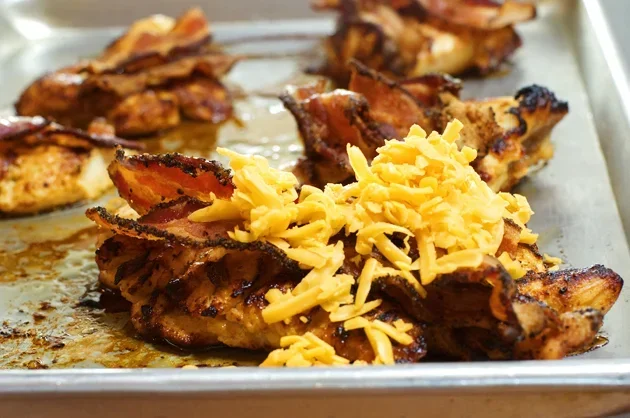
Add cheese or toppings at the end. If your recipe includes cheese, add it partway through broiling rather than at the start. This prevents the cheese from burning before the rest of the food is done.
How Broiling Compares To Other Cooking Methods
Understanding where broiling fits among other cooking methods helps you make better choices in the kitchen. Each method has unique strengths, and knowing when to use broiling makes you a more versatile cook.
Broiling vs. grilling: Both use direct, high heat. The main difference is the heat source direction. Grilling places heat below the food, while broiling places it above. The results are remarkably similar in terms of texture and flavor. Broiling is essentially indoor grilling.
Broiling vs. baking: Baking uses gentle, indirect heat from all directions. It is best for foods that need to cook through slowly and evenly. Broiling uses intense, direct heat from above and is best for quick browning and finishing. Many recipes combine both methods for the best of both worlds.
Broiling vs. roasting: Roasting uses moderate, indirect heat for long cooking times. It works well for large cuts of meat and whole vegetables. Broiling is faster and more intense. It works best with thinner items and for adding a final crispy layer.
Each method has its place. The key is knowing when to reach for the broil setting. Use it for speed, for browning, and for adding that irresistible charred finish that makes food look and taste amazing.
Conclusion
Now you know exactly how does broil work on oven and why it is such a valuable cooking technique. Broiling uses the top heating element to deliver intense, direct heat that sears, browns, and finishes food beautifully. Whether you are using hi broil for a quick steak, lo broil for melting cheese on a casserole, or convection broil for even cooking, the principles remain the same. Position your rack correctly, use the right pan, watch your food closely, and enjoy the incredible results.
Broiling is one of the simplest yet most powerful tools in any kitchen. It does not require special equipment or complicated techniques. Once you understand the basics, you can start experimenting with different foods, settings, and rack positions. The more you practice, the more confident you will become. So go ahead, turn on your broiler, and start creating delicious, beautifully browned dishes tonight.
The beauty of broiling lies in its simplicity and speed. A few minutes under the top element transforms ordinary ingredients into something extraordinary. Crispy edges, caramelized surfaces, and rich, deep flavors are all within reach. You do not need to be a professional chef to master this technique. With the knowledge you have gained from this guide, you are well on your way to broiling like a pro right at home.
Frequently Asked Questions
What temperature does broil reach on a typical oven?
Most ovens reach temperatures between 500°F and 550°F on the broil setting. Some ovens have a low broil option that operates around 400°F to 450°F. The exact temperature depends on your oven model and the broil setting you select. Always check your oven manual for specific temperature ranges.
Can you broil with aluminum foil in the oven?
Yes, you can use aluminum foil under the broiler, but with caution. Place foil on the rack below the food to catch drips, but do not let it touch the heating element. Foil can reflect heat and cause uneven cooking or potential fire hazards if it makes direct contact with the element. Always keep foil at least a few inches away from the top element.
Do you leave the oven door open when broiling?
Most ovens recommend leaving the door slightly ajar when broiling. This allows heat, smoke, and steam to escape. It also gives you a clear view of your food so you can monitor browning closely. Leaving the door fully open can reduce oven temperature, so a slight gap is ideal.
What is the difference between broil and bake?
Baking uses indirect heat from both the top and bottom elements for slow, even cooking. Broiling uses direct, intense heat from the top element only. Baking is best for foods that need to cook through completely, while broiling is ideal for browning, crisping, and finishing dishes quickly.
How long should you broil food?
Broiling times vary depending on the food and thickness. Thin items like fish fillets or sliced vegetables take 3 to 5 minutes per side. Thicker meats may need 5 to 8 minutes per side. Always check food frequently and flip halfway through for even browning. Use a meat thermometer to ensure proper internal temperature for safety.
Is broiling healthy compared to other cooking methods?
Broiling is considered a healthy cooking method because it does not require added fats like frying. The high heat causes fat to drip away from the food through the broiler pan. It also does not produce the harmful compounds associated with deep-frying. Broiling is a great way to add flavor and texture without extra calories or unhealthy oils.