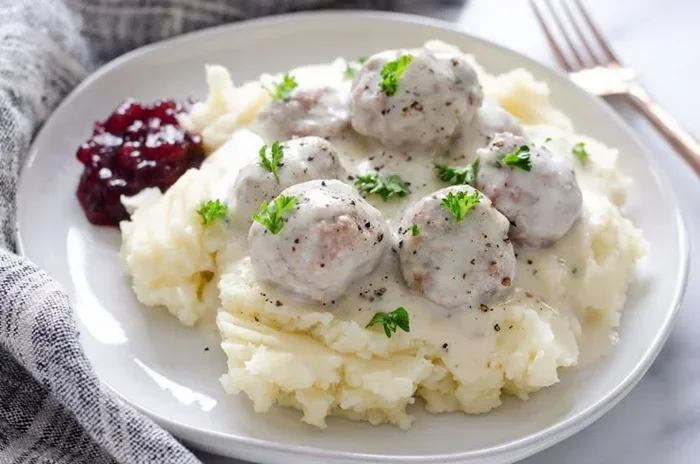
How Long To Cook Swedish Meatballs In The Oven Today
Discover the ideal oven temperature and baking time for Swedish meatballs. This guide covers everything from mixing to serving. You’ll learn how long to cook Swedish meatballs in the oven for a tender, flavorful result every time.
There’s something magical about a plate of oven-baked Swedish meatballs. They’re juicy, flavorful, and incredibly easy to make. Whether you’re feeding a family or hosting a dinner party, this meatball recipe never fails. The best part? You can make them in the oven, not on the stove. That means less fuss and more time to enjoy.
If you’ve ever wondered how long to cook Swedish meatballs in the oven, you’re in the right place. This guide gives you everything you need. From the perfect cooking temperature to the exact baking time, we’ve got it covered. You’ll learn how to make meatballs that are tender and full of flavor. Let’s dive in and make the best homemade meatballs you’ve ever tasted.
Many people think Swedish meatballs need a lot of work. But that’s a myth. With a few simple meatball ingredients and a hot oven, you can achieve restaurant-quality results. The meatball cooking tips here are easy to follow. So grab your ground beef and let’s get started.
Key Takeaways
- 400°F is the sweet spot: This oven temperature for meatballs ensures a crispy outside and juicy inside.
- Bake for 20–25 minutes: Most oven-baked Swedish meatballs are done in this window, depending on size.
- Use a meat thermometer: The internal temperature should reach 160°F for safe, tender meatballs.
- Don’t skip the resting time: Let meatballs rest 5 minutes before serving to lock in juices.
- Keep them from touching: Space meatballs evenly on the baking sheet for even baking time and browning.
- Pair with creamy sauce and lingonberry jam: These are classic Swedish cuisine accompaniments that elevate the dish.
📑 Table of Contents
The Ideal Oven Temperature for Swedish Meatballs
Getting the oven temperature for meatballs right is the first step. Too low, and they turn out pale and soggy. Too high, and the outside burns before the inside cooks. The magic number is 400°F (200°C). This cooking temperature creates a beautiful golden crust while keeping the inside moist.
Why 400°F Works Best
At 400°F, the heat surrounds the meatballs quickly. The exterior sears and locks in juices. The meatball size matters here. A 1.5-inch meatball bakes perfectly in 20 minutes. Larger meatballs may need a few extra minutes. This temperature also helps the breadcrumbs in meatballs set properly, giving them a firm yet tender texture. You’ll get a lovely caramelized crust without drying out the center.
Adjusting for Different Ovens
Not all ovens heat the same way. Some run hot, others run cool. If your oven tends to run hot, drop the temperature to 390°F. If it runs cool, try 410°F. Knowing your oven’s quirks is a key meatball cooking tip. Always use an oven thermometer if you’re unsure. This small tool can transform your oven-baked meatballs from average to outstanding.
Step-by-Step: How to Bake Swedish Meatballs
Making homemade meatballs is simpler than you think. Follow these steps for perfect oven-baked Swedish meatballs every time. This meatball recipe uses common pantry staples.
Mixing the Meatball Mixture
Start with a blend of ground beef and pork. A 50/50 mix gives the best flavor and moisture. Add finely chopped onion that has been sautéed and cooled. This step is crucial. Raw onion can make the meatballs soggy. Next, add breadcrumbs in meatballs and a lightly beaten egg. The egg acts as an egg binder, holding everything together. Season with salt, pepper, and a pinch of allspice. Mix gently with your hands. Overmixing is a common mistake. Stop as soon as the ingredients are just combined.
Shaping and Baking
Roll the mixture into even balls, about 1.5 inches in diameter. Place them on a parchment-lined baking sheet. Leave space between each meatball. They should not touch. This allows hot air to circulate, ensuring even baking time and a uniform golden color. Slide the baking sheet into the preheated 400°F oven. Set a timer for 20 minutes.
Checking Doneness
After 20 minutes, check the internal temperature. Use a meat thermometer inserted into the center of a meatball. It should read 160°F (71°C). The meatballs should be browned on the outside and no longer pink inside. If they need more time, bake for 2–3 more minutes. Avoid opening the oven door too often, as it drops the temperature and can extend the total meatball cooking time.
How Long to Cook Swedish Meatballs In The Oven
The meatball cooking time depends on a few factors. The size of your meatballs is the biggest variable. The oven temperature and whether you’re using frozen or fresh meatballs also matter. Here’s a clear breakdown to guide you.
Standard Baking Time for Fresh Meatballs
For standard 1.5-inch meatballs made from fresh ground beef meatballs and pork, bake at 400°F for 20 to 25 minutes. This baking time ensures the center reaches a safe internal temperature of 160°F. The meatballs will be nicely browned and juicy. If you prefer a slightly softer exterior, pull them out at 20 minutes. Always let them rest before serving.
Factors That Affect Cooking Time
Several things change the meatball cooking time. Larger meatballs, say 2 inches, need 25–30 minutes. Smaller meatballs, 1 inch, may be done in 15–18 minutes. The type of pan matters too. A dark baking sheet absorbs more heat and can reduce time by a couple of minutes. Also, if you’re baking a full sheet pan, the meatballs may need an extra 2–3 minutes because they crowd each other. Always use a meat thermometer to be sure.
Using a Meat Thermometer
This is the most reliable way to know your meatballs are done. Visual cues can be misleading. A thermometer removes all guesswork. Insert it into the thickest part of a meatball. The reading should be 160°F for beef and pork. If you’re using chicken or turkey, aim for 165°F. Let the meatballs rest for 5 minutes after baking. The temperature will rise slightly, a process called carryover cooking. This resting time keeps them succulent.
Comparison Table: Oven Temperature vs. Baking Time
Here’s a quick reference for different meatball sizes and oven temperatures. Use this table to plan your Swedish recipe perfectly.
| Meatball Size | Oven Temperature | Baking Time | Internal Temp |
|---|---|---|---|
| 1 inch (small) | 400°F | 15–18 minutes | 160°F |
| 1.5 inch (standard) | 400°F | 20–25 minutes | 160°F |
| 2 inch (large) | 400°F | 25–30 minutes | 160°F |
| 1.5 inch (frozen) | 400°F | 28–32 minutes | 160°F |
Secrets to Juicy, Tender Meatballs and Quick Tips
Even with perfect baking time, meatballs can turn dry. Follow these meatball cooking tips to keep them succulent. The secret lies in the ingredients and handling.
Choosing the Right Meat
The best pork and beef meatballs use a blend. Ground beef gives structure and flavor. Ground pork adds fat and moisture. A ratio of 70% beef to 30% pork is ideal. If you prefer all beef, choose a blend with 15–20% fat. Lean meat makes dry meatballs. Don’t be afraid of the fat; it’s your flavor friend.
The Role of Breadcrumbs and Egg
Breadcrumbs in meatballs act as a sponge, absorbing juices and keeping the texture light. Use plain or Italian-style breadcrumbs. Soak them in milk for 10 minutes before adding. This creates a softer crumb. The egg binder holds the mixture together without overworking it. One egg per pound of meat is plenty. Too much egg makes meatballs rubbery.
Adding Flavor with Seasonings
Seasoning meatballs is where you can get creative. Classic Swedish seasoning includes allspice and white pepper. Fresh grated nutmeg is another secret weapon. Don’t forget salt and pepper. Sautéed onion adds a sweet depth. Mix all seasonings into the meat gently. Taste a tiny raw bit (cooked) to adjust seasoning before shaping.
Quick Tips for Perfect Meatballs
- Chill the mixture: Refrigerate the meatball mixture for 30 minutes before shaping. This helps them hold their shape better during meatball cooking.
- Use a cookie scoop: A medium scoop ensures even meatball size and consistent baking time.
- Parchment paper is your friend: It prevents sticking and makes cleanup a breeze.
- Don’t press the meatballs: When shaping, keep them loose. Packing them tight leads to dense results.
- Rotate the pan halfway: If your oven has hot spots, turn the baking sheet 180 degrees at the 10-minute mark.
Serving Your Swedish Meatballs Like a Pro
Once your oven-baked Swedish meatballs are golden and done, it’s time to serve. The right sides and sauces make all the difference. This is how you turn a simple meatball recipe into a memorable meal.
Classic Cream Sauce
A rich cream sauce is the traditional partner. Melt butter in a pan, add minced shallots, and cook until soft. Stir in beef broth and simmer. Pour in heavy cream and let it reduce until it coats the back of a spoon. Season with salt and a pinch of thyme. Spoon this luscious meatball sauce over the hot meatballs right before serving.
Lingonberry Jam Pairing
No plate of Swedish meatballs is complete without lingonberry jam. This tart, sweet condiment cuts through the richness of the cream sauce. You can find it in the international aisle of most grocery stores. If you can’t find it, cranberry sauce with a squeeze of orange juice works as a quick substitute. The contrast of flavors is what makes Swedish cuisine so special.
Side Dishes to Complete the Meal
Serve your meatballs with buttery mashed potatoes and steamed green beans. Egg noodles are another classic choice. A simple cucumber salad adds freshness. The goal is a balanced plate. The creamy sauce, the sweet jam, and the bright sides all work together.
Common Mistakes That Ruin Oven-Baked Meatballs
Even experienced cooks can slip up. Avoid these pitfalls to keep your homemade meatballs perfect every time.
Overmixing the Meat
When you mix the meatball mixture too much, the proteins tighten. The result is dense, tough meatballs. Mix just until the ingredients are combined. Use a light hand. This is one of the most important meatball cooking tips to remember.
Skipping the Rest
Freshly baked meatballs are tempting to eat right away. But cutting into them immediately releases all the juices onto the plate. Let them rest on the baking sheet for 5 minutes. The internal temperature will stabilize, and the texture firms up just enough to hold together. This resting time is non-negotiable.
Crowding the Pan
It’s tempting to fit as many meatballs on the sheet as possible. But overcrowding traps steam. The meatballs steam instead of roast, turning pale and soggy. Give each meatball at least an inch of space. Use two baking sheets if needed. The extra effort yields beautifully browned oven-baked meatballs.
Freezing and Make-Ahead Advice
You can make homemade meatballs ahead of time. Shape them and freeze them on a baking sheet until solid. Then transfer to a freezer bag. They keep for up to 3 months. To cook from frozen, bake at 400°F for 28–32 minutes. No need to thaw them first. This is a huge time-saver for busy weeknights. Just add a few extra minutes to the baking time and check the internal temperature before serving.
Conclusion
Now you know exactly how long to cook Swedish meatballs in the oven. The journey from mixing to serving is simple and rewarding. Start with the right cooking temperature of 400°F. Follow the baking time guidelines based on your meatball size. Use a meat thermometer to hit 160°F. Let them rest, then smother them in creamy sauce or serve with lingonberry jam.
These oven-baked Swedish meatballs are a crowd-pleaser. They’re perfect for a cozy family dinner or a holiday buffet. The meatball recipe is forgiving and easy to customize. Try different seasonings or swap in ground turkey if you like. Once you master this Swedish recipe, you’ll make it again and again. So preheat that oven, gather your meatball ingredients, and enjoy the process. Your kitchen will smell incredible, and your taste buds will thank you.
Frequently Asked Questions
Can I use only ground beef for Swedish meatballs?
Yes, you can, but the texture will be slightly leaner. Adding a bit of ground pork or using beef with 15–20% fat keeps them juicy. If you use all beef, don’t skip the sautéed onion and the egg binder. These add moisture and help hold the shape.
How do I know when meatballs are done without a thermometer?
Look for a deep golden-brown color on all sides. Cut one open to check that there is no pink in the center. The meatball should feel firm but springy when pressed. However, a meat thermometer is the most reliable method for consistent results.
Can I bake Swedish meatballs on a wire rack instead of a sheet pan?
Absolutely. A wire rack placed over a baking sheet promotes airflow around all sides. This creates an even crispier exterior and reduces steaming. Just make sure the meatballs are spaced apart and the rack is sturdy enough to hold them.
What is the best way to reheat leftover meatballs?
Place them in a single layer on a baking sheet. Reheat in a 350°F oven for 10–15 minutes. This keeps them from drying out. You can also warm them in a covered skillet with a splash of broth on the stove. Avoid microwaving if you want to maintain the texture.
Can I freeze cooked meatballs?
Yes, cooked meatballs freeze very well. Let them cool completely, then store them in an airtight container or freezer bag. They keep for up to 3 months. Reheat gently in the oven at 350°F until warmed through. This works great for meal prep.
What can I serve with Swedish meatballs besides the classic cream sauce?
Try a mushroom gravy for an earthy twist. A simple tomato sauce also works well. For a lighter option, drizzle them with a yogurt-based sauce with fresh dill. Always include a side of something acidic like pickled cucumbers or a crisp salad to balance the richness.