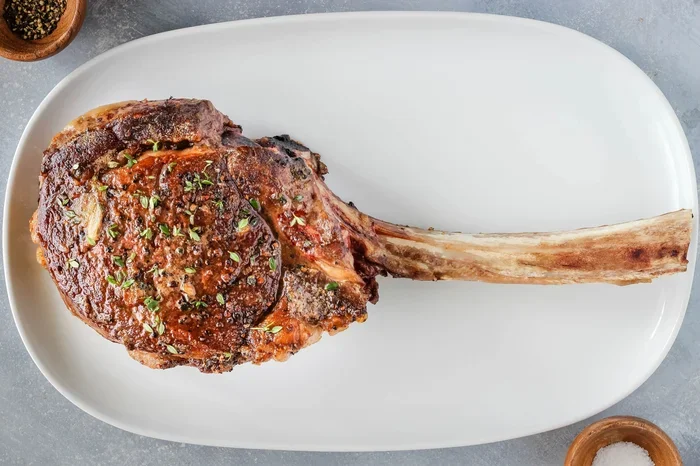
How To Make The Perfect Tomahawk Steak In The Oven
Making a tomahawk steak in the oven is easier than you think. This guide walks you through every step, from selecting the perfect cut to achieving a beautiful charred crust. You will learn the ideal oven temperature, seasoning tips, and cooking times for a perfectly juicy tomahawk steak.
There is something truly special about a tomahawk steak. It is the kind of cut that turns a simple dinner into an event. Whether you are celebrating a special occasion or just craving a restaurant-quality meal at home, learning how to make a tomahawk steak in the oven is a game-changer.
This massive, bone-in ribeye steak looks impressive on the plate and tastes even better. The long, clean bone gives it a classic presentation that screams steakhouse luxury. And the best part? You do not need a grill to get incredible results. Your oven can do all the heavy lifting.
In this guide, we will cover everything you need to know. From picking the perfect steak at the butcher counter to nailing the internal temperature, you will find all the details right here. We will walk you through seasoning, cooking times, and the reverse sear technique that makes oven-baked steak so tender and juicy.
If you have ever wanted to cook a thick-cut steak that rivals your favorite steakhouse, you are in the right place. Let us get started.
Key Takeaways
- Choose the right cut: A tomahawk steak is essentially a bone-in ribeye with a long frenched bone, giving it a dramatic presentation.
- Reverse sear method works best: Cooking low and slow in the oven, then finishing with a hot sear, produces the most even cook.
- Use a meat thermometer: Internal temperature is the most reliable way to gauge doneness for a thick oven-baked steak.
- Rest your steak: Letting the steak rest for at least 10 minutes ensures juicy, flavorful results.
- Season simply but effectively: Quality salt, pepper, garlic, and fresh herbs go a long way with a premium cut.
- Oven safety matters: Always use oven-safe cookware and follow safe handling practices, just as you would when checking if it is safe to put a pizza box in the oven.
📑 Table of Contents
What Is a Tomahawk Steak?
A tomahawk steak is a bone-in ribeye with at least five inches of exposed rib bone. The bone is carefully trimmed and “frenched,” meaning the meat and fat are cleaned off the bone to give it a clean, elegant look. This cut comes from the rib section of the cow, which is known for its rich marbling and deep beef flavor.
Because of the bone and the thick fat cap, a tomahawk steak cooks differently than a standard boneless ribeye. The bone acts as insulation, which means the meat near the bone stays slightly cooler during cooking. This is why many steak lovers prefer the reverse sear method for this cut.
Tomahawk steaks are often associated with premium dining experiences. They are a showstopper at any table. Once you learn how to cook one at home, you will never go back to ordering out.
Tomahawk Steak vs. Regular Ribeye
The main difference comes down to the bone and the thickness. A regular ribeye steak is typically one to two inches thick and sold boneless or with a short bone. A tomahawk steak is at least two inches thick and features a long, frenched bone. The bone adds flavor during cooking and gives the steak a distinctive look.
In terms of taste, both cuts are incredibly flavorful because they come from the same part of the cow. The rib area produces some of the most tender and well-marbled beef available. The tomahawk steak simply presents it in a more dramatic way.
What You Will Need
Before you start cooking, gather your tools and ingredients. Having everything ready makes the process smooth and enjoyable. Here is what you need:
Essential Equipment
- A bone-in tomahawk steak: Look for one that is at least two inches thick and weighs between 30 and 45 ounces. The more marbling, the better.
- A cast iron skillet: This is the best pan for achieving a perfect sear. It holds heat evenly and can go from stovetop to oven.
- A meat thermometer: This is non-negotiable. A digital probe thermometer takes the guesswork out of cooking thick steak.
- An oven-safe baking sheet or rack: You will use this for the low-temperature phase of cooking.
- Tongs: For flipping the steak safely without piercing the meat.
- A wire rack: This allows air to circulate around the steak during the slow-cook phase.
Ingredients for the Perfect Seasoning
- Kosher salt (coarse salt works best)
- Freshly cracked black pepper
- Garlic cloves, minced or sliced
- Fresh rosemary and thyme
- Unsalted butter
- Olive oil
Keep the seasoning simple. A high-quality tomahawk steak does not need a complicated spice blend. Salt, pepper, garlic, and fresh herbs let the natural flavor of the beef shine through.
How to Cook Tomahawk Steak in the Oven
Now for the fun part. The reverse sear method is the gold standard for cooking thick steaks in the oven. It involves cooking the steak at a low temperature first, then finishing it with a blazing-hot sear. This approach gives you an even pink interior with a beautiful, caramelized crust.
Step 1: Prep the Steak
Remove your tomahawk steak from the refrigerator at least 30 to 45 minutes before cooking. Let it come to room temperature. This is a crucial step because a cold steak will cook unevenly in the oven. The outer layers will overcook before the center reaches the right temperature.
Pat the steak dry with paper towels. Moisture is the enemy of a good sear. The drier the surface, the better the crust will be. Season generously on all sides with kosher salt and freshly cracked black pepper.
Step 2: Set Up Your Oven
Preheat your oven to 275°F (135°C). This low temperature slowly brings the steak up to the desired internal temperature without overcooking the outer layers. Place a wire rack on top of a baking sheet. Set the seasoned steak on the rack.
Place the baking sheet on the middle oven rack. Insert a meat thermometer into the thickest part of the steak, making sure it does not touch the bone. The bone conducts heat differently than the meat, so it can give a false reading.
Step 3: Slow Cook in the Oven
Now you wait. Cook the steak in the oven until it reaches an internal temperature of about 120°F (49°C) for a medium-rare finish. This usually takes 20 to 30 minutes depending on the thickness of the steak and your oven.
Every few minutes, check the temperature. Patience is key here. The low and slow approach ensures the heat penetrates evenly through the thick cut. You want the entire steak to be close to your target temperature before searing.
While the steak cooks, bring your cast iron skillet to room temperature. You will need it piping hot for the sear.
Step 4: Sear for a Perfect Crust
Heat your cast iron skillet over high heat until it is smoking hot. Add a tablespoon of olive oil and let it shimmer. Carefully place the steak in the skillet, bone side down first if possible. Sear for about 90 seconds per side, including the fat cap and the edges.
For extra flavor, add a few cloves of garlic, sprigs of rosemary, and a knob of butter to the skillet during the sear. Tilt the pan slightly and spoon the melted butter over the steak repeatedly. This is called basting, and it adds incredible richness and a nutty aroma.
Step 5: Rest and Serve
Remove the steak from the skillet and place it on a cutting board. Tent it loosely with aluminum foil and let it rest for at least 10 minutes. Resting allows the juices to redistribute throughout the meat. If you cut into it right away, those juices will run all over the board instead of staying in the steak.
After resting, slice against the grain and serve immediately. A tomahawk steak is best enjoyed fresh off the cutting board.
Quick Tips for the Perfect Sear
- Make sure the skillet is truly smoking hot before adding the steak.
- Do not move the steak during the sear. Let it develop a deep, dark crust.
- Baste with butter and aromatics for the last 30 seconds of searing.
- If you do not have a cast iron skillet, a heavy stainless steel pan works too.
Understanding Steak Doneness and Temperature
Cooking a tomahawk steak to the right doneness is all about internal temperature. The bone-in nature of this cut means you need to be especially careful with your readings. Here is a simple guide to help you nail every level of doneness.
Internal Temperature Guide
- Rare: 120°F (49°C) – A cool red center with a soft texture.
- Medium Rare: 130°F (54°C) – A warm red center, the most popular choice for a tomahawk steak.
- Medium: 140°F (60°C) – A pink center with a firmer texture.
- Medium Well: 150°F (66°C) – A hint of pink, mostly gray throughout.
- Well Done: 160°F (71°C) and above – Fully cooked through, not recommended for this cut.
Remember that the temperature will rise about 5 to 10 degrees after you remove the steak from the heat. This is called carryover cooking. Pull the steak off the heat a few degrees early to account for this.
Why Medium Rare Is the Sweet Spot
Most steak experts recommend medium rare for a tomahawk steak. At this temperature, the marbling has melted enough to add rich flavor, but the meat still retains its juiciness and tender texture. The bone also contributes to the flavor profile, adding a subtle mineral richness that enhances every bite.
If you are new to cooking thick steaks, start with medium rare. You can always cook it longer next time, but you cannot undo an overcooked steak. A good meat thermometer is your best friend in the kitchen.
Common Mistakes to Avoid
Even experienced home cooks make mistakes when cooking a thick cut steak in the oven. Here are the most common pitfalls and how to avoid them.
Skipping the Room Temperature Rest
Putting a cold steak straight into the oven leads to uneven cooking. The outside will be overcooked while the center is still cold. Always give your steak at least 30 minutes on the counter before cooking.
Not Drying the Surface
Moisture creates steam, and steam prevents browning. Pat your steak completely dry before seasoning. This single step makes a huge difference in the quality of your crust.
Using the Wrong Oven Temperature
Too high of an oven temperature will cook the outside before the inside reaches the right temperature. Stick to 275°F for the slow-cook phase. This gentle heat gives you an even pink interior from edge to edge.
Skipping the Rest
Cutting into the steak immediately after cooking releases all the juices. The steak will be dry and less flavorful. Always let it rest for at least 10 minutes before slicing.
Overcomplicating the Seasoning
A tomahawk steak is a premium cut. It does not need a complex spice rub. Simple salt and pepper, combined with garlic butter and fresh herbs during the sear, is all you need to let the natural beef flavor shine.
Serving Suggestions and Pairings
A perfectly cooked tomahawk steak deserves the right sides. Here are some ideas to round out your meal.
- Crispy garlic mashed potatoes: A classic pairing that complements the rich, beefy flavor.
- Grilled asparagus or roasted broccolini: Adds a fresh, earthy contrast to the steak.
- A bold red wine: A Cabernet Sauvignon or Malbec pairs beautifully with a bone-in ribeye.
- Simple side salad: A light salad with arugula, lemon, and olive oil cuts through the richness of the steak.
For a more unique twist, you could also try serving it with a chimichurri sauce or a red wine reduction. The key is to let the steak be the star of the show. Keep the sides simple and complementary.
When it comes to cooking techniques in the oven, remember that every oven behaves a little differently. If you have ever explored other oven-based recipes like making a tandoori oven at home, you know that understanding your specific oven’s hot spots and temperature accuracy is essential for great results.
Final Thoughts
Cooking a tomahawk steak in the oven is one of the most rewarding things you can do in the kitchen. It combines patience, technique, and a respect for a truly great cut of beef. The reverse sear method gives you restaurant-quality results without the hassle of an outdoor grill.
Start with a well-marbled, bone-in ribeye. Season it simply. Cook it low and slow. Sear it hot and fast. And always let it rest before cutting. Follow these steps and you will serve a steak that would make any steakhouse proud.
Whether you are cooking for a special someone, a family celebration, or simply treating yourself, the tomahawk steak is a cut that delivers on every level. The aroma that fills your kitchen, the beautiful presentation on the plate, and the incredible taste make it all worth the effort.
So grab your meat thermometer, preheat that oven, and give this recipe a try. You might just discover that the best oven-baked steak you ever had came from your own kitchen.
Frequently Asked Questions
Can I cook a tomahawk steak on the stovetop instead of the oven?
You can, but it is very difficult with a steak this thick. The stovetop does not provide the even, gentle heat needed to cook the center without burning the outside. The oven allows you to cook the steak slowly and evenly, which is why the reverse sear method works so well for this cut.
How long should I let my tomahawk steak rest before cooking?
Take the steak out of the refrigerator 30 to 45 minutes before cooking. This allows it to come closer to room temperature, which promotes more even cooking throughout the thick cut. A steak that starts at room temperature will cook more predictably in the oven.
What is the best wood for adding smoke flavor to an oven-baked steak?
While you cannot use a smoker in the oven, you can add a smoky flavor by using smoked paprika in your seasoning or by using a wood-infused butter during the sear. Hickory and mesquite chips can also be added to a foil pouch in the oven during the slow-cook phase for a subtle smoky aroma.
How do I know if my tomahawk steak is done without a meat thermometer?
A meat thermometer is the most reliable method, especially for a thick cut like a tomahawk steak. However, you can use the finger test by pressing the center of the steak and comparing the firmness to the feel of your palm. This method takes practice and is less accurate, so a thermometer is always recommended for consistent results.
Can I use a regular baking sheet instead of a wire rack?
A wire rack is preferred because it allows hot air to circulate around the steak during the slow-cook phase, promoting even cooking and a better crust. If you only have a baking sheet, you can place a wire cooling rack on top of it. Avoid placing the steak directly on the sheet pan, as this can cause the bottom to steam instead of roast.
Is it safe to leave the steak at room temperature before cooking?
Yes, for 30 to 45 minutes it is perfectly safe. However, you should not leave raw steak out for more than two hours, as this enters the food safety danger zone where bacteria can multiply. Always follow safe food handling practices, just as you would when checking if it is safe to put a pizza box in the oven or using any other kitchen appliance safely.
=== CONCLUSION ===
Making a tomahawk steak in the oven is a skill worth mastering. It is not complicated, but it does require patience and attention to detail. Follow the reverse sear method, use a reliable meat thermometer, and resist the urge to skip the resting step. The results will speak for themselves.
A perfectly cooked tomahawk steak is one of life’s great pleasures. The rich, beefy flavor, the tender texture, and the stunning presentation make it a dish worth every bit of effort. Whether you are a beginner or a seasoned home cook, this recipe will elevate your steak game to the next level.
Now that you know how to make the perfect tomahawk steak, it is time to fire up your oven and give it a try. Your taste buds will thank you.