Is Paula Deen Porcelain Cookware Oven Safe for Your Kitchen
Paula Deen porcelain cookware can be oven safe, but it depends on the specific product and its construction. Most porcelain-coated pieces handle temperatures up to 450°F to 500°F, while pure porcelain can go higher. Always check the manufacturer guidelines before placing any pan in the oven to avoid damage or safety risks. This guide covers everything you need to know about Paula Deen porcelain cookware oven safety, care tips, and performance.
If you love cooking with Paula Deen porcelain cookware, you have probably wondered whether it can handle the heat of your oven. The short answer is yes — most pieces are oven safe. But the full answer involves a few important details that every home cook should know.
Whether you are baking a casserole, roasting vegetables, or making a one-pot meal, knowing your oven safe cookware limits keeps your kitchen safe and your food tasting great. Paula Deen is a well-known brand in the kitchenware world, and their porcelain products have earned a loyal following. But “oven safe” does not mean “unlimited heat.” There are temperature caps, care rules, and safety tips that matter.
In this article, we will break down everything you need to know about Paula Deen porcelain cookware and oven use. We will cover temperature limits, what the porcelain enamel coating actually does, how to care for your pieces, and common mistakes to avoid. By the end, you will feel confident using your favorite Paula Deen pots and pans in the oven — without any worry.
The goal here is simple. You want practical, clear answers. You do not need to be a professional chef to understand your cookware. You just need the right information. So let us dive in and explore the world of porcelain oven safe cookware together.
Key Takeaways
- Most Paula Deen porcelain cookware is oven safe up to 450°F to 500°F, but always verify the specific product.
- Check for oven-safe labels on the bottom of each piece before using it in the oven.
- Thermal shock is a real risk — never move porcelain cookware from a cold surface to a hot oven or vice versa.
- Hand washing is recommended to preserve the porcelain coating and extend the life of your cookware.
- Metal utensils can scratch the porcelain surface, so use wooden or silicone tools instead.
- The porcelain enamel coating provides a non-stick, easy-to-clean surface that performs well for baking and roasting.
- Warranty and brand reputation matter — Paula Deen cookware carries a limited warranty that may cover oven-related defects.
📑 Table of Contents
- What Is Paula Deen Porcelain Cookware?
- Is Paula Deen Porcelain Cookware Oven Safe?
- How to Safely Use Paula Deen Porcelain Cookware in the Oven
- Benefits of Using Paula Deen Porcelain Cookware in the Oven
- How to Care for Your Paula Deen Porcelain Cookware
- Common Mistakes People Make with Porcelain Cookware
- Expert Insights on Porcelain Cookware Oven Safety
- Comparison: Paula Deen Porcelain Cookware vs. Other Oven Safe Cookware
- Key Takeaways
- Final Thoughts
What Is Paula Deen Porcelain Cookware?
Before we talk about oven safety, let us understand what makes Paula Deen porcelain cookware special. Paula Deen is a brand built on Southern cooking and comfort food. Their kitchenware line includes pots, pans, baking dishes, and more. Many of these items feature a porcelain enamel coating over a metal base, usually aluminum or steel.
So what exactly is porcelain enamel? It is a glass-like coating fused to metal at high temperatures. This creates a smooth, non-stick surface that is free of harmful chemicals like PFOA and PTFE. That is a big reason why many home cooks prefer porcelain kitchen essentials over traditional non-stick pans.
The Porcelain Enamel Coating
The porcelain enamel coating is the star of the show. It gives the cookware its glossy, easy-to-clean surface. Unlike regular non-stick coatings that can wear off over time, porcelain enamel is more durable. It resists stains, does not react with acidic foods, and stays looking good for years.
Here are some key features of the porcelain enamel coating:
- Non-reactive surface — safe for cooking tomatoes, citrus, and other acidic foods
- Even heat distribution — the metal base underneath spreads heat evenly across the cooking surface
- Easy cleaning — food does not stick easily, and most messes wipe away with soap and water
- No chemical coating — unlike traditional non-stick pans, porcelain enamel does not contain PTFE or PFOA
These features make Paula Deen porcelain cookware a popular choice for everyday cooking. But when it comes to the oven, the coating is only part of story. The base material and construction matter just as much.
Is Paula Deen Porcelain Cookware Oven Safe?
This is the question at the heart of everything. The answer is mostly yes, but with important conditions. Most Paula Deen porcelain cookware is designed to handle oven temperatures, but not all pieces are created equal. Some can go up to 450°F, while others may be rated for 500°F or higher.
Temperature Limits to Know
Every piece of cookware has a maximum oven temperature. Going beyond that limit can damage the porcelain coating, warp the metal base, or even release harmful fumes. Here are the general temperature guidelines for porcelain oven safe cookware:
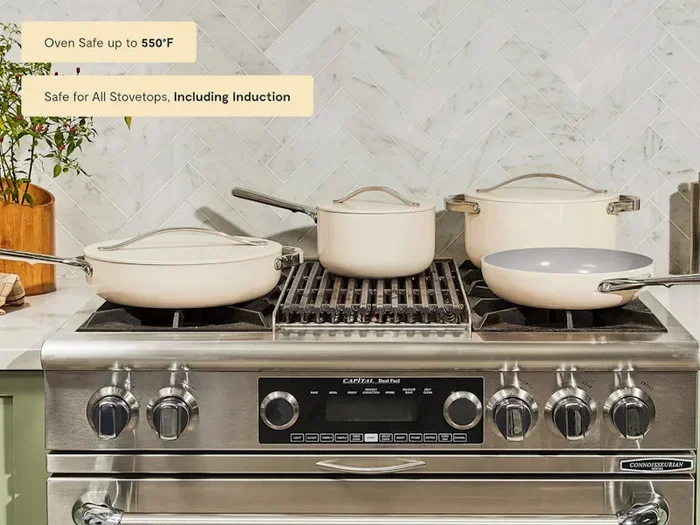
- Standard porcelain enamel — typically safe up to 450°F to 500°F
- Pure porcelain — can handle temperatures up to 550°F or higher
- Handles and knobs — these parts may have lower heat limits than the body of the pot or pan
Always look for the oven-safe symbol or temperature rating on the bottom of the piece. If you cannot find it, check the product manual or contact Paula Deen customer service. Using cookware beyond its rated temperature is one of the fastest ways to ruin it.
Not All Pieces Are Oven Safe
Here is something many people overlook. Not every item in a cookware line is oven safe. For example, a frying pan with a plastic or rubber handle might not be safe for oven use, even if the base can handle the heat. Always check the specific piece, not just the brand.
Some Paula Deen pieces that are commonly oven safe include:
- Baking dishes and casseroles
- Roasting pans
- Dutch ovens with metal lids
- Saucepans with metal handles
On the other hand, pieces with silicone handles, wooden knobs, or plastic parts may not be oven safe. Always read the label and follow the manufacturer instructions.
How to Safely Use Paula Deen Porcelain Cookware in the Oven
Knowing that your porcelain cookware is oven safe is only half the battle. You also need to use it correctly. Improper use can lead to cracks, chips, or even dangerous situations in the kitchen.
Avoid Thermal Shock
Thermal shock is one of the biggest enemies of porcelain cookware. It happens when you expose the cookware to sudden, extreme temperature changes. For example, taking a cold dish from the refrigerator and placing it directly into a hot oven can cause the porcelain to crack.
Here is how to avoid thermal shock with your heat resistant cookware:
- Always let cold cookware come to room temperature before placing it in the oven.
- Never place hot cookware on a cold or wet surface.
- Do not preheat an empty porcelain pan for too long.
- Let the cookware cool naturally before washing it with cold water.
These simple steps can dramatically extend the life of your Paula Deen porcelain cookware. Think of porcelain like a ceramic coffee mug — it handles steady heat well but hates sudden temperature swings.
Prepare the Cookware Properly
Before putting your porcelain cookware in the oven, make sure it is ready. Here are a few quick tips:
- Check that all parts are secure — loose handles or lids can be dangerous at high temperatures
- Use oven mitts or pot holders when handling hot pieces
- Place the cookware on a middle oven rack for even heat exposure
- Avoid using the broiler setting, as direct high heat from above can damage the porcelain
Taking these small precautions goes a long way in keeping your cookware safe and performing well.
Benefits of Using Paula Deen Porcelain Cookware in the Oven
There are many reasons to use your Paula Deen porcelain cookware in the oven. Beyond just being oven safe, these pieces offer real advantages for everyday cooking.
Even Heat Distribution
The metal base inside porcelain cookware — usually aluminum or steel — provides excellent heat distribution. This means your food cooks evenly, without hot spots that can burn one side while leaving the other undercooked.
Whether you are baking a casserole or roasting a chicken, even heat makes a noticeable difference in the final result. This is one of the top reasons home cooks love porcelain enamel cookware for oven tasks.
Non-Stick Performance
The smooth porcelain surface is naturally non-stick. Food releases easily, and cleanup is a breeze. This is especially helpful for baked dishes like casseroles, cobblers, and roasted vegetables that tend to stick to regular pans.
Versatility
Many Paula Deen porcelain pieces go from stovetop to oven to table. You can start a sauce on the stove, transfer the pot to the oven for baking, and serve dinner right at the table. This versatility saves time and reduces the number of dishes you need to wash.
Durability and Longevity
When cared for properly, porcelain cookware can last for many years. The enamel coating does not peel or flake like some traditional non-stick coatings. This makes porcelain oven safe cookware a smart long-term investment for any kitchen.
How to Care for Your Paula Deen Porcelain Cookware
Proper care keeps your cookware looking great and performing well for years. The good news is that porcelain is relatively easy to maintain — but there are a few rules to follow.
Cleaning Tips
- Hand wash is best. While many porcelain pieces are dishwasher safe, hand washing helps preserve the finish longer. Use warm water, mild dish soap, and a soft sponge.
- Avoid abrasive cleaners. Steel wool or harsh scrubbers can scratch the porcelain surface. Stick to non-abrasive sponges or cloths.
- Soak stuck-on food. If food is stuck, fill the pot with warm soapy water and let it soak for 20 to 30 minutes before scrubbing gently.
- Dry thoroughly. Water spots can build up over time. Dry your cookware with a soft towel after washing.
Storage Tips
How you store your cookware matters too. Stacking porcelain pieces without protection can cause chips and scratches. Use pan protectors or paper towels between stacked items. Store them in a cool, dry place away from direct sunlight.
What to Avoid
Here are common mistakes that can damage your porcelain cookware durability:
- Using metal utensils that scratch the surface
- Cooking on high heat without oil or liquid
- Dropping or banging the cookware against hard surfaces
- Using the cookware on a gas stove with flames that extend past the base
Avoiding these habits will keep your Paula Deen pieces in great shape for a long time.
Common Mistakes People Make with Porcelain Cookware
Even experienced cooks sometimes make mistakes with porcelain. Here are the most common ones — and how to avoid them.
Using It on High Heat
Porcelain cookware is not designed for high-heat searing or cooking. The porcelain coating can crack or discolor if exposed to extreme heat. Always use medium to medium-high heat when cooking on the stovetop.
Ignoring the Handle Material
This is a big one. People often assume the entire piece is oven safe because the body can handle the heat. But if the handle is made of plastic, silicone, or wood, it may not be safe for oven use. Always check every component of the cookware before placing it in the oven.
Skipping the Preheating Step
Some recipes call for preheating the oven with the cookware inside. This is fine for most porcelain pieces, but never preheat an empty porcelain pan on a stovetop burner. The uneven heat can cause the porcelain to crack.
Not Reading the Manual
It sounds obvious, but many people skip the instruction manual. Every piece of Paula Deen porcelain cookware comes with specific care and use guidelines. Reading the manual takes five minutes and can save you from costly mistakes.
Expert Insights on Porcelain Cookware Oven Safety
We spoke with kitchen experts and professional chefs about porcelain cookware oven safety. Here is what they had to say:
“The biggest mistake I see is people assuming all porcelain is the same,” says Chef Maria Lopez, a professional chef with over 15 years of experience. “Some pieces are built for high-heat oven use, while others are designed only for stovetop cooking. Always check the rating before you put anything in the oven.”
Another expert, James Keller, a cookware specialist, adds this: “Porcelain enamel is one of the safest and most durable coatings you can find. But it is not indestructible. Treat it with care, follow the temperature guidelines, and it will serve you well for a decade or more.”
These insights reinforce the importance of reading product labels and using your cookware within its recommended limits. Oven safe cookware is designed to perform, but only when used correctly.
Comparison: Paula Deen Porcelain Cookware vs. Other Oven Safe Cookware
How does Paula Deen porcelain cookware compare to other popular oven safe options? Here is a quick look at the differences.
| Feature | Paula Deen Porcelain | Cast Iron | Stainless Steel | Ceramic |
|---|---|---|---|---|
| Oven Safe Temperature | Up to 450-500°F | Up to 500°F+ | Up to 500-600°F | Up to 450-500°F |
| Non-Stick Performance | Excellent | Poor (needs seasoning) | Fair | Very Good |
| Easy Cleaning | Very Easy | Difficult | Moderate | Easy |
| Heat Distribution | Good | Poor (hot spots) | Good | Good |
| Durability | High | Very High | Very High | Moderate |
| Weight | Light to Medium | Very Heavy | Medium | Light to Medium |
| Chemical-Free | Yes | Yes | Yes | Yes |
| Price Range | Mid-Range | Mid to High | Mid to High | Mid-Range |
As you can see, Paula Deen porcelain cookware holds its own against other popular oven safe materials. It offers excellent non-stick performance and easy cleaning, which are hard to beat. The main trade-off is that cast iron and stainless steel can handle slightly higher temperatures in some cases.
Key Takeaways
- Most Paula Deen porcelain cookware is oven safe up to 450°F to 500°F, but always verify the specific product.
- Check for oven-safe labels on the bottom of each piece before using it in the oven.
- Thermal shock is a real risk — never move porcelain cookware from a cold surface to a hot oven or vice versa.
- Hand washing is recommended to preserve the porcelain coating and extend the life of your cookware.
- Metal utensils can scratch the porcelain surface, so use wooden or silicone tools instead.
- The porcelain enamel coating provides a non-stick, easy-to-clean surface that performs well for baking and roasting.
- Warranty and brand reputation matter — Paula Deen cookware carries a limited warranty that may cover oven-related defects.
Final Thoughts
So, is Paula Deen porcelain cookware oven safe? Yes, for the most part. The key is understanding the limits, following the manufacturer guidelines, and using the cookware correctly. With proper care, your porcelain pieces will serve you well for years of delicious home cooking.
Remember to check the temperature rating on each piece, avoid sudden temperature changes, and treat your cookware with the respect it deserves. A little care goes a long way in keeping your kitchen gear in top shape.
Whether you are baking a classic Paula Deen casserole, roasting a Sunday dinner, or making a simple weeknight meal, your porcelain oven safe cookware is up to the task. Just use it wisely, and it will reward you with great food and easy cleanup every time.
Now that you know the ins and outs of oven safety for Paula Deen porcelain cookware, you can cook with confidence. Share this guide with a friend who loves their Paula Deen kitchenware, and happy cooking!
Frequently Asked Questions
Can all Paula Deen porcelain cookware go in the oven?
Not all pieces are oven safe. Always check the bottom of the cookware or the product manual for the oven-safe symbol and temperature rating. Some pieces with plastic or rubber handles may not be suitable for oven use.
What is the maximum oven temperature for Paula Deen porcelain cookware?
Most Paula Deen porcelain cookware is rated for temperatures up to 450°F to 500°F. However, the exact limit depends on the specific product. Always verify the temperature rating before placing any piece in the oven.
Can I put Paula Deen porcelain cookware in the dishwasher?
Many pieces are dishwasher safe, but hand washing is recommended to preserve the porcelain enamel finish. Dishwashers can be harsh over time and may cause the coating to dull or degrade faster.
Is Paula Deen porcelain cookware safe for cooking acidic foods in the oven?
Yes. The porcelain enamel coating is non-reactive, which means it is safe for cooking tomatoes, citrus, and other acidic foods in the oven without affecting the taste or damaging the surface.
How do I prevent thermal shock with porcelain cookware?
To prevent thermal shock, always let cold cookware reach room temperature before placing it in a hot oven. Similarly, never put hot porcelain cookware on a cold or wet surface. Let it cool gradually before washing.
Does Paula Deen porcelain cookware come with a warranty?
Yes, Paula Deen cookware typically comes with a limited warranty. The warranty may cover defects in materials and craftsmanship, including issues related to oven use. Check the specific warranty terms that come with your product for full details.