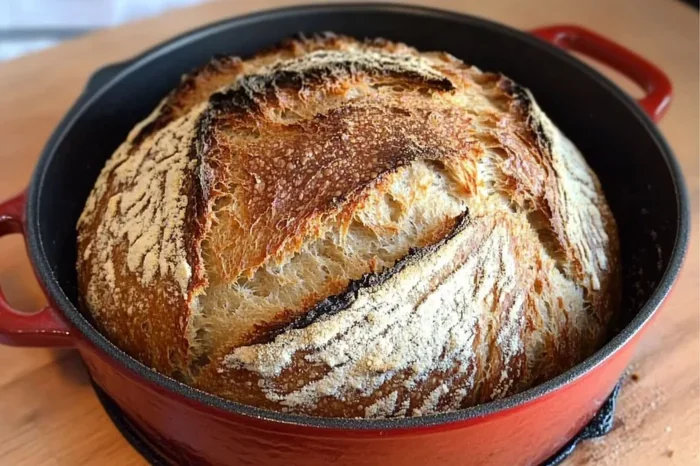
What Size Dutch Oven To Bake Sourdough Bread Made Easy
Choosing the right size dutch oven is the key to perfect sourdough bread. A 5-quart or 6-quart Dutch oven works best for most home bakers. The ideal size depends on your loaf shape, dough weight, and desired crust thickness. Using the wrong size can lead to flat bread, poor oven spring, or uneven baking. This guide makes it easy to find your perfect fit.
Baking sourdough bread at home is one of the most rewarding things you can do in the kitchen. But here is the thing — your Dutch oven size can make or break your loaf. Many beginners grab whatever pot they have and hope for the best. The truth is, what size Dutch oven to bake sourdough bread is one of the most important decisions you will make. The right pot gives you a beautiful crust, perfect oven spring, and a fluffy crumb. The wrong size? You end up with a flat, dense disappointment.
This guide walks you through everything you need to know. We will cover the best sizes, why they matter, and how to pick the perfect Dutch oven for your sourdough journey. Whether you are a complete beginner or a seasoned baker looking to level up, this article has you covered. Let us dive in and make your next bake a success.
Key Takeaways
- 5-quart Dutch oven: The most popular choice for standard sourdough boules and batards.
- 6-quart Dutch oven: Best for larger loaves, whole wheat dough, or bakers who prefer bigger crusty loaves.
- 3.5-quart Dutch oven: Great for small batches, individual loaves, or test bakes.
- Shape matters: Round Dutch ovens suit boules, while oval ones work well for batards.
- Material counts: Cast iron retains heat best, but ceramic and enameled options work too.
- Preheating is essential: Always preheat your Dutch oven for the best oven spring and crust.
📑 Table of Contents
- Why Dutch Oven Size Matters for Sourdough Bread
- Standard Dutch Oven Sizes Explained
- How to Choose the Right Size for Your Loaf
- Best Dutch Ovens for Sourdough Baking
- Tips for Perfect Sourdough in a Dutch Oven
- Common Mistakes to Avoid When Using a Dutch Oven for Sourdough
- Expert Insights on Dutch Oven Sizing
- Key Takeaways
- Conclusion
Why Dutch Oven Size Matters for Sourdough Bread
You might wonder why size is such a big deal. The answer lies in how a Dutch oven works. When you bake sourdough bread inside a closed pot, the lid traps steam. This steam keeps the outside of the dough moist during the first part of baking. That moisture allows the loaf to expand freely without the crust hardening too early. This process is called oven spring, and it is what gives sourdough its dramatic rise and airy interior.
If your Dutch oven is too small, the dough has no room to expand. The crust forms too fast, and your loaf stays flat and dense. If the pot is too large, there is not enough steam trapped around the bread. The crust sets too early, and you lose that beautiful rise. Both situations lead to disappointing results.
The right size creates the perfect environment. The dough rises freely, the crust develops evenly, and you get that signature sourdough crust that crackles when you break it open. Size is not just a detail — it is the foundation of great Dutch oven bread.
Understanding Oven Spring
Oven spring happens in the first 10 to 15 minutes of baking. During this time, the yeast in your sourdough starter produces gas, and the dough expands rapidly. The trapped steam inside the Dutch oven keeps the surface soft enough to allow this expansion.
Here is how size affects oven spring:
- Too small: The dough hits the lid and sides. Expansion is restricted. You get a loaf that spreads out instead of rising up.
- Just right: The dough has room to grow. Steam circulates evenly. The loaf rises tall and proud with a beautiful shape.
- Too large: Steam escapes too quickly. The crust sets before the dough fully expands. You lose volume and get a thinner loaf.
The goal is to match your pot size to your dough volume. A good rule of thumb is that the dough should fill about one-third to one-half of the Dutch oven at the start of baking. As it rises, it should fill about two-thirds. This gives you the perfect balance of steam and space.
Standard Dutch Oven Sizes Explained
Dutch ovens come in a range of sizes. Most brands measure capacity in quarts. Here is a breakdown of the most common sizes and what they mean for your sourdough baking.
3.5-Quart Dutch Oven
This is a compact size that works well for small loaves or individual portions. If you bake a single sourdough boule weighing about 500 grams, a 3.5-quart pot can work. It is also great for testing new recipes before committing to a larger batch. However, it will feel tight for anything over 750 grams of dough.
5-Quart Dutch Oven
The 5-quart size is the sweet spot for most sourdough bakers. It comfortably fits a standard 500- to 750-gram loaf. This is the size most sourdough recipes are designed for. A 5-quart round Dutch oven gives your dough plenty of room to expand while still trapping enough steam for excellent oven spring.
Most popular brands like Le Creuset, Staub, and Lodge offer a 5-quart option. It is widely considered the best all-around size for home bakers. If you are unsure which size to buy, this is the one to choose.
6-Quart Dutch Oven
A 6-quart Dutch oven is ideal for larger loaves or bakers who prefer bigger sourdough loaves. It handles dough weights of 750 grams to 1 kilogram easily. This size is also great if you like a thick, deeply caramelized crust. The extra space allows the dough to spread a bit more, giving you a wider, flatter boule if that is your style.
Some bakers find a 6-quart pot too big for smaller dough batches. The extra space means less steam concentration, which can affect crust development. But if you bake frequently and in larger quantities, a 6-quart is a fantastic choice.
7-Quart and Larger Dutch Ovens
These sizes are less common for single sourdough loaves. They are better suited for baking multiple loaves at once or for cooking large meals. If your goal is strictly baking sourdough, you probably do not need anything larger than 6 quarts. These oversized pots can also take longer to preheat, which adds time to your baking routine.
How to Choose the Right Size for Your Loaf
Choosing the right size comes down to a few simple factors. Let us walk through them so you can make a confident decision.
Match the Pot to Your Dough Weight
The weight of your dough is the most important factor. Here is a quick reference guide:
- 400-500 grams of dough: A 3.5-quart Dutch oven works well.
- 500-750 grams of dough: A 5-quart Dutch oven is ideal.
- 750-1000 grams of dough: A 6-quart Dutch oven gives you the best results.
- Over 1000 grams of dough: Consider a 7-quart pot or bake in two rounds.
These numbers assume a standard round or oval shape. If you bake a very flat or very tall loaf, you may need to adjust. A flatter, wider boule needs more horizontal space, while a tall batard needs more vertical room.
Consider the Shape of Your Dutch Oven
Shape plays a bigger role than many bakers realize. Most sourdough boules (round loaves) do best in round Dutch ovens. Batards (oval or elongated loaves) benefit from oval-shaped pots.
Using a round pot for an oval loaf can result in awkward shaping and uneven baking. The corners of a round pot can create hot spots that brown the dough unevenly. An oval Dutch oven wraps around the loaf more naturally, promoting even bread baking results.
Think About Your Baking Frequency
How often do you bake? If you bake sourdough weekly, a 5-quart or 6-quart Dutch oven is a solid investment. If you only bake once a month, a smaller size might save you money and storage space. Think about your real baking habits, not just the perfect scenario.
Account for Your Oven Size
A large Dutch oven needs adequate space in your oven. You need room for air circulation around the pot for even heat distribution. If your oven is small, a 5-quart pot might be the largest you can comfortably fit. Measure your oven interior before buying a big pot.
Best Dutch Ovens for Sourdough Baking
Not all Dutch ovens are created equal when it comes to baking sourdough. The material, construction, and design all affect your results. Here are the most popular options and what makes each one special.
Cast Iron Dutch Ovens
Cast iron is the gold standard for sourdough baking. It holds heat incredibly well and distributes it evenly. A preheated cast iron Dutch oven delivers that intense, steady heat your dough needs for maximum oven spring. The heavy lid traps steam perfectly, creating that crackly, golden sourdough crust.
The downside is weight. Cast iron is heavy, and a full 5-quart pot can weigh 10 pounds or more. You also need to season it properly to maintain its nonstick surface. But if you want the best Dutch oven baking results, cast iron is hard to beat.
Enameled Cast Iron Dutch Ovens
Enameled cast iron gives you all the heat retention benefits of raw cast iron without the seasoning hassle. Brands like Le Creuset and Staub are beloved by sourdough bakers for good reason. The enamel coating makes cleanup easy and comes in beautiful colors.
The main drawback is price. Quality enameled Dutch ovens can be expensive. But they last a lifetime and perform beautifully. If you want a set-it-and-forget-it option that looks great on your table, enameled cast iron is a top choice.
Ceramic Dutch Ovens
Ceramic Dutch ovens are a lighter alternative. They heat up faster than cast iron and work well for sourdough. However, they do not retain heat as long, which can affect crust development during longer bakes. A ceramic Dutch oven is a good option if you want something easier to handle and do not mind a slightly thinner crust.
Comparison Table: Dutch Oven Sizes and Best Uses
| Size | Dough Weight | Best For | Shape Options |
|---|---|---|---|
| 3.5 Quart | 400-500g | Small boules, test bakes | Round |
| 5 Quart | 500-750g | Standard sourdough boules and batards | Round or Oval |
| 6 Quart | 750-1000g | Large loaves, whole wheat dough | Round or Oval |
| 7+ Quart | 1000g+ | Multiple loaves or very large batches | Round or Oval |
Tips for Perfect Sourdough in a Dutch Oven
Now that you know which size to choose, here are some practical tips to get the best results every time you bake sourdough bread.
Always Preheat Your Dutch Oven
Preheating is non-negotiable for great sourdough. Place your empty Dutch oven in the oven and heat it to 450-500°F for at least 30 minutes. A hot pot creates an immediate burst of steam when the dough goes in, which is essential for oven spring. The hot walls and bottom also set the bottom crust perfectly.
Use oven mitts when handling a preheated Dutch oven. It will be extremely hot. Some bakers place the pot on a baking stone or steel to help with heat retention and even baking.
Score Your Dough Properly
Sourdough scoring is the practice of cutting the top of the loaf before baking. This gives the bread a controlled place to expand during oven spring. A sharp blade or lame makes clean cuts that look beautiful and help the loaf rise evenly.
Score about half an inch deep at a 30- to 45-degree angle. A single slash or an ear-forming slash works well for most boules. The pattern is up to you, but make sure the cuts are confident and decisive.
Use Parchment Paper for Easy Transfer
Shaping your dough on a piece of parchment paper makes it easy to transfer it into the hot Dutch oven. Simply lift the parchment and lower the dough into the preheated pot. This also makes cleanup much easier. Some bakers skip this step, but it saves time and prevents burns.
Bake With the Lid On, Then Off
The standard method is to bake covered for the first 20-25 minutes. This traps steam and promotes oven spring. Then remove the lid and bake for another 20-25 minutes until the crust is deeply golden brown.
Some bakers prefer to bake entirely covered for a softer crust. Others remove the lid earlier for a thicker, crunchier exterior. Experiment to find what you like best. The key is to monitor the color of the crust closely during the uncovered phase.
Let the Bread Cool Completely
This is one of the hardest tips to follow, but it is the most important. Your sourdough loaf continues to cook inside even after you take it out of the oven. Cutting into it too early releases steam and can make the crumb gummy. Wait at least one hour before slicing. Use a bread knife for clean cuts.
Common Mistakes to Avoid When Using a Dutch Oven for Sourdough
Even experienced bakers make mistakes. Here are the most common ones and how to avoid them.
Using a Pot That Is Too Small
This is the number one mistake. A too-small Dutch oven restricts the dough and prevents proper oven spring. The loaf spreads out instead of rising up, and the crust becomes thick and hard. Always check the recommended dough weight for your pot size before baking.
Skipping the Preheat
Putting cold dough into a cold pot is a recipe for disappointment. Without a hot start, you will not get the steam needed for a good rise. The crust will be pale and soft, and the crumb will be dense. Always preheat your pot for at least 30 minutes.
Overfilling the Dutch Oven
Leaving too little headroom causes the dough to overflow during baking. The crust can stick to the lid and sides, tearing apart your loaf. Leave at least 2-3 inches of space between the top of the dough and the lid. This gives the bread room to expand freely.
Not Letting the Pot Cool Between Bakes
If you bake multiple loaves back to back, let the Dutch oven cool for at least 10-15 minutes between bakes. A scorching-hot pot can burn the bottom of your next loaf. A brief cooling period ensures more consistent results.
Using the Wrong Lid
Some Dutch ovens have lids that do not seal tightly. Loose lids let steam escape, which reduces oven spring. If your lid does not fit snugly, you can wrap a strip of aluminum foil around the rim to create a better seal. This simple trick can dramatically improve your results.
Expert Insights on Dutch Oven Sizing
Professional sourdough bakers agree that the 5-quart Dutch oven is the most versatile size for home baking. It strikes the perfect balance between capacity and heat retention. Many artisan bakeries use similar-sized pots in their brick ovens, scaled to the size of their loaves.
Bread baking experts also emphasize the importance of thermal mass. A heavier Dutch oven holds more heat and delivers more consistent results. This is why cast iron remains the preferred material. The weight is not just for durability — it directly impacts the quality of your sourdough crust and crumb.
Another expert tip is to invest in a Dutch oven with a tight-fitting lid. The seal matters more than people think. Even a small gap can release enough steam to affect your oven spring. If you are serious about baking sourdough at home, choose a pot with a well-fitting, heavy lid.
Key Takeaways
- 5-quart Dutch oven: The most popular and versatile size for standard sourdough loaves.
- 6-quart Dutch oven: Best for larger dough batches or thicker crusts.
- 3.5-quart Dutch oven: Great for small batches and testing new recipes.
- Shape matters: Round for boules, oval for batards.
- Always preheat: A hot pot is essential for oven spring and a great crust.
- Match dough weight to pot size: One-third to one-half fill at the start is ideal.
- Cast iron is king: It provides the best heat retention and crust development.
Conclusion
Finding the right size Dutch oven to bake sourdough bread does not have to be complicated. The answer is simpler than most people think. A 5-quart Dutch oven works for the vast majority of home bakers. It fits standard loaf sizes, traps steam beautifully, and delivers consistent results batch after batch.
If you bake larger loaves or prefer a thicker crust, go with a 6-quart. If you are just starting out or baking small batches, a 3.5-quart is a great place to begin. The key is to match your pot to your dough, preheat properly, and give your bread the room it needs to rise.
Baking sourdough bread is a journey, and the right Dutch oven is one of the most important tools on that journey. Once you find your perfect fit, you will notice a dramatic improvement in your loaves. The crust will be crispier, the crumb will be airier, and the oven spring will be more dramatic. Start with the right size, follow the tips in this guide, and you will be baking professional-quality sourdough bread at home in no time.
Grab your Dutch oven, feed your sourdough starter, and get ready to bake. The perfect loaf is waiting for you.
Frequently Asked Questions
Can I use a 4-quart Dutch oven for sourdough bread?
A 4-quart Dutch oven can work for smaller loaves up to about 400 grams. It is a bit tight for standard recipes, but it is a good option if you prefer smaller, individual-sized sourdough boules. Just be careful not to overfill the pot.
What is the best shape Dutch oven for sourdough?
A round Dutch oven works best for round sourdough boules. An oval Dutch oven is ideal for batards or elongated loaves. Choose the shape that matches the loaf you plan to bake for the most even results.
Do I need a lid that fits tightly for sourdough baking?
Yes, a tight-fitting lid is essential. It traps steam inside the pot, which is what creates the excellent oven spring and crispy crust that sourdough is known for. If your lid is loose, you can wrap foil around the rim to improve the seal.
Can I bake sourdough without a Dutch oven?
You can, but a Dutch oven gives you the best results. It traps steam and creates the ideal baking environment. Without one, you can use a baking stone or steel with a tray of water in the oven, but the crust and rise will not be as dramatic.
How long should I preheat my Dutch oven before adding the dough?
Preheat your Dutch oven for at least 30 minutes at 450-500°F. This ensures the pot is thoroughly heated and ready to give your dough the intense burst of heat and steam it needs for maximum oven spring.
Is enameled cast iron safe for high-temperature sourdough baking?
Yes, most enameled cast iron Dutch ovens are safe up to 500°F or higher, which is perfect for sourdough baking. Just check the manufacturer’s guidelines to be sure. Avoid thermal shock by never placing a cold enameled pot on a hot surface or into a hot oven.