Can I Put My Lodge Dutch Oven In The Oven Without Damage
Yes, you can put your Lodge Dutch oven in the oven — it is one of the most versatile pieces of cast iron cookware you own. Most Lodge Dutch oven models handle temperatures up to 500°F, making them perfect for braising, baking, and roasting. However, you need to watch the lid handle, avoid thermal shock, and follow a few simple rules. This guide covers everything you need to know about using your Lodge Dutch oven in the oven safely and confidently.
There is something deeply satisfying about pulling a heavy, well-seasoned Dutch oven out of the oven. The aroma of a slow-cooked meal fills the kitchen. Your Lodge Dutch oven has been your trusty companion on the stovetop, and now you want to take it further. The question is simple: can I put my Lodge Dutch oven in the oven? The answer is a resounding yes — but there are important details you need to know.
Whether you own a classic Lodge 6-quart Dutch oven or a newer enameled model, understanding oven safety is essential. You want to protect your investment. You want your food to cook perfectly every time. And you definitely do not want unexpected damage from improper use. This guide walks you through everything step by step.
Lodge Dutch ovens are built to last a lifetime. They are made from durable cast iron that distributes heat evenly and holds it for hours. The oven-safe design makes them ideal for casseroles, bread baking, roasts, and so much more. But knowing the limits and best practices keeps your Dutch oven in top shape for decades of use.
Key Takeaways
- Lodge Dutch ovens are oven-safe up to 500°F: The enameled and bare cast iron versions handle high heat beautifully.
- Thermal shock is the biggest enemy: Never plunge a cold Dutch oven into a hot oven or vice versa.
- Watch the lid handle: Some Lodge models have phenolic handles that limit top heat exposure.
- Seasoning matters for bare cast iron: Proper maintenance keeps your Dutch oven performing year after year.
- You can braise, bake, roast, and more: The Lodge Dutch oven excels at a wide range of oven cooking methods.
- Avoid the broiler on high settings: Direct top heat can damage the enamel or seasoning over time.
- Cleaning after oven use is simple: Warm water and mild soap work for enameled models.
📑 Table of Contents
- Understanding Your Lodge Dutch Oven
- Temperature Limits for Lodge Dutch Ovens
- Can You Put a Lodge Dutch Oven in the Oven Safely?
- Best Oven Recipes for Your Lodge Dutch Oven
- Common Mistakes to Avoid
- Care and Maintenance After Oven Use
- Expert Tips for Dutch Oven Oven Cooking
- Comparison: Enameled vs. Bare Cast Iron for Oven Use
- Final Thoughts
Understanding Your Lodge Dutch Oven
Before you place your Dutch oven in the oven, it helps to understand what makes it special. Lodge has been crafting cast iron cookware since 1896. Their Dutch ovens come in two main types: bare cast iron and enameled cast iron. Both are oven-safe, but they have different care requirements.
Bare Cast Iron Lodge Dutch Oven
The traditional Lodge Dutch oven is made from raw cast iron. It comes pre-seasoned from the factory, but you can build up more layers over time. This type of Dutch oven is incredibly versatile. It works on the stovetop, over a campfire, and in the oven. The bare cast iron surface improves with use, developing a natural non-stick patina through seasoning.
One thing to keep in mind with bare cast iron is that it reacts with acidic foods. Tomatoes, wine, and citrus can strip the seasoning if cooked for long periods. For oven use, this is less of a concern since most oven recipes involve longer cooking times with neutral fats. Still, it is good to be aware of this limitation.
Enameled Lodge Dutch Oven
Lodge also offers enameled Dutch ovens. These feature a glass-like coating fused to the cast iron. The enamel surface is non-reactive, which means you can cook acidic foods without worry. Enameled models are also easier to clean because food does not stick as readily. They come in a wide range of colors that make them as pretty on the table as they are functional in the kitchen.
The enamel coating does have one vulnerability: it can chip if dropped or impacted. Once chipped, the bare cast iron underneath is exposed and can rust if not cared for properly. So handling enameled Dutch ovens with care is important, especially when moving them in and out of the oven.
Temperature Limits for Lodge Dutch Ovens
This is where many people get confused. How hot can a Lodge Dutch oven get in the oven? The answer depends on your specific model, but most Lodge Dutch ovens are rated for temperatures up to 500°F. Some models can handle even higher heat, but 500°F is the safe, universal number to remember.
Here is a quick breakdown of common temperature ranges for oven cooking with a Lodge Dutch oven:
- Low heat (200-275°F): Perfect for slow-cooking stews, braises, and overnight recipes.
- Medium heat (300-375°F): Great for casseroles, baked pasta, and one-pot meals.
- High heat (400-500°F): Ideal for roasting meats, baking bread, and making deep-dish pizzas.
Always check the bottom of your Dutch oven or the product packaging for the exact temperature rating. Lodge prints this information clearly on their cookware. If you are unsure, sticking to 500°F is a safe bet for any Lodge Dutch oven model.
What About the Broiler?
The broiler is a tricky zone for Dutch oven use. While the oven-safe temperature limit might be 500°F, the broiler creates intense, direct heat from above. This can cause uneven heating and potentially damage the enamel or seasoning. If you want to finish a dish under the broiler, transfer the food to a different pan first. This small step goes a long way in protecting your cookware.
Can You Put a Lodge Dutch Oven in the Oven Safely?
Now for the core question. The short answer is yes, but there are best practices that make the difference between years of reliable use and premature wear. Following these guidelines keeps your Dutch oven safe and your food cooking perfectly.
Preheat the Oven Gradually
Never place a cold Dutch oven into a preheated hot oven. The sudden temperature change can cause thermal shock, which may crack the enamel or warp the cast iron. Instead, place the cold Dutch oven in a cold oven and then set the temperature. Let the oven and the pot heat up together. This gradual process protects the material and ensures even cooking.
The same rule applies when you are done cooking. Let the Dutch oven cool down inside the oven with the door slightly open. Do not plunge it into cold water. This is the number one mistake people make with cast iron cookware, and it applies just as much to Dutch ovens as it does to other pieces.
Mind the Lid Handle
Lodge Dutch ovens typically have a lid with a built-in knob or handle. Many of these handles are made from phenolic resin, which is a type of heat-resistant plastic. However, phenolic handles are usually rated for temperatures around 350-400°F. If you plan to cook above that range, consider using a cloth or silicone wrap over the lid handle for insulation.
Some newer Lodge models feature metal lid knobs that can handle higher oven temperatures. Check your specific model to know what you are working with. This small detail can save you from a melted or damaged lid knob down the road.
Use Oven Mitts Every Time
A Lodge Dutch oven is heavy. When it is hot, it is even heavier. Always use thick, dry oven mitts when handling the pot. The cast iron retains heat for a long time, and touching the bare metal with bare hands leads to burns. Keep a pair of dedicated oven mitts near your Dutch oven so they are always within reach.
Best Oven Recipes for Your Lodge Dutch Oven
The real beauty of a Lodge Dutch oven is what you can cook inside it. From weeknight dinners to weekend baking projects, the possibilities are endless. Here are some of the best ways to use your Dutch oven in the oven.
Braising and Slow Cooking
Braising is the classic Dutch oven technique. You sear meat on the stovetop, add vegetables and liquid, then transfer the whole pot to the oven. The enclosed environment traps moisture and creates incredibly tender results. Pot roasts, short ribs, and pulled pork all shine in a Lodge Dutch oven.
For best braising results, set your oven to 300-325°F. This low-and-slow approach breaks down tough connective tissue in meats without drying them out. A 3-4 hour braise in a Dutch oven produces fall-off-the-bone tenderness that no other method can match.
Bread Baking
Baking bread in a Dutch oven has become hugely popular, and for good reason. The heavy cast iron traps steam, creating a crispy, golden crust that rivals professional bakery bread. No special bread stone or Dutch oven insert is needed. Just shape your dough, place it in the pot, cover with the lid, and bake.
Preheat your Dutch oven at 450°F for at least 30 minutes before adding the dough. The hot pot immediately starts the baking process, giving you that beautiful oven spring. Then reduce the temperature to 425°F and bake for another 25-30 minutes with the lid off.
One-Pot Meals and Casseroles
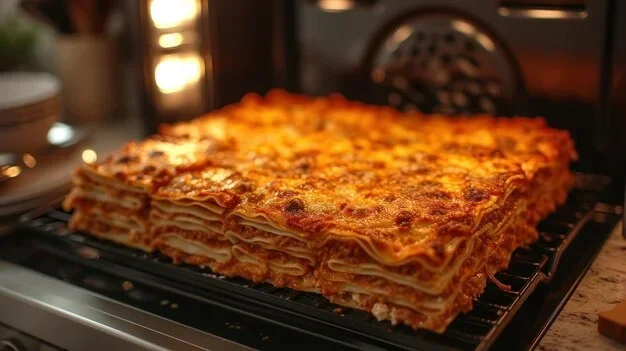
One-pot meals are where the Lodge Dutch oven truly shines as an everyday cooking tool. You can brown ingredients on the stovetop, add everything else, and move the whole pot to the oven. Enchilada casseroles, baked pasta, and stuffed dishes all work wonderfully. For inspiration on oven-cooked stuffed dishes, you can explore how to cook stuffed rouladen in the oven — the principles apply directly to Dutch oven cooking too.
Deep Dish Pizza
Your Lodge Dutch oven doubles as a pizza stone and pizza pan in one. Preheat the pot in the oven, add your dough and toppings, and bake at 450-500°F. The result is a crispy crust with perfectly melted cheese on the bottom and top. It is a game-changer for homemade pizza night.
For more on oven-safe cookware and containers, check out whether it is safe to put a pizza box in the oven — understanding what is and is not oven-safe helps you make smarter cooking decisions.
Common Mistakes to Avoid
Even experienced cooks make mistakes with their Dutch ovens. Knowing what to avoid saves you time, money, and frustration. Here are the most common errors people make when using a Lodge Dutch oven in the oven.
- Thermal shock from temperature changes: Going from freezer to oven or hot oven to cold countertop can cause cracks. Always allow gradual temperature transitions.
- Using on the stovetop with the oven lid on: The lid is designed for oven use, not stovetop cooking. The knob can melt on a direct flame.
- Soaking in water for too long: Leaving your Dutch oven soaking overnight can cause rust on bare cast iron and loosen the enamel on enameled models.
- Cooking on high heat without liquid: Cast iron heats slowly but retains heat intensely. Dry high heat can warp the bottom or burn food.
- Ignoring the manufacturer’s guidelines: Every Lodge Dutch oven comes with care instructions. Reading them takes five minutes and prevents costly mistakes.
Care and Maintenance After Oven Use
Taking care of your Lodge Dutch oven after oven use is simple and quick. A little maintenance goes a long way in extending the life of your cookware.
Cleaning Enameled Dutch Ovens
Enameled Lodge Dutch ovens are the easiest to clean. After cooking, let the pot cool until it is safe to handle. Add warm water and a small amount of mild dish soap. Use a non-abrasive sponge to clean the interior. For stubborn stuck-on food, soak the pot for 20-30 minutes before scrubbing. Avoid steel wool or harsh scouring pads on enameled surfaces.
Cleaning Bare Cast Iron Dutch Ovens
For bare cast iron models, skip the soap if you prefer the traditional approach. Hot water and a stiff brush or chain-mail scrubber work well. If you do use soap, choose a mild, fragrance-free option. After cleaning, dry the pot thoroughly on the stovetop over low heat. This prevents rust from forming. Once dry, apply a thin layer of oil to the interior to maintain the seasoning.
Storage Tips
Store your Lodge Dutch oven in a cool, dry place. If you stack it with other cookware, place a cloth or paper towel between the pieces to prevent scratching. The enameled versions are more forgiving in storage, but bare cast iron benefits from a light oil coating before being put away.
Expert Tips for Dutch Oven Oven Cooking
Here are some expert insights that will elevate your Dutch oven oven cooking experience.
- Always preheat with the pot inside the oven. This prevents hot spots and ensures even heat distribution throughout the cooking process.
- Use a heat diffuser on the stovetop before transferring to the oven. This protects the bottom of the pot from direct flame damage.
- Invest in a lid lifter. The lid on a Lodge Dutch oven gets just as hot as the pot itself. A dedicated lid lifter makes handling safer and easier.
- Track your cooking times. Cast iron retains heat so well that food continues cooking after you remove the pot from the oven. Factor in this carryover cooking when planning your meals.
- Consider a Dutch oven trivet or stand. Placing your hot Dutch oven on a trivet protects your countertop from heat damage and gives you a stable, safe surface.
For those interested in exploring different types of oven setups, learning how to make a tandoori oven at home can be a fun project. While a tandoori oven operates differently from a standard home oven, understanding heat management principles applies across all cooking methods.
Comparison: Enameled vs. Bare Cast Iron for Oven Use
| Feature | Enameled Lodge Dutch Oven | Bare Cast Iron Lodge Dutch Oven |
|---|---|---|
| Oven Safe Temperature | Up to 500°F | Up to 500°F |
| Reactive with Acidic Foods | No | Yes, over long cooking times |
| Ease of Cleaning | Very easy | Requires more care |
| Seasoning Required | No | Yes, periodic maintenance |
| Weight | Heavy | Heavy |
| Durability | 5-10 years with care | Lifetime with proper maintenance |
| Color Options | Multiple | Classic black only |
Both types of Lodge Dutch ovens deliver excellent results in the oven. Your choice depends on your cooking style, maintenance preferences, and how much variety you want in your kitchen. If you love acidic recipes like tomato-based sauces or wine braises, the enameled version gives you more flexibility. If you prefer building up a natural seasoning over time, the bare cast iron option is a rewarding choice.
Final Thoughts
Putting your Lodge Dutch oven in the oven is not only safe — it is one of the best things you can do with it. This versatile piece of cookware handles oven temperatures with ease, delivering consistent, even heat for everything from bread to braises to roasts. By following the simple guidelines in this guide, you protect your investment and get the best results every single time.
Remember to preheat gradually, watch the lid handle temperature, avoid thermal shock, and clean your Dutch oven properly after each use. These small habits add up to years of reliable performance. Your Lodge Dutch oven is a kitchen workhorse that deserves your care and attention.
So go ahead. Preheat that oven. Pull out your Lodge Dutch oven. Try a new recipe. You have everything you need to create amazing meals that your family and friends will love. The oven is your playground, and your Dutch oven is the perfect tool for the job.
Frequently Asked Questions
Can a Lodge Dutch oven go in the oven at 450°F?
Yes, absolutely. Most Lodge Dutch ovens are rated for temperatures up to 500°F, so 450°F is well within the safe range. Just make sure you preheat the oven gradually with the pot inside to avoid thermal shock.
Is it safe to put a Lodge Dutch oven in a self-cleaning oven?
It is not recommended. Self-cleaning cycles reach extremely high temperatures, often above 800°F, which can damage the enamel or seasoning on your Dutch oven. The high heat can also warp the cast iron. Always remove your Dutch oven before running a self-cleaning cycle.
Can I put my Lodge Dutch oven lid in the oven?
Yes, the lid is oven-safe up to the same temperature as the pot. However, if your lid has a phenolic knob, keep the oven temperature below 350-400°F to prevent damage to the handle. For higher temperatures, wrap the knob with a cloth or use a metal-knob model.
How long can I leave my Lodge Dutch oven in the oven?
You can leave it for the duration of your recipe, which is typically 2-4 hours for most oven dishes. There is no time limit as long as the temperature stays within the safe range. Just make sure the pot is stable and the handle is positioned safely away from the oven heating element.
Can I use my Lodge Dutch oven on the stovetop and then transfer it to the oven?
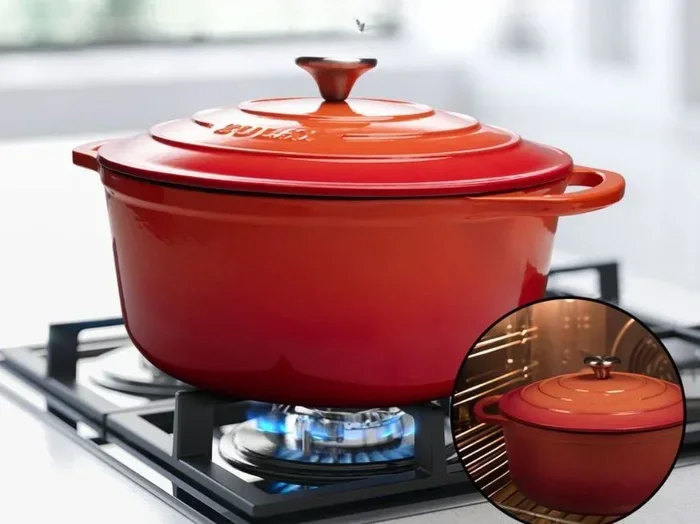
Yes, this is one of the best features of a Lodge Dutch oven. You can sear meat on the stovetop and then transfer the entire pot to the oven for slow cooking. Just make sure your stovetop burner is not too large, as overhanging edges can get damaged by direct flame.
Will my Lodge Dutch oven rust in the oven?
No, not from oven heat alone. Rust occurs when cast iron is exposed to moisture and left wet. Always dry your Dutch oven thoroughly after washing, and store it in a dry place. If you follow proper drying and oiling routines, your Dutch oven will never rust from oven use.
=== CONCLUSION ===
Can I put my Lodge Dutch oven in the oven? The answer is a confident yes. Your Lodge Dutch oven is designed to handle oven temperatures up to 500°F, making it one of the most versatile tools in your kitchen. From slow-cooked braises to freshly baked bread, the possibilities are endless when you understand how to use it safely.
Follow the temperature guidelines, avoid thermal shock, care for the lid handle, and clean your pot properly after each use. These simple steps ensure your Dutch oven performs beautifully for years to come. Whether you are a seasoned cook or just starting out, the Lodge Dutch oven in the oven opens up a world of delicious possibilities. Embrace it, explore it, and enjoy every meal you create with this incredible piece of cookware.