Oven Doesnt Heat Up All The Way Try These Easy Fixes
Your oven not heating up all the way is a common problem with simple solutions. This guide covers the top causes, easy DIY fixes, and when to call a pro for help. Learn how to get your oven back to baking evenly and save time and money on oven repair.
There is nothing more frustrating than pulling out a tray of cookies only to find them half-baked on one side. Or worse, your roast is still raw in the middle even after a full hour in the oven. If your oven doesnt heat up all the way, you are not alone. This is one of the most common oven problems homeowners face every day.
The good news is that most heating issues have straightforward causes and even easier fixes. You do not need to be a technician to solve many of them. In this guide, we will walk you through the top reasons your oven is not heating evenly, the simple repairs you can do yourself, and the signs that mean it is time to call in a professional. Let us get your oven back to doing what it does best.
Whether you have an electric oven or a gas model, the principles are similar. Heat needs to flow properly, sensors need to work right, and parts need to be in good shape. We will cover all of that and more. By the end of this article, you will know exactly what to check, what to fix, and when to stop DIYing and pick up the phone.
Key Takeaways
- Bad heating element: A worn-out bake or broil element is the most common reason your oven doesnt heat up all the way.
- Faulty temperature sensor: A broken sensor can trick your oven into thinking it is hotter than it really is.
- DIY fixes save money: Many oven heating problems can be solved at home with basic tools and a little patience.
- Know when to call a pro: Electrical issues, control board failures, and gas valve problems need expert attention.
- Regular maintenance helps: Cleaning and calibrating your oven can prevent many heating issues before they start.
- Oven repair cost varies: Simple fixes cost under $100, while complex repairs can run $150 to $300 or more.
- Even baking starts with the right fix: Identifying the root cause is the first step to restoring consistent heat.
📑 Table of Contents
Why Your Oven Doesnt Heat Up All The Way
Before you start poking around inside your oven, it helps to understand how it works. When you set a temperature, the oven is supposed to heat up, hold that temperature, and keep it steady. Several parts work together to make this happen. When one part fails, the whole system breaks down.
Understanding How Your Oven Heats
In an electric oven, the bake element sits at the bottom and the broil element sits at the top. These are the metal coils that glow red hot when the oven is on. In a gas oven, a burner below the oven floor creates the flame. A temperature sensor monitors the heat and tells the control board when to turn the heat on or off.
All of these parts rely on good wiring and a working control board to communicate. If any one of these parts fails, your oven may heat slowly, not reach the right temperature, or heat unevenly. This is why oven heating problems can have many different causes.
Common Heating Problems Explained
The most common issue is a weak or dead bake element. Over time, the element wears out from repeated heating cycles. You may notice it glows unevenly or not at all. Another frequent problem is a faulty temperature sensor. This small probe tells the oven what the current temperature is. If it is wrong, the oven cannot do its job right.
Some ovens have a broken thermostat. This is the part that regulates heat output. In older models, this is a mechanical dial. In newer ovens, it is electronic. Either way, a bad thermostat means your oven cannot maintain steady heat. These are the big three causes, but there are others we will cover below.
Signs Your Oven Is Not Heating Properly
How do you know your oven has a heating problem? The signs are usually pretty obvious. Here is what to watch for.
Visual and Physical Signs
Look at your bake element when the oven is on. It should glow a bright, even orange color. If it glows only in spots or not at all, that is a red flag. Check the broil element too. It should glow evenly across the top.
Listen for unusual sounds. A clicking noise that does not stop could mean a bad relay on the control board. A gas oven that does not light may click repeatedly without producing a flame. These sounds tell you something is wrong and needs attention.
Performance Issues to Watch For
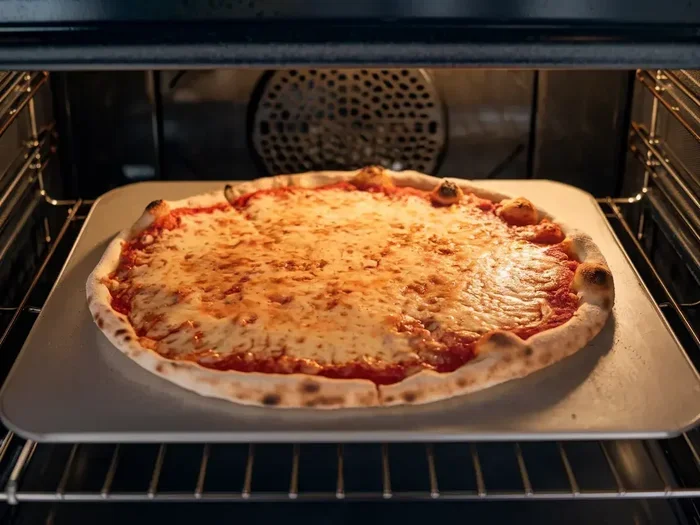
The biggest performance sign is food that bakes unevenly. If your cake is burnt on top but raw in the middle, your oven is not heating properly. If bread takes twice as long to bake as the recipe says, that is another clue.
Use an oven thermometer to check accuracy. Place it inside, set the oven to 350 degrees, and wait. If the thermometer reads 300 or 400 degrees, your oven is off by a lot. This kind of temperature swing means something is broken inside.
Top Causes Of Oven Heating Problems
Let us dig into the specific reasons your oven might not be heating up all the way. Each cause has its own set of symptoms and fixes.
Bad Heating Element
The bake element and broil element take the most wear and tear. They are exposed to high heat every time you cook. Over months and years, they can burn out or develop weak spots. A partially failed element may still glow but not produce enough heat.
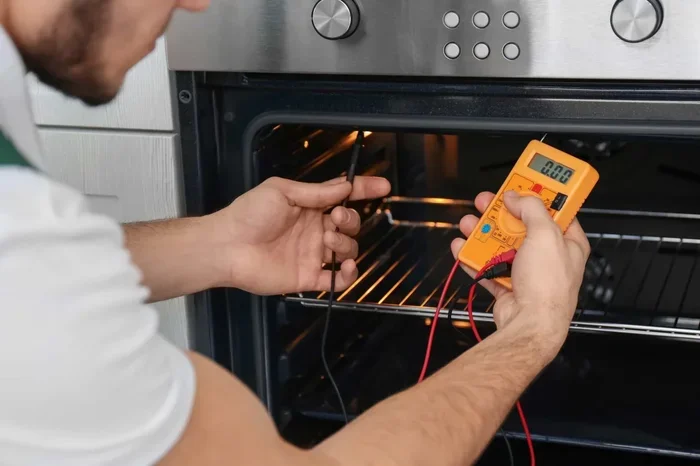
To check the bake element, turn off the oven and look at it closely. If you see holes, cracks, or blistering, it needs to be replaced. You can also test it with a multimeter for continuity. A broken element will show no continuity at all. This is the number one cause of an oven that does not heat up all the way.
Faulty Temperature Sensor
The temperature sensor is a small metal probe located at the back of the oven cavity. It measures the air temperature inside and sends that info to the control board. If the sensor is bent, corroded, or broken, it gives wrong readings.
When the sensor thinks the oven is hotter than it really is, it stops heating too early. Your food ends up undercooked. You can test the sensor with a multimeter. The resistance should change as the sensor heats up. If it stays flat, the sensor is bad and needs replacing.
Broken Thermostat or Control Board
The thermostat controls the heating cycle. It tells the oven when to turn on and when to turn off. In electric ovens, the electronic control board plays this role. If the control board fails, the oven may not heat at all or may heat erratically.
Control board failures are less common than bad elements or sensors. But they do happen, especially in older ovens or after power surges. Signs of a bad control board include error codes on the display, inconsistent temperatures, or the oven not responding to button presses at all.
Wiring and Electrical Issues
Loose or corroded wiring can cause all kinds of oven heating problems. The connections between the element, sensor, and control board pass through the back of the oven. Over time, heat can damage these wires and connections.
Always unplug the oven before checking any wiring. Look for burnt wires, loose terminals, or corroded connectors. If you find damage, a professional should handle the repair. Working with oven wiring can be dangerous if you do not know what you are doing.
Easy Fixes To Try At Home
Many oven heating problems are easy to fix yourself. Here are the steps you can take before calling a repair tech.
Quick Checks Before You Start
Before you open up the oven, do these simple checks first. They take just a few minutes and can save you a lot of hassle.
- Check the power source. Make sure the oven is plugged in and the circuit breaker has not tripped. A tripped breaker is the easiest fix of all.
- Inspect the door seal. A worn door gasket lets heat escape. Run your hand along the door edge while the oven is on. If you feel heat leaking out, the seal needs replacing.
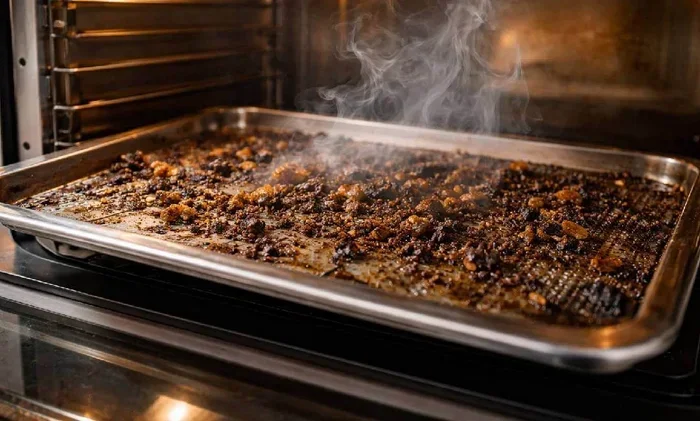
- Clean the oven interior. Food debris and grease can block heat circulation. A clean oven heats more evenly.
- Verify the oven settings. Make sure you are using bake mode and not just broil or convection. Wrong settings can mimic heating problems.
Step By Step Repairs
If the quick checks did not solve the problem, here are the most common repairs you can try at home.
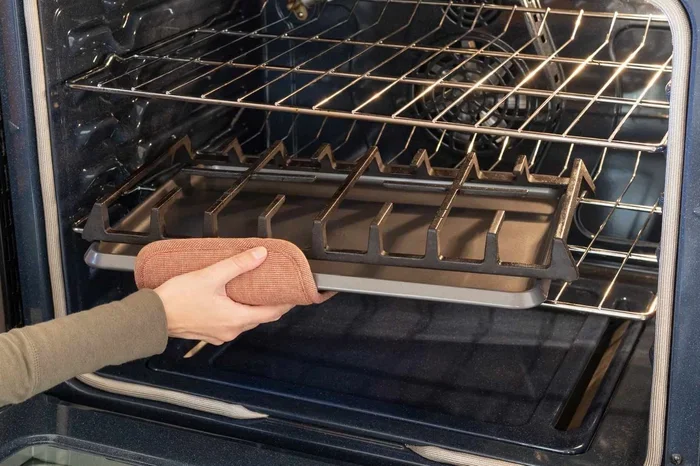
Replacing the bake element: This is the most common DIY oven fix. First, turn off the power at the breaker. Remove the screws holding the element in place. Pull it out carefully. Disconnect the wires, noting which goes where. Connect the new element the same way and secure it with screws. Plug the power back in and test.
Replacing the temperature sensor: The sensor is usually held in by a screw at the back of the oven. Remove it, disconnect the wires, and install the new one. This fix takes about 15 minutes for most oven models.
Fixing loose wiring: If you find a loose connection, tighten it with a screwdriver. If a wire is burnt or damaged, replace the whole wire harness. These parts are available online for most oven brands and models.
Always refer to your oven manual for model-specific instructions. If you feel unsure at any point, stop and call a professional. Safety comes first.
Comparison Table: Common Oven Heating Problems
| Problem | Likely Cause | Fix Difficulty | Estimated Cost |
|---|---|---|---|
| Oven not heating at all | Dead bake element or broken wiring | Easy to Medium | $30 to $100 |
| Oven heating unevenly | Faulty temperature sensor or weak element | Easy to Medium | $40 to $150 |
| Oven not reaching set temperature | Bad thermostat or broken control board | Medium to Hard | $100 to $300 |
| Oven heats then stops | Thermal fuse or faulty relay | Medium | $50 to $150 |
| Oven too hot or too cold | Wrong calibration or bad sensor | Easy | $20 to $75 |
When To Call A Professional For Oven Repair
DIY fixes work great for many problems. But some issues are best left to the experts. Knowing the difference can save you time, money, and even keep you safe.
Red Flags That Need Expert Attention
If you smell gas near your oven, stop immediately. Do not try to fix a gas leak yourself. Open the windows, leave the house, and call your gas company. Gas leaks are dangerous and require a licensed professional.
Also call a pro if the control board needs replacing. This involves working with the oven’s main computer and complex wiring. If you are not experienced with electrical work, this is not a DIY job. Similarly, if you have checked the element, sensor, and wiring but the oven still does not heat right, the problem may be deeper inside the oven cabinet.
Average Oven Repair Cost
Simple fixes like replacing a bake element usually cost between $50 and $100 for parts and labor. A temperature sensor replacement runs about $75 to $150. More complex repairs like a control board replacement can cost $150 to $400 depending on the oven model.
Before you authorize any repair, always ask for a written estimate. Compare it with the cost of a new oven. If the repair costs more than half the price of a new oven, it may make more sense to replace it entirely. This is a common decision point for many homeowners dealing with older ovens.
How To Keep Your Oven Heating Evenly
Prevention is the best medicine. A little regular care can keep your oven running smoothly for years. Here is how to maintain even heating and avoid future problems.
Regular Maintenance Tips
Clean your oven regularly. Spills and grease buildup can block heat flow and damage internal parts. Use a gentle oven cleaner and a soft cloth. Avoid harsh chemicals that can corrode metal parts.
Check your door seal every few months. A worn gasket lets heat escape and forces the oven to work harder. Replacement gaskets are cheap and easy to install. Just pull out the old one and snap the new one into place.
Calibrate your oven once a year. Use an oven thermometer to check accuracy. If your oven runs hot or cold, most models have a calibration adjustment in the settings or behind the temperature knob. Refer to your manual for instructions.
Best Practices for Even Baking
Place your food in the center of the oven for the best heat circulation. Avoid overcrowding the oven with too many trays. This blocks airflow and causes uneven heating.
Rotate your pans halfway through cooking. This simple trick helps food bake evenly even if your oven has slight hot spots. If you use a convection oven, the fan helps circulate heat and reduces uneven baking.
Do not open the oven door too often. Every time you open it, heat escapes and the oven has to recover. This can cause temperature swings and uneven cooking. Use the oven light and window to check on your food instead.
Final Thoughts
An oven that does not heat up all the way can ruin your cooking plans. But the good news is that most causes are easy to identify and fix. Start with the simple checks, work your way through the common causes, and do not be afraid to try a DIY repair. A new bake element or temperature sensor can bring your oven back to life for just a few dollars.
Know your limits, though. Gas leaks, control board failures, and complex electrical issues need professional hands. And when the time comes to replace your oven, you will be armed with the knowledge to make the right choice. Keep your oven clean, calibrated, and well-maintained, and it will serve you well for many years to come.
Take action today. Check your bake element, test your temperature sensor, and make sure your oven is heating evenly. Your next meal will taste better for it. A properly working oven makes cooking easier, safer, and way more enjoyable. Do not let a heating problem keep you from making the meals you love.
Frequently Asked Questions
Why does my oven heat up but not reach the right temperature?
This usually means the temperature sensor or thermostat is not working correctly. The sensor reads the wrong temperature, so the oven stops heating too early. You can test the sensor with a multimeter or use an oven thermometer to confirm the issue. Replacing a faulty sensor is an affordable and common fix.
Can I still use my oven if the bake element is partially burned out?
You can, but the results will be inconsistent. A weak bake element will not produce enough heat for even baking. Your food may come out undercooked on one side or take much longer to cook. It is best to replace the element as soon as you notice it glowing unevenly or showing visible damage.
How much does it cost to fix an oven that does not heat up?
The cost depends on what is broken. Replacing a bake element costs around $30 to $80 for parts. A temperature sensor runs $40 to $100. Control board replacements can be $150 to $400. Always get a quote from a professional before committing to a repair, especially for older ovens.
Is it safe to repair an oven myself?
Yes, for simple fixes like replacing a bake element or temperature sensor. Always unplug the oven or turn off the breaker before starting any work. Do not attempt gas oven repairs unless you are trained. Electrical work inside an oven can be dangerous if you are not careful.
How do I know if my oven needs to be replaced instead of repaired?
If repair costs exceed half the price of a new oven, replacement is usually the better choice. Also consider the age of your oven. Most ovens last 10 to 15 years. If yours is older and needs frequent repairs, a new energy-efficient model will save you money in the long run.
What is the difference between a bake element and a broil element?
The bake element is at the bottom of the oven and provides most of the heat for baking. The broil element is at the top and produces high, direct heat for broiling. If your oven does not heat up in bake mode, the bake element is likely the problem. If broiling does not work, check the broil element instead.