How To Make Rack Of Lamb In The Oven A Step By Step Guide
Making rack of lamb in the oven is easier than you think. This guide walks you through every step from trimming and seasoning to roasting and resting. You will learn the ideal oven temperature, cooking times, and pro tips for a juicy, flavorful rack of lamb every single time.
Key Takeaways
- Pick the right rack: Look for a well-trimmed, fat-cap-up rack of lamb for the best results.
- Sear before roasting: Searing locks in juices and creates a beautiful golden crust.
- Use a meat thermometer: Aim for 130-135°F for medium-rare and 145°F for medium.
- Rest the lamb: Let it rest for 10-15 minutes before cutting to keep it juicy.
- Season generously: A simple herb and garlic rub elevates the flavor dramatically.
- Follow the timing: Roast at 400°F for about 20-25 minutes for a perfect cook.
📑 Table of Contents
- How To Make Rack Of Lamb In The Oven: A Step By Step Guide
- Why Oven-Roasted Lamb Is a Great Choice
- Choosing the Right Rack of Lamb
- Preparing Your Rack of Lamb
- Searing the Rack of Lamb
- Oven Temperature and Cooking Time
- Resting and Serving the Lamb
- Common Mistakes to Avoid
- Expert Tips for Perfect Rack of Lamb
- Pairing Sides and Sauces with Rack of Lamb
- Conclusion
How To Make Rack Of Lamb In The Oven: A Step By Step Guide
Cooking rack of lamb in the oven might sound intimidating, but it is actually one of the simplest impressive dinners you can make. A perfectly roasted rack of lamb turns any ordinary weeknight into something special. Whether you are cooking for a date night or a holiday gathering, this cut of meat always delivers.
The beauty of oven-baked lamb is that it does not need constant attention. You season it, pop it in the oven, and let the heat do the work. In this guide, we will walk through every single step so you get restaurant-quality results at home.
Rack of lamb comes from the rib section of the animal. It is a lean, tender cut with a layer of fat on one side. That fat cap is your best friend in the oven. It melts during cooking and keeps the meat moist and flavorful. If you have never cooked this cut before, do not worry. By the end of this article, you will feel confident and ready to impress.
Why Oven-Roasted Lamb Is a Great Choice
There are many ways to cook lamb. You can grill it, braise it, or slow-cook it. But roasting a rack of lamb in the oven has some real advantages. First, it is fast. A whole rack takes about 25 to 30 minutes from start to finish. Second, it is easy to control the temperature. Third, it looks stunning on a plate.
Oven-roasted lamb also gives you a beautiful sear on the outside while staying pink and juicy inside. This contrast between a crispy crust and tender meat is what makes rack of lamb so special. You do not need fancy equipment either. A standard home oven works perfectly.
If you have ever wondered whether you need a special oven setup, the answer is no. A regular convection or conventional oven handles this beautifully. Just make sure your oven is clean and preheated before the lamb goes in. For more oven safety tips, check out our guide on is it safe to put a pizza box in the oven, which covers important oven safety basics.
Choosing the Right Rack of Lamb
What to Look For at the Butcher
Not all racks of lamb are created equal. When you go shopping, look for a few key things. First, check the fat cap. It should be a nice, even layer of white fat covering one side. This fat melts during cooking and bastes the meat naturally.
Second, look at the bones. They should be clean and trimmed. A well-trimmed rack is easier to handle and looks more elegant on the plate. Third, check the color. The meat should be a bright pink or rosy color. Avoid any racks that look gray or dull.
You will usually find racks with 7 to 8 ribs. A smaller rack (7 ribs) is perfect for two people. A larger rack (8 ribs) feeds four to six people easily. Some butchers also sell frenched racks, where the meat is trimmed from the bone ends. These look fancy and are great for presentation.
Bone-In vs Frenched Rack
A bone-in rack has more flavor because the bones add richness during cooking. A frenched rack looks cleaner and is easier to slice. Both work great in the oven. Choose based on your comfort level and the occasion. If you are a beginner, start with a standard bone-in rack. It is more forgiving and harder to mess up.
Preparing Your Rack of Lamb
Trimming and Cleaning
Before you season, take a few minutes to prep the lamb properly. Remove any loose pieces of fat or membrane from the outside. Some butchers do this already, but it is worth checking. If there is a thin membrane on the bone side, use a sharp knife to gently scrape it off.
Pat the rack dry with paper towels. Dry meat sears better. This is a small step that makes a big difference. Next, let the lamb sit at room temperature for about 20 to 30 minutes before cooking. This helps it cook more evenly throughout.
Seasoning and Rub Ideas
The seasoning is where you can get creative. A classic rack of lamb seasoning is simple and delicious. Mix together:
- 2 cloves of garlic, minced
- 1 tablespoon fresh rosemary, chopped
- 1 tablespoon fresh thyme
- Salt and freshly ground black pepper
- 2 tablespoons olive oil
Rub this mixture all over the lamb, pressing it into the fat cap. The fat will hold the flavors as the lamb cooks. You can also add Dijon mustard or lemon zest for extra brightness. Some cooks like to insert small garlic slivers between the bones for a deeper flavor.
If you want something bolder, try a Mediterranean-style marinade with oregano, lemon juice, and olive oil. Or go warm and earthy with cumin, coriander, and smoked paprika. The possibilities are endless. For more oven-based meat recipes, you might enjoy our how to cook stuffed rouladen in the oven guide, which shares great techniques for oven-roasted meats.
Searing the Rack of Lamb
Searing is the step that takes your oven-baked lamb from good to great. It creates a caramelized crust that locks in juices and adds incredible flavor. Do not skip this step if you want the best results.
Start by heating a heavy skillet or oven-safe pan over medium-high heat. Add a tablespoon of olive oil or butter. Once the pan is hot, place the rack of lamb fat-side down. Sear for about 3 to 4 minutes until the fat is golden and crispy. Then flip and sear the other sides for another 2 to 3 minutes.
You want a deep brown color on all sides. Do not move the lamb too much during searing. Let it sit and develop that crust. After searing, transfer the lamb to a cutting board or directly to a baking sheet lined with a rack.
Quick Tip: If you do not have an oven-safe pan, sear the lamb in a regular skillet and then transfer it to a baking sheet for roasting. This two-step method works perfectly and gives you amazing results.
Oven Temperature and Cooking Time
The Ideal Oven Setup
Preheat your oven to 400°F (200°C). This temperature is the sweet spot for rack of lamb. It is hot enough to create a beautiful crust but not so hot that it burns the outside before the inside is done.
Place the seared rack of lamb on a wire rack set inside a baking sheet. The wire rack allows hot air to circulate around the meat evenly. This prevents the bottom from getting soggy and promotes even cooking.
If you have a convection oven, you can reduce the temperature slightly to 375°F. The fan circulates the heat more efficiently, so the lamb cooks a bit faster.
Cooking Times by Doneness
The cooking time depends on how thick your rack is and how done you like your lamb. Here is a general guide for a standard 7-rib rack at 400°F:
- Rare: 15 to 18 minutes (internal temp 120-125°F)
- Medium-Rare: 18 to 22 minutes (internal temp 130-135°F)
- Medium: 22 to 26 minutes (internal temp 140-145°F)
- Well-Done: 26 to 30 minutes (internal temp 155°F+)
These times are approximate. Always use a meat thermometer to check the internal temperature. Insert it into the thickest part of the meat, not touching the bone. The temperature will rise by about 5 degrees as the lamb rests, so pull it out a few degrees early.
For most people, medium-rare is the sweet spot. It gives you a juicy, tender center with a slightly pink hue. This is the recommended doneness for rack of lamb by most chefs.
Resting and Serving the Lamb
Why Resting Matters
Once the lamb comes out of the oven, resist the urge to cut into it right away. Resting is one of the most important steps in cooking rack of lamb. When you rest the meat, the juices redistribute throughout the fibers. This makes every slice tender and moist.
Cover the lamb loosely with aluminum foil and let it rest for 10 to 15 minutes. The temperature will continue to rise slightly during this time. This is called carryover cooking, and it is totally normal.
Carving and Presentation
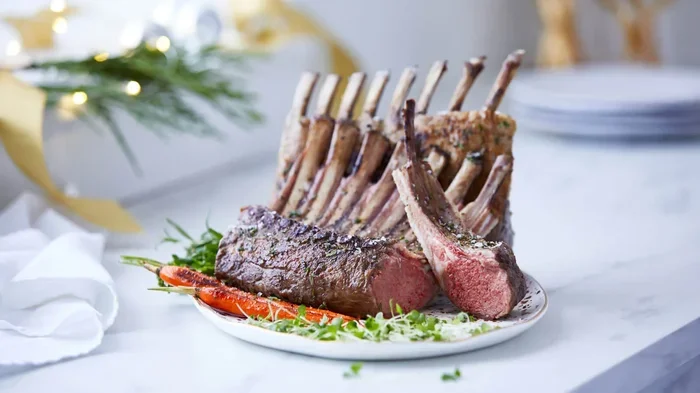
To carve a rack of lamb, use a sharp knife. Cut between the bones to separate each chop. Serve each bone with a thin slice of meat attached. This is the classic way to present oven-roasted lamb and it looks absolutely beautiful on a plate.
Serve the lamb with simple sides that complement its rich flavor. Roasted vegetables, garlic mashed potatoes, or a fresh salad all work wonderfully. A drizzle of mint sauce or a red wine reduction makes an excellent finishing touch.
Leftover Lamb Ideas
Leftover rack of lamb makes fantastic next-day meals. Slice the meat thinly and add it to salads, sandwiches, or pasta dishes. Cold lamb with a squeeze of lemon and fresh herbs is also delicious. Do not let any leftovers go to waste.
Common Mistakes to Avoid
Even experienced home cooks make mistakes when roasting lamb. Here are the most common ones and how to avoid them:
- Skipping the sear: Searing adds flavor and texture. Do not skip this step.
- Cooking from cold: Always let the lamb come to room temperature before it goes in the oven. This ensures even cooking.
- Overcooking: Lamb dries out quickly if you leave it too long. Use a meat thermometer and pull it early.
- Not resting: Cutting too soon releases all the juices. Be patient and let it rest.
- Too much seasoning: Lamb has a delicate flavor. Season well but do not overpower it.
Avoiding these mistakes will help you achieve a perfect rack of lamb every time. Remember, practice makes perfect. Your first attempt might not be flawless, and that is okay. Each time you cook it, you will get better.
Expert Tips for Perfect Rack of Lamb
Here are some pro tips that will take your rack of lamb to the next level:
- Use a meat thermometer: This is the single most important tool for perfect lamb. Do not guess the doneness.
- Dry brine overnight: Salt the lamb the night before and leave it uncovered in the fridge. This dries the surface and seasons the meat deeply.
- Add fresh herbs to the pan: Toss sprigs of rosemary and thyme into the pan before roasting. The aromatics infuse the lamb as it cooks.
- Baste during roasting: Spoon the pan juices over the lamb halfway through cooking. This adds extra flavor and a gorgeous glaze.
- Let the lamb rest on a warm plate: A warm plate keeps the lamb at the right temperature while it rests.
These small adjustments make a noticeable difference. They separate a good roast from a truly memorable one.
Pairing Sides and Sauces with Rack of Lamb
The right sides can elevate your rack of lamb dinner from great to unforgettable. Here are some pairing ideas:
- Mint sauce: A classic British pairing that cuts through the richness of the lamb.
- Red wine reduction: Simmer red wine with shallots and herbs for a elegant pan sauce.
- Roasted root vegetables: Carrots, parsnips, and parsnips roasted with olive oil and thyme.
- Creamed spinach: A rich, creamy side that complements the lamb perfectly.
- Garlic mashed potatoes: A comforting classic that pairs well with almost any roast.
Keep the sides simple and let the lamb be the star of the show. A heavy or overly complex side dish can compete with the meat. Less is often more when serving oven-baked lamb.
Conclusion
Cooking rack of lamb in the oven is a rewarding experience that anyone can master. From selecting the right cut at the butcher to searing, roasting, and resting, each step brings you closer to a stunning meal. The process is straightforward, the results are impressive, and the flavor is unbeatable.
Remember to season generously, sear well, use a meat thermometer, and always let the lamb rest before serving. These simple habits will transform your cooking. Whether you are a beginner or a seasoned home cook, rack of lamb is a dish that deserves a regular spot in your rotation.
So next time you want to make something special for dinner, reach for a rack of lamb and give this method a try. You will not be disappointed. Happy cooking!
Frequently Asked Questions
What temperature should I cook rack of lamb in the oven?
Preheat your oven to 400°F (200°C) for the best results. This temperature creates a beautiful crust while keeping the inside tender and juicy. Always use a meat thermometer to check doneness.
How long does it take to cook a rack of lamb in the oven?
A standard 7-rib rack takes about 18 to 25 minutes at 400°F, depending on how done you like it. Medium-rare usually takes around 20 minutes. Always rely on internal temperature rather than time alone.
Should I sear rack of lamb before putting it in the oven?
Yes, searing is highly recommended. It adds flavor and creates a crispy crust that enhances the overall dish. Sear it fat-side down first for the best results.
What is the best internal temperature for medium-rare rack of lamb?
Aim for 130-135°F for medium-rare. The temperature will rise by about 5 degrees during resting, so pull the lamb out when it reads 125-130°F on the thermometer.
Can I cook rack of lamb on a baking sheet without a rack?
You can, but using a wire rack gives much better results. The rack allows air to circulate around the meat, promoting even cooking and a crispier exterior. If you do not have one, you can place the lamb directly on a baking sheet lined with vegetables.
How do I know if rack of lamb is done?
The most reliable way is to use a meat thermometer. For medium-rare, the internal temperature should be 130-135°F. The meat should also feel slightly springy to the touch when pressed with your finger.