What Can I Put In The Oven A Complete Home Cooking Guide
Not everything belongs in your oven. This complete guide reveals exactly what you can put in the oven safely, from glass bakeware to cast iron skillets. Learn oven-safe materials, temperature tips, and baking hacks that every home cook needs right now.
Have you ever stood in front of your oven wondering, “What can I put in the oven?” It is a question more people ask than you might think. Whether you are reheating leftovers, baking a cake, or roasting vegetables, knowing what goes inside your oven matters a lot. Using the wrong dish or container can lead to messes, damage, or even dangerous situations.
This complete home cooking guide walks you through everything you need to know. We will cover safe materials, temperature limits, baking tips, and common mistakes to avoid. By the end, you will feel confident about every dish you place inside your oven. Let us get started.
Key Takeaways
- Know Your Materials: Glass, ceramic, metal, and silicone are generally oven-safe, while plastic and wood are not.
- Check Temperature Limits: Always verify the heat resistance of your dish before turning on the oven.
- Avoid Common Traps: Items like paper bags, plastic containers, and non-oven-safe cookware can cause fires or release harmful fumes.
- Use Parchment Paper and Silicone Mats: These make cleanup easy and protect your food from direct contact with hot surfaces.
- Cast Iron and Stoneware Are Versatile: They retain heat beautifully and work great for baking, roasting, and broiling.
- Follow Manufacturer Guidelines: When in doubt, check the label or manual for oven-safe instructions.
📑 Table of Contents
- Why Knowing What Goes In Your Oven Matters
- Oven-Safe Materials You Can Use
- What You Should Never Put In The Oven
- Baking Tips That Every Home Cook Should Know
- Oven-Safe Cookware Comparison
- Common Mistakes People Make With Oven Cooking
- Expert Insights On Oven Cooking
- Quick Tips for Everyday Oven Use
- Conclusion
Why Knowing What Goes In Your Oven Matters
Your oven is one of the most useful tools in any kitchen. But it is not a catch-all for every container or dish you own. Putting the wrong item inside can cause smoke, fires, or even release toxic chemicals into your food. Understanding oven-safe materials keeps your kitchen safe and your meals tasting great.
Many people assume all dishes work in an oven. That is simply not true. A plastic container will melt. A paper bag can ignite. Even some ceramic dishes may crack under high heat. Knowing what can go in the oven saves you from costly mistakes and potential hazards.
Safety First
Safety should always come first in the kitchen. When you are unsure about a dish, check for an oven-safe label. Most manufacturers print this information clearly on the bottom of cookware. If you cannot find it, do not risk it. There are plenty of oven-safe options available.
Another important factor is temperature. Different materials handle heat differently. Some can handle up to 500 degrees Fahrenheit, while others may only be safe up to 350 degrees. Always match your dish to the temperature you plan to use.
Oven-Safe Materials You Can Use
Let us dive into the materials that are safe for oven use. These are the go-to options for any home cook who wants to bake, roast, or broil with confidence.
Glass Bakeware
Glass bakeware is one of the most popular choices for oven cooking. Brands like Pyrex make durable glass dishes that handle high temperatures well. Glass distributes heat evenly, which helps your food cook consistently. You can use glass dishes for casseroles, baked pasta, and desserts like cobblers.
One important tip: avoid placing cold glass directly into a hot oven. Let it come to room temperature first. Sudden temperature changes can cause glass to shatter. This is called thermal shock, and it can be dangerous.
Metal Baking Sheets and Pans
Metal is naturally oven-safe and handles high heat beautifully. Baking sheets, roasting pans, and muffin tins are all great examples. You can use them for cookies, roasted vegetables, meats, and so much more. Metal heats up quickly and browns food evenly.
When using metal, avoid non-stick coatings that are not rated for oven use. Some non-stick pans have handles or coatings that cannot handle high temperatures. Always check the product details before placing a metal pan in the oven.
Ceramic and Stoneware Cookware
Ceramic and stoneware dishes are excellent for oven cooking. They retain heat well and create a beautiful presentation for baked dishes. Many people love using ceramic baking dishes for lasagna or enchiladas. Stoneware is also great for pizza stones and bread baking.
Make sure your ceramic or stoneware piece is labeled oven-safe. Some decorative ceramics are not designed for cooking. They may contain glazes or finishes that are not food-safe at high temperatures.
Silicone Baking Tools
Silicone has become a favorite among home cooks. Silicone baking mats, molds, and spatulas are all oven-safe up to high temperatures. Silicone mats replace parchment paper and make cleanup a breeze. Silicone molds work great for baking muffins, cupcakes, and even meatloaf.
Look for food-grade silicone that is rated for oven use. Most high-quality silicone can handle temperatures up to 450 degrees Fahrenheit. It is flexible, durable, and a great addition to any kitchen.
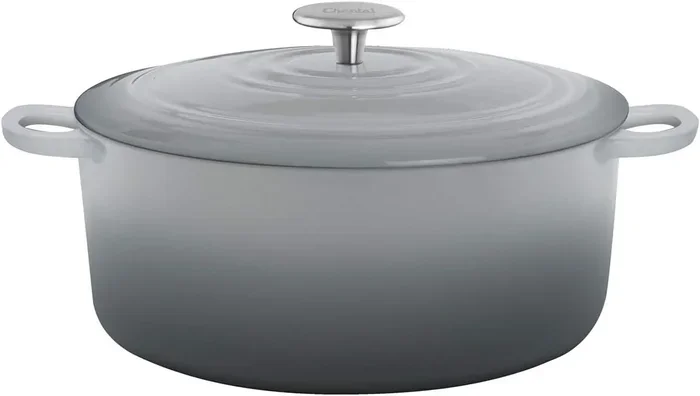
Cast Iron Skillets
Cast iron skillets are nearly indestructible and oven-safe. They can handle extremely high temperatures, making them perfect for baking, roasting, and broiling. Many bakers use cast iron to make cornbread, skillet cookies, and deep-dish pizzas.
One thing to keep in mind: cast iron needs seasoning. Avoid using soap when cleaning it, and dry it thoroughly after washing. With proper care, a cast iron skillet lasts for decades and improves with use.
What You Should Never Put In The Oven
Now that we know what works, let us talk about what does not. There are several common items people mistakenly place in the oven. Avoiding these will keep you safe and your oven in good shape.
Plastic Containers and Wraps
Plastic and the oven do not mix. Plastic will melt at high temperatures, releasing harmful chemicals into your food. Even microwave-safe plastic is not designed for oven use. Always transfer food to an oven-safe dish before cooking.
This includes plastic wrap, plastic lids, and storage containers. Remove them before placing any dish in the oven. It is a simple step that makes a big difference in safety.
Paper Bags and Cardboard
Some people try to use paper bags for roasting or reheating. This is a serious fire hazard. Paper can catch fire at oven temperatures, creating smoke and potential damage. Never put paper bags, cardboard boxes, or newspaper in the oven.
Even parchment paper has limits. While it is oven-safe, it should not be placed under the broiler. The direct high heat from the broiler can ignite parchment paper. Use it only for baking and roasting at standard temperatures.
Wooden Utensils and Cutting Boards
Wood is not oven-safe. It can dry out, crack, or even catch fire when exposed to high heat. Never place wooden cutting boards, spoons, or decorative wooden items in the oven. They belong on the countertop or in the dishwasher, not inside the oven.
Non-Oven-Safe Non-Stick Cookware
Not all non-stick pans are created equal. Some non-stick coatings can release toxic fumes when heated beyond their limit. If your non-stick pan is not labeled oven-safe, do not put it in the oven. The coating can break down and contaminate your food.
When shopping for cookware, look for pans that are specifically rated for oven use. Many high-quality non-stick pans now come with oven-safe handles and coatings. Always read the label carefully.
Disposable Aluminum Trays With Plastic Parts
Disposable aluminum trays are great for roasting and baking. However, some come with plastic handles or covers. These plastic parts will melt in the oven. If you want to use a disposable tray, make sure it is entirely metal with no plastic components.
Baking Tips That Every Home Cook Should Know
Now that you know what can go in the oven, let us talk about how to get the best results. These baking tips will help you cook with confidence and improve your meals every time.
Preheat Your Oven
Always preheat your oven before placing food inside. This ensures the temperature is correct from the start. Cold ovens lead to uneven cooking and longer bake times. Give your oven at least 10 to 15 minutes to reach the desired temperature.
Use Parchment Paper
Parchment paper is a baker’s best friend. It prevents food from sticking to baking sheets and makes cleanup effortless. You can line your baking sheets, cake pans, and even bread loaves with parchment paper. It also promotes even browning and prevents burning.
Pro tip: cut parchment paper to fit your pan exactly. This reduces waste and keeps things tidy. You can also reuse parchment paper if it is not heavily soiled.
Rotate Your Dishes
Ovens often have hot spots that cause uneven cooking. To fix this, rotate your dishes halfway through the cooking time. This simple step ensures your food bakes evenly on all sides. It works especially well for multiple trays in the oven at once.
Use Oven Thermometers
Many ovens do not heat to the exact temperature shown on the dial. An oven thermometer helps you verify the actual temperature inside. Place it in the center of the oven and adjust your cooking temperature accordingly. This small tool can dramatically improve your baking results.
Let Dishes Rest Before Cutting
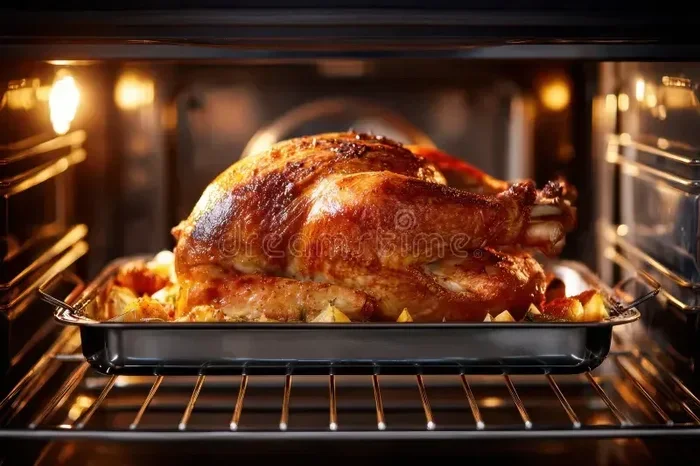
Whether you are baking a cake or roasting a chicken, let the dish rest before cutting into it. This allows the heat to distribute evenly and the flavors to settle. For cakes, wait at least 10 minutes. For roasts, give them 15 to 20 minutes. The results will be worth the wait.
Oven-Safe Cookware Comparison
Choosing the right cookware can feel overwhelming. Here is a quick comparison of the most common oven-safe options.
| Material | Max Temperature | Best For | Care Level |
|---|---|---|---|
| Glass | 450°F | Casseroles, baked desserts | Easy |
| Metal | 500°F+ | Baking sheets, roasting pans | Easy |
| Ceramic | 450°F | Baking dishes, lasagna | Moderate |
| Silicone | 450°F | Muffins, baking mats | Very Easy |
| Cast Iron | 500°F+ | Cornbread, skillet meals | Moderate |
| Stoneware | 450°F | Pizza, bread baking | Moderate |
This table should help you quickly identify which material works best for your cooking needs. Each option has its strengths, so feel free to mix and match based on what you are preparing.
Common Mistakes People Make With Oven Cooking
Even experienced cooks make mistakes. Here are some common errors to avoid when using your oven.
Overcrowding the Oven
Putting too many dishes in the oven at once blocks airflow and leads to uneven cooking. Leave space between dishes so hot air can circulate properly. If you need to cook multiple items, use the oven racks wisely and rotate dishes as needed.
Opening the Oven Door Too Often
Every time you open the oven door, heat escapes. This can significantly affect your cooking time and results. Try to resist the urge to peek too often. Use the oven light to check on your food instead.
Ignoring the Broiler Setting
The broiler uses direct, intense heat from the top element. It is great for browning and crisping, but it can also burn food quickly. Always watch food closely when using the broiler. Keep a close eye on thin items like fish or sliced vegetables.
Using the Wrong Pan Size
Using a pan that is too large or too small can affect your recipe. A pan that is too big may cause food to cook too quickly and dry out. A pan that is too small may overflow and create a mess. Always match your pan size to the recipe instructions.
Expert Insights On Oven Cooking
Professional chefs and home cooking experts share valuable advice about oven use. Here are some insights to elevate your cooking game.
Convection Baking vs. Conventional Baking
Convection ovens use a fan to circulate hot air around the food. This creates more even cooking and faster bake times. If your oven has a convection setting, try using it for roasting and baking. Just reduce the temperature by about 25 degrees Fahrenheit for best results.
Conventional baking relies on still air to cook food. It works well for delicate items like cakes and soufflés that need a gentle, steady heat. Understanding the difference helps you choose the right setting for each recipe.
The Importance of Resting Meat
Resting meat after roasting is one of the most overlooked steps. When you take meat out of the oven, the juices need time to redistribute. Cutting too soon causes the juices to run out, leaving the meat dry and less flavorful. Let your roast rest for at least 10 to 15 minutes before slicing.
Invest in Quality Bakeware
Cheap bakeware may save money upfront, but it often warps or stains over time. Investing in quality glass, metal, or ceramic bakeware pays off in the long run. Good bakeware distributes heat evenly and lasts for years. Your baked goods will thank you for it.
Quick Tips for Everyday Oven Use
- Line your baking sheets with parchment paper for easy cleanup.
- Use oven mitts when handling hot dishes to avoid burns.
- Clean spills immediately to prevent smoke and odors.
- Place a baking sheet under your dish to catch drips and make cleanup easier.
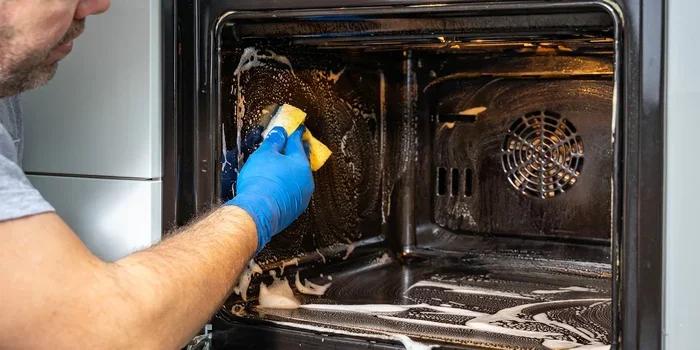
- Let your oven cool completely before cleaning the interior.
- Store oven-safe dishes together for quick access during cooking.
- Label your cookware if you are unsure whether it is oven-safe.
Conclusion
Knowing what can I put in the oven is one of the most important skills for any home cook. From glass bakeware to cast iron skillets, there are plenty of oven-safe options to choose from. At the same time, avoiding dangerous items like plastic, paper, and non-oven-safe cookware keeps your kitchen safe and your food delicious.
Use the baking tips and guidelines in this guide to cook with confidence every time. Check your materials, respect temperature limits, and follow manufacturer instructions. With the right knowledge and tools, your oven will become your best kitchen companion. Happy cooking, and enjoy every meal you create!
Frequently Asked Questions
Can I put a microwave-safe dish in the oven?
Not necessarily. Microwave-safe does not mean oven-safe. Microwave-safe dishes are designed to handle microwave radiation, not high dry heat. Always check for an oven-safe label before placing any dish in the oven.
What temperature can glass bakeware handle?
Most glass bakeware can handle temperatures up to 450 degrees Fahrenheit. Always check the manufacturer’s instructions for the exact temperature limit. Avoid sudden temperature changes to prevent thermal shock and breakage.
Is parchment paper safe to use in the oven?
Yes, parchment paper is oven-safe for regular baking and roasting. However, it should not be placed under the broiler or exposed to temperatures above 450 degrees Fahrenheit. Use it within its recommended temperature range for best results.
Can I put a cast iron skillet in the oven?
Absolutely. Cast iron skillets are one of the most oven-safe cookware options available. They can handle temperatures well above 500 degrees Fahrenheit. Just make sure any plastic or wooden handles on the skillet are oven-safe before placing it inside.
Why did my ceramic dish crack in the oven?
Ceramic dishes can crack due to thermal shock, which happens when there is a sudden temperature change. Never place a cold ceramic dish directly into a hot oven. Let it come to room temperature first, and avoid placing it on a cold surface right after removing it from the oven.
Can I use aluminum foil in the oven?
Yes, aluminum foil is safe to use in the oven for lining pans, covering dishes, and wrapping food. Avoid using foil on the bottom of the oven, as it can block heat circulation and cause damage. Also, do not let foil touch the heating elements.