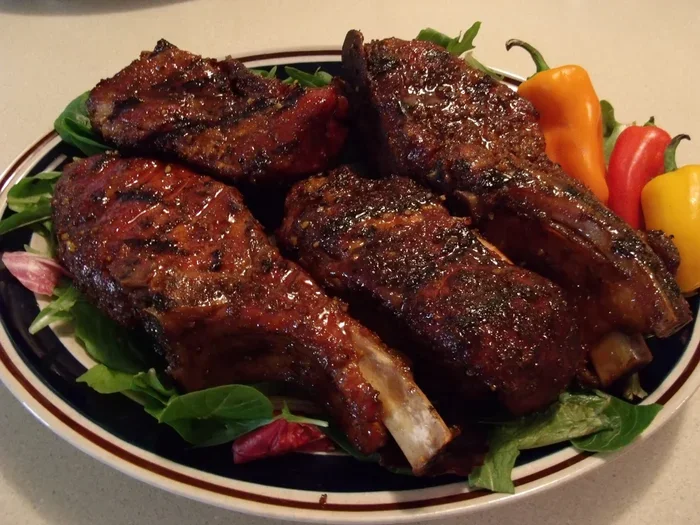
How Long To Bake Country Style Ribs In The Oven At 350
You’re about to learn exactly How Long To Bake Country Style Ribs In The Oven At 350 for perfect tenderness. This guide covers timing, temperature, and simple steps to get fall-off-the-bone ribs every time. We’ll walk you through seasoning, wrapping, and resting so your oven-baked ribs turn out juicy and flavorful.
There’s nothing quite like the smell of ribs baking in the oven. If you’ve ever wondered how long to bake country style ribs in the oven at 350, you’re in the right place. This guide will give you the exact time, temperature, and simple steps to get perfect ribs every single time. Whether you’re cooking for a family dinner or a weekend gathering, oven-baked ribs are easier than you think.
Country style ribs are different from the thin baby back ribs you see at the BBQ. They come from the pork shoulder, which means more fat and more flavor. That extra richness makes them ideal for slow baking at 350°F. The result is tender, juicy meat that practically falls off the bone.
We’ll walk you through everything from selecting the right rack to knowing when they’re done. You’ll learn the best seasoning, how to wrap them in foil, and why resting matters. By the end, you’ll feel confident enough to make these ribs your signature dish.
Key Takeaways
- Bake at 350°F for 2.5 to 3.5 hours: The exact time depends on rib thickness and whether you wrap them.
- Target 195–203°F internal temperature: This is the sweet spot for tender, pull-apart meat.
- Use the foil wrap method: Wrapping halfway through keeps ribs moist and speeds up cooking.
- Rest for 10–15 minutes: Letting the ribs sit before slicing locks in juices.
- Country style ribs come from the pork shoulder: They are fattier and more forgiving than lean loin ribs.
- A simple dry rub is all you need: Store-bought seasoning works, but a homemade rub adds depth.
- Always use a meat thermometer: Guesswork leads to overcooked or undercooked ribs.
📑 Table of Contents
What Are Country Style Ribs?
Before you set the timer, it helps to understand what you’re cooking. Country style ribs are a cut from the pork shoulder, near the blade bone. They are sometimes called pork shoulder ribs or blade ribs. Unlike the lean loin ribs, these cuts have more connective tissue and intramuscular fat. That extra fat breaks down during baking, creating a rich, succulent texture.
The Cut: Pork Shoulder vs. Loin
True ribs come from the rib cage, but country style ribs are actually a portion of the shoulder. They can be boneless or bone-in. Boneless country style ribs are essentially thick pork shoulder steaks. Bone-in pieces have a bit more flavor but take slightly longer to bake. Both work beautifully in the oven.
Why They’re Great for Oven Baking
Because they come from a well-exercised part of the pig, these ribs need longer cooking to become tender. The oven provides steady, even heat that slowly melts the collagen. You don’t need a smoker or special equipment. Just a basic oven, some foil, and a little patience. The result is oven-baked ribs that rival any barbecue joint.
Why 350°F Is the Ideal Temperature
Baking ribs at 350°F hits a sweet spot between speed and tenderness. This moderate temperature allows the meat to cook through without drying out. It’s the perfect setting for slow bake ribs that stay juicy inside while developing a nice crust on the outside.
The Science Behind Low and Slow
When you bake pork ribs at 350 degrees, the heat gently breaks down the connective tissues. Collagen turns into gelatin, which gives the meat a silky, tender texture. Higher temperatures can cause the muscle fibers to contract too quickly, squeezing out moisture. Lower temperatures take too long and can leave the surface mushy. 350°F gives you the best balance.
How 350°F Compares to Other Temperatures
Different oven temperatures change the cooking time and final texture. Here’s a quick comparison of common baking settings for country style ribs.
| Oven Temperature | Approximate Cooking Time | Result |
|---|---|---|
| 275°F | 4–5 hours | Very tender, smoky flavor if using liquid smoke |
| 325°F | 3–3.5 hours | Good balance, slightly firmer bite |
| 350°F | 2.5–3.5 hours | Tender, juicy, easy to manage |
| 375°F | 2–2.5 hours | Faster, risk of drying if not watched |
| 400°F | 1.5–2 hours | Can be tough if not monitored closely |
As you can see, 350°F is the most forgiving and reliable temperature. It gives you a window of about an hour where the ribs can’t easily overcook. That’s why so many home cooks choose this setting for their oven-baked ribs recipe.
How Long to Bake Country Style Ribs at 350
If you want to know exactly how long to bake country style ribs in the oven at 350, the answer depends on the size of the rack. A full rack of bone-in ribs typically needs 3 to 3.5 hours. A half rack or smaller pieces can be done in 2 to 2.5 hours. Boneless country style ribs, which are really thick pork shoulder slices, take about 2 to 2.5 hours.
Exact Timing for Different Rib Sizes
- Full bone-in rack: 3–3.5 hours at 350°F
- Half rack: 2–2.5 hours at 350°F
- Boneless pork shoulder ribs: 2–2.5 hours at 350°F
- Thick-cut blade ribs: 3–3.5 hours at 350°F
These times assume you start with ribs that are about 1 to 1.5 inches thick. If your pieces are thinner, they’ll be ready sooner. Always rely on internal temperature rather than the clock alone.
Internal Temperature Guide
The real sign of done ribs is the internal temperature. Insert a meat thermometer into the thickest part of the meat, avoiding the bone. You’re aiming for 195°F to 203°F. At this range, the collagen has fully melted and the meat will be tender and pull-apart easy. If the temp is below 190°F, the ribs will be chewy. Above 205°F, they may start to dry out.
The Foil Wrap Method
Wrapping ribs in foil is a game-changer for oven baking. After the first 2 hours of uncovered baking, wrap the entire rack tightly in heavy-duty aluminum foil. This traps steam and speeds up the tenderizing process. You can add a splash of apple cider vinegar or apple juice to the foil for extra moisture. The ribs will finish cooking in about 45 minutes to 1 hour wrapped.
When to Unwrap and Glaze
Remove the foil during the last 30 minutes of baking. This lets the surface dry out slightly so the sauce can caramelize. Brush on your favorite BBQ sauce or a homemade glaze during this time. The high heat will create a sticky, glossy finish without burning the sugar. If you prefer a dry rub finish, you can skip the sauce entirely and just let the ribs cool slightly before slicing.
Step-by-Step Oven Ribs Recipe
Here’s a simple, foolproof method for baking country style ribs at 350°F. Follow these steps and you’ll get consistent, delicious results every time.
Gather Your Ingredients
- 2–3 lbs country style ribs (bone-in or boneless)
- 2 tbsp brown sugar
- 1 tbsp paprika
- 1 tsp garlic powder
- 1 tsp onion powder
- 1 tsp salt
- ½ tsp black pepper
- ½ tsp cumin (optional)
- ¼ cup apple cider vinegar
- ½ cup BBQ sauce (your favorite brand)
- Heavy-duty aluminum foil
Prep and Season
Remove the ribs from the fridge 30 minutes before cooking. Pat them dry with paper towels. Mix all the dry spices together and rub the blend generously over both sides of the ribs. Let them sit at room temperature while the oven preheats. This resting period helps the seasoning penetrate the meat.
The Low and Slow Bake
Preheat your oven to 350°F. Line a baking sheet with foil and place a wire rack on top. Set the ribs bone-side down on the rack. This allows air to circulate underneath and prevents soggy bottoms. Cover the entire pan tightly with another sheet of foil, sealing the edges. Bake for 2 hours. This initial phase cooks the meat gently and builds moisture.
Unwrap, Glaze, and Finish
After 2 hours, carefully remove the foil. The ribs will be steaming and tender. Brush a thin layer of BBQ sauce over the top. Return the ribs to the oven uncovered for 30–45 minutes. The sauce will thicken and become sticky. If you like a darker glaze, you can apply a second coat of sauce in the last 10 minutes.
Rest and Serve
Take the ribs out of the oven and let them rest on the counter for 10–15 minutes. This resting period is crucial. It allows the juices to redistribute throughout the meat. Slice against the grain and serve with extra sauce on the side. Pair with coleslaw, cornbread, or baked beans for a complete meal.
Pro Tips for Fall-Off-the-Bone Tenderness
Even with the right time and temperature, small details can make or break your ribs. Here are a few expert tricks to ensure your next batch is perfect.
Choose the Right Rack
Look for ribs with a good fat cap and even marbling. Avoid pieces that look overly lean or thin. The fat melts during baking and keeps the meat moist. If you’re buying boneless ribs, check that they are at least 1 inch thick for the best results.
Don’t Skip the Rest
Cutting into ribs immediately after they come out of the oven releases all the juices onto the cutting board. Resting gives the muscle fibers time to relax and reabsorb those juices. Ten to fifteen minutes is all you need. Tent them loosely with foil to keep them warm.
Slice Against the Grain
The direction of the muscle fibers matters. If you slice with the grain, the ribs will be chewy. Find the direction of the fibers and cut perpendicular to them. This shortens the muscle strands and makes each bite tender. For bone-in ribs, slice between the bones to keep portions manageable.
Use a Dry Rub for Depth
A homemade dry rub adds complexity that store-bought seasoning can’t match. Brown sugar, smoked paprika, and a touch of cayenne create a beautiful crust. Apply the rub at least 30 minutes before baking, or overnight in the fridge for deeper flavor. The sugars in the rub also help with caramelization during the final bake.
Add Liquid Smoke for a BBQ Vibe
If you don’t have a smoker, a few drops of liquid smoke in your mop sauce can give you that classic barbecue taste. Use it sparingly—a little goes a long way. Mix it with apple cider vinegar and a bit of honey for a tangy, smoky glaze that complements the pork.
Common Mistakes That Ruin Oven Ribs
Even experienced cooks can slip up when baking ribs. Knowing what to avoid will save you from tough, dry, or burnt results.
Skipping the Rest
This is the number one mistake. Cutting into hot ribs right away means losing precious juices. The meat continues to cook slightly from residual heat during resting. Give it that time, and you’ll notice a big difference in tenderness.
Using Too Much Sauce Too Early
BBQ sauce contains sugar that burns easily. If you apply it too early, it will turn black and bitter. Always add sauce in the last 15–20 minutes of baking. You can also serve extra sauce on the side so everyone can add their own.
Not Using a Meat Thermometer
Timing gives you a rough estimate, but temperature tells the truth. Ovens vary, and rib thickness differs. A quick-read thermometer removes all guesswork. Invest in a reliable instant-read thermometer and check the temp in the thickest part of the meat.
Overcrowding the Pan
Ribs need air circulation around them for even browning. If you cram too many pieces onto one sheet, the edges will steam instead of roast. Use a large baking sheet or two smaller ones. Give each rack plenty of space.
Ignoring the Foil Step
Baking ribs uncovered the entire time can lead to dry meat, especially in a dry oven environment. The foil wrap traps steam and creates a mini-oven inside. It’s a simple step that makes a huge difference in the final texture of your oven-baked ribs.
Conclusion
Baking country style ribs at 350°F is a simple, reliable method that delivers restaurant-quality results at home. You now know exactly how long to bake country style ribs in the oven at 350, from prep to plate. With the right temperature, timing, and a little patience, you can serve tender, juicy ribs that everyone will love.
The key is to use a meat thermometer, wrap the ribs halfway through, and let them rest before slicing. Don’t be afraid to experiment with different rubs and sauces. Once you master this method, you’ll have a go-to recipe for every family gathering or weeknight dinner. So fire up your oven, grab your pork ribs, and get ready to impress.
Frequently Asked Questions
Can I bake country style ribs at 400°F instead of 350?
Yes, you can, but the cooking time will be shorter, around 1.5 to 2 hours. The higher temperature increases the risk of drying out the outer layer before the inside is tender. If you choose 400°F, keep a close eye on the internal temperature and consider wrapping them in foil earlier to retain moisture.
Do I need to wrap ribs in foil while baking?
Wrapping is not mandatory, but it strongly recommended for oven-baked ribs. The foil traps steam and helps the meat cook evenly. It also prevents the surface from drying out during the long bake. If you prefer a firmer bark, you can skip the foil, but you’ll need to monitor the moisture level more carefully.
How do I know when ribs are done without a thermometer?
You can use the bend test. Pick up the rack from one end with tongs. If the ribs bend slightly and cracks form on the surface, they are likely done. Another sign is when the meat has pulled back from the bones by about a quarter inch. However, a meat thermometer remains the most reliable tool for checking doneness.
Can I use frozen country style ribs in this recipe?
It’s best to thaw the ribs first for even cooking. If you’re baking from frozen, add about an hour to the total time and make sure the internal temperature reaches 195°F. The ribs may release more liquid during the extra cooking time, so you might want to place them on a deeper pan to catch the runoff.
What’s the best BBQ sauce for oven ribs?
A thick, tomato-based sauce with a touch of sweetness works well because it caramelizes nicely at 350°F. You can also use a mustard-based or vinegar-based sauce for a tangier flavor. Apply the sauce in the last 15–20 minutes to prevent burning. If you’re watching sugar intake, a sugar-free or low-sugar BBQ sauce is a great alternative.
Can I make this in a convection oven?
Yes, convection ovens circulate hot air, which can reduce baking time by about 15–20 minutes. Lower the temperature by 25°F to 325°F when using a convection setting. The ribs will still reach the same tender texture, but keep an eye on the internal temperature to avoid overcooking.