How Long Do You Cook Quiche In The Oven For Best Results
How long do you cook quiche in the oven? Most quiches bake at 375°F for 30 to 45 minutes. The exact quiche baking time depends on your oven, pan size, and filling thickness. A properly baked quiche should have a golden crust and a slightly jiggly center that sets as it cools.
There is something magical about pulling a quiche out of the oven. The golden crust, the creamy filling, the smell that fills your entire kitchen. Whether you are a beginner baker or a seasoned cook, knowing the right quiche baking time and temperature makes all the difference.
How long do you cook quiche in the oven? The short answer is between 30 and 45 minutes at around 375°F. But the full answer involves a few more details. Your pan size, filling thickness, and whether you blind baked the crust all play a role. This guide walks you through everything you need to know for perfect quiche results every single time.
We will cover oven temperatures, timing tricks, common mistakes, and expert tips. By the end, you will feel confident enough to bake quiche like a pro. Let us dive in.
Key Takeaways
- Standard baking time: Most quiches take 30 to 45 minutes at 375°F.
- Oven temperature matters: 350°F to 425°F is the sweet spot depending on your recipe.
- Check for doneness: The center should jiggle slightly, not slosh like liquid.
- Rest your quiche: Let it sit for 10 to 15 minutes after baking for cleaner slices.
- Pan size affects timing: Deeper pans need more time; shallower pans bake faster.
- Blind baking helps: Pre-baking your crust prevents a soggy bottom.
- Internal temperature: 160°F is the target for a perfectly set quiche.
📑 Table of Contents
- The Short Answer to How Long Do You Cook Quiche In The Oven
- The Perfect Oven Temperature for Baking Quiche
- Factors That Affect Quiche Baking Time
- Step-by-Step Guide to Baking Quiche
- How to Know When Quiche Is Done
- Common Quiche Mistakes and How to Avoid Them
- Quick Tips for Perfect Quiche Every Time
- Frequently Asked Questions
- Conclusion
The Short Answer to How Long Do You Cook Quiche In The Oven
The standard quiche baking time falls between 30 and 45 minutes. Most recipes call for an oven temperature of 375°F. But this is just the starting point. Several factors can push that time up or pull it down.
Here is a quick overview of typical scenarios:
- Standard quiche in a 9-inch pie dish: 35 to 40 minutes at 375°F.
- Mini quiche in muffin tins: 20 to 25 minutes at 375°F.
- Deep-dish quiche with extra filling: 40 to 50 minutes at 350°F.
- Quiche with a pre-baked crust: 30 to 40 minutes at 375°F.
- Quiche with a raw crust (one-bake method): 45 to 55 minutes at 375°F.
These numbers give you a solid baseline. But always trust your eyes and a toothpick test over the clock. Every oven runs slightly different, and that is completely normal.
Why the Range Matters
You might wonder why there is such a wide range in quiche cooking time. The answer comes down to moisture content and crust thickness. A quiche loaded with vegetables holds more water. That extra moisture needs more time to evaporate and set. On the other hand, a simple cheese and egg quiche bakes faster because there is less liquid in the filling.
Quick Tip: When in doubt, start checking your quiche at the lower end of the time range. You can always bake it a few more minutes. But you cannot un-bake a quiche.
The Perfect Oven Temperature for Baking Quiche
Oven temperature for quiche is just as important as timing. Too hot and the crust burns before the inside sets. Too cool and the filling never firms up properly. Most quiche recipes agree on a range between 350°F and 425°F.
Temperature Breakdown by Quiche Type
Different quiche styles call for slightly different temperatures. Here is a handy breakdown:
- Classic quiche: 375°F for 35 to 40 minutes. This is the go-to for most home bakers.
- Vegetable-heavy quiche: 375°F for 40 to 45 minutes. The extra moisture needs a bit more time.
- Crustless quiche: 350°F for 30 to 35 minutes. Without a crust, the egg mixture sets faster.
- Mini quiche bites: 375°F for 20 to 25 minutes. Their small size means they bake quickly.
- Deep-dish quiche: 350°F for 45 to 55 minutes. The extra depth needs lower heat and more time.
Why 375°F Is the Goldilocks Zone
Most bakers consider 375°F the ideal temperature for baking quiche. At this heat, the crust browns beautifully while the custard filling sets gently. The eggs and cream mixture cooks evenly without curdling or bubbling over the edges.
Quick Tip: Always preheat your oven before placing the quiche inside. A cold oven throws off the entire baking process and leads to uneven results.
Factors That Affect Quiche Baking Time
Not all quiches are created equal. Several factors influence how long your quiche needs in the oven. Understanding these helps you adjust your timing and get better results every time.
Pan Size and Depth
A wide, shallow pan bakes faster than a deep, narrow one. A 9-inch pie dish is the standard size most quiche recipes are designed for. If you use a deeper dish, add 5 to 10 extra minutes. If you use a shallower pan, check for doneness a few minutes early.
The material of your pan also matters. Dark metal pans absorb more heat and can brown the crust faster. Glass pans heat more slowly and evenly. Ceramic pans fall somewhere in between. Keep these differences in mind when setting your timer.
Filling Ingredients and Moisture Content
Your filling ingredients have a huge impact on baking time. Vegetables like spinach, mushrooms, and zucchini release water as they cook. That extra moisture slows down the setting process. Pre-cooking your vegetables before adding them to the quiche filling helps reduce baking time.
Meats like bacon or ham also add moisture. Pre-cooking your meat before mixing it into the custard base leads to a firmer, better-set quiche. Cheese, on the other hand, helps the filling set faster because it melts and binds with the eggs.
Egg-to-Cream Ratio
The ratio of eggs to cream in your custard base affects how quickly the quiche sets. More eggs mean a firmer set and slightly shorter baking time. More cream means a softer, creamier texture but a longer bake. Most successful quiche recipes use a balanced ratio of one egg to half a cup of cream per serving.
Oven Accuracy and Rack Position
Here is a secret many beginners miss: most home ovens are off by 10 to 25 degrees. An oven thermometer is a cheap and useful tool. It takes the guesswork out of bake quiche timing and temperature.
Where you place the quiche on the oven rack matters too. The middle rack allows hot air to circulate evenly around the pie dish. Placing it too high risks a burnt top. Placing it too low leads to an undercooked center.
Step-by-Step Guide to Baking Quiche
Now that you understand the basics of quiche baking time and temperature, let us walk through the actual process. Follow these steps for consistent, delicious results.
Step 1: Prepare Your Crust
Start with a pie crust quiche that fits your pan. You can use store-bought dough or homemade. If you want to avoid a soggy bottom, blind bake your crust first. This means lining it with parchment paper, filling it with pie weights or dried beans, and baking it for 10 to 15 minutes at 375°F. Remove the weights and bake for another 5 minutes until lightly golden.
Step 2: Prepare Your Filling
Whisk together your eggs, cream, milk, salt, pepper, and any seasonings. This egg and cream mixture forms the custard base of your quiche. Pre-cook any vegetables or meats you plan to add. Squeeze out excess water from vegetables like spinach and mushrooms. This prevents a watery quiche.
Step 3: Assemble the Quiche
Spread your filling ingredients evenly across the crust. Pour the custard base over the top. The filling should come about two-thirds of the way up the sides. Leave room for the quiche to rise slightly during baking.
Step 4: Bake at the Right Temperature
Place the quiche on the middle oven rack. Bake at 375°F for 30 to 45 minutes. Set a timer for 30 minutes and start checking. The quiche is done when the edges are set but the center still has a gentle jiggle.
Step 5: Rest Before Serving
This step is easy to skip but incredibly important. Let your quiche rest for 10 to 15 minutes after removing it from the oven. The custard continues to set as it cools. Cutting too early leads to runny slices and a messy presentation.
Quick Tip: Quiche tastes great at room temperature. It also reheats well the next day. Do not skip the resting period even if you are eager to dig in.
How to Know When Quiche Is Done
Knowing when to take your quiche out of the oven is a skill that improves with practice. There are several reliable signs of quiche doneness you can look for.
The Jiggle Test
Gently shake the oven rack or tap the side of the pie dish. The edges should be firm and set. The center should jiggle like soft gelatin, not slosh like liquid. If the center moves freely like water, it needs more time.
The Toothpick Test
Insert a toothpick or thin knife into the center of the quiche. Pull it out clean or with just a few moist crumbs clinging to it. If the toothpick comes out wet with raw egg mixture, the quiche needs more baking time.
The Internal Temperature Test
For the most accurate results, use a food thermometer. Insert it into the center of the quiche. The target quiche internal temperature is 160°F. This ensures the eggs are fully cooked and the custard is perfectly set.
Visual Cues
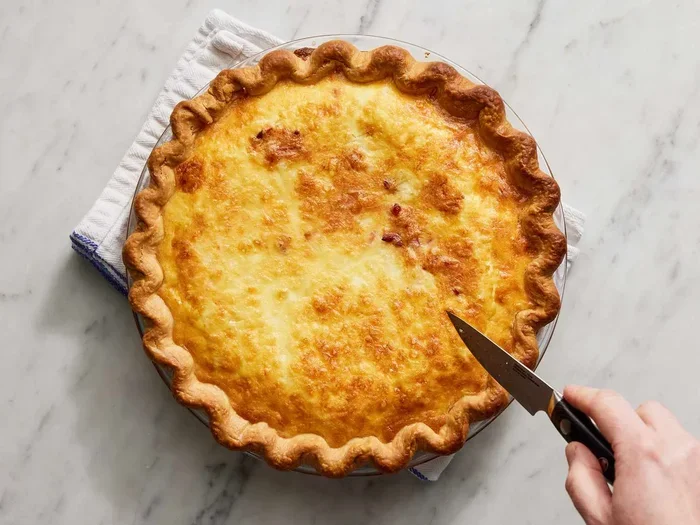
A properly baked quiche has a golden brown top and lightly browned edges. The crust should look flaky and firm. If the top is browning too quickly but the center is still liquid, tent a piece of aluminum foil over the quiche and continue baking.
Expert Insight: Professional bakers often pull quiche out at 160°F internal temperature and let carryover cooking finish the job. The residual heat continues to set the center as the quiche rests. This technique prevents overbaking and keeps the filling creamy.
Common Quiche Mistakes and How to Avoid Them
Even experienced home cooks run into trouble with quiche from time to time. Here are the most common quiche mistakes and how to fix them.
Mistake 1: Skipping the Blind Bake
Putting a raw crust directly into the wet filling almost always leads to a soggy bottom. The crust absorbs the moisture from the custard and turns mushy. Blind baking your crust for just 10 to 15 minutes creates a moisture barrier. The result is a crisp, flaky bottom that holds up beautifully against the filling.
Mistake 2: Overfilling the Pan
It is tempting to load up the quiche with fillings. But overfilling causes the custard to overflow and the center to stay undercooked. Keep your filling to about two-thirds of the way up the pan sides. This gives the quiche room to rise without spilling over.
Mistake 3: Baking at Too High a Temperature
A hot oven might seem like a shortcut, but it causes problems. The crust browns too fast while the inside stays raw. High heat also causes the custard to bubble and crack. Stick to 350°F to 375°F for even, reliable results.
Mistake 4: Cutting Into the Quiche Too Soon
We all want to slice into that beautiful quiche the moment it comes out of the oven. But cutting too early means the filling is still loose and runny. Patience pays off. Wait at least 10 minutes for the custard to set properly.
Mistake 5: Ignoring Your Oven’s Hot Spots
Most ovens have uneven heat distribution. The back of the oven is often hotter than the front. Rotate your quiche halfway through baking to ensure even cooking. This simple step prevents one side from browning faster than the other.
Quick Tips for Perfect Quiche Every Time
Here are some bonus tips that separate good quiche from great quiche:
- Use room temperature eggs and cream. They blend smoother and create a more even custard.
- Grease your pie dish lightly. This makes slicing and serving much easier.
- Add a layer of cheese to the crust. It acts as a moisture barrier and adds flavor.
- Let the quiche cool on a wire rack. This prevents the bottom from getting soggy from trapped steam.
- Experiment with toppings. Fresh herbs, a drizzle of cream, or a sprinkle of paprika elevate any quiche.
- Store leftovers properly. Cover and refrigerate for up to 3 days. Reheat at 325°F for 10 to 15 minutes.
Quiche serving suggestions are simple and flexible. Serve it warm for breakfast, at room temperature for brunch, or even cold for lunch. It pairs beautifully with a fresh green salad and a glass of iced tea.
Frequently Asked Questions
Can you bake quiche at 350°F instead of 375°F?
Yes, you can. Baking quiche at 350°F works well, especially for deep-dish recipes or quiches with a lot of moisture-heavy fillings. The lower temperature gives the custard more time to set evenly without over-browning the crust. You may need to add 5 to 10 extra minutes to the baking time.
How do you know when quiche is done without a thermometer?
The jiggle test is your best friend. Gently shake the pan and look at the center. It should wobble like set jelly, not splash like water. A clean toothpick inserted in the center is another reliable indicator. The top should look golden and the edges should feel firm to the touch.
Why is my quiche soggy on the bottom?
A soggy bottom usually happens for one of three reasons: you skipped blind baking, you added too much moisture-rich vegetables without pre-cooking them, or you cut into the quiche too early. Blind baking your crust, squeezing water from vegetables, and letting the quiche rest for 10 to 15 minutes before slicing solves this problem.
Can you bake quiche in a glass pie dish?
Absolutely. Glass pans heat more slowly than metal, so you may want to lower the temperature by 10 to 15 degrees or add a few extra minutes to the baking time. Glass has the advantage of letting you see the bottom crust, which helps you judge doneness more easily.
How long should quiche rest before cutting?
Let your quiche rest for at least 10 to 15 minutes after it comes out of the oven. This resting period allows the custard to finish setting. Cutting too early releases steam and moisture, which makes the slices fall apart. A brief rest gives you clean, picture-perfect slices every time.
What is the best pan size for baking quiche?
A 9-inch pie dish is the standard and most versatile size for quiche. It works well for most recipes and produces 6 to 8 generous slices. For individual portions, muffin tins or small ramekins work wonderfully and cut baking time to about 20 to 25 minutes. Deep-dish pie pans hold more filling but require slightly longer baking.
Conclusion
How long do you cook quiche in the oven for the best results? The answer is 30 to 45 minutes at 375°F for most standard recipes. But the real secret lies in understanding the factors that influence quiche baking time. Your pan size, filling ingredients, crust type, and oven accuracy all play a role.
The key to a perfect quiche is patience. Preheat your oven properly. Blind bake your crust if needed. Check for doneness using the jiggle test or a food thermometer. And always let your quiche rest before cutting. These small steps make a huge difference in the final result.
Once you master the basics of baking quiche, you will never look back. The possibilities are endless. Try different fillings, experiment with quiche recipes, and make it your own. Whether it is a simple cheese quiche for a weeknight breakfast or a loaded vegetable quiche for a weekend brunch, you now have the knowledge to get it right.
So preheat that oven, roll out your dough, and get ready to bake. A hot, golden, creamy quiche fresh from the oven is one of life’s simple pleasures. Enjoy every bite.