Ehat Is A Dutch Oven And Why It Is A Kitchen Game Changer
A Dutch oven is a heavy, thick-walled cooking pot with a tight-fitting lid, made from cast iron or enamel-coated metal. It is one of the most versatile kitchen tools you can own, perfect for slow cooking, braising, baking bread, and making one-pot meals. Whether you are a beginner or a seasoned cook, a Dutch oven can transform the way you prepare food at home.
Key Takeaways
- A Dutch oven is a heavy cooking pot: It retains and distributes heat evenly, making it ideal for a wide range of cooking methods.
- It works on multiple heat sources: You can use it on the stovetop, in the oven, over a campfire, or even on a grill.
- Cast iron and enamel are the two main types: Each has its own benefits, so choosing the right one depends on your cooking style.
- It is perfect for one-pot meals: From soups and stews to roasts and baked goods, a Dutch oven does it all.
- Proper care extends its lifespan: Seasoning and cleaning correctly will keep your Dutch oven in great shape for decades.
- It is a kitchen staple for a reason: Once you start using one, you will wonder how you ever cooked without it.
📑 Table of Contents
What Is A Dutch Oven And Why Is It A Kitchen Game Changer
If you have ever walked past the cookware aisle and wondered what all the fuss is about a Dutch oven, you are not alone. This heavy, thick-walled pot has been around for centuries, yet it somehow keeps popping up in every modern kitchen trend. The truth is, a Dutch oven is one of those rare tools that genuinely earns its spot on your stovetop or in your oven.
So, what makes it so special? A Dutch oven is a cooking vessel made from thick cast iron or enamel-coated metal. It has a heavy lid that locks in moisture and heat, which makes it perfect for slow cooking, braising, baking, and so much more. Think of it as a Swiss Army knife for your kitchen. Whether you are making a hearty stew, baking fresh bread, or searing a perfect roast, a Dutch oven can handle the job with ease.
In this guide, we will walk you through everything you need to know. We will cover what a Dutch oven is made of, how to use it, which type to buy, and why it might just be the most useful tool in your entire kitchen. By the end, you will understand why so many home cooks call it a kitchen game changer.
What Exactly Is A Dutch Oven
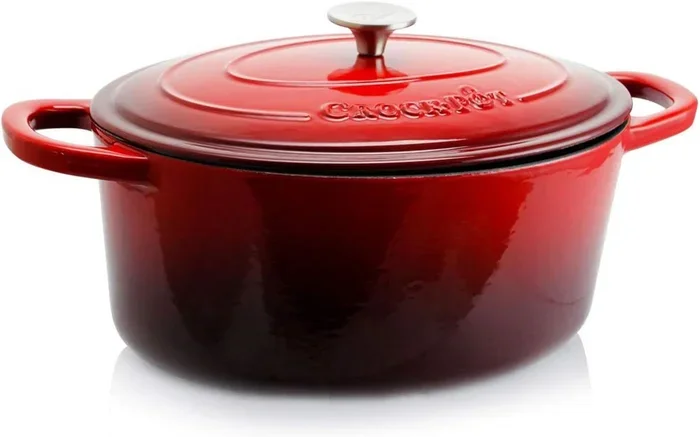
A Dutch oven is a thick, heavy pot with a snug-fitting lid. It is typically made from cast iron, though enamel-coated versions are also very popular. The walls and base are much thicker than regular pots and pans, which gives the Dutch oven its superpower: amazing heat retention and even heat distribution.
The heavy lid plays a big role too. It traps steam inside, which keeps your food moist and tender. This is why a Dutch oven excels at slow-cooking tough cuts of meat and simmering rich sauces. The pot itself is usually deep, which gives you plenty of room for big batches of soup, chili, or stock.
Historically, the Dutch oven has roots going back hundreds of years. The original design came from the Netherlands in the 1700s, where metalworkers created a casting method for heavy iron pots. Over time, the design evolved, and American cookware companies like Lodge helped make the Dutch oven a household staple. Today, it is a must-have for anyone serious about cooking.
Types Of Dutch Ovens You Can Buy
Not all Dutch ovens are the same. There are two main types, and each has its own strengths. Understanding the differences will help you pick the right one for your cooking style.
Cast Iron Dutch Oven
The classic cast iron Dutch oven is the original. It is made from a single piece of cast iron, which means it is incredibly durable and can last a lifetime if you take care of it. Cast iron takes a while to heat up, but once it is hot, it holds that heat beautifully. This makes it perfect for low and slow cooking, like braising a pot roast or simmering a stew for hours.
One thing to keep in mind: bare cast iron needs to be seasoned. This means coating it with a thin layer of oil and heating it to create a natural nonstick surface. Some people love this ritual, while others prefer a lower-maintenance option. That is where enamel comes in.
Enamel-Coated Dutch Oven
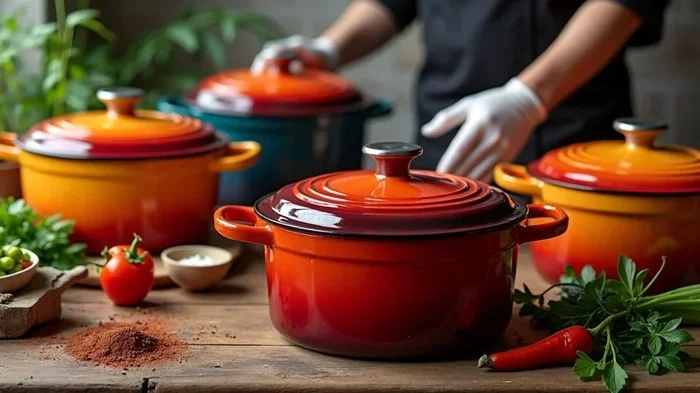
An enamel-coated Dutch oven has a glass-like coating baked onto the cast iron. This means you do not need to season it, and you can use it right out of the box. The enamel also comes in fun colors, which is a nice bonus if you like your kitchen to look good. Brands like Le Creuset and Staub are famous for their beautiful enamel Dutch ovens.
The downside is that enamel can chip if you drop it or hit it with a metal utensil. It is also usually more expensive than bare cast iron. But if you want the cooking benefits of a Dutch oven without the seasoning hassle, enamel is a great choice.
Why A Dutch Oven Is A Kitchen Game Changer
Now that you know what a Dutch oven is, let us talk about why it is such a big deal. There are so many reasons this pot earns its place in the kitchen.
One of the biggest advantages is versatility. You can use a Dutch oven on the stovetop, in the oven, over a campfire, or even on a charcoal grill. This means one pot can do the work of several. You can sear meat on the stovetop, then pop the whole thing in the oven to braise slowly. That kind of flexibility is hard to beat.
Another reason a Dutch oven is a game changer is its heat retention. Because the walls are so thick, the pot stays at a consistent temperature even when you open the lid or add cold ingredients. This leads to more even cooking and better results. Your soups will be perfectly simmered, your bread will bake with a beautiful crust, and your roasts will come out tender every time.
The heavy lid is another standout feature. It traps moisture inside, which creates a self-basting effect. This is perfect for dishes that need to stay juicy and tender over long cooking times. You will find that your stews and braises taste richer and more flavorful when cooked in a Dutch oven.
Finally, a Dutch oven is a one-pot wonder. You can go from searing to simmering to serving, all in the same pot. Less cleanup, less hassle, and more flavor. That is a win in anyone’s book.
Common Uses For A Dutch Oven
Wondering what you can actually make in a Dutch oven? The short answer is almost anything. Here are some of the most popular uses that show just how versatile this pot really is.
Slow Cooking Soups And Stews
This is probably the most classic use for a Dutch oven. The heavy walls and tight lid create the perfect environment for slow-simmering soups and stews. Whether you are making a beef stew, a chunky vegetable soup, or a rich chili, a Dutch oven will give you deep, developed flavors that a regular pot simply cannot match.
Baking Bread
Yes, you can bake bread in a Dutch oven, and the results are incredible. The pot traps steam, which helps the bread rise and develop a crispy, golden crust. A Dutch oven bread bake is one of the most popular techniques among home bakers right now, and for good reason. You get artisan-quality bread without needing a fancy brick oven.
Braising And Roasting Meat
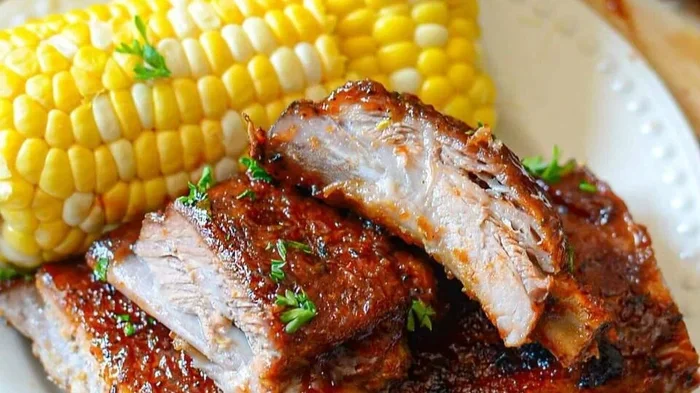
A Dutch oven is the go-to pot for braising tough cuts of meat. The process is simple: sear the meat on the stovetop, add liquid and aromatics, then cover and cook low and slow in the oven. The result is fall-off-the-bone tender meat with a rich, flavorful sauce. Pot roasts, short ribs, and pulled pork all shine in a Dutch oven.
One-Pot Meals
If you love easy weeknight dinners, a Dutch oven is your best friend. You can throw everything into one pot and let it cook. Think chicken and rice, pasta bakes, or even a big batch of curry. One-pot meals in a Dutch oven save time, save dishes, and taste amazing.
Campfire And Outdoor Cooking
A Dutch oven is not just for indoor cooking. It is a favorite among campers and outdoor cooking enthusiasts. You can place it directly over coals or hang it over a fire. It works beautifully for campfire stews, cobbler, and even pizza. If you love outdoor cooking, a Dutch oven should be in your gear.
How To Choose The Right Dutch Oven
Buying a Dutch oven can feel overwhelming because there are so many options. Here are some key factors to consider before you make a decision.
Size Matters
Dutch ovens come in different sizes, usually measured in quarts. A 5-quart Dutch oven is the most popular size and works great for families of four. If you cook for a larger group or like to make big batches, consider a 7-quart or even a 9-quart size. For smaller households or side dishes, a 3-quart pot can work well.
Material Choice
As we discussed, you can choose between bare cast iron and enamel-coated. Cast iron is more affordable and incredibly durable, but it requires seasoning. Enamel is easier to care for and comes in pretty colors, but it costs more and can chip. Think about your cooking habits and budget when deciding.
Brand And Budget
Some popular brands include Lodge, Le Creuset, Staub, and Cuisinart. Lodge offers great value with solid cast iron Dutch ovens at an affordable price. Le Creuset and Staub are premium brands known for their quality enamel finishes. You do not have to spend a fortune to get a good Dutch oven, but investing in a quality one pays off over time.
Quick Tips For Using Your Dutch Oven
Here are some practical tips to get the most out of your Dutch oven:
- Preheat the pot gradually. Cast iron takes time to heat up, so give it a few minutes on low to medium heat before adding food.
- Use the right utensils. Avoid metal utensils on enamel-coated pots to prevent scratching. Wooden or silicone tools work best.
- Do not skip the preheat for searing. A hot Dutch oven gives you a beautiful sear on meat, which locks in flavor and juices.
- Let it cool before washing. Sudden temperature changes can damage cast iron. Let the pot cool down before adding water.
- Store with the lid slightly open. This prevents moisture buildup and keeps your pot in good condition.
Common Mistakes People Make With Dutch Ovens
Even experienced cooks can make mistakes with their Dutch oven. Here are a few to avoid:
- Using it on high heat. Cast iron heats slowly but can get very hot. High heat can cause food to stick or burn. Stick to low, medium, or low-medium settings.
- Adding cold liquid to a hot pot. This can cause thermal shock, which may crack the pot or damage the enamel. Let the pot cool a bit first.
- Neglecting to season cast iron. If you have a bare cast iron Dutch oven, skipping the seasoning will lead to rust and sticking. Take a few minutes after each use to oil and dry it.
- Overfilling the pot. A Dutch oven works best when it is about two-thirds full. Overfilling can cause spills and uneven cooking.
- Using the wrong lid. Always use the lid that comes with your Dutch oven. A loose lid lets steam escape, which defeats the purpose of this cooking vessel.
Expert Insights: Why Chefs Love Dutch Ovens
Professional chefs have long relied on the Dutch oven for its reliability and performance. According to many top chefs, the key advantage is the even heat distribution. Unlike thinner pots that develop hot spots, a Dutch oven maintains a steady temperature throughout, which is essential for techniques like braising and slow simmering.
Chefs also appreciate the Dutch oven‘s ability to go from stovetop to oven seamlessly. This makes it easy to start a dish on the burner and finish it in the oven without transferring food to another container. The heavy construction also means the pot is stable and safe, even when working with large amounts of hot liquid.
Many chefs recommend having at least one Dutch oven in the kitchen at all times. It is the kind of tool that you reach for again and again, whether you are making a simple weeknight soup or preparing a complex holiday roast. Its combination of durability, versatility, and performance is hard to match with any other single piece of cookware.
Dutch Oven Vs Other Cookware: A Comparison
How does a Dutch oven stack up against other common cookware? Here is a quick comparison to help you understand its unique advantages.
| Feature | Dutch Oven | Stock Pot | Slow Cooker | Casserole Dish |
|---|---|---|---|---|
| Heat Source | Stovetop, oven, campfire | Stovetop, oven | Electric only | Oven only |
| Heat Retention | Excellent | Moderate | Good | Moderate |
| Versatility | Very high | Moderate | Limited | Moderate |
| Portability | Good | Moderate | Good | Moderate |
| Ease of Cleaning | Moderate | Easy | Easy | Easy |
| Price Range | Mid to high | Low to mid | Low to mid | Low to mid |
| Best For | Braising, baking, soups, stews | Boiling, stocks, pasta | Set-and-forget slow cooking | Baking, casseroles |
As you can see, the Dutch oven offers the best balance of versatility, heat retention, and performance. While a slow cooker is convenient and a stock pot is great for boiling, neither can match what a Dutch oven does across so many different cooking methods.
How To Care For Your Dutch Oven
Taking care of your Dutch oven will keep it in great shape for years, even decades. Here is a simple care routine to follow.
For bare cast iron Dutch ovens, avoid using soap when washing. Instead, scrub with warm water and a stiff brush. Dry the pot completely after washing to prevent rust. Apply a thin layer of oil after each use to maintain the seasoning. If food sticks, try simmering a little water in the pot to loosen it up.
For enamel-coated Dutch ovens, you can use mild dish soap, but avoid abrasive scrubbers that can scratch the surface. If the enamel chips, you can still use the pot safely, but the exposed cast iron may rust if not kept dry. Store your Dutch oven with the lid slightly ajar to allow air circulation.
One more tip: never put a hot Dutch oven on a cold or wet surface. The sudden temperature change can crack the material. Always use a trivet or towel when setting the pot down after cooking.
Why Every Kitchen Needs A Dutch Oven
At this point, it should be clear that a Dutch oven is more than just another pot in your kitchen. It is a cooking powerhouse that can handle a wide range of tasks with ease. From slow-cooked comfort food to freshly baked bread, a Dutch oven opens up a world of culinary possibilities.
If you are just starting out in the kitchen, a Dutch oven is one of the best investments you can make. It is forgiving, versatile, and gets better with use. If you are an experienced cook, a Dutch oven will become your go-to tool for everything from weeknight dinners to weekend projects.
The beauty of a Dutch oven is that it simplifies cooking. You can brown, simmer, bake, and serve all in one vessel. Less clutter, less cleanup, and more flavor. That is what makes it a true kitchen game changer.
Conclusion
A Dutch oven is one of the most useful and versatile pieces of cookware you can own. It combines excellent heat retention, even cooking, and unmatched versatility in a single pot. Whether you are making a warm stew on a cold evening, baking crusty bread, or preparing a show-stopping roast for dinner guests, a Dutch oven delivers consistent, delicious results every time.
Investing in a good Dutch oven is investing in better cooking. It is a tool that grows with you as your skills develop, and it will serve your kitchen for many years to come. If you have been on the fence about adding one to your collection, now is the perfect time to take the leap. Once you experience the difference a Dutch oven makes, you will wonder how you ever cooked without it.
So go ahead, pick out the right Dutch oven for you, and start exploring all the amazing dishes you can create. Your kitchen, and your taste buds, will thank you.
Frequently Asked Questions
What is a Dutch oven used for?
A Dutch oven is used for a wide variety of cooking tasks, including slow-cooking soups and stews, braising meat, baking bread, making one-pot meals, and even campfire cooking. Its thick walls and tight lid make it perfect for dishes that need even, gentle heat over a long period of time.
Can you use a Dutch oven on a gas stove?
Yes, absolutely. A Dutch oven works on gas stoves, electric stoves, induction cooktops, and in the oven. Just be sure to use low to medium heat on the stovetop, since cast iron retains heat very well and can get too hot on high settings.
Is a Dutch oven the same as a slow cooker?
No, they are different tools. A Dutch oven is a heavy pot that you can use on the stovetop or in the oven, while a slow cooker is an electric appliance designed for set-and-forget cooking. However, a Dutch oven can do everything a slow cooker does and much more.
How do you clean a Dutch oven?
For bare cast iron Dutch ovens, rinse with warm water and scrub with a brush. Avoid soap, and dry the pot completely after washing. For enamel-coated Dutch ovens, you can use mild dish soap and a soft sponge. Never put a hot Dutch oven in cold water, as this can cause damage.
What size Dutch oven should I buy?
A 5-quart Dutch oven is the most popular size and works well for most households. If you cook for a larger family or like to make big batches, consider a 7-quart size. A 3-quart pot is great for smaller meals or side dishes.
Why is a Dutch oven so heavy?
A Dutch oven is heavy because it is made from thick cast iron or enamel-coated metal. This thickness is actually the key to its performance, as it provides excellent heat retention and even cooking. The weight also helps the lid seal tightly, trapping moisture and flavor inside the pot.