How To Cook Tender Ribs In The Oven Fast Step By Step
Cooking tender ribs in the oven fast is easier than you think. With the right oven ribs recipe and a few simple techniques, you can enjoy juicy, fall-off-the-bone pork ribs in under two hours. This guide walks you through every step, from prep to plating. You will learn the best oven temperature, how to make a perfect rib rub, and the secret to caramelized ribs that taste like they came from a top BBQ joint.
There is nothing quite like pulling a rack of tender ribs out of the oven and watching the meat pull away from the bone. Whether you are a weekend warrior or a busy weeknight cook, learning how to make oven-baked ribs at home can change your dinner game forever.
The beauty of cooking ribs in the oven is that you get all the flavor of a backyard smoke session without standing over a hot grill for hours. With the right oven ribs recipe, you can have juicy, fall-off-the-bone ribs on your table in less time than you might think.
This guide covers everything you need to know. From choosing the right cut to nailing the perfect rib rub and BBQ sauce, we have got you covered. Let us dive in and get those ribs cooking.
Key Takeaways
- Low and slow is the way to go: Cooking ribs at 275°F ensures tender, juicy meat every time.
- Remove the membrane first: This small step makes a huge difference in tenderness and flavor absorption.
- Wrap in foil halfway through: The Texas crutch method locks in moisture and speeds up cooking.
- Use a meat thermometer: Internal temperature of 195-203°F means perfectly done ribs.
- Glaze at the end: A sweet rib glaze adds a beautiful caramelized finish.
- Rest before cutting: Letting ribs rest for 10 minutes keeps them juicy.
- Baby back ribs cook fastest: They are the best cut for quick oven rib recipes.
📑 Table of Contents
- Why Oven-Baked Ribs Are a Game Changer
- What You Will Need: Ingredients and Tools
- Step-by-Step Guide to Cooking Tender Ribs Fast
- Pro Tips for Perfectly Tender Ribs Every Time
- Common Mistakes to Avoid When Cooking Ribs in the Oven
- How to Know When Your Ribs Are Done
- Serving and Storing Your Ribs
- Conclusion
Why Oven-Baked Ribs Are a Game Changer
Many people think that great ribs require a smoker or a grill. While those methods produce amazing results, they are not always practical. An oven ribs recipe gives you consistent results with less effort and more control.
When you cook ribs in the oven, you can monitor the oven temperature precisely. There are no hot spots or unpredictable weather conditions to worry about. The enclosed environment also keeps moisture locked in, which helps create tender ribs every single time.
Speed Meets Flavor
The biggest advantage of using an oven is speed. A traditional smoker might take six to eight hours. But with the right technique, you can have tender ribs in the oven fast in about two to three hours. This makes oven ribs perfect for weeknight dinners, family gatherings, or when you just do not want to fire up the grill.
Consistency You Can Count On
One of the challenges of outdoor cooking is inconsistency. Wind, temperature, and fuel levels all affect your results. Inside your oven, conditions stay steady. This means your oven-baked ribs turn out the same way every time. Once you master the basic method, you can experiment with different rubs and sauces to find your signature style.
What You Will Need: Ingredients and Tools
Before you start, make sure you have everything ready. Having all your ingredients and tools prepared ahead of time makes the whole process smoother and more enjoyable.
Ingredients for Perfect Ribs
- 1 rack of pork ribs (baby back ribs work best for speed, but spare ribs are great too)
- 2 tablespoons brown sugar
- 1 tablespoon paprika
- 1 teaspoon garlic powder
- 1 teaspoon onion powder
- 1 teaspoon chili powder
- 1 teaspoon cumin
- 1 teaspoon salt
- 1/2 teaspoon black pepper
- Your favorite BBQ sauce for glazing
- Apple cider vinegar for the foil wrap
Essential Tools
- Large sheet pan or baking dish
- Aluminum foil (heavy duty works best)
- Meat thermometer (this is non-negotiable)
- Pastry brush for glazing
- Sharp knife for removing the membrane
- Tongs for handling the ribs
Choosing Your Rib Cut
Not all ribs are created equal when it comes to oven cooking. Baby back ribs are leaner and cook faster, making them ideal for a quick oven ribs recipe. Spare ribs are fattier and take a bit longer, but they deliver incredible flavor. St. Louis-style ribs are spare ribs trimmed to a uniform shape, which makes them great for even cooking.
If you want the fastest results, go with baby back ribs. They typically take about two and a half hours at 275 degrees Fahrenheit. Spare ribs may need three to three and a half hours. Either way, both cuts produce amazing tender ribs when you follow the right method.
Step-by-Step Guide to Cooking Tender Ribs Fast
This is the heart of the guide. Follow these steps closely, and you will have fall-off-the-bone ribs that rival any barbecue restaurant. Each step matters, so do not skip ahead.
Step 1: Prep the Ribs
Start by removing the rib membrane from the back of the rack. This thin, papery layer prevents seasoning from penetrating the meat and creates a chewy texture. Use a butter knife to loosen one corner, then grab it with a paper towel and pull it off in one smooth motion.
Next, pat the ribs dry with paper towels. Dry meat absorbs the rib rub better and develops a better crust. This is a small step that makes a big difference in your final result.
Step 2: Apply the Rib Rub
Mix all your dry spices together in a small bowl. Generously coat both sides of the ribs with the rib rub. Press it into the meat so it adheres well. For the best flavor, let the rubbed ribs sit in the refrigerator for at least one hour, or overnight if you have time.
The rib rub is where you can get creative. Some people like a simple salt-and-pepper blend, while others prefer a complex spice mix with brown sugar, cayenne, and smoked paprika. Find what you love and stick with it.
Step 3: Set Your Oven Temperature
Preheat your oven to 275 degrees Fahrenheit. This low and slow temperature is the sweet spot for tender ribs. It allows the collagen in the meat to break down slowly, resulting in a melt-in-your-mouth texture.
Do not be tempted to raise the temperature to speed things up. High heat will dry out the exterior before the inside has a chance to become tender. Patience is the key to great oven-baked ribs.
Step 4: Wrap and Cook
Place the ribs meat-side down on a large sheet of heavy-duty aluminum foil. Drizzle a little apple cider vinegar over the meat. Wrap the ribs tightly, sealing the edges to trap moisture. This method, often called the wrapping ribs in foil technique or the Texas crutch, is the secret to fast, juicy ribs.
Place the wrapped ribs on a baking sheet and put them in the oven. Cook for about two hours for baby back ribs or three hours for spare ribs. The foil wrap is what makes this method so efficient compared to open roasting.
Step 5: Unwrap and Glaze
After the initial cooking time, remove the ribs from the oven and carefully unwrap them. Be careful, as there will be a lot of steam. Increase the oven temperature to 400 degrees Fahrenheit.
Brush a generous layer of BBQ sauce over both sides of the ribs. Return them to the oven uncovered for 15 to 20 minutes. This high-heat finish creates caramelized ribs with a beautiful glaze. Watch them closely to prevent burning.
Step 6: Rest and Serve
Remove the ribs from the oven and let them rest for 10 minutes before cutting. This resting period allows the juices to redistribute throughout the meat. Use a sharp knife or meat cleaver to cut between the bones into individual servings.
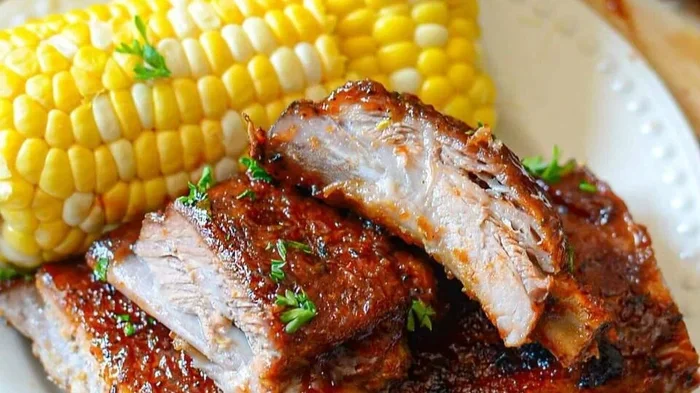
Serve your juicy ribs with extra BBQ sauce on the side, along with coleslaw, cornbread, or baked beans for a complete meal.
Pro Tips for Perfectly Tender Ribs Every Time
Even with a great recipe, small details can make or break your ribs. Here are some expert tips that will elevate your oven ribs recipe from good to outstanding.
Use a Meat Thermometer
This is the single most important tool for cooking ribs. You want the internal temperature to reach 195 to 203 degrees Fahrenheit. At this range, the collagen has fully broken down, and the meat will be fall-off-the-bone tender. Without a thermometer, you are guessing, and guessing leads to overcooked or undercooked ribs.
Do Not Skip the Foil Wrap
Some people skip the foil wrap to get a smokier flavor. But when cooking ribs in the oven, the wrap is essential for moisture retention. It also speeds up cooking time significantly. If you want a crispier exterior, simply unwrap and increase the heat at the end for a few minutes.
Let the Ribs Rest
Resting is not just for steaks. Ribs benefit from a 10-minute rest after cooking. During this time, the internal temperature equalizes, and the juices settle into the meat. Cutting too early releases those juices onto the cutting board instead of keeping them in the ribs.
Experiment with Different Sauces
BBQ sauce is not one-size-fits-all. Try a tangy vinegar-based sauce for a Carolina-style finish or a sweet, smoky tomato-based sauce for a classic taste. You can also make a rib glaze by reducing BBQ sauce with a bit of honey and apple cider vinegar for extra shine and flavor.
Quick Tips for Better Ribs
- Always remove the membrane before seasoning. It blocks flavor and creates a tough layer.
- Use heavy-duty foil for wrapping. Regular foil tears easily and loses moisture.
- Place a rack inside your baking sheet for even air circulation around the ribs.
- Save the juices from the foil wrap and drizzle them over the ribs before glazing.
- Do not rush the process. Low and slow is the only way to get truly tender ribs.
Expert Insight: The Science Behind Tender Ribs
Understanding why ribs become tender helps you control the process better. Ribs are full of collagen, a tough connective tissue that surrounds the muscle fibers. When you cook ribs at a low and slow temperature of around 275 degrees Fahrenheit, the collagen slowly converts into gelatin. This gelatin gives the meat its silky, melt-in-your-mouth texture. Rushing this process with high heat simply squeezes out moisture without converting the collagen. That is why tender ribs in the oven fast is all about patience and technique, not just speed.
Common Mistakes to Avoid When Cooking Ribs in the Oven
Even experienced cooks make mistakes with ribs. Knowing what to avoid will save you time, money, and a lot of disappointment.
Cooking at Too High a Temperature
The biggest mistake people make is setting the oven too hot. High temperatures dry out the meat before the connective tissue has time to break down. Stick to 275 degrees Fahrenheit for the best results. Remember, low and slow is the motto for a reason.
Skipping the Membrane Removal
The rib membrane is a thin, translucent layer on the bone side of the rack. Many people leave it on because it seems too tedious to remove. But it creates a rubbery texture and blocks your rub from reaching the meat. Take the extra two minutes to peel it off. Your ribs will thank you.
Using Too Much Sauce Too Early
Applying BBQ sauce too early in the cooking process causes it to burn and turn bitter. The sugars in the sauce caramelize and then scorch at high temperatures. Always apply your glaze in the last 15 to 20 minutes of cooking, when the ribs are almost done.
Not Letting the Ribs Rest
Cutting into ribs immediately after they come out of the oven releases all the juices. The meat becomes dry and loses its tenderness. Give them a solid 10-minute rest, loosely tented with foil, before slicing.
Overcooking the Ribs
While you want tender ribs, there is such a thing as too much of a good thing. Overcooked ribs become mushy and lose their structure. Use your meat thermometer and pull them at 195 to 203 degrees Fahrenheit. If the meat pulls back from the bones by about a quarter inch, that is another reliable sign they are done.
How to Know When Your Ribs Are Done
Timing can vary based on the thickness of the ribs and your specific oven. Rather than relying solely on the clock, use these reliable methods to check for doneness.
The Bend Test
Pick up the rack of ribs from one end with tongs. If the ribs bend and cracks form on the surface, they are done. If they bend without cracking, they need more time. This test takes a little practice, but it is a great indicator of tender ribs.
The Meat Thermometer Test
Insert a meat thermometer into the thickest part of the meat, avoiding the bone. You are looking for an internal temperature between 195 and 203 degrees Fahrenheit. This is the sweet spot where collagen has fully converted to gelatin, giving you that fall-off-the-bone texture.
The Toothpick Test
Poke the meat between the bones with a toothpick or skewer. If it slides in and out with no resistance, your ribs are ready. If you feel resistance, give them more time.
Comparison: Baby Back Ribs vs Spare Ribs Cooking Times
| Rib Type | Oven Temperature | Cooking Time | Best For |
|---|---|---|---|
| Baby Back Ribs | 275°F | 2 to 2.5 hours | Quick cooking, leaner meat |
| Spare Ribs | 275°F | 3 to 3.5 hours | Rich flavor, fattier cut |
| St. Louis Style | 275°F | 2.5 to 3 hours | Uniform shape, even cooking |
As you can see from the table, baby back ribs are the clear winner for speed. If you are short on time, they are the best choice for a quick oven ribs recipe. Spare ribs offer more flavor but require more patience. Both cuts produce excellent results when you follow the proper oven-baked ribs method.
Serving and Storing Your Ribs
Your tender ribs are done, and now it is time to enjoy them. Presentation matters, even at home.
Serving Ideas
- Slice between the bones and serve on a wooden board for a rustic look
- Brush extra BBQ sauce on top just before serving
- Pair with coleslaw, cornbread, baked beans, or grilled corn
- Sprinkle a little extra rib rub or smoked paprika on top for garnish
- Offer vinegar-based dipping sauce on the side for those who like a tangy kick
Storing Leftovers
Store leftover oven-baked ribs in an airtight container in the refrigerator for up to three days. Reheat them in the oven at 300 degrees Fahrenheit wrapped in foil to keep them moist. Microwaving can dry them out quickly, so the oven method is always better.
You can also freeze cooked ribs for up to three months. Wrap them tightly in foil and then in a freezer bag. Thaw overnight in the refrigerator before reheating. This way, you can meal prep your juicy ribs ahead of time and enjoy them whenever a craving strikes.
Conclusion
Cooking tender ribs in the oven fast is a skill anyone can master with the right approach. By following this step-by-step guide, you will consistently produce juicy, fall-off-the-bone ribs that will impress your family and friends. Remember to remove the membrane, use a good rib rub, cook at the right oven temperature, and wrap the ribs in foil for moisture and speed.
The key to great oven-baked ribs is patience and attention to detail. Do not rush the process, use a meat thermometer, and let the ribs rest before serving. With practice, you will be able to whip up a rack of tender ribs any night of the week.
Now that you have all the knowledge and techniques, it is time to put them into action. Fire up your oven, grab a rack of ribs, and enjoy the process of creating something delicious from scratch. Your kitchen is about to become the best rib joint in town.
Frequently Asked Questions
Can I use a different type of meat for this recipe?
Absolutely. While pork ribs are the most traditional choice, you can also use beef ribs with this method. Beef back ribs and short ribs work well, but you may need to adjust the rib cooking time slightly since beef ribs are thicker and denser than pork ribs.
How do I know if my ribs are done without a meat thermometer?
The bend test is your best friend here. Pick up the rack from one end with tongs. If the surface cracks and the ribs bend noticeably, they are done. You can also poke between the bones with a toothpick. If it slides in easily, your tender ribs are ready.
Can I cook ribs at a higher temperature to save time?
You can, but the results will be different. Higher temperatures cook ribs faster but they tend to be less tender and drier. If you need to speed things up, try 300 degrees Fahrenheit instead of 275. You will shave off about 30 minutes, but you lose some of that melt-in-your-mouth quality that makes BBQ ribs so special.
What is the best BBQ sauce for oven ribs?
The best sauce is whichever one you enjoy most. For a classic taste, a thick tomato-based sauce works wonderfully. If you prefer something tangier, a vinegar-based Carolina sauce adds great flavor. You can also make your own by mixing ketchup, brown sugar, apple cider vinegar, and a splash of Worcestershire sauce for a homemade rib glaze.
Can I prepare the rib rub the night before?
Yes, and doing so is actually recommended. Mixing your rib rub ahead of time and storing it in an airtight jar saves time on cooking day. The spices also have time to meld together, creating a deeper, more complex flavor. Apply the rub to the ribs and refrigerate overnight for the best results.
How long can I store cooked ribs in the fridge?
Cooked ribs keep well in the refrigerator for up to three days when stored in an airtight container. Make sure they cool to room temperature before sealing them. When reheating, use the oven at 300 degrees Fahrenheit wrapped in foil to maintain that tender texture and keep your juicy ribs tasting great.