How Much Time To Bake Fish In Oven For Perfect Results
Baking fish in the oven is one of the simplest and healthiest cooking methods you can use. Most fish fillets need about 10 to 20 minutes at 400°F, but the exact time depends on thickness, fish type, and your oven. This guide covers everything you need to know about how much time to bake fish in oven, from thin tilapia to thick salmon steaks, so you never overcook or undercook your fish again.
There is something truly wonderful about oven baked fish. It is healthy, fast, and incredibly easy to prepare. Yet so many people struggle with getting it just right. The question everyone asks is, how much time to bake fish in oven? The answer is not as simple as you might think. It depends on the type of fish, the thickness of the cut, the oven temperature, and even the kind of pan you use.
This guide will walk you through everything you need to know. You will learn the ideal temperatures, timing for different fish types, and pro tips that take your oven baked fish from good to restaurant quality. Whether you are cooking a quick weeknight dinner or impressing guests, this article has you covered. Let us dive in and make sure your next baking fish in oven experience is a perfect one.
Key Takeaways
- Standard baking temperature: Most fish bakes perfectly at 400°F to 425°F, which is the sweet spot for flavor and moisture.
- Thin fillets cook fast: Fillets under half an inch thick need only 8 to 12 minutes in the oven.
- Thick cuts take longer: Steaks and thick fillets over one inch may need 20 to 25 minutes at a slightly lower temperature.
- Internal temperature is key: Fish is done when it reaches 145°F internally and flakes easily with a fork.
- Different fish types vary: Salmon, cod, tilapia, and halibut all have different baking times and textures.
- Simple prep makes a difference: Parchment paper, proper seasoning, and not overcrowding the pan lead to better results.
- Avoid common mistakes: Overcooking, skipping the rest time, and using the wrong pan can ruin your fish.
📑 Table of Contents
- The Ideal Oven Temperature For Baking Fish
- How Much Time To Bake Fish In Oven Based On Thickness
- Fish Type And Baking Time Comparison
- Step By Step Guide To Perfect Oven Baked Fish
- Common Mistakes To Avoid When Baking Fish
- Expert Tips For The Best Baked Fish Ever
- How To Tell If Baked Fish Is Done
- How To Store And Reheat Leftover Baked Fish
- Conclusion
The Ideal Oven Temperature For Baking Fish
Temperature is the single most important factor in baking fish in oven. Too hot and the outside burns while the inside stays raw. Too cool and the fish dries out before it cooks through. The good news is that the sweet spot is easy to remember.
Recommended Temperatures By Fish Type
Most fish fillets and steaks bake beautifully at 400°F to 425°F. This range cooks the fish evenly and helps develop a light golden crust without drying out the inside. Here is a quick breakdown:
- 400°F: Best for delicate fish like tilapia, sole, and flounder. This lower temperature prevents thin fillets from drying out.
- 425°F: Ideal for firmer fish like salmon, cod, halibut, and trout. The higher heat helps create a nice exterior while keeping the inside moist.
- 375°F: Use this for very thick cuts or when you are wrapping fish in foil or parchment. The slower cook allows heat to penetrate deeply.
Why Temperature Matters So Much
Fish is a delicate protein. It cooks much faster than chicken or beef. The fish baking temperature you choose affects everything from texture to flavor. At the right temperature, the proteins in the fish gently denature, keeping the flesh tender and juicy. Too much heat causes the moisture to evaporate quickly, leaving you with a dry, chalky result.
If you are using a convection oven, reduce the temperature by about 25°F. Convection fans circulate hot air more efficiently, which means your oven baked fish will cook faster. Always keep an eye on it the first few times you try a new setting.
How Much Time To Bake Fish In Oven Based On Thickness
Now let us get to the heart of the matter. How much time to bake fish in oven really comes down to thickness. This is the most reliable way to estimate cooking time. Use a ruler or eyeball the thickest part of the fillet to measure.
Thin Fillets (Quarter to Half Inch Thick)
Thin fillets like tilapia, sole, and thin cod pieces cook very quickly. At 400°F, these delicate cuts need only 8 to 12 minutes. Because they are so thin, they can go from perfectly done to overcooked in a matter of minutes. Watch them closely and pull them out as soon as the flesh turns opaque and flakes easily.
Pro tip: Place thin fillets on a preheated baking sheet. The hot pan helps the bottom cook evenly and develop a light crispiness. This small trick makes a big difference in your baking fish in oven results.
Medium Fillets (Half to One Inch Thick)
This is the most common thickness you will find at the grocery store. Fillets like salmon, sea bass, and haddock in this range need about 12 to 18 minutes at 400°F to 425°F. The middle of the fillet will still be slightly translucent when you take it out. The residual heat will finish the cooking as the fish rests.
If you are unsure whether the fish is done, use the fork test. Gently press the thickest part with a fork and twist slightly. If the flesh flakes apart easily, it is ready. If it still feels firm and resistant, give it another two to three minutes.
Thick Cuts and Steaks (One Inch and Above)
Thick salmon steaks, swordfish, and tuna steaks need more time and sometimes a lower temperature. At 375°F to 400°F, these cuts take approximately 20 to 25 minutes. The key is to cook them slowly enough that the heat reaches the center without overcooking the outer layers.
For extra thick cuts, consider finishing them with a quick broil at the end. This adds a beautiful caramelized crust while keeping the inside perfectly moist. Just stay right there and watch it closely. Broiling can go from perfect to burnt in under a minute.
Fish Type And Baking Time Comparison
Different types of fish have different textures, fat content, and cooking behaviors. Here is a detailed comparison table to help you plan your oven baked fish dinners with confidence.
| Fish Type | Typical Thickness | Temperature | Baking Time | Texture When Done |
|---|---|---|---|---|
| Tilapia | 1/4 to 1/2 inch | 400°F | 8 to 12 min | White, flaky, tender |
| Salmon | 1/2 to 1 inch | 425°F | 12 to 18 min | Moist, pink, silky |
| Cod | 1/2 to 3/4 inch | 400°F to 425°F | 12 to 15 min | Flaky, white, firm |
| Halibut | 3/4 to 1 inch | 400°F to 425°F | 15 to 20 min | Dense, meaty, flaky |
| Trout | 1/2 inch (whole or fillet) | 400°F | 10 to 14 min | Delicate, tender, moist |
| Swordfish | 1 to 1.5 inch steaks | 400°F | 18 to 22 min | Steak-like, firm, juicy |
| Tuna Steaks | 1 to 1.5 inch | 425°F | 12 to 16 min (rare) | Sear-like center, pink |
| Catfish | 1/2 inch fillets | 400°F | 10 to 14 min | Mild, flaky, soft |
This table is a great starting point, but always use the internal temperature as your final check. How much time to bake fish in oven can vary based on your specific oven, the starting temperature of the fish, and even the altitude where you live.
Step By Step Guide To Perfect Oven Baked Fish
Getting great results every time comes down to a few simple steps. Follow this guide and your oven baked fish will turn out beautifully.
Step One: Prep The Fish
Start by patting the fish dry with paper towels. Moisture on the surface creates steam, which prevents browning and leads to a soggy texture. If your fillets have skin, decide whether you want to keep it on or remove it. Skin-on fillets crisp up nicely in the oven and help hold the fish together during cooking.
Let the fish sit at room temperature for about 10 to 15 minutes before baking. Cold fish straight from the refrigerator takes longer to cook and heats unevenly. This small step makes a noticeable difference in your baking fish in oven results.
Step Two: Season Simply But Well
Fish tastes best with simple seasoning. A drizzle of olive oil, a sprinkle of salt and pepper, and a squeeze of lemon juice is all you need for a classic preparation. You can also add garlic, fresh herbs like dill or thyme, or a touch of paprika for extra flavor.
Avoid heavy breading if you want a healthy, quick meal. The natural flavor of fresh fish is best showcased with minimal seasoning. Save the heavy coatings for frying or grilling.
Step Three: Choose The Right Pan
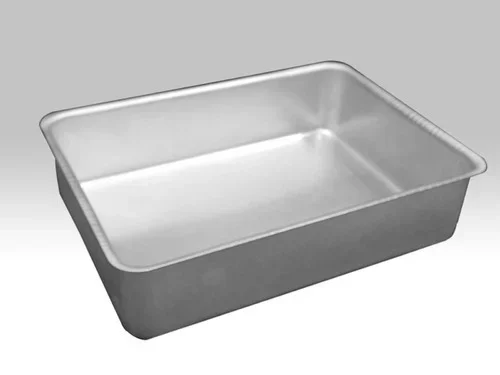
Use a baking sheet lined with parchment paper or aluminum foil for easy cleanup. A light-colored pan works better than a dark one because dark pans absorb more heat and can cause the bottom of the fish to overcook. If you are baking whole fish or larger fillets, a lightly greased baking dish works perfectly.
Do not overcrowd the pan. Give each fillet space so hot air circulates freely around the fish. Crowding leads to uneven cooking and steaming instead of baking.
Step Four: Bake And Monitor
Place the fish in the preheated oven on the middle rack. Set a timer based on the thickness and type of fish. Check the fish a few minutes before the minimum time. Every oven is slightly different, and you do not want to miss the moment when the fish is perfectly done.
Use an instant-read thermometer for the most accurate results. Insert it into the thickest part of the fillet at an angle. When the internal temperature reaches 145°F, the fish is done. The flesh should be opaque and flake easily with a fork.
Step Five: Rest The Fish
Take the fish out of the oven and let it rest for two to three minutes. This allows the juices to redistribute throughout the fillet. Cutting into it immediately can cause the moisture to run out, leaving the fish drier than it should be. A short rest makes a big difference in the final texture of your oven baked fish.
Common Mistakes To Avoid When Baking Fish
Even experienced cooks make mistakes when baking fish. Here are the most common errors and how to avoid them.
- Overcooking the fish: This is the number one mistake. Fish goes from perfectly done to dry and rubbery very quickly. Always check a minute or two before the minimum suggested time.
- Starting with cold fish: Putting cold fillets straight into the oven leads to uneven cooking. The outside overcooks while the inside is still cold. Let the fish warm up for 10 to 15 minutes first.
- Using the wrong pan: Dark pans absorb too much heat and can burn the bottom of the fish. Stick to light-colored baking sheets or glass baking dishes.
- Not preheating the oven: Putting fish in a cold oven throws off the timing and cooking results. Always preheat to the target temperature before placing the fish inside.
- Overcrowding the pan: Placing fillets too close together traps steam and prevents even browning. Give each piece its own space on the pan.
- Skipping the parchment paper: Fish sticks to bare baking sheets and breaks apart when you try to remove it. Parchment paper or a silicone mat solves this problem easily.
Avoiding these simple mistakes will elevate your baking fish in oven game significantly. You will notice better texture, more flavor, and more consistent results every single time.
Expert Tips For The Best Baked Fish Ever
Take your oven baked fish to the next level with these proven tips from experienced cooks and chefs.
Use Parchment Paper For Easy Cleanup
Lining your baking sheet with parchment paper does more than just make cleanup easier. It creates a gentle barrier that prevents the fish from sticking and helps steam cook the top of the fillet gently. The result is a moist, tender fish with a lightly crispy bottom. This is a favorite trick among home cooks who bake fish regularly.
Add A Flavor Boost With Citrus And Herbs
Thin slices of lemon or lime placed on top of the fish add brightness and help tenderize the flesh slightly. Fresh herbs like dill, parsley, or basil bring a pop of flavor that pairs beautifully with most fish types. You can also add a few thin slices of garlic or a sprig of rosemary for a deeper, aromatic flavor profile.
Brush With Butter Before Baking
A light brush of melted butter on the surface of the fish adds richness and helps the exterior brown slightly. This is especially effective for lean fish like cod and tilapia that can dry out more easily. The butter also helps seasonings adhere to the surface, so every bite is flavorful.
Know When To Use Foil Versus No Foil
Wrapping fish in foil creates a steaming effect that keeps the fish very moist. This works well for thicker fillets and whole fish. However, foil prevents browning and crisping. If you want a golden, slightly crispy exterior, skip the foil and use parchment paper instead. Your oven baked fish will have better texture and more flavor without the foil.
Invest In An Instant-Read Thermometer
This is the single best tool for perfectly baked fish every time. An instant-read thermometer takes the guesswork out of cooking. You will know exactly when the fish reaches the safe internal temperature of 145°F. Over time, you will develop a feel for when fish is done, but the thermometer never lies.
How To Tell If Baked Fish Is Done
Knowing when your oven baked fish is perfectly done is a skill that comes with practice. There are three reliable ways to check.
The Visual Test: Look at the thickest part of the fillet. Fully cooked fish is opaque white or light pink throughout. If you see any translucent or raw-looking areas, it needs more time.
The Fork Test: Gently insert a fork into the thickest part at a 45-degree angle and twist. If the flesh flakes apart into separate, tender pieces, it is done. If it resists and stays in one piece, it needs a few more minutes.
The Thermometer Test: This is the most accurate method. Insert an instant-read thermometer into the thickest part. The fish is done at 145°F. For salmon, many people prefer it at 125°F to 130°F for a medium-rare, silky texture. It is all about personal preference and food safety.
How To Store And Reheat Leftover Baked Fish
If you have leftovers, proper storage keeps the fish tasting great for the next day. Let the fish cool to room temperature before storing. Place it in an airtight container and refrigerate for up to two days. Reheat gently in the oven at 300°F for about 10 minutes. Avoid microwaving if possible, as it can make the fish rubbery and tough.
Leftover baked fish also makes a fantastic addition to salads, sandwiches, and pasta dishes. A quick flake over a bed of greens with some lemon vinaigrette creates a delicious and healthy meal in minutes.
Conclusion
Baking fish in the oven is one of the easiest and most rewarding ways to prepare a healthy, delicious meal. The key to success lies in understanding how much time to bake fish in oven based on thickness, fish type, and temperature. Most fillets need between 10 and 20 minutes at 400°F to 425°F, but always use the internal temperature and the fork test as your final checks.
Remember to pat the fish dry, season it simply, use parchment paper, and never walk away from the oven while it bakes. Fish cooks quickly and can go from perfect to overdone in a flash. With the tips and timing guides in this article, you now have everything you need to bake fish like a pro.
Start with these guidelines, experiment with different fish types and seasonings, and soon you will be able to whip up a perfect oven baked fish dinner without even thinking about it. Your kitchen, your family, and your taste buds will thank you.
Frequently Asked Questions
Can I bake frozen fish directly in the oven?
Yes, you can, but it will take significantly longer than fresh fish. Frozen fillets may need 20 to 30 minutes at 400°F depending on thickness. It is best to thaw the fish first for more even cooking and better texture, but if you are short on time, baking from frozen works in a pinch. Just add about 50% more time to your usual baking duration.
What is the best fish for beginners who want to bake?
Tilapia, cod, and salmon are excellent choices for beginners. They are widely available, affordable, and forgiving when it comes to timing. Tilapia cooks quickly and stays mild in flavor, while salmon is more forgiving because its higher fat content keeps it moist even if you slightly overcook it. Start with these types to build your confidence with baking fish in oven techniques.
Do I need to flip fish when baking it in the oven?
Generally, no. Most oven baked fish does not need flipping. The top of the fillet cooks from the radiant heat of the oven, and flipping can cause delicate fish to break apart. The exception is if you are using a very thick cut and want the top to brown as well. In that case, you can carefully flip it halfway through, but it is not necessary for most fillets.
Can I bake whole fish in the oven?
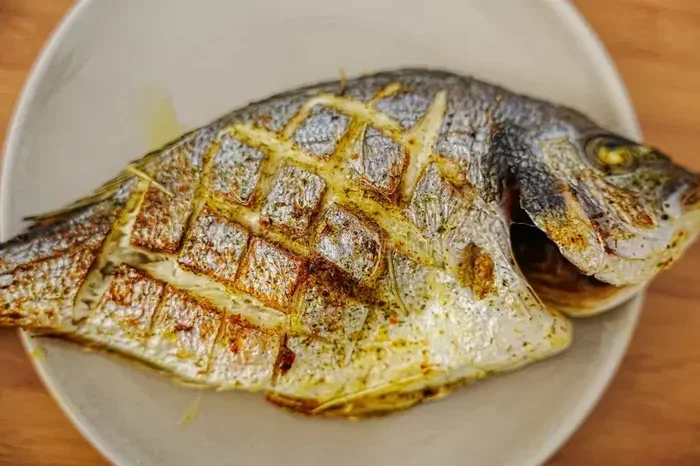
Absolutely. Whole fish like branzino or trout bake beautifully in the oven. A whole fish weighing one to two pounds typically needs about 20 to 25 minutes at 400°F. Stuff the cavity with lemon slices and fresh herbs for extra flavor. The fish is done when the eyes turn white and the flesh flakes easily along the spine.
How do I prevent my baked fish from sticking to the pan?
The easiest way is to line your baking sheet with parchment paper or a silicone baking mat. You can also lightly grease the pan with olive oil or butter before placing the fish. Letting the fish come to room temperature before baking also helps, as cold fish is more likely to stick. These simple steps ensure your oven baked fish releases cleanly every time.
Is it safe to eat slightly undercooked fish?
It depends on the type of fish and your personal preference. The USDA recommends cooking fish to an internal temperature of 145°F for safety. However, many cuisines, especially Japanese and sushi traditions, feature fish cooked to lower temperatures. If you choose to eat fish that is slightly rare, make sure it is sushi-grade or sashimi-grade fish that has been handled and stored properly. For most home cooking, aim for the full 145°F to be safe.