Can I Clean Air Fryer With Oven Cleaner Safely Today
Can I Clean Air Fryer With Oven Cleaner? Many people wonder if harsh oven cleaners are safe for their air fryer. The truth is that most oven cleaners contain strong chemicals that can damage the non-stick coating and leave harmful residues behind. This article covers the risks, safer cleaning methods, and expert tips to keep your air fryer in top shape.
You just finished cooking a delicious meal in your air fryer, and now you are staring at a greasy basket and a stubborn layer of baked-on residue. The easy solution might seem to grab a can of oven cleaner and spray it down. But before you do, you need to stop and ask yourself a very important question. Can I Clean Air Fryer With Oven Cleaner safely? This is a question that many home cooks ask, and the answer is not as simple as a yes or no.
The truth is that using oven cleaner on an air fryer comes with real risks. Your air fryer is a valuable kitchen appliance, and you want to take care of it properly. In this guide, we will explore everything you need to know about cleaning your air fryer with oven cleaner. We will look at the potential dangers, the safer alternatives, and the best practices for air fryer cleaning that actually work. By the end, you will have all the information you need to make the right choice for your appliance.
Whether you use your air fryer every day or just a few times a week, proper air fryer maintenance is essential. A clean air fryer cooks food better, lasts longer, and stays safe to use. Let us dive into the details and help you keep your appliance in excellent condition.
Key Takeaways
- Oven cleaner can damage your air fryer: Harsh chemicals in oven cleaners may strip the non-stick coating and leave toxic residues behind.
- Safer alternatives exist: Baking soda, vinegar, and warm soapy water are effective and gentle cleaning options.
- Regular cleaning extends lifespan: Cleaning your air fryer after each use prevents buildup and keeps it working efficiently.
- Always check the manufacturer’s guide: Different air fryer models have different cleaning requirements and warnings.
- Never use oven cleaner on removable parts: The non-stick coating on baskets and trays is especially vulnerable to chemical damage.
- Natural cleaners work just as well: Simple household items like lemon, baking soda, and vinegar can tackle tough grease without risks.
📑 Table of Contents
- Why People Consider Using Oven Cleaner on Air Fryers
- The Risks of Using Oven Cleaner on Your Air Fryer
- What Happens to Non-Stick Coatings With Harsh Chemicals
- Safer and Effective Alternatives to Oven Cleaner
- Step-by-Step Guide to Cleaning Your Air Fryer Properly
- How Often Should You Deep Clean Your Air Fryer
- Expert Tips for Long-Lasting Air Fryer Care
Why People Consider Using Oven Cleaner on Air Fryers
Let us be honest. Air fryers can get incredibly messy. Grease splatters, food crumbs, and baked-on residue build up fast. After a long cooking session, the thought of scrubbing everything by hand is not exactly appealing. Many people turn to oven cleaner because it works so well on their regular oven. The idea of just spraying it down and wiping it clean sounds almost too easy.
Oven cleaners are designed to dissolve tough, baked-on grease and food residue. They contain powerful chemicals that break down carbonized food particles quickly. When you see how well they work on the inside of a tandoori oven, it is easy to understand why people want to use them on other kitchen appliances too. The convenience factor is real, and it is the main reason so many people reach for that can of spray.
However, an air fryer is not the same as a traditional oven. The materials, coatings, and design are different. What works safely on one appliance may cause serious damage to another. This is why it is so important to understand the risks before you spray anything inside your air fryer.
The Convenience Trap
We all fall into the convenience trap sometimes. You have a dirty air fryer, a timer ticking, and dinner to make. The oven cleaner seems like the fastest fix. But taking a few extra minutes to clean it the right way will save you from costly repairs or even needing a replacement unit. Think of it this way. A little extra care today prevents big problems tomorrow.
Many people also assume that because oven cleaners are sold for kitchen use, they must be safe for all kitchen appliances. This is a common misconception. Oven cleaners are formulated specifically for the inside of fixed ovens made of metal or porcelain. They are not tested or approved for use on the delicate components found in countertop appliances like air fryers.
The Risks of Using Oven Cleaner on Your Air Fryer
This is the most important section of this article. Understanding the risks will help you make an informed decision about how to clean your appliance. Let us break down the dangers step by step.
Chemical Damage to Non-Stick Coatings
Most air fryers have a non-stick coating on the basket, tray, and cooking chamber. This coating is what prevents food from sticking and makes cleanup easier. Oven cleaners contain harsh chemicals like sodium hydroxide and ethylene glycol. These substances are designed to strip away baked-on carbon from metal surfaces. When they come into contact with a non-stick coating, they can cause serious damage.
The coating may peel, blister, or flake off after exposure to oven cleaner. Once the non-stick surface is compromised, your air fryer will not cook food the same way. Food will stick more easily, and the damaged coating can actually flake into your food. That is a health concern you definitely want to avoid. The non-stick coating is one of the most important features of your air fryer, and protecting it should be a top priority.
Toxic Chemical Residues
Even if you rinse the air fryer thoroughly after using oven cleaner, trace amounts of chemicals can remain. These chemical residues can transfer to your food during the next cooking session. Oven cleaners are not designed for food contact surfaces. They are meant for the inside of a fixed oven, not for a cooking appliance where food directly touches the surfaces.
Think about it this way. Would you clean your frying pan with oven cleaner? Most people would never do that because the chemicals would end up in their food. The same logic applies to your air fryer. The cooking residue might be tough, but the risk of chemical contamination is not worth it.
Damage to Heating Elements and Sensors
Air fryers have sensitive heating elements and temperature sensors. Spraying oven cleaner near these components can cause corrosion or malfunction. The chemicals can also clog the ventilation slots and fans that are essential for proper air circulation. When airflow is blocked, your air fryer will not cook evenly, and the motor may overheat.
If you have ever wondered whether it is safe to put certain items near heat sources, you might want to read this article about Is It Safe To Put Pizza Box In Oven. It highlights how different materials react to heat, and the same caution applies to cleaning products near hot appliances.
Voiding Your Warranty
Most air fryer manufacturers explicitly warn against using harsh chemicals on their appliances. Using oven cleaner may void your warranty if it causes damage. Always check your manual and contact the manufacturer if you are unsure about which cleaning products are safe to use. It is not worth risking your warranty for a quick cleaning shortcut.
What Happens to Non-Stick Coatings With Harsh Chemicals
Let us take a closer look at what oven cleaner actually does to the surfaces inside your air fryer. This will help you understand why it is so important to avoid harsh chemicals when doing kitchen appliance cleaning.
The non-stick coating on most air fryer baskets is made of a material called PTFE, commonly known as Teflon. This coating is incredibly thin but very effective at preventing food from sticking. When oven cleaner contacts this surface, it begins to break down the PTFE at a molecular level. The result is a surface that loses its non-stick properties over time.
Here is what happens in stages:
- First exposure: The coating may appear unchanged, but microscopic damage has already begun.
- Repeated exposure: The coating starts to peel and flake. Food begins to stick more frequently.
- Advanced damage: Large patches of coating are missing. The underlying metal is exposed and prone to rust and corrosion.
- Complete failure: The basket is no longer functional and must be replaced.
Once the non-stick coating is damaged, there is no way to repair it. You would need to replace the entire basket or tray. This can be expensive and inconvenient. The good news is that avoiding oven cleaner is an easy way to protect your investment.
How to Check If Your Coating Is Already Damaged
Regularly inspect the inside of your air fryer for signs of coating damage. Look for scratches, peeling, or discoloration. If you notice any of these signs, stop using the appliance for cooking until you can replace the affected part. Cooking with a damaged non-stick surface can release harmful particles into your food.
For grease removal on damaged surfaces, use a soft scrub brush with a paste of baking soda and warm water. This will help lift residue without causing further scratching. Always dry the parts completely after cleaning to prevent rust on exposed metal.
Safer and Effective Alternatives to Oven Cleaner
The good news is that you do not need oven cleaner to get your air fryer sparkling clean. There are several safer and equally effective alternatives that use simple household items. These methods are gentle on your appliance and safe for food contact surfaces.
Baking Soda and Vinegar Method
This is one of the most popular and effective methods for air fryer cleaning. Baking soda is a natural abrasive that lifts grease and grime without scratching surfaces. Vinegar cuts through grease and deodorizes at the same time. Together, they create a powerful cleaning solution that is completely safe.
Here is how to do it:
- Remove the basket and tray from your air fryer.
- Mix three tablespoons of baking soda with a small amount of water to form a paste.
- Spread the paste evenly over the greasy surfaces.
- Let it sit for fifteen to twenty minutes.
- Spray white vinegar over the paste and let it fizz.
- Scrub gently with a soft sponge or cloth.
- Rinse thoroughly with warm water and dry completely.
This method works wonders on baked-on grease and food residue. It is also safe for all types of air fryer surfaces, including non-stick coatings. The fizzing action of the vinegar and baking soda helps lift even the toughest cooking residue without any harsh chemicals.
Warm Soapy Water Soak
Sometimes the simplest method is the best one. Fill your sink with warm water and add a few drops of dish soap. Submerge the removable air fryer parts and let them soak for twenty to thirty minutes. The warm water will soften the grease and food residue, making it much easier to wipe away.
After soaking, use a soft scrub brush or non-abrasive sponge to gently remove any remaining grime. For stubborn spots, sprinkle a little baking soda directly on the surface and scrub in a circular motion. Rinse everything thoroughly with soap and water and dry before reassembling your air fryer.
This is the method I recommend for regular cleaning after every few uses. It takes just a few minutes and keeps your appliance in great condition. For the best results, do not let greasy parts sit for too long before washing them.
Lemon and Steam Cleaning
Lemon is a natural degreaser and deodorizer. For a deep clean, fill the air fryer basket with water and squeeze in the juice of one lemon. Run the air fryer at 350°F for five minutes. The steam will loosen grease and food particles, and the lemon will leave a fresh scent behind.
After the steam cycle, carefully remove the basket and wipe down all surfaces with a soft cloth. This method is especially effective for removing light grease and keeping your air fryer smelling fresh between deep cleaning sessions. It is a wonderful alternative to harsh chemical cleaners and leaves your appliance looking and smelling great.
Commercial Air Fryer Cleaners
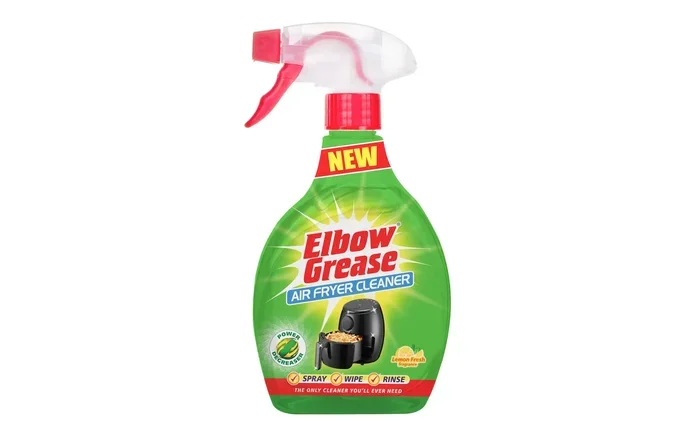
If you prefer a store-bought solution, there are many safe cleaning products specifically designed for air fryers. Look for cleaners that are food-safe, non-toxic, and free from harsh chemicals. These products are formulated to be gentle on non-stick surfaces while still providing effective grease removal.
Always read the label carefully before using any commercial cleaner. Make sure it is safe for use on cooking appliances and food contact surfaces. When in doubt, stick with the natural methods described above. A food-grade cleaner is always the safest choice for any appliance that comes into direct contact with your food.
Step-by-Step Guide to Cleaning Your Air Fryer Properly
Now that you know what to avoid and what to use instead, let us walk through a complete cleaning routine. This guide covers everything from quick daily cleaning to a thorough deep clean.
Quick Daily Cleaning
After every use, take these simple steps to keep your air fryer in great shape:
- Unplug the air fryer and let it cool completely.
- Remove the basket and tray.
- Wipe down the inside of the cooking chamber with a damp cloth.
- Wash the basket and tray with warm soapy water.
- Dry all parts thoroughly before reassembling.
This quick routine takes less than five minutes and prevents grease from building up over time. Consistency is key when it comes to air fryer care. Making it a habit will save you a lot of effort in the long run.
Weekly Deep Clean
Once a week, give your air fryer a more thorough cleaning:
- Remove all removable parts, including the basket, tray, and any additional accessories.
- Soak the parts in warm soapy water for twenty minutes.
- Make a baking soda paste and apply it to any stubborn grease spots.
- Scrub gently with a soft sponge or non-abrasive brush.
- Wipe down the heating element and the inside of the cooking chamber with a damp cloth.
- Check the ventilation slots and clean out any food debris.
- Rinse all parts thoroughly and dry completely.
- Reassemble your air fryer and store it in a clean, dry place.
Following this routine regularly will keep your air fryer performing at its best for years to come. This is the foundation of good air fryer maintenance and will help you avoid the buildup that makes cleaning so difficult.
Monthly Deep Clean and Descale
Once a month, you should perform a deeper cleaning to remove any mineral deposits or stubborn buildup. This is especially important if you live in an area with hard water. Use the lemon steam method or a mixture of equal parts water and white vinegar to descale the interior. Run the air fryer at 350°F for ten minutes, then wipe everything down and rinse thoroughly.
For the removable parts, you can also soak them in a vinegar solution for extra descaling power. This monthly routine ensures that your air fryer stays in peak condition and continues to cook food evenly and efficiently.
How Often Should You Deep Clean Your Air Fryer
The frequency of deep cleaning depends on how often you use your air fryer and what types of food you cook. Here is a general guideline to help you stay on track.
| Usage Level | Quick Clean After Each Use | Weekly Deep Clean | Monthly Deep Clean |
|---|---|---|---|
| Daily use | Yes, always | Yes, every week | Yes, every month |
| 3-4 times per week | Yes, always | Yes, every week | Yes, every month |
| Once a week or less | Yes, always | Every two weeks | Every two months |
No matter how often you use your air fryer, always clean it after cooking foods that leave a lot of grease or residue. Foods like stuffed rouladen and other fatty meats can leave behind significant grease that needs immediate attention to prevent buildup.
If you notice any smoke or unusual odors during cooking, it is a sign that your air fryer needs cleaning. Do not ignore these warning signs. Cleaning your appliance regularly ensures safe and efficient cooking every time. Remember, prevention is always easier than cure when it comes to air fryer cleaning.
Expert Tips for Long-Lasting Air Fryer Care
Taking care of your air fryer goes beyond just cleaning it. Here are some expert tips that will help you get the most out of your appliance for years to come.
Use Parchment Paper or Silicone Liners
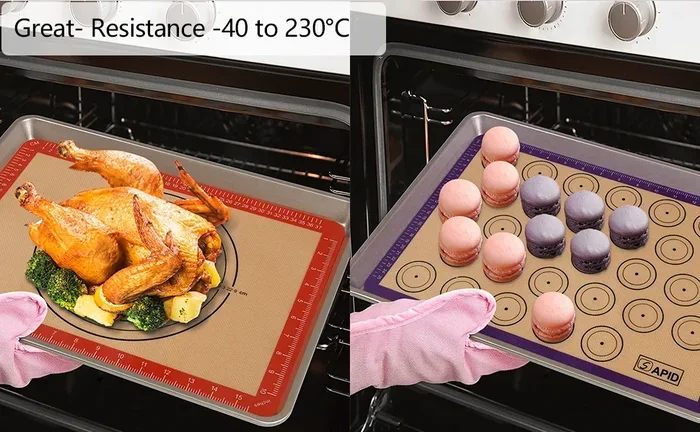
One of the best ways to reduce cleanup is to line your air fryer basket with parchment paper or a silicone liner. These liners catch grease and food particles before they can stick to the basket. Just make sure to poke holes in the parchment paper so air can still circulate properly. This simple trick can cut your cleanup time in half.
Do Not Overfill the Basket
Overfilling the basket leads to food spilling over and creating a mess inside the air fryer. Leave some space between pieces of food so air can circulate freely. This not only improves cooking results but also reduces the amount of cleanup you need to do afterward. A properly loaded air fryer cooks food more evenly and leaves less residue behind.
Clean Removable Parts Immediately
Do not let greasy parts sit in the sink overnight. The longer grease sits, the harder it becomes to clean. As soon as you are done eating, remove the basket and tray, rinse them with warm water, and give them a quick wash. This simple habit makes a huge difference in kitchen appliance cleaning efficiency and keeps your air fryer looking like new.
Avoid Abrasive Cleaners and Tools
Steel wool, abrasive scouring pads, and harsh chemical cleaners should never be used on your air fryer. These tools and products will scratch and damage the surfaces. Stick with soft sponges, microfiber cloths, and gentle cleaning solutions. A soft scrub brush is great for gentle scrubbing without causing damage.
Store Your Air Fryer Properly
When not in use, store your air fryer in a cool, dry place. Make sure it is completely clean and dry before covering it or putting it away. Moisture trapped inside the appliance can lead to mold and unpleasant odors over time. Proper storage is an often overlooked but essential part of air fryer care.
Read Your Manufacturer’s Manual
Every air fryer comes with a manufacturer’s manual that includes specific cleaning instructions. Take the time to read it carefully. The manual will tell you which parts are removable, which cleaning methods are safe, and any warnings you should be aware of. Following the manufacturer’s guidelines is the best way to ensure your warranty remains valid and your appliance performs at its best.
In summary, while it might be tempting to use oven cleaner for a quick fix, the risks far outweigh the convenience. Your air fryer deserves gentle, safe cleaning methods that protect both the appliance and your health. Stick with the natural alternatives and regular cleaning routines described in this guide, and your air fryer will serve you well for many years to come.
Frequently Asked Questions
Can I use oven cleaner on the outside of my air fryer?
It is not recommended. The chemicals in oven cleaner can damage the exterior finish and leave residues that may transfer to your hands during handling. Stick with a damp cloth and mild soap for cleaning the outside of your air fryer.
What is the best homemade cleaner for an air fryer?
A mixture of baking soda and vinegar is the best homemade cleaner for an air fryer. It is safe, effective, and gentle on all surfaces. Simply make a paste with baking soda and water, apply it to greasy areas, spray with vinegar, and wipe clean.
Will using oven cleaner void my air fryer warranty?
Most manufacturers explicitly warn against using harsh chemicals on their appliances. Using oven cleaner may void your warranty if it causes damage. Always check your manual and contact the manufacturer if you are unsure about which cleaning products are safe to use.
How do I remove baked-on grease from my air fryer basket?
Soak the basket in warm soapy water for thirty minutes, then make a baking soda paste and apply it to the greasy spots. Scrub gently with a soft sponge and rinse thoroughly. For tough buildup, repeat the process or let the basket soak overnight.
Can I put my air fryer parts in the dishwasher?
Many air fryer baskets and trays are dishwasher safe, but always check your manufacturer’s manual first. The high heat and harsh detergents in dishwashers can sometimes damage non-stick coatings over time. Hand washing is always the safest option for extending the life of your parts.
Is it safe to use chemical cleaners on air fryer heating elements?
No, chemical cleaners should never be used on heating elements. They can cause corrosion, affect performance, and leave toxic residues. Only use a damp cloth to gently wipe the heating element, and never spray any liquid directly onto it.
=== CONCLUSION ===
Can I Clean Air Fryer With Oven Cleaner safely? The answer is clear: it is best to avoid oven cleaner altogether. The risks to your non-stick coating, your health, and your appliance are simply too great. Instead, use the safer and effective alternatives we discussed, such as baking soda, vinegar, warm soapy water, and lemon steam cleaning.
Regular air fryer cleaning and proper air fryer maintenance will keep your appliance working beautifully for years. Make it a habit to clean your air fryer after each use and perform a deeper clean weekly. Your food will taste better, your air fryer will last longer, and you will have peace of mind knowing that your cooking surfaces are safe and chemical-free.
Take a few extra minutes today to care for your air fryer the right way. Your future self and your family will thank you. Happy cooking and happy cleaning!