How Much Time Does It Take To Cook Salmon In The Oven
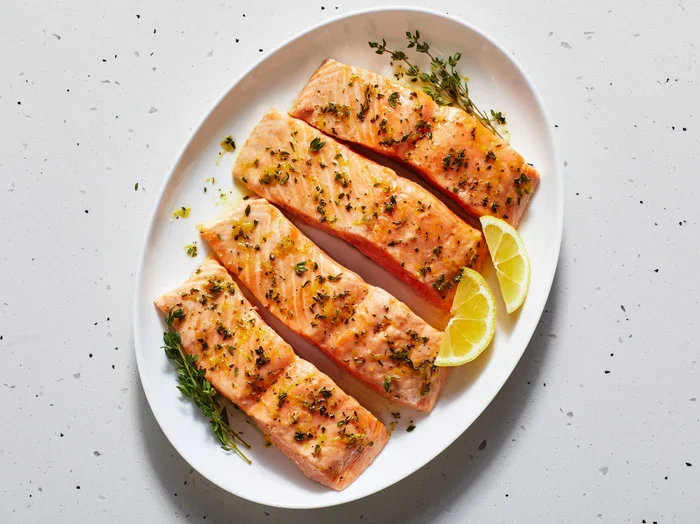
Cooking salmon in the oven is simple when you know the right time and temperature. Most salmon fillets bake at 400°F for 12 to 15 minutes, but the exact time depends on thickness, skin-on or skinless, and your desired doneness. This guide covers everything you need to know about oven-baked salmon, from preparation to serving.
There is something truly special about a perfectly baked salmon fillet. The outside turns lightly golden, the inside stays soft and pink, and the whole kitchen fills with a delicious smell. Whether you are a beginner in the kitchen or a seasoned home cook, learning how long to cook salmon in the oven is one of the most useful skills you can build.
Salmon is one of the healthiest and most flavorful proteins you can prepare. It is packed with omega-3 fatty acids, high-quality protein, and important vitamins. Best of all, it is incredibly easy to cook in the oven. You do not need fancy equipment or advanced cooking skills. A simple oven, a baking sheet, and a few basic ingredients are all you need.
In this guide, we will walk you through everything you need to know about cooking salmon in the oven. We will cover exact times, temperatures, preparation tips, and common mistakes to avoid. By the end, you will feel confident making restaurant-quality salmon right in your own kitchen.
The most common question people ask is, “How much time does it really take?” The answer depends on a few factors. The thickness of the fillet, whether the skin is on or off, and your oven’s performance all play a role. But do not worry. We will break it all down so you never have to guess again.
Key Takeaways
- Standard bake time: Salmon cooks in 12 to 15 minutes at 400°F for a 1-inch thick fillet.
- Internal temperature matters: The FDA recommends cooking salmon to 145°F for food safety.
- Thickness changes everything: Thicker cuts need more time, while thin fillets cook faster.
- Skin-on vs. skinless: Skin-on fillets take slightly longer and stay juicier.
- Resting is essential: Let salmon rest for 3 to 5 minutes after baking for the best texture.
- Seasoning early: Marinating or seasoning at least 15 minutes before baking boosts flavor.
- Avoid overcooking: Check doneness early to keep salmon moist and tender.
📑 Table of Contents
- Why Oven-Baked Salmon Is So Popular
- How Long Does It Take to Cook Salmon in the Oven
- Factors That Affect Salmon Baking Time
- How to Prepare Salmon for the Oven
- Step-by-Step Oven-Baked Salmon Recipe
- Common Mistakes When Baking Salmon
- Expert Tips for Perfect Oven-Baked Salmon
- How to Tell When Salmon Is Done
- Serving Suggestions and Pairings
- Frequently Asked Questions
- Conclusion
Why Oven-Baked Salmon Is So Popular
Oven-baked salmon has become a go-to recipe for busy weeknights and dinner parties alike. It is healthy, fast, and incredibly versatile. You can pair it with almost any side dish, from roasted vegetables to rice or a fresh salad.
Unlike grilling or pan-searing, baking salmon in the oven gives you more control. The heat surrounds the fillet evenly, which helps it cook consistently. There is less risk of burning or sticking. Plus, cleanup is a breeze. Most of the time, a single baking sheet and some parchment paper are all you need.
Health Benefits of Salmon
Salmon is widely considered one of the healthiest foods you can eat. A single serving provides a large dose of omega-3 fatty acids, which support heart health, brain function, and reduced inflammation. It is also an excellent source of B vitamins, potassium, and selenium. Because it is high in protein and low in saturated fat, it fits well into almost any diet plan.
When you bake salmon in the oven, you do not need to add a lot of extra fat. A light brush of olive oil and your favorite seasonings are usually enough. This keeps the calorie count low while maximizing flavor. It is one of the easiest healthy meals you can prepare at home.
How Long Does It Take to Cook Salmon in the Oven
This is the section you have been waiting for. The short answer is that most salmon fillets bake in 12 to 15 minutes at 400°F. But the full answer has a few important details. Let us break it down by different scenarios so you can find exactly what applies to your situation.
Standard Baking Time at 400°F
For a standard salmon fillet that is about 1 inch thick, 400°F is the sweet spot. At this temperature, the outside gets a gentle crisp while the inside stays moist and tender. Here is a quick reference guide for typical fillet sizes.
- Thin fillet (half an inch): 8 to 10 minutes
- Standard fillet (1 inch): 12 to 15 minutes
- Thick cut (1.5 inches): 16 to 20 minutes
- Whole side of salmon: 20 to 25 minutes
These times are approximate. Always use a meat thermometer to check for doneness. The internal temperature should reach 145°F at the thickest part of the fillet. This is the safest and most reliable way to know your salmon is ready.
Baking at Different Temperatures
Not everyone uses the same oven temperature. Some recipes call for lower or higher heat depending on the result you want. Here is how different temperatures affect your cooking time and the final texture of your salmon.
350°F: This lower temperature takes longer, usually around 20 to 25 minutes for a standard fillet. The benefit is a more gentle, even cook. The salmon stays very moist but may not develop as much color on the outside.
400°F: This is the most popular temperature for baking salmon. It strikes a great balance between cooking time and surface browning. Most home cooks prefer this setting for everyday meals.
425°F: A higher temperature cooks salmon faster, typically in 10 to 14 minutes for a 1-inch fillet. The surface gets more caramelized and slightly crispy. This works well if you like a bit more texture on the outside.
375°F: A middle-ground option that takes about 15 to 18 minutes. It produces a gentle bake with good moisture retention. This temperature is great for thicker fillets where you want the inside to cook through without drying out the edges.
Factors That Affect Salmon Baking Time
Understanding why cooking times vary helps you become a better cook. Several factors influence how long your salmon needs in the oven. Once you know these, you can adjust on the fly and get great results every time.
Thickness of the Fillet
Thickness is the single biggest factor in determining bake time. A thin salmon fillet will cook in less than half the time of a thick one. If you buy salmon from a store, check the thickness before you plan your cooking time. If the fillet is uneven, you can fold the thin end under itself to create a more uniform thickness.
Skin-On vs. Skinless
Cooking salmon with the skin on generally takes a few extra minutes. The skin acts as a protective layer that slows down heat transfer. However, it also helps keep the fillet moist and holds its shape during baking. Skinless salmon cooks faster but can dry out more easily if you are not careful.
Starting Temperature of the Salmon
Many people make the mistake of putting cold salmon straight from the refrigerator into a hot oven. This can lead to uneven cooking. The outside may overcook while the center is still raw. Taking the salmon out 10 to 15 minutes before baking lets it come closer to room temperature. This promotes more even cooking throughout.
Oven Accuracy
Not all ovens heat accurately. Some run hot, while others run cool. If you have not tested your oven with a separate thermometer, your actual baking temperature may differ from what the dial says. An inexpensive oven thermometer can make a big difference in getting consistent results.
How to Prepare Salmon for the Oven
Good preparation makes a huge difference in the final result. Taking a few extra minutes before baking can turn a good salmon dish into a great one. Here is a simple step-by-step approach that works every time.
Step 1: Choose Your Salmon
Start with fresh, high-quality salmon fillets. Wild-caught and farm-raised salmon both work well for baking. Look for fillets that have a bright color and a clean, fresh smell. Avoid any salmon that looks dull or has a strong fishy odor. If you are buying frozen salmon, make sure to thaw it completely in the refrigerator before baking.
Step 2: Pat It Dry
Use a paper towel to pat the salmon dry on both sides. This step is often overlooked but very important. Moisture on the surface creates steam, which prevents the salmon from getting crispy. A dry surface helps the seasoning stick and promotes better browning.
Step 3: Season Generously
Seasoning is where you can get creative. A simple combination of olive oil, salt, pepper, and lemon juice works beautifully. For more flavor, try adding garlic powder, paprika, dill, or a touch of honey. Spread the seasoning evenly over the fillet and let it sit for at least 10 to 15 minutes before it goes in the oven.
Step 4: Line Your Baking Sheet
Line a baking sheet with parchment paper or a silicone baking mat. This prevents the salmon from sticking and makes cleanup much easier. If you prefer a crispy skin, place the fillet skin-side down on the prepared sheet.
Step-by-Step Oven-Baked Salmon Recipe
Now that you understand the principles, here is a simple recipe you can follow for perfect salmon every time. This method works for most fillets and gives you consistent, delicious results.
- Preheat your oven to 400°F. Let it heat fully before placing the salmon inside.
- Line a baking sheet with parchment paper or aluminum foil.
- Pat the salmon dry and place it skin-side down on the sheet.
- Brush with olive oil and season with salt, pepper, and your choice of herbs.
- Bake for 12 to 15 minutes for a standard 1-inch thick fillet.
- Check the internal temperature at the thickest point. It should read 145°F.
- Remove from oven and let the salmon rest for 3 to 5 minutes before serving.
That is it. You do not need to flip the salmon or watch it constantly. The oven does the work for you. The result should be a fillet that is lightly golden on the outside and perfectly pink on the inside.
Adding Glazes and Toppings
If you want to take your salmon to the next level, try adding a glaze during the last few minutes of baking. A simple maple mustard glaze, a honey garlic brush, or a teriyaki coating adds incredible flavor. Apply the glaze during the last 3 to 5 minutes so it caramelizes without burning. You can also add fresh herbs like dill or parsley right after baking for a burst of color and freshness.
Common Mistakes When Baking Salmon
Even experienced cooks sometimes make mistakes when preparing salmon in the oven. Knowing what to avoid saves time, prevents waste, and improves the quality of your dish significantly.
Overcooking the Salmon
Overcooking is the most common mistake people make. Salmon dries out quickly once it passes the ideal temperature. The fish becomes chalky and loses its appealing texture. To avoid this, start checking for doneness a few minutes before the expected finish time. Pull the salmon off the heat when it is just slightly underdone. The residual heat will continue cooking it as it rests.
Skipping the Resting Period
Resting the salmon after baking is just as important as resting a steak. When you cut into hot salmon immediately, the juices run out and the fillet becomes dry. Giving it 3 to 5 minutes on the pan allows the juices to redistribute. The result is a much moister and more flavorful bite.
Using Too Much Oil
A light coating of oil helps with browning and seasoning adhesion. But using too much can make the salmon greasy and prevent it from crisping properly. A thin brush or drizzle is all you need. Less is more when it comes to oil and salmon.
Crowding the Baking Sheet
If you are baking multiple fillets, give them space on the pan. Crowding traps steam and creates uneven cooking. Each fillet should have room to breathe. If your baking sheet is small, use two sheets or bake in batches.
Expert Tips for Perfect Oven-Baked Salmon
These tips from experienced cooks and chefs will help you elevate your salmon game. They are simple to follow and make a noticeable difference in the final dish.
- Buy center-cut fillets: These have a more uniform thickness, which leads to even cooking throughout.
- Use a wire rack: Placing salmon on a wire rack over a baking sheet allows air to circulate underneath. This promotes more even browning on both sides.
- Brine for extra moisture: A quick 10-minute soak in salted water before baking helps the salmon retain moisture during cooking.
- Add lemon slices on top: Placing thin lemon slices over the fillet adds flavor and keeps the surface moist.
- Let the oven preheat fully: A fully preheated oven ensures the salmon starts cooking immediately at the right temperature.
- Experiment with wood planks: Baking salmon on a cedar plank adds a subtle smoky flavor and prevents sticking.
How to Tell When Salmon Is Done
Knowing when your salmon is perfectly cooked is a skill that gets easier with practice. There are several reliable methods you can use to check doneness without relying solely on a timer.
The most accurate method is using an instant-read meat thermometer. Insert it into the thickest part of the fillet at an angle. When the temperature reads 145°F, your salmon is done. The fish should be opaque pink and flake easily with a fork.
Another visual cue is the color of the salmon. Raw salmon is translucent and deep red or orange. Fully cooked salmon is opaque and lighter pink throughout. If you still see translucent areas in the center, it needs more time. The texture should also be firm but still tender. If it feels mushy, it may be undercooked. If it feels hard or dry, it has been overcooked.
Many experienced cooks use the flake test. Gently press the top of the fillet with a fork or your finger. Properly cooked salmon will start to separate into flakes along the white lines that run through it. If it still feels slippery and holds together tightly, it needs a bit more time.
Serving Suggestions and Pairings
Baked salmon pairs wonderfully with a wide range of sides and sauces. Here are some ideas to round out your meal and make it feel complete.
- Roasted asparagus: A classic pairing that is simple to prepare and full of flavor.
- Garlic mashed potatoes: The creamy texture complements the rich salmon perfectly.
- Lemon butter sauce: A drizzle of melted butter with fresh lemon juice adds brightness.
- Rice or quinoa: A light grain base soaks up the salmon’s juices beautifully.
- Fresh green salad: A crisp salad with a light vinaigrette balances the richness of the fish.
- Steamed broccoli: Quick to prepare and a healthy, nutritious side.
For a more complete meal, try serving your oven-baked salmon over a bed of mixed greens with avocado, cherry tomatoes, and a light lemon dressing. This makes a satisfying lunch or dinner that feels both fresh and filling.
Frequently Asked Questions
Can I cook salmon at 350°F instead of 400°F?
Yes, you can cook salmon at 350°F. It will take longer, usually around 20 to 25 minutes for a standard fillet. The lower temperature produces a gentler, more even cook. The salmon stays very moist but may not develop as much color on the surface compared to higher temperatures.
Should I cover salmon with foil when baking?
Covering salmon with foil traps steam and keeps the fish very moist. However, it also prevents the surface from crisping. If you want a slightly crispy top, bake the salmon uncovered. If you prefer a softer, more steamed texture, tent it loosely with foil for part of the cooking time.
How do I know if my salmon is undercooked?
Undercooked salmon will be translucent in the center and feel slippery or soft when pressed. It may also have a raw fish smell that is stronger than usual. The internal temperature will be below 145°F. If you suspect your salmon is undercooked, return it to the oven for a few more minutes and check again.
Can I bake frozen salmon directly in the oven?
Yes, you can bake frozen salmon, but you will need to increase the cooking time by about 50 percent. The frozen fillet will take longer to reach the safe internal temperature. For best results, thaw the salmon first in the refrigerator overnight. This promotes more even cooking and better texture.
Is it safe to eat salmon that is slightly pink in the middle?
Salmon that is slightly pink in the middle is generally safe as long as it reaches an internal temperature of 145°F. Many people prefer their salmon with a slightly translucent center because it stays juicier. Use a thermometer to confirm the temperature rather than relying on color alone.
How long can baked salmon sit out before it goes bad?
Cooked salmon should not sit at room temperature for more than 2 hours. After that, bacteria can start to grow and make it unsafe to eat. Store leftover baked salmon in an airtight container in the refrigerator within 2 hours of cooking. It will keep for up to 3 days when refrigerated properly.
Conclusion
Cooking salmon in the oven is one of the easiest and most rewarding things you can do in the kitchen. With the right temperature and timing, you can produce a restaurant-quality meal in under 20 minutes. The key is to pay attention to the thickness of your fillet, use a meat thermometer, and avoid the common mistake of overcooking.
Remember that a standard 1-inch fillet at 400°F will take about 12 to 15 minutes. Adjust up or down based on your specific situation. Let the salmon rest after baking, season it well, and pair it with your favorite sides for a complete and satisfying meal.
Once you master the basics of how much time to cook salmon in the oven, you will find yourself making it again and again. It is a dish that is healthy, delicious, and surprisingly simple. So preheat your oven, grab a salmon fillet, and get cooking. You will be amazed at how good homemade oven-baked salmon can be.