Which Oven Rack For Cookies Will Change Your Baking Game
The oven rack you choose can make or break your cookies. Placing your cookie tray on the middle rack is the golden rule for even baking, but there are exceptions depending on the type of cookie you are making. This guide breaks down exactly which oven rack for cookies delivers the best results every single time.
You have spent time picking the perfect cookie recipe. You measured the butter just right. You even let the dough chill overnight. But when you pull those baking cookies out of the oven, they are burnt on the bottom or pale on top. Sound familiar? The problem might not be your recipe. It could be the oven rack position you chose.
Choosing the right cookie rack inside your oven is one of the simplest yet most overlooked steps in cookie baking. Many home bakers place their trays wherever feels convenient without thinking about how heat moves inside the oven. The truth is, which oven rack for cookies you use can completely transform your results. It affects browning, texture, spread, and overall bake quality.
In this guide, we will walk through everything you need to know about cookie sheet placement. Whether you bake thin and crispy cookies or thick and chewy ones, the right rack makes all the difference. We will cover every rack position, common mistakes, and pro tips that will level up your baking cookies game right away.
Key Takeaways
- Middle rack is king: The middle oven rack provides the most even heat distribution for baking cookies.
- Top rack crisps the tops: Use the top rack when you want golden, crispy cookie tops and thinner edges.
- Bottom rack heats the bottoms: The bottom rack is ideal for cookies that need crisp bottoms and softer centers.
- Convection changes everything: Convection ovens may need slight rack adjustments due to fan-assisted airflow.
- Rotate your trays: Rotating cookie sheets halfway through baking ensures even browning and prevents hot spots.
- Avoid overcrowding: Leaving space between cookie trays allows hot air to circulate properly for even baking.
- Use an oven thermometer: Many ovens run hot or cold, so an oven thermometer helps you bake cookies at the right temperature.
📑 Table of Contents
The Short Answer: Middle Rack Is Always Best
If you are in a hurry, here is the quick answer. Which oven rack for cookies should you use? The middle rack. Almost every baking expert agrees that the middle position gives you the most even heat distribution. It sits right in the center of the oven where hot air flows evenly around the food.
When you place your cookie tray on the middle rack, the top and bottom of the cookies receive roughly the same amount of heat. This means your cookie bottoms bake evenly, the cookie edges turn golden, and the cookie center comes out just right. No burnt bottoms. No undercooked middles.
Most cookie recipes assume you are using the middle rack. So if you have been getting inconsistent results, try moving your tray to the center and see the difference. It is a small change that delivers big results.
Understanding Your Oven Racks
Most ovens have three to five racks. Each position serves a different purpose. Let us break down what each rack does and how it affects your baking cookies.
Top Rack
The top rack is closest to the upper heating element. This means it gets more direct heat from above. When you bake cookies on the top rack, the tops brown faster and more intensely. The bottom of the cookies receives less direct heat, which can leave them slightly softer or underdone if you are not careful.
You might use the top rack when you want a crispy cookie top with a delicate crunch. It works well for cookies that are thin and delicate, where you want a quick set on top. But for most cookie baking, the top rack is not the first choice.
Middle Rack
The middle rack is the sweet spot. It is equidistant from the top and bottom heating elements. Hot air circulates evenly around your cookie sheet, which means every cookie bakes at the same rate. This is why which oven rack for cookies experts almost always recommend the middle position.
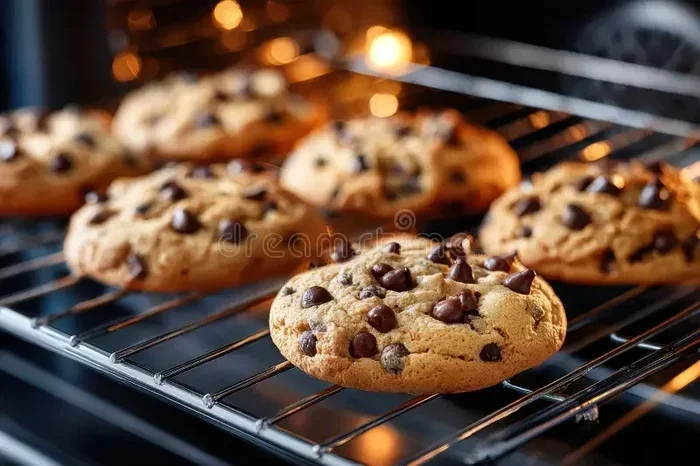
For thick and chewy cookies, the middle rack is ideal. It allows the center to stay soft while the edges turn golden brown. It also works beautifully for chocolate chip cookies, sugar cookies, snickerdoodles, and most standard cookie recipes.
Bottom Rack
The bottom rack sits closest to the lower heating element. It receives the most intense heat from below. This position is great for cookies that need a crispy cookie bottom and a softer center. Think of it as a tool for specific cookie baking goals.
If you love cookies with a crunchy base and a chewy middle, the bottom rack can deliver. However, you need to watch these cookies closely. The intense bottom heat can cause cookie bottoms to burn quickly if you leave them too long.
How Rack Position Affects Your Cookies
Understanding how heat works inside your oven helps you make better decisions about cookie sheet placement. Let us look at the three main ways rack position impacts your baking cookies.
Even Heat Distribution
Heat in an oven rises. The top of the oven is always warmer than the bottom. This means the top rack gets more direct heat, and the bottom rack gets more reflected heat from the oven floor. The middle rack sits in the zone where both types of heat balance out.
This balance is exactly why the middle rack gives you the most even baking. Your cookies brown uniformly, they bake through consistently, and you do not have to rotate the tray as often. For most cookie recipes, this is the goal.
Cookie Browning
Cookie browning is directly affected by rack position. The Maillard reaction, which is the chemical process that creates that beautiful golden-brown color, happens faster with more direct heat. On the top rack, cookies brown more on top. On the bottom rack, they brown more on the bottom. On the middle rack, they brown evenly all around.
If you want that perfect golden brown cookies look with an even color across the entire surface, the middle rack is your best friend. It gives you that bakery-quality finish without any guesswork.
Cookie Spread
Heat also affects how much your cookies spread during baking. Cookies on the top rack may spread more because the top melts faster, causing the dough to flatten before the structure sets. Cookies on the bottom rack may spread less because the bottom sets quickly from the intense heat below.
On the middle rack, cookies spread at a natural, balanced rate. The dough sets evenly, which means you get the cookie shape and thickness you intended. This is especially important for cookie recipes that rely on precise spread for the right texture.
Best Oven Rack Position For Different Cookie Types
Not all cookies are the same. Different types of cookies benefit from different rack positions. Here is a simple guide to help you choose the right cookie rack for every batch.
Thin and Crispy Cookies
Thin cookies like tuiles, wafers, and lace cookies need high heat and quick baking. The top rack works well here because the direct heat from above crisps the cookies fast. The top position helps these delicate cookies set before they can over-spread.
Just keep a close eye on them. Thin cookies can go from perfectly crispy to burnt in under a minute on the top rack. Use a baking sheet with parchment paper to prevent sticking and make cleanup easier.
Thick and Chewy Cookies
Thick cookies like chocolate chip cookies, peanut butter cookies, and snickerdoodles love the middle rack. The even heat allows the center to stay soft and chewy while the edges turn golden. The middle position also prevents the bottoms from burning, which is a common problem with thick, doughy cookies.
For the best chewy cookie results, use the middle rack and chill your dough before baking. This combination gives you cookies with crispy edges and a gooey center that everyone loves.
Delicate and Frosted Cookies
Delicate cookies like shortbread, macarons, and frosted sugar cookies do best on the middle rack. These cookies are sensitive to uneven heat, and the middle position provides the gentle, balanced warmth they need. Frosted cookies especially benefit from even baking because you do not want one side to brown more than the other.
If you are baking a large batch of delicate cookies, you can use two racks. Place one tray on the middle rack and one on the rack just below it. Just remember to rotate the trays halfway through baking for even results.
| Cookie Type | Best Rack Position | Why It Works |
|---|---|---|
| Thin and Crispy Cookies | Top Rack | Direct heat from above crisps quickly |
| Thick and Chewy Cookies | Middle Rack | Even heat keeps centers soft and edges golden |
| Delicate and Frosted Cookies | Middle Rack | Balanced heat prevents uneven browning |
| Cookies with Crispy Bottoms | Bottom Rack | Intense bottom heat creates crunch |
| Large Batches (Multiple Trays) | Middle + One Above or Below | Allows two trays with rotation for even baking |
Common Mistakes People Make With Oven Racks
Even experienced bakers make mistakes with oven rack position. Here are the most common errors and how to avoid them.
Overcrowding the Rack
One of the biggest mistakes is placing too many cookie trays on one rack. When you overcrowd the oven, hot air cannot circulate properly. The cookies on the edges of the tray bake faster than the ones in the center. This leads to uneven cookie baking with some cookies burnt and others underdone.
Always leave at least two inches of space between cookie trays and between the tray and the oven walls. If you need to bake multiple batches, use the oven racks wisely and rotate trays between batches.
Ignoring Hot Spots
Every oven has hot spots. These are areas inside the oven where heat is more intense. Hot spots can cause some cookies to brown faster than others, even on the middle rack. You may notice that cookies on one side of the tray are darker than cookies on the other side.
The easiest fix is to rotate your cookie tray 180 degrees halfway through baking. This simple step ensures all cookies receive equal heat exposure. It takes just a few seconds but makes a huge difference in even baking.
Forgetting to Rotate
Related to hot spots, forgetting to rotate is a mistake that costs you perfect cookies. Most home ovens have uneven heat distribution. The back of the oven is usually hotter than the front. If you do not rotate your tray, the cookies in the back will overbake while the ones in the front stay underdone.
Set a timer for halfway through your baking time. When it goes off, open the oven, rotate the tray, and close the door. This one habit alone can transform your cookie baking results.
Pro Tips To Level Up Your Cookie Baking
You already know which oven rack for cookies works best. Now let us add some pro tips that take your baking cookies to the next level.
Use Parchment Paper or Silicone Mats
Parchment paper is a baker’s best friend. It prevents cookies from sticking to the baking sheet and promotes even browning. It also creates a thin layer of insulation between the cookie and the hot metal, which helps prevent burnt cookie bottoms.
Silicone baking mats work similarly. They provide a non-stick surface and help cookies bake evenly. Both options are inexpensive and reusable, making them a smart addition to any cookie recipe routine.
Invest in Quality Baking Sheets
Not all cookie trays are created equal. Thin, flimsy baking sheets can cause cookies to brown unevenly because they conduct heat inconsistently. Heavy-duty aluminum baking sheets with a rim provide better heat distribution and more reliable results.
If you are serious about cookie baking, invest in a quality baking sheet. It is a small upgrade that pays off every time you pull a batch of perfectly baked cookies from the oven.
Keep an Oven Thermometer Inside
Many ovens run hotter or cooler than the temperature dial shows. An oven thermometer takes the guesswork out of cookie baking. Place one on the middle rack next to your cookies and check the actual temperature.
If your oven runs hot, you may need to lower the temperature by 10 to 25 degrees. If it runs cold, you may need to increase it slightly. This small tool can be the difference between golden brown cookies and a disappointing batch.
Let Your Cookie Dough Rest
Resting your cookie dough in the refrigerator for at least 30 minutes (or overnight) has multiple benefits. It prevents cookies from over-spreading, it concentrates the flavors, and it creates a better texture. Chilled dough also bakes more evenly on the middle rack because it takes longer to melt and spread.
This tip works especially well for thick and chewy cookies where you want a soft center and a slightly crisp edge. Try it with your next batch and notice the difference.
Bake One Tray at a Time
If you want the best results, bake one tray of cookies at a time on the middle rack. This gives the hot air maximum room to circulate around the tray. The cookies bake more evenly, brown more consistently, and come out looking professional.
Yes, this means baking in multiple batches if you have a large batch of dough. But trust us, the results are worth the extra time. One perfectly baked tray beats two unevenly baked trays every time.
Quick Tips Summary
- Always use the middle rack for most cookie types unless the recipe says otherwise.
- Rotate your tray halfway through baking for even browning.
- Leave space between cookies on the tray for proper airflow.
- Use parchment paper to prevent sticking and promote even baking.
- Check your oven temperature with a thermometer for accuracy.
- Chill your dough before baking to reduce spread and improve texture.
- Bake one tray at a time for the best possible results.
Conclusion
Which oven rack for cookies might seem like a small detail, but it has a massive impact on your final results. The middle rack is the best all-around choice for most cookie recipes. It provides even heat, balanced browning, and consistent texture every time you bake. The top rack works for thin and crispy cookies that need quick heat from above. The bottom rack is perfect for cookies that need a crispy base and a softer center.
Beyond rack position, simple habits like rotating your tray, using parchment paper, and investing in quality baking tools can take your cookie baking from average to amazing. These small changes add up to big improvements in every batch you make.
Now that you know the secrets of cookie rack placement, it is time to put this knowledge to work. The next time you pull out your favorite cookie recipe, pay attention to where you place the tray. You will be amazed at how much better your cookies turn out. Happy baking.
Frequently Asked Questions
Which oven rack is best for chocolate chip cookies?
The middle rack is the best position for chocolate chip cookies. It provides even heat that bakes the edges golden while keeping the center soft and chewy. This is the standard rack position recommended by most cookie recipes and baking experts.
Can I bake cookies on the top rack?
Yes, you can bake cookies on the top rack, but it works best for thin and crispy cookies. The direct heat from above crisps the tops quickly. Just watch them closely so they do not burn. For most cookie baking, the middle rack is still the safer choice.
Why do my cookies burn on the bottom?
Burnt cookie bottoms usually mean your tray is too close to the bottom heating element. Try moving your cookie sheet to the middle rack or one rack above it. You can also use parchment paper or a silicone baking mat to insulate the bottoms and prevent burning.
Should I use convection mode for cookies?
Convection mode can work well for cookies because the fan circulates hot air evenly. However, you may need to lower the temperature by 25 degrees and bake for a slightly shorter time. The middle rack still works best in a convection oven for most cookie recipes.
How many trays of cookies can I bake at once?
For the best results, bake one tray at a time on the middle rack. If you must bake two trays at once, place one on the middle rack and one on the rack just below it. Remember to rotate both trays halfway through baking for even results.
How do I know if my oven has hot spots?
To check for oven hot spots, place a single layer of bread slices on a baking sheet and toast them at 350 degrees for a few minutes. The slices that brown faster indicate where the hot spots are. Once you identify them, adjust your cookie tray placement accordingly and always rotate your tray during baking.