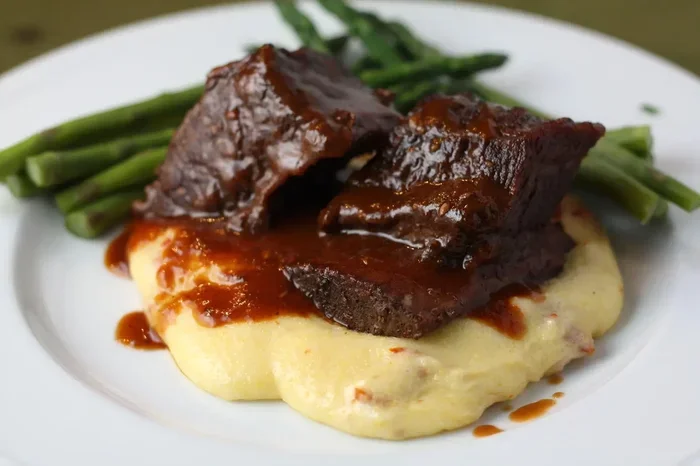
How To Fix Short Ribs In The Oven With These Easy Tips
Short ribs in the oven can go wrong fast, but you can fix them with the right techniques. Whether your ribs are tough, dry, or undercooked, we have easy solutions that work every time. Learn how to fix short ribs in the oven using proper temperature, timing, and braising methods. These simple tips will turn a disappointing meal into a fall-off-the-bone success. You will also learn common mistakes to avoid and expert tricks for perfect results.
There is nothing worse than pulling a rack of ribs out of the oven expecting something amazing and getting a big disappointment. Maybe the meat is tough. Maybe it is dry. Maybe it just does not taste right. Whatever went wrong, the good news is you can fix it. Learning how to fix short ribs in the oven is easier than you think. With a few simple adjustments, you can rescue your meal and impress everyone at the table.
Short ribs are one of the most beloved cuts of meat. They are rich, juicy, and full of flavor when cooked correctly. But they can be tricky. The oven temperature matters. The cooking time matters. Even the type of rib you choose matters. This guide will walk you through everything you need to know. We will cover common problems, easy fixes, and pro tips that make a real difference.
Whether you are dealing with beef short ribs or pork short ribs, this article has you covered. We will talk about braising, searing, resting, and saucing. You will learn what went wrong and how to make it right. Let us get started and turn those short ribs into something incredible.
Key Takeaways
- Low and slow is the key: Cooking short ribs at the right oven temperature prevents toughness and dryness.
- Rest your ribs properly: Letting them rest after cooking keeps the juices locked in.
- Use a braising liquid: Adding liquid during cooking keeps ribs moist and flavorful.
- Check internal temperature: Using a meat thermometer ensures perfectly cooked ribs every time.
- Fix overcooked ribs with sauce: A good sauce can rescue dry short ribs easily.
- Sear before baking: Searing adds flavor and helps lock in moisture.
- Wrap in foil partway: This simple trick keeps ribs tender and prevents drying out.
📑 Table of Contents
- Why Short Ribs Go Wrong In The Oven
- How To Fix Overcooked Short Ribs In The Oven
- How To Fix Undercooked Short Ribs In The Oven
- The Best Oven Temperature For Short Ribs
- Tips For Perfect Short Ribs Every Time
- Common Mistakes And How To Avoid Them
- How To Store And Reheat Leftover Short Ribs
- Frequently Asked Questions
- Conclusion
Why Short Ribs Go Wrong In The Oven
Before we fix the problem, we need to understand what causes it. Short ribs are a tough cut of meat. They come from the rib area near the belly. This means they have a lot of connective tissue and fat. When cooked correctly, all that collagen breaks down and the meat becomes tender and juicy. When cooked wrong, you end up with something tough, dry, or chewy.
Common Problems With Oven-Baked Ribs
Several things can go wrong when you cook ribs in the oven. Here are the most common issues:
- Tough meat: The ribs did not cook long enough. The connective tissue did not break down.
- Dry ribs: The ribs cooked too long or at too high a temperature. All the moisture dried out.
- Pale and bland: You did not sear the ribs first. The flavor is flat and boring.
- Burnt exterior: The oven was too hot. The outside burned before the inside was done.
- Uneven cooking: The ribs were not positioned correctly in the oven.
Each of these problems has a solution. And most of them are very easy to fix. Let us look at each one in detail.
How To Fix Overcooked Short Ribs In The Oven
Overcooked ribs are a common problem. The meat dries out and becomes tough or crumbly. This usually happens when the oven temperature is too high or the cooking time is too long. But all is not lost. You can still save overcooked short ribs.
Add Moisture Back Into The Meat
The biggest issue with overcooked ribs is dryness. The best fix is to add moisture back. Here is what you can do:
- Make a simple broth: Use beef or pork broth. Heat it up on the stove.
- Slice the ribs: Cut the ribs into smaller pieces. This helps the liquid soak in faster.
- Simmer gently: Place the sliced ribs in the broth. Let them simmer on low heat for 10 to 15 minutes.
- Do not boil: Boiling will make the meat even drier. Keep the heat low and gentle.
After simmering, the ribs should absorb some of the liquid and become more tender. This method works great for beef short ribs and pork short ribs alike.
Use A Good Sauce To Rescue Dry Ribs
A flavorful sauce can hide a lot of problems. If your ribs are dry, a rich sauce can bring them back to life. Here are some ideas:
- Barbecue sauce: A classic choice. Brush it on thick and warm the ribs back up in the oven at 300 degrees Fahrenheit.
- Pan sauce: Deglaze the pan you cooked the ribs in. Add broth, butter, and herbs. Let it reduce into a thick glaze.
- Asian-style glaze: Soy sauce, honey, garlic, and ginger make a great combo. Simmer it on the stove and toss the ribs in.
The sauce adds moisture and flavor. It makes dry ribs taste much better. Even if the texture is not perfect, a great sauce can save the dish.
Quick Tip
If your ribs are only slightly overcooked, try slicing them against the grain and serving them with extra sauce. This makes them easier to chew and much more flavorful.
How To Fix Undercooked Short Ribs In The Oven
Undercooked ribs are a different problem. The meat is still tough and chewy. The inside may even be raw. This is a food safety issue as well as a texture problem. You need to finish cooking the ribs properly.
Continue Cooking At Low Temperature
The best way to fix undercooked short ribs is to keep cooking them. Here is the process:
- Lower the oven temperature: Set it to 275 degrees Fahrenheit. Low heat is gentler on the meat.
- Add liquid to the pan: Pour in some broth, wine, or water. This creates steam and keeps the ribs from drying out further.
- Cover with foil: Wrap the pan tightly with aluminum foil. This traps moisture inside.
- Cook for another 30 to 60 minutes: Check the internal temperature every 15 minutes.
Keep going until the internal temperature reaches 203 degrees Fahrenheit for beef short ribs. For pork short ribs, aim for 195 degrees Fahrenheit. The meat should pull away from the bone easily.
Use The Braising Method For Better Results
Braising is the best cooking method for short ribs. It combines dry heat with moist heat. Here is how it works:
- Step 1: Sear the ribs in a hot pan with oil. This creates a flavorful crust.
- Step 2: Transfer the ribs to a baking dish or Dutch oven.
- Step 3: Add a braising liquid. Use broth, wine, or a mix of both.
- Step 4: Cover the dish with a lid or foil.
- Step 5: Place it in the oven at 300 to 325 degrees Fahrenheit.
- Step 6: Cook for 2.5 to 4 hours depending on the size of the ribs.
Braising breaks down the tough connective tissue slowly. It turns tough ribs into fall-off-the-bone tender ribs. This is the gold standard for short ribs oven recipe cooking.
The Best Oven Temperature For Short Ribs
Temperature is the single most important factor when cooking short ribs in the oven. Too hot and the meat dries out. Too cold and it takes forever. Getting the temperature right makes all the difference.
Recommended Temperatures For Different Types Of Ribs
Different types of ribs need different temperatures. Here is a quick guide:
| Type Of Rib | Oven Temperature | Cooking Time | Internal Temp Goal |
|---|---|---|---|
| Beef short ribs | 300-325°F | 3-4 hours | 203°F |
| Pork short ribs | 275-300°F | 2.5-3.5 hours | 195°F |
| Bone-in short ribs | 300°F | 3-4 hours | 200°F |
| Boneless short ribs | 325°F | 2-3 hours | 195°F |
As you can see, oven temperature for ribs varies by type. Beef ribs need a higher internal temperature because they have more collagen. Pork ribs cook a bit faster and at a slightly lower temperature.
Why Low And Slow Works Best
Low and slow cooking is the secret to perfect short ribs. Here is why it works:
- Collagen breaks down slowly: At low temperatures, the tough connective tissue melts into gelatin. This makes the meat tender and juicy.
- Fat renders gently: The fat melts slowly and bastes the meat from the inside.
- Moisture stays locked in: Low heat prevents the liquid from evaporating too fast.
- Even cooking: The meat cooks uniformly from edge to center.
If you try to rush the process with high heat, the outside burns before the inside is done. Patience is the key to great ribs.
Expert Insight
Professional chefs always recommend starting ribs on the stovetop to sear them. Then they transfer the ribs to a low oven for the long braise. This two-step method builds deep flavor and perfect texture.
Tips For Perfect Short Ribs Every Time
Prevention is always better than cure. If you follow these tips, you will rarely have to fix your short ribs. They will come out perfect from the start.
Always Sear Your Ribs First
Searing is a critical step that many people skip. When you sear ribs in a hot pan, the Maillard reaction creates complex flavors. The surface turns brown and develops a rich, savory crust. This adds depth and umami to the final dish.
Here is how to sear short ribs properly:
- Pat the ribs dry with paper towels. Moisture prevents browning.
- Heat a heavy pan over medium-high heat.
- Add a small amount of oil with a high smoke point.
- Place the ribs in the pan and do not move them for 3 to 4 minutes.
- Flip and sear all sides until they are deeply browned.
After searing, transfer the ribs to your baking dish and add the braising liquid. Then put them in the oven.
Wrap Ribs In Foil Partway Through Cooking
Wrapping ribs in foil is a game-changer. It keeps the meat moist and speeds up cooking. Here is the trick:
- Cook the ribs uncovered for the first hour. This allows the surface to develop flavor.
- After one hour, remove the pan from the oven.
- Cover the ribs tightly with heavy-duty aluminum foil.
- Return the pan to the oven and continue cooking.
- The trapped steam tenderizes the meat beautifully.
This technique works especially well for braised ribs. It creates a self-basting environment that keeps the meat succulent.
Let The Ribs Rest Before Serving
Resting is just as important as cooking. When you take ribs out of the oven, the juices are hot and liquid. If you cut into them immediately, the juices run out and the meat dries out.
Here is what to do:
- Remove the ribs from the oven.
- Cover them loosely with foil.
- Let them rest for 15 to 20 minutes.
- The juices redistribute throughout the meat.
- When you cut, the ribs stay moist and tender.
This simple step makes a huge difference in the final result.
Use A Meat Thermometer
A meat thermometer is the best tool for checking doneness. You cannot always tell by looking. The internal temperature tells you exactly what is happening inside the meat.
- Insert the probe into the thickest part of the meat.
- Avoid touching the bone. It conducts heat differently.
- Check multiple spots for even cooking.
- Beef short ribs should reach 203°F.
- Pork short ribs should reach 195°F.
Using a thermometer takes the guesswork out of cooking. It is the easiest way to ensure your short ribs internal temperature is exactly right.
Common Mistakes And How To Avoid Them
Even experienced cooks make mistakes with oven ribs. Knowing what goes wrong helps you avoid it in the future.
Mistake 1: Cooking At Too High A Temperature
This is the number one mistake. Many people set the oven to 350 or 375 degrees Fahrenheit because it cooks faster. But high heat dries out short ribs before the collagen has time to break down. Always stick to 275-325 degrees Fahrenheit for the best results.
Mistake 2: Not Using Enough Liquid
Short ribs need moisture during cooking. If you do not add enough braising liquid, the meat dries out. The liquid should come at least halfway up the sides of the ribs. It does not need to cover them completely, but it should be substantial.
Mistake 3: Opening The Oven Door Too Often
Every time you open the oven door, heat escapes. The temperature drops and the cooking time increases. Try to resist the urge to check on the ribs too often. Trust the process and let the oven do its job.
Mistake 4: Skipping The Resting Period
We mentioned resting above, but it deserves its own warning. Cutting into hot ribs immediately is a recipe for dry meat. Give them time to rest and you will be rewarded with juicier, more flavorful results.
Mistake 5: Choosing The Wrong Cut
Not all short ribs are the same. Beef short ribs and pork short ribs have different cooking requirements. Bone-in ribs take longer than boneless ribs. Thick-cut ribs need more time than thin-cut ribs. Choose your ribs wisely and adjust your cooking plan accordingly.
Quick Tips To Remember
- Always sear before baking for maximum flavor.
- Keep the oven temperature between 275 and 325 degrees Fahrenheit.
- Use a braising liquid to keep ribs moist.
- Cover with foil partway through cooking.
- Rest the ribs for at least 15 minutes before serving.
- Use a meat thermometer to check doneness.
- Be patient. Low and slow is the way to go.
How To Store And Reheat Leftover Short Ribs
Short ribs taste even better the next day. The flavors deepen and the meat becomes more tender. But you need to store and reheat them correctly to keep them great.
Storing Cooked Short Ribs
Let the ribs cool to room temperature before storing. Then place them in an airtight container. They will keep in the refrigerator for up to 4 days. For longer storage, freeze them in a sealed bag for up to 3 months.
Reheating Without Drying Them Out
Reheating is where many people go wrong. They use the microwave and end up with rubbery, dry meat. Here is a better way:
- Place the ribs in a baking dish.
- Add a splash of broth or water to the bottom of the dish.
- Cover tightly with foil.
- Heat in the oven at 250 degrees Fahrenheit for 20 to 30 minutes.
- Remove the foil for the last 5 minutes to crisp the surface.
This method keeps the ribs moist and tender. It is much better than microwaving.
Frequently Asked Questions
Can you fix tough short ribs after they are cooked?
Yes, you absolutely can. The best way is to slice the ribs and simmer them in broth for 10 to 15 minutes. The liquid helps rehydrate the meat and soften the connective tissue. You can also add a flavorful sauce to improve both texture and taste.
What is the best oven temperature for short ribs?
The ideal oven temperature for short ribs is between 275 and 325 degrees Fahrenheit. This low and slow approach allows the collagen to break down properly. It results in tender, juicy ribs without drying them out.
How do you know when short ribs are done?
Use a meat thermometer. Beef short ribs should reach an internal temperature of 203 degrees Fahrenheit. Pork short ribs should reach 195 degrees Fahrenheit. The meat should pull away from the bone easily when you press on it.
Should you cover short ribs with foil in the oven?
Yes, covering ribs with foil partway through cooking helps retain moisture. A good method is to cook them uncovered for the first hour, then cover with foil for the remaining time. This builds flavor while keeping the meat tender.
Can you overcook short ribs in the oven?
Yes, you can overcook short ribs. When the cooking time is too long, the meat dries out and becomes tough. To avoid this, use a meat thermometer and check the ribs regularly after the minimum cooking time has passed.
What is the difference between beef and pork short ribs for oven cooking?
Beef short ribs are larger and have more collagen, so they need higher temperatures and longer cooking times. Pork short ribs are smaller and cook faster. Both benefit from the braising method, but beef ribs need to reach a higher internal temperature to become fully tender.
Conclusion
How to fix short ribs in the oven is really about understanding the basics. Low temperature, enough liquid, proper searing, and patience are the foundations of great ribs. Whether you need to rescue overcooked ribs or finish undercooked ones, these tips give you the tools to succeed.
Remember that short ribs are a forgiving cut. Even if something goes wrong, there is almost always a way to fix it. Add moisture, use a good sauce, or continue cooking at a lower temperature. The meat has a lot of flavor built in. With a little care, you can turn a problem into a delicious meal.
Now that you know these techniques, put them to use. Try a new short ribs oven recipe this weekend. Experiment with different braising liquids and sauces. Share your results with family and friends. Once you master the art of oven-baked short ribs, you will never go back to dry, disappointing ribs again.
Happy cooking, and enjoy every bite of those perfectly tender, juicy short ribs.