How Hot Can Pyrex Glass Get In Oven Without Breaking
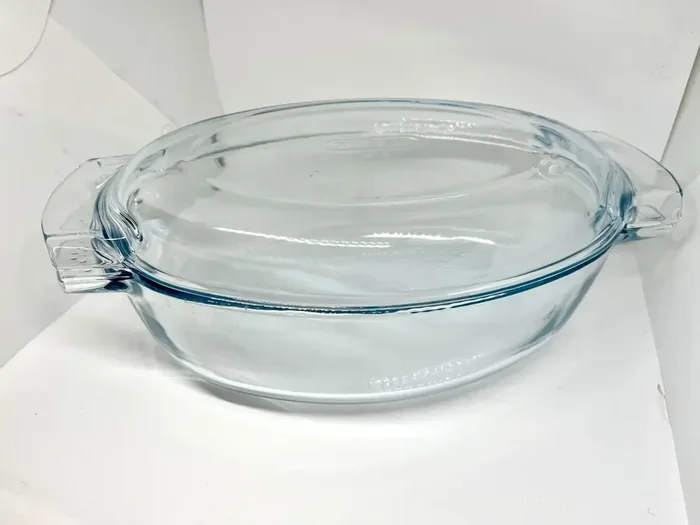
Pyrex glass can generally withstand oven temperatures up to 425°F to 450°F, depending on the type and age of the dish. Understanding the heat tolerance of your Pyrex bakeware is essential for safe cooking and preventing costly breakage. This guide covers everything you need to know about Pyrex oven temperature limits, thermal shock risks, and practical safety tips.
Cooking with glass bakeware is convenient, versatile, and surprisingly forgiving once you understand the basics. How hot can Pyrex glass get in oven without breaking is a question many home cooks ask, especially when preparing meals for family or hosting dinner parties. The answer depends on several factors, including the type of Pyrex, the oven temperature, and how you handle the dish during cooking.
Pyrex glass temperature limit is something every cook should know. Whether you are baking a casserole, roasting vegetables, or preparing a glass baking pan meal, staying within safe temperature ranges keeps your food safe and your cookware intact. In this guide, we walk you through everything you need to know about using Pyrex in the oven confidently.
If you have ever wondered about the Pyrex oven temperature ceiling or worried about thermal shock ruining a favorite dish, you are in the right place. We will cover safe limits, common mistakes, and practical Pyrex safety tips that every kitchen should know.
Key Takeaways
- Temperature Limit: Most modern Pyrex can handle oven temperatures up to 425°F to 450°F safely.
- Thermal Shock Is the Main Danger: Sudden temperature changes cause Pyrex to crack or shatter.
- Never Preheat With Cold Pyrex: Always place room-temperature glass into a preheated oven gradually.
- Check Your Pyrex Type: Older Pyrex and newer Pyrex have different heat tolerances due to material changes.
- Use Oven Mitts: Always handle hot Pyrex with protective gloves to avoid burns and accidental drops.
- Inspect Before Use: Check for cracks or chips before putting any Pyrex dish in the oven.
- Follow Manufacturer Guidelines: The safest approach is to read and follow the instructions that come with your Pyrex bakeware.
📑 Table of Contents
- Understanding Pyrex Glass and Its Heat Tolerance
- The Maximum Temperature Pyrex Can Handle in an Oven
- What Causes Pyrex to Break in the Oven
- How to Safely Use Pyrex in the Oven
- Pyrex Temperature Limits: A Quick Reference Guide
- Expert Tips for Long-Lasting Pyrex Bakeware
- Common Myths About Pyrex and Oven Heat
- Conclusion
Understanding Pyrex Glass and Its Heat Tolerance
Pyrex has been a kitchen staple for decades. Originally made from borosilicate glass, the material was prized for its ability to handle high heat and sudden temperature changes. Over the years, the manufacturing process has evolved, and today most Pyrex sold in the United States is made from soda-lime glass, which behaves differently under heat.
What Is Pyrex Made Of?
The original Pyrex formula used borosilicate glass, a material known for its low coefficient of thermal expansion. This means it could expand and contract without cracking easily. Heat-resistant glass like borosilicate was the gold standard for oven-safe glass cookware.
Modern Pyrex, however, uses tempered soda-lime glass. This material is strong and durable but has a higher thermal expansion rate. It can still handle high oven temperatures, but it is more sensitive to rapid temperature changes. Understanding this difference helps you use your Pyrex more safely.
Why Does Glass Type Matter?
The type of glass used in your bakeware directly affects its temperature tolerance. Borosilicate glass can handle temperature swings better than soda-lime glass. This is why older Pyrex dishes from the 1980s and earlier often seem more forgiving when you take them from the fridge straight to the oven.
Newer Pyrex dishes can still be used in the oven, but they require more careful handling. Always check the bottom of your dish for any temperature guidelines printed by the manufacturer. These labels provide the most accurate information for your specific piece.
The Maximum Temperature Pyrex Can Handle in an Oven
So, what is the actual Pyrex temperature rating? Most modern Pyrex bakeware is rated for oven use up to 425°F to 450°F. Some sources and older Pyrex products can handle even higher temperatures, but 450°F is the widely accepted safe upper limit for everyday cooking.
Temperature Guidelines by Pyrex Product
Different Pyrex products may have slightly different ratings. Here are some general guidelines to follow:
- Pyrex Baking Dishes: Safe up to 425°F to 450°F for standard baking and roasting.
- Pyrex Measuring Cups: Not designed for oven use. These are meant for measuring ingredients only.
- Pyrex Glass Lids: Most lids are oven-safe up to 400°F to 425°F, but always check the label.
- Pyrex Cookware Sets: Follow the specific temperature rating provided with the set.
When using Pyrex for baking with Pyrex, always stay below the maximum rated temperature. Going slightly over may not cause immediate damage, but repeated exposure to temperatures above the limit weakens the glass over time.
Can You Use Pyrex Above 450°F?
Technically, most modern Pyrex is not rated for temperatures above 450°F. Some cooks have used Pyrex at higher temperatures without issues, but this is not recommended. Exceeding the rated temperature increases the risk of Pyrex dish cracking and can void any warranty you may have.
If you need to cook at higher temperatures, consider using oven-safe cookware made from materials like ceramic, cast iron, or stainless steel. These materials are better suited for very high-heat cooking.
What Causes Pyrex to Break in the Oven
The most common reason Pyrex breaks in the oven is thermal shock. Thermal shock happens when one part of the glass heats up faster than another part. This creates uneven expansion, which leads to stress cracks. Over time, these cracks can cause the dish to shatter unexpectedly.
Understanding Thermal Shock
Thermal shock is the enemy of glass bakeware. When you place a cold Pyrex dish into a hot oven, the bottom of the dish heats up quickly while the top remains cool. This temperature difference creates internal stress that the glass cannot handle.
Similarly, taking a hot Pyrex dish and placing it on a cold or wet surface can cause the same problem. The sudden cooling on one side while the other side remains hot creates cracks.
Common Mistakes That Cause Breakage
Many home cooks accidentally damage their Pyrex without realizing it. Here are the most common mistakes:
- Placing cold Pyrex directly into a preheated oven. Always let the dish come to room temperature first.
- Moving Pyrex from the oven to a cold countertop. Use a wooden cutting board or a trivet instead.
- Adding liquid to a hot Pyrex dish. Pouring cold water or broth into a hot dish can cause instant cracking.
- Using Pyrex on the stovetop. Pyrex is not designed for direct stovetop cooking, even on low heat.
- Overheating an empty Pyrex dish. Never heat an empty glass dish, as this can cause it to crack.
Avoiding these simple mistakes will significantly extend the life of your Pyrex bakeware and keep your glass cookware safe for years of use.
How to Prevent Thermal Shock
Preventing thermal shock is straightforward with a few simple habits. First, always let your Pyrex dish sit at room temperature for at least 15 to 20 minutes before placing it in the oven. This gives the glass time to adjust to the ambient heat.
Second, place the dish on a middle oven rack where the heat distributes more evenly. Avoid the top rack, where direct heat from the heating element can cause uneven warming. Third, never place a hot Pyrex dish on a cold or wet surface. Always use a dry, heat-resistant mat or wooden board.
If you are cooking with glass dishes for a long time, check on them periodically. This helps you catch any signs of stress or discoloration early before they become bigger problems.
How to Safely Use Pyrex in the Oven
Using Pyrex safely in the oven comes down to a few key practices. Once you build these habits into your cooking routine, you will rarely have to worry about breakage or accidents.
Step-by-Step Guide to Oven-Safe Pyrex Use
- Check the label. Look for any temperature rating or oven-safe symbol on the bottom of the dish.
- Inspect the dish. Before every use, look for cracks, chips, or scratches. Even small damage can weaken the glass.
- Bring the dish to room temperature. Take it out of the fridge or pantry at least 15 minutes before cooking.
- Preheat the oven first. Place the room-temperature dish into an already preheated oven for the most even heating.
- Use a middle rack position. This ensures heat circulates evenly around the dish.
- Use oven mitts. Always wear protective gloves when handling hot Pyrex.
- Let it cool naturally. Place the dish on a dry, heat-resistant surface and let it cool before washing.
Preheating Pyrex the Right Way
Preheating Pyrex properly is one of the most important steps. The best approach is to place the room-temperature dish into the oven before you turn it on, then set the oven to your desired temperature. This allows the glass to heat up gradually along with the oven.
Alternatively, you can preheat the oven first and then place the room-temperature dish inside. Both methods work well as long as you avoid sudden temperature changes.
If you are following a recipe like How To Cook Stuffed Rouladen In The Oven, you can safely use a Pyrex baking dish to prepare and cook the dish. Just make sure the dish is at room temperature before it goes into the preheated oven.
Using Pyrex for Different Cooking Methods
Pyrex is not just for baking. You can use it for roasting, broiling, and even reheating leftovers. However, each method has its own temperature considerations.
For roasting, a Pyrex baking dish works wonderfully at temperatures between 350°F and 425°F. For broiling, keep the temperature below 400°F and stay close to the oven to monitor the dish. Broiling creates intense direct heat that can stress glass more than indirect roasting.
If you are curious about building your own cooking setup, you might enjoy learning How To Make A Tandoori Oven at home. Just remember that any DIY oven project requires careful attention to the materials you use and the temperatures involved.
Cleaning and Storing Pyrex Safely
Proper care after cooking is just as important as proper use during cooking. Always let your Pyrex cool completely before washing it. Never immerse a hot Pyrex dish in cold water, as this is one of the fastest ways to cause thermal shock and cracking.
When storing Pyrex, stack dishes with a cloth or paper towel between them to prevent scratching. Avoid nesting lids tightly if they are still warm, as trapped heat can warp the glass over time.
Pyrex Temperature Limits: A Quick Reference Guide
Having a quick reference guide makes it easy to check safe temperatures at a glance. Here is a summary of the key temperature limits for common Pyrex uses:
- Standard Baking: 350°F to 425°F
- Roasting: 350°F to 450°F
- Broiling: Below 400°F with close monitoring
- Reheating: 300°F to 350°F
- Maximum Safe Limit: 450°F for most modern Pyrex
- Freezer to Oven: Always thaw and bring to room temperature first
Following these limits consistently will keep your Pyrex in great shape and your cooking safe. If you ever notice cloudiness, small cracks, or discoloration on your Pyrex, it is time to retire the dish and get a replacement.
Expert Tips for Long-Lasting Pyrex Bakeware
Taking care of your Pyrex extends its lifespan significantly. Here are some expert-backed tips that experienced cooks and food safety professionals recommend.
Tip 1: Rotate Your Dishes
Do not use the same Pyrex dish every single day for high-heat cooking. Rotating between two or more dishes gives each one time to recover from thermal stress. This simple habit reduces wear and tear on any single piece.
Tip 2: Avoid Sudden Temperature Changes
Never go from the freezer to the oven or from the oven to the sink with cold water. Gradual temperature changes are the key to keeping glass bakeware intact.
Tip 3: Use the Right Size Dish
Using a Pyrex dish that is too small for your recipe can cause overflow and uneven heating. Overflowing food can seep under the edges and create hot spots that stress the glass. Choose a dish size that matches your recipe requirements.
Tip 4: Handle With Care
Even oven-safe glass can break if dropped or bumped hard enough. Always handle Pyrex with both hands and use oven mitts. A dropped dish is a broken dish, no matter how heat-resistant it is.
Tip 5: Know When to Replace
No piece of bakeware lasts forever. If your Pyrex shows signs of deep scratching, cloudiness, or small cracks, replace it. A damaged dish may seem fine at first but can fail unexpectedly during cooking. Safety always comes first.
Tip 6: Read the Manual
It sounds obvious, but many people skip reading the instructions that come with their Pyrex. The manufacturer knows the product best. Reading the manual ensures you get the most accurate and up-to-date safety information for your specific Pyrex product.
If you are ever unsure about whether a container is safe for oven use, remember that not all kitchen items are designed for high heat. For example, you should never put a pizza box in the oven, as cardboard is not heat-resistant and poses a fire risk. Always use proper oven-safe cookware.
Common Myths About Pyrex and Oven Heat
There are several myths surrounding Pyrex and oven use that can lead to confusion and unsafe practices. Let us clear up some of the most common ones.
Myth 1: All Pyrex is the same. As we discussed earlier, older Pyrex and newer Pyrex use different materials with different heat tolerances. Always check the specific product you are using.
Myth 2: Pyrex can go from fridge to oven. This is one of the most dangerous myths. While older borosilicate Pyrex handled this better, modern soda-lime Pyrex is much more vulnerable to thermal shock from cold-to-hot transitions.
Myth 3: Pyrex is unbreakable. Pyrex is durable, but it is not indestructible. Dropping it, banging it, or exposing it to sudden temperature changes can cause breakage.
Myth 4: Higher temperatures cook food faster, so Pyrex can handle more heat. Cooking faster does not mean the glass can tolerate higher temperatures. Stay within the rated limits to avoid damage.
Myth 5: If it looks fine, it is safe to use. Microscopic cracks can develop inside Pyrex glass without being visible to the naked eye. If the dish has experienced significant thermal stress, it may be compromised even if it looks okay.
Conclusion
How hot can Pyrex glass get in oven without breaking? The answer is clear: most modern Pyrex is safe up to 425°F to 450°F when used correctly. The key is to avoid sudden temperature changes, always preheat the oven before adding your dish, and follow the manufacturer’s guidelines for your specific product.
By understanding Pyrex glass temperature limit and practicing safe handling habits, you can enjoy years of reliable cooking with your glass bakeware. Whether you are baking a casserole, roasting vegetables, or preparing a glass baking pan meal, the right knowledge makes all the difference.
Take the time to care for your Pyrex, use it within its safe temperature range, and it will serve you well in the kitchen for a long time to come. Happy cooking!
Frequently Asked Questions
Can Pyrex go from the freezer directly to the oven?
No, this is not recommended for modern Pyrex. Going from the freezer to a hot oven causes thermal shock, which can crack or shatter the glass. Always let your Pyrex dish come to room temperature before placing it in the oven.
What is the maximum oven temperature for Pyrex?
Most modern Pyrex bakeware is rated for oven use up to 425°F to 450°F. Always check the label on your specific product, as some older or specialty pieces may have different ratings.
Can I use Pyrex on the stovetop?
No, Pyrex is not designed for stovetop use. Direct heat from a burner can cause the glass to crack or shatter. Pyrex should only be used in the oven, microwave, or for serving and storing food.
Why did my Pyrex dish crack in the oven?
The most common reason is thermal shock, which happens when the glass experiences a sudden temperature change. This can occur when you place a cold dish in a hot oven or set a hot dish on a cold surface.
Is it safe to put hot Pyrex in the dishwasher?
It is best to let Pyrex cool to room temperature before washing it, whether by hand or in the dishwasher. Sudden exposure to cold water after being in a hot oven can cause thermal shock and cracking.
Can I use Pyrex for broiling?
You can use Pyrex for broiling, but keep the temperature below 400°F and stay close to monitor the dish. Broiling creates intense direct heat that can stress glass more than standard baking or roasting.