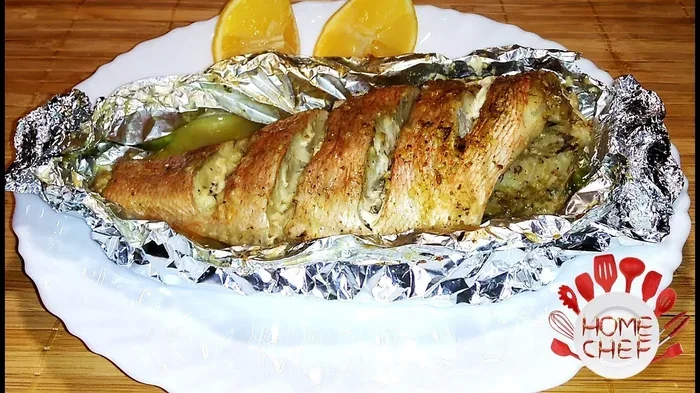
How Long To Cook Whole Tilapia In Foil In The Oven
Cooking whole tilapia in foil in the oven typically takes 20 to 30 minutes at 400°F. This method locks in moisture and flavor, making it one of the easiest and most delicious ways to prepare whole fish. Whether you are a beginner or a seasoned cook, this guide covers everything you need to know about baking whole tilapia in foil perfectly.
There is something truly special about cooking whole tilapia in foil in the oven. It is simple, fast, and delivers restaurant-quality results right in your kitchen. If you have ever wondered how long to put a whole tilapia in the oven wrapped in foil, you are in the right place.
This guide walks you through every step of the process. From choosing the right fish to picking the perfect seasoning, we cover it all. You will learn the exact cooking times, temperatures, and pro tips that make the difference between dry, bland fish and a juicy, flavorful masterpiece. Baking whole tilapia in foil is one of the most foolproof methods you can use, and by the end of this article, you will feel confident enough to make it your go-to weeknight dinner.
The beauty of this method lies in its simplicity. You wrap the fish in aluminum foil, add a few ingredients, and let the oven do the work. It is a great option for busy weeknights, weekend gatherings, or when you want a healthy, protein-packed meal without spending hours in the kitchen. Let us dive into everything you need to know about oven-baked tilapia in foil.
Key Takeaways
- Cooking Time: Whole tilapia in foil takes 20-30 minutes at 400°F depending on size.
- Temperature Matters: 375°F to 425°F is the ideal range for oven-baked tilapia.
- Foil Method: Foil keeps the fish moist, tender, and easy to clean up.
- Seasoning Options: Lemon, herbs, garlic, and butter make great flavor combinations.
- Doneness Check: The fish flakes easily with a fork and reaches 145°F internal temperature.
- Common Mistakes: Overcooking, skipping the rest time, and using too much liquid are top errors.
📑 Table of Contents
- Why Cook Whole Tilapia in Foil?
- How Long to Cook Whole Tilapia in Foil in Oven
- Step-by-Step Guide to Baking Whole Tilapia in Foil
- Best Seasoning Combinations for Whole Tilapia
- Common Mistakes to Avoid
- Pairing Suggestions and Serving Ideas
- Tips for Selecting the Best Whole Tilapia
- Health Benefits of Whole Tilapia
- How This Compares to Other Cooking Methods
- Expert Tips for Perfect Foil-Baked Whole Tilapia
- Frequently Asked Questions
- Conclusion
Why Cook Whole Tilapia in Foil?
Before we get into timing and temperatures, let us talk about why the foil method is so popular. Cooking fish in foil is not just a shortcut. It is a technique that produces consistently great results. Here are some reasons why baking tilapia in foil works so well.
Locks in Moisture
Foil creates a sealed environment around the fish. This traps steam and keeps the tilapia moist throughout the cooking process. Unlike baking fish uncovered, where the surface can dry out quickly, the foil method ensures every bite stays tender and juicy. This is especially important with whole tilapia, which can dry out faster than fillets.
Easy Cleanup
Let us be honest. Cooking fish in a pan can leave a mess. The foil method means you wrap the fish, cook it, and then toss the foil. No scrubbing, no soaking. This makes whole tilapia foil packet recipes a favorite for anyone who hates post-cooking cleanup.
Even Cooking
When you wrap the fish in foil, the heat distributes evenly around it. This reduces the risk of hot spots that can cause parts of the fish to overcook while other parts remain underdone. The result is a uniformly cooked whole tilapia with a consistent texture from fin to tail.
Flavor Infusion
The sealed foil pouch acts like a mini steamer. Any herbs, spices, citrus slices, or butter you add inside the foil stay right where they belong. The flavors have nowhere to go but into the fish. This makes it incredibly easy to experiment with different tilapia seasoning ideas and create custom flavor profiles.
How Long to Cook Whole Tilapia in Foil in Oven
This is the section you have been waiting for. The cooking time for whole tilapia in foil depends on a few factors, but the general rule is straightforward. Let us break it down.
Standard Cooking Time
For a whole tilapia weighing between one and two pounds, cooking at 400°F in a foil pouch takes approximately 20 to 30 minutes. A one-pound fish may be done in as little as 20 minutes, while a larger two-pound fish might need the full 30 minutes or slightly more.
Temperature Variations
The oven temperature you choose affects both cooking time and texture. Here is a quick comparison:
- 375°F: Slower cooking, about 25-35 minutes. Great for a more gentle, even cook.
- 400°F: The sweet spot. 20-30 minutes for most whole tilapia. Balanced moisture and slight crispness.
- 425°F: Faster cooking, about 18-25 minutes. Best if you want a lightly browned top on the foil packet.
Most home cooks prefer 400°F because it strikes the perfect balance between cooking speed and moisture retention. If you are using a convection oven, reduce the temperature by about 25°F and check for doneness a few minutes early.
How to Tell When It Is Done
Knowing when your whole tilapia is cooked is crucial. Overcooked fish turns dry and chalky, while undercooked fish is unsafe to eat. Here are the signs of perfectly done tilapia:
- The flesh turns opaque white and flakes easily with a fork.
- The internal temperature reaches 145°F when measured with a meat thermometer.
- The skin pulls slightly away from the flesh.
- The fish looks firm but still has a slight give when pressed gently.
Always use a meat thermometer for the most accurate result. Insert it into the thickest part of the fish, near the spine, without touching the bone.
Step-by-Step Guide to Baking Whole Tilapia in Foil
Now that you know the timing, let us walk through the actual process. Follow these steps for perfect whole tilapia in foil every single time.
Step 1: Prep the Fish
Start by rinsing the whole tilapia under cold water. Pat it dry with paper towels. Remove the scales if they have not already been removed by your fishmonger. Use a sharp knife to make two or three diagonal slits on each side of the fish. These slits help the heat penetrate evenly and allow seasoning to reach the flesh.
Step 2: Season Generously
Seasoning is where the magic happens. Rub the inside and outside of the fish with olive oil. Then add salt, pepper, garlic powder, and your favorite herbs. Lemon slices placed inside the cavity add a bright, fresh flavor. Some people like to add a pat of butter on top for extra richness.
Step 3: Wrap in Foil
Place the seasoned fish on a large sheet of heavy-duty aluminum foil. Fold the foil up and around the fish, creating a sealed pouch. Make sure the edges are tightly folded so no steam escapes. You can also place the fish on a bed of thinly sliced onions or lemon wedges for extra flavor.
Step 4: Bake
Place the foil packet on a baking sheet and put it in the preheated oven. Set your timer for 20 minutes for a one-pound fish or 30 minutes for a two-pound fish. Resist the urge to open the foil too early. Every time you open it, you release steam and extend the cooking time.
Step 5: Rest and Serve
Once the timer goes off, carefully remove the foil packet from the oven. Let it rest for five minutes before opening. This allows the juices to redistribute throughout the fish. When you open the foil, you will be greeted by a burst of aromatic steam and perfectly cooked tilapia.
Best Seasoning Combinations for Whole Tilapia
One of the best things about baking whole tilapia in foil is how easy it is to customize the flavors. Here are some winning combinations to try.
Mediterranean Style
Use olive oil, minced garlic, oregano, thyme, lemon slices, and a sprinkle of red pepper flakes. This combination pairs beautifully with the mild flavor of tilapia and makes for a healthy, vibrant meal.
Butter Herb Classic
Melted butter, fresh dill, parsley, garlic, and a squeeze of lemon. This is a timeless combination that works with almost any white fish. It is rich, savory, and incredibly comforting.
Asian-Inspired
Soy sauce, sesame oil, ginger, garlic, and a touch of honey. This gives the tilapia a savory-sweet profile with an umami depth that is absolutely addictive. Serve it over steamed rice for a complete meal.
Southwestern Kick
Cumin, smoked paprika, chili powder, lime juice, and fresh cilantro. This adds a bold, smoky flavor that pairs wonderfully with the delicate taste of whole tilapia.
Common Mistakes to Avoid
Even with a simple recipe like whole tilapia in foil, mistakes can happen. Here are the most common ones and how to avoid them.
Overcooking the Fish
This is the number one mistake people make. Tilapia is a lean fish with very little fat, so it dries out quickly once overcooked. Set your timer and check for doneness at the minimum cooking time. You can always cook it a few more minutes, but you cannot undo an overcooked fish.
Using Thin Foil
Regular thin foil tears easily and does not hold steam well. Always use heavy-duty aluminum foil for foil packet fish recipes. It is stronger, seals better, and withstands the heat without tearing.
Skipping the Rest Time
It is tempting to open the foil the moment the timer goes off. But letting the fish rest for five minutes makes a real difference. The residual heat continues to cook the fish gently, and the juices settle into the flesh for a more flavorful result.
Not Seasoning Enough
Tilapia has a mild flavor that benefits from bold seasoning. Do not be shy with your herbs, spices, and aromatics. The foil locks everything in, so every layer of seasoning has the chance to make an impact.
Pairing Suggestions and Serving Ideas
Whole tilapia baked in foil pairs wonderfully with a variety of sides. Here are some ideas to round out your meal.
- Rice: A fluffy bed of jasmine or basmati rice soaks up the flavorful juices from the foil packet.
- Roasted Vegetables: Asparagus, zucchini, or bell roasted in the oven complement the fish perfectly.
- Salad: A light mixed greens salad with a lemon vinaigrette adds freshness and balance.
- Bread: Warm crusty bread is perfect for mopping up the juices that collect in the foil.
- Grilled Vegetables: If you already have the grill going, grilled corn and tomatoes make excellent companions.
For a complete meal that is both healthy and satisfying, serve the tilapia with a side of steamed broccoli and quinoa. This combination delivers lean protein, fiber, and complex carbs in one beautiful plate.
Tips for Selecting the Best Whole Tilapia
The quality of your fish matters just as much as the cooking method. Here is how to pick the best whole tilapia for your oven-baked tilapia in foil recipe.
- Freshness: Look for clear, bright eyes and shiny, firm skin. The fish should smell like the ocean, not fishy.
- Size: A one to two-pound fish is ideal for foil cooking. Larger fish may need extra time, while smaller ones can dry out quickly.
- Source: Whenever possible, buy from a reputable fishmonger or a trusted seafood supplier. Fresh, sustainably sourced tilapia tastes noticeably better.
- Color: The flesh should be pinkish-white and translucent. Avoid fish with any gray or brown discoloration.
If you cannot find fresh whole tilapia, frozen is a perfectly fine alternative. Just make sure to thaw it completely in the refrigerator overnight before cooking. Pat it very dry before seasoning and wrapping in foil.
Health Benefits of Whole Tilapia
Whole tilapia is not just delicious. It is also incredibly nutritious. Here are some health benefits that make this fish a great addition to your diet.
- High in Protein: A single serving provides about 23 grams of protein, supporting muscle growth and repair.
- Low in Fat: Tilapia is naturally lean, making it an excellent choice for low-fat diets.
- Rich in Selenium: This mineral supports thyroid function and boosts the immune system.
- Good Source of Vitamin B12: Essential for nerve function and red blood cell production.
- Low Calorie: A whole tilapia contains approximately 300 to 400 calories, depending on size, making it a great option for weight management.
Cooking it in foil with minimal added fat keeps the calorie count low while maximizing flavor. It is one of the healthiest ways to prepare fish at home.
How This Compares to Other Cooking Methods
There are several ways to cook whole tilapia. Let us compare the foil method to a few alternatives.
| Method | Time | Moisture Level | Ease of Cleanup | Best For |
|---|---|---|---|---|
| Foil in Oven | 20-30 min | Very moist | Very easy | Beginners, weeknight meals |
| Grilled | 15-20 min | Moderate | Moderate | Outdoor cooking, smoky flavor |
| Pan-Seared | 8-12 min per side | Moderate | Easy | Crispy skin, quick meals |
| Steamed | 15-20 min | Very moist | Easy | Delicate flavor, health-focused meals |
As you can see, baking whole tilapia in foil offers the best balance of moisture, ease, and flavor. It is also the most forgiving method, making it ideal for cooks of all skill levels. If you enjoy oven-baked fish, you might also enjoy learning how to cook stuffed rouladen in the oven, which uses a similar slow, enclosed cooking approach for equally tender results.
Expert Tips for Perfect Foil-Baked Whole Tilapia
Here are some professional tips that elevate your whole tilapia foil packet from good to great.
- Use a wire rack inside the foil. This lifts the fish slightly and allows air to circulate underneath, promoting even browning.
- Add a splash of white wine or broth. A small amount of liquid inside the foil creates extra steam and adds depth of flavor.
- Do not over-stuff the foil. Leave enough room for the heat to circulate around the fish. A tightly packed but not cramped pouch works best.
- Let the oven preheat fully. Placing the fish in a cold oven throws off the cooking time and can result in uneven cooking.
- Experiment with aromatics. Whole herbs like rosemary, thyme, and bay leaves placed inside the cavity infuse the fish with subtle, complex flavors.
If you love exploring different oven techniques, you might find it interesting to learn how to make a tandoori oven at home, which opens up a whole world of indoor oven cooking possibilities for fish, meats, and vegetables alike.
Frequently Asked Questions
Can I cook whole tilapia in foil at 350°F?
Yes, you can. Cooking at 350°F will take longer, approximately 30 to 40 minutes for a one to two-pound fish. The lower temperature results in a gentler, slower cook that can be beneficial for larger fish. Just make sure to check for doneness by testing whether the flesh flakes easily.
Do I need to poke holes in the foil?
No, you do not need to poke holes. The whole point of the foil method is to create a sealed pouch that traps steam and moisture. Poking holes would release the steam and dry out the fish. Simply fold the foil edges tightly to create a secure seal.
Can I use regular aluminum foil instead of heavy-duty foil?
You can, but heavy-duty foil is strongly recommended. Regular foil is thinner and more prone to tearing, especially when you are handling a wet, seasoned fish inside the pouch. Heavy-duty foil holds up better and creates a more reliable seal for trapping steam.
Is it safe to put a foil-wrapped fish packet directly on the oven rack?
Yes, it is safe. However, placing the foil packet on a baking sheet is recommended for easier cleanup and to catch any drips. For more information about safely using foil and containers in the oven, you can check out our guide on is it safe to put a pizza box in the oven, which covers oven-safe materials and best practices.
Can I add vegetables to the foil packet with the tilapia?
Absolutely. Adding vegetables like sliced onions, bell peppers, zucchini, or cherry tomatoes to the foil packet is a great way to cook everything in one go. Just make sure to cut the vegetables into thin, even pieces so they cook at the same rate as the fish.
How long does leftover cooked tilapia last in the fridge?
Cooked whole tilapia stored in an airtight container will keep in the refrigerator for up to three days. Reheat gently in the oven or microwave to avoid drying it out. For best flavor and texture, consume leftovers within two days.
Conclusion
Cooking whole tilapia in foil in the oven is one of the simplest, most delicious, and most reliable ways to prepare fish at home. With a cooking time of just 20 to 30 minutes at 400°F, you can have a restaurant-quality meal on the table in less time than it takes to order delivery. The foil method locks in moisture, infuses flavor, and makes cleanup a breeze.
Remember the key points: season generously, wrap tightly, use the right temperature, and always check for doneness with a meat thermometer. Avoid common mistakes like overcooking and using thin foil, and do not be afraid to experiment with different seasoning combinations. Once you master this technique, you will find yourself making foil-baked whole tilapia on a regular basis.
Whether you are cooking for yourself, your family, or guests, this recipe delivers every time. It is healthy, it is flavorful, and it is undeniably impressive. So preheat your oven, grab some fresh whole tilapia, and get ready to enjoy one of the best fish dishes you will ever make at home.