How To Reheat Ziti In Oven For Perfectly Crispy Results
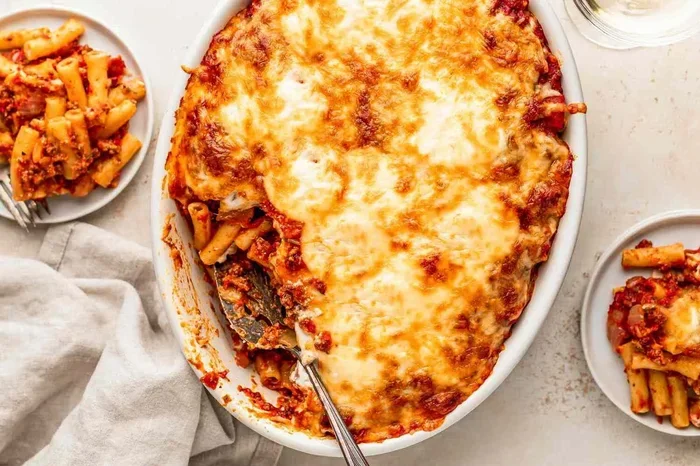
Reheating ziti in oven is the best way to restore its crispy top and creamy center. This guide shows you exactly how to reheat ziti in oven for perfectly crispy results every time, using simple steps and expert tips. You will learn the ideal temperature, timing, and tricks to avoid drying out your leftover pasta.
Key Takeaways
- Always preheat your oven: A hot oven ensures even heating and a crispy top on your ziti.
- Use an oven-safe dish: Glass or ceramic dishes retain heat better than metal, preventing dry edges.
- Add a splash of liquid: A little water, broth, or sauce keeps the pasta moist while it reheats.
- Cover with foil initially: This traps steam and helps the cheese melt gently without burning.
- Broil at the end: A quick broiler session gives you that golden, crispy finish you crave.
- Store leftovers properly: Refrigerate ziti within two hours and reheat within three days for food safety.
📑 Table of Contents
Why Reheating Ziti In The Oven Is The Best Method
Leftover baked ziti is a treasure. The rich tomato sauce, creamy ricotta, and stretchy mozzarella all meld together beautifully after a night in the fridge. But reheating it wrong can turn a delicious meal into a dry, rubbery disappointment. The oven is the only way to go if you want that crispy top and evenly heated center.
When you reheat ziti in oven, you get something no microwave can match. The dry, ambient heat crisps the cheese and sauce while gently warming the pasta all the way through. A microwave heats unevenly, creating hot spots and turning the edges into a soggy mess. The oven, on the other hand, surrounds the dish with consistent warmth. If you’ve ever cooked stuffed rouladen in the oven, you know that oven reheating requires attention. But ziti is much more forgiving, and the results are worth the few extra minutes.
The key is to bring the ziti back to life without overcooking it. You want the cheese to melt into a bubbly, golden blanket while the pasta stays tender. This guide walks you through every step, from prep to the final broil. You will also learn how to fix common mistakes and store your leftovers safely.
How To Reheat Ziti In Oven Step By Step
Follow these simple steps to get perfectly reheated ziti every single time. The process is easy and requires only basic tools.
Step 1: Preheat Your Oven
Start by preheating your oven to 350°F (175°C). A hot oven is essential for even heating. If you skip preheating, the ziti will cook unevenly and the top will stay soggy. Set the rack to the center position so the heat circulates around the dish properly.
Step 2: Choose The Right Dish
Use an oven-safe glass or ceramic dish. These materials heat gently and evenly, which helps the cheese melt without burning. Avoid metal pans that can cause hot spots. If your leftover ziti is already in a baking dish, you can reheat it right in that container. Just make sure it is oven-safe.
Step 3: Add A Little Moisture
Before covering the dish, drizzle a tablespoon of water, broth, or leftover pasta sauce over the top. This adds steam and prevents the pasta from drying out. The moisture helps the ricotta and mozzarella stay creamy. You can also splash a tiny bit of milk if you prefer a softer texture.
Step 4: Cover With Foil
Tent a piece of aluminum foil loosely over the dish. Do not seal it tightly; you want some steam to escape. The foil traps heat and moisture, allowing the cheese to melt gently. It also prevents the top from browning too fast before the center is warm.
Step 5: Bake For 15 To 20 Minutes
Place the covered dish in the oven and bake for 15 to 20 minutes. Check at the 15-minute mark by inserting a fork into the center. The ziti should be hot all the way through. If it still feels cool in the middle, add 5 more minutes. The internal temperature should reach 165°F for food safety.
Step 6: Remove The Foil And Broil
Once the ziti is heated through, carefully remove the foil. Switch your oven to the broil setting on high. Place the dish back in the oven for 2 to 4 minutes. Watch it closely to prevent burning. The broiler will brown the cheese and create that irresistible crispy top.
Step 7: Let It Rest
Take the dish out of the oven and let it rest for 3 to 5 minutes. This allows the cheese to set slightly and makes serving easier. The ziti will hold its shape better when you scoop it out.
How To Get A Crispy Top On Your Ziti
The crispy top is what separates a great reheated ziti from a mediocre one. It adds a satisfying crunch that contrasts with the creamy interior. Achieving this perfect finish is simple if you follow a few key techniques.
The Role Of Cheese And Toppings
Fresh mozzarella or a blend of shredded cheese melts beautifully under the broiler. If your leftover ziti has lost some of its cheese, sprinkle a handful of fresh shredded mozzarella or Parmesan on top before broiling. A light dusting of Italian breadcrumbs mixed with olive oil also creates a golden, crunchy layer. The breadcrumbs toast quickly under the broiler and add texture.
Using The Broiler For Extra Crunch
The broiler is your best friend for crispy results. It uses direct high heat from above, which browns the cheese fast. Position the oven rack about 4 to 6 inches from the broiler element. Keep the oven door slightly ajar if your oven does not have a top-broil setting, as this prevents overheating. Stay by the oven and watch the ziti like a hawk. The difference between perfectly golden and burnt is a matter of seconds.
Why A Standard Oven Works Better Than A Toaster Oven
A full-size oven provides more even heat distribution than a toaster oven. If you must use a toaster oven, place the ziti on the middle rack and use a lower temperature of 325°F. Cover it with foil for the first half of the time, then uncover and broil briefly. A tandoori oven is a fun project for baking bread and roasting meats, but for reheating ziti, a standard home oven gives you the most control and consistent results.
Common Mistakes To Avoid When Reheating Pasta In The Oven
Even with the best intentions, it is easy to make mistakes that ruin your leftover ziti. Avoid these common pitfalls to keep your pasta tasting fresh.
Overheating And Drying Out
The biggest mistake is leaving the ziti in the oven too long. High heat for too long evaporates all the moisture, leaving you with a dry, clumpy mess. Always set a timer and check the dish early. If the edges look dry, cover them with a damp paper towel before baking. The steam from the towel will gently moisten the pasta without making it soggy.
Using The Wrong Container
Never reheat ziti in a plastic container or a non-oven-safe dish. Plastic can melt and release harmful chemicals. Also, never put a leftover ziti container straight from the fridge into a hot oven. The sudden temperature change can crack glass dishes. Let the dish come to room temperature for a few minutes first. And if you are wondering whether a pizza box can go in the oven, the answer is no. Find out if it is safe to put a pizza box in the oven before using any cardboard container.
Skipping The Liquid
Reheating ziti without any added liquid is a guaranteed path to dry pasta. The sauce and cheese need moisture to rehydrate and become creamy again. A splash of water, milk, or broth makes a huge difference. Do not be shy about adding it. You can also spoon a little extra tomato sauce over the top before covering with foil.
Not Letting The Oven Preheat
Putting cold ziti into a cold oven leads to uneven heating. The outside dries out while the center stays cold. Always preheat the oven to 350°F before the dish goes in. This ensures the heat hits the pasta immediately and warms it evenly from edge to center.
Storing And Reheating Ziti Safely
Proper storage is just as important as the reheating process. If you store your ziti incorrectly, it can spoil or lose its texture. Follow these food safety guidelines to enjoy your leftovers with confidence.
How To Store Leftover Ziti
Let the ziti cool to room temperature within two hours of cooking. Do not leave it out on the counter overnight. Transfer the leftovers to an airtight container or cover the baking dish tightly with plastic wrap or aluminum foil. Refrigerate the ziti as soon as possible. It will keep safely in the fridge for up to three days.
Freezing Ziti For Later
If you want to keep your ziti longer, you can freeze it. Wrap the baking dish tightly with freezer-safe foil and a layer of plastic wrap. Frozen ziti will keep for up to three months. When you are ready to eat it, thaw it in the refrigerator overnight and then reheat ziti in oven using the steps above. Add a little extra sauce or water before baking because freezing can dry out the pasta slightly.
Food Safety Tips
Always check that your reheated ziti reaches an internal temperature of 165°F. Use a food thermometer if you are unsure. If the ziti has an off smell, slimy texture, or mold, throw it away immediately. Do not taste it to see if it is okay. When in doubt, throw it out.
Expert Tips For Perfect Reheated Ziti Every Time
Take your reheated ziti to the next level with these pro tips. They are simple but make a huge difference in flavor and texture.
Add Fresh Herbs At The End
After broiling, sprinkle chopped fresh basil or parsley over the top. The heat will wilt the herbs slightly and release their aroma. Fresh herbs add a bright, vibrant flavor that balances the rich cheese and sauce. Dried herbs can be added before baking, but fresh ones are best at the end.
Use A Light Hand With The Cheese
If your ziti has a lot of cheese already, go easy on adding more before reheating. Too much cheese can become greasy and heavy. A light sprinkle of Parmesan or a small amount of fresh mozzarella is enough to get that perfect golden crust without overwhelming the dish.
Revive The Sauce
If the tomato sauce has thickened too much in the fridge, stir in a splash of pasta water or crushed tomatoes before reheating. This loosens the sauce and brings back the fresh-cooked taste. The extra moisture also helps the pasta rehydrate evenly.
Let It Breathe
When you remove the foil after baking, let the ziti sit uncovered for a few minutes. This allows excess steam to escape and helps the top stay crispy. If you cover it immediately after removing the foil, the steam will soften the crust and make it soggy.
Frequently Asked Questions
Can I reheat ziti in the oven without foil?
Yes, you can, but the results will be different. Without foil, the top will brown faster, but the center may take longer to heat through. To compensate, lower the oven temperature to 325°F and bake for 20 to 25 minutes. Check the center frequently and add a little water if the pasta looks dry.
How long can I keep leftover ziti in the fridge?
Leftover ziti stays safe in the refrigerator for up to three days. After that, the risk of bacterial growth increases. Always store it in an airtight container and reheat it thoroughly before eating. If you need to keep it longer, freeze it for up to three months.
What temperature should I reheat ziti to?
Bake the covered ziti at 350°F for even heating. The internal temperature should reach 165°F for food safety. The broiler is used only at the very end for browning, not for the main reheating process. This two-step method ensures a hot, creamy center with a crispy top.
Can I reheat ziti on the stovetop instead?
You can reheat ziti in a skillet on the stovetop, but it will not give you the same crispy top. The stovetop method works best for a quick single serving. Add a splash of water or sauce to the skillet, cover it, and heat over medium-low. Stir gently to avoid breaking the pasta. For the best overall texture and flavor, the oven is still the preferred method.
Why does my reheated ziti taste dry?
Dry reheated ziti usually happens because of too much oven time or not enough liquid. The pasta loses moisture as it sits in the fridge. Adding a tablespoon of water, broth, or sauce before baking replaces that lost moisture. Also, make sure you cover the dish with foil during the initial baking phase to trap steam.
Is it safe to reheat ziti more than once?
It is not recommended to reheat ziti more than once. Each time you cool and reheat the pasta, the risk of bacterial growth increases. Reheat only the portion you plan to eat immediately. If you have leftovers after the second reheating, discard them safely.