How Long To Cook A Perfect Thick Ribeye In Your Oven
Cooking a thick ribeye in the oven is easier than you think. This guide shows you the exact time, temperature, and technique to get restaurant-quality steak at home. Whether you prefer medium-rare or well-done, you will find everything you need right here.
Key Takeaways
- Ideal Thickness: A 1.5 to 2-inch thick ribeye cooks best in the oven at 400°F to 450°F.
- Cooking Time: Expect about 10 to 20 minutes depending on thickness and desired doneness.
- Reverse Sear Method: Slow-cooking at low heat followed by a hot sear gives the most even result.
- Internal Temperatures: Use a meat thermometer — 130°F for medium-rare, 140°F for medium.
- Resting Is Crucial: Always let your ribeye rest for 5 to 10 minutes after cooking.
- Season Simply: Salt, pepper, garlic, and fresh herbs are all you need for great flavor.
📑 Table of Contents
Why Oven-Cooked Ribeye Is a Game Changer
There is something magical about a perfectly cooked ribeye steak. The fat melts. The crust forms. The aroma fills your kitchen. And the best part? You do not need a fancy grill or a professional kitchen to pull it off.
Cooking ribeye steak in the oven is one of the most reliable methods you can use. It gives you consistent heat. It is forgiving. And it works beautifully even with thick cuts that are hard to manage on a stovetop. Whether you are a beginner or a seasoned home cook, mastering this technique will level up your cooking game.
Many people shy away from cooking steak in the oven because they worry about uneven cooking or drying out the meat. But with the right oven temperature for steak and a few simple steps, you will get a juicy, tender thick ribeye steak every single time. This guide walks you through everything you need to know.
What Makes Ribeye Special
The ribeye cut comes from the rib section of the cow. It is known for its rich fatty acid marbling, which means thin streaks of fat run through the meat. This marbling is what gives ribeye its buttery texture and deep beefy flavor. When heat hits that fat, it renders slowly and keeps the steak moist from the inside out.
Compared to leaner cuts like filet mignon, ribeye has more flavor and a richer mouthfeel. It is also more forgiving when it comes to cooking time. A slightly overcooked ribeye still tastes amazing because of all that intramuscular fat. That is why so many steak lovers consider it the go-to cut for oven cooking.
How Thick Should Your Ribeye Be?
The thickness of your steak matters a lot when you are figuring out ribeye cooking time. Thin steaks cook fast and can dry out quickly. Thick steaks need more time but reward you with a better sear and a more even cook from edge to edge.
Here is a quick breakdown of what to look for:
- 1 inch thick: Cooks in about 8 to 12 minutes total. Best for medium-rare or medium.
- 1.5 inches thick: The sweet spot for most home cooks. Cooks in 12 to 18 minutes.
- 2 inches thick or more: Ideal for the reverse sear method. Cooks in 18 to 25 minutes.
If you can, buy a bone-in ribeye that is at least 1.5 inches thick. The bone adds flavor and helps insulate the meat during cooking. Look for steaks with a bright red color and white marbling throughout. Avoid any that look gray or have a lot of liquid in the packaging.
Bone-In vs. Boneless Ribeye
Both bone-in and boneless ribeye work great in the oven. A bone-in steak takes a few extra minutes to cook because the bone slows heat transfer to the center. But the tradeoff is worth it. The bone creates a natural barrier that keeps the meat next to it extra juicy.
Boneless ribeye is easier to slice and serves more people per pound. If you are cooking for a crowd, a boneless cut might be more practical. Either way, the cooking principles are the same. Focus on thickness and internal temperature more than whether the bone is in or out.
The Best Oven Temperature for Ribeye
Choosing the right oven temperature for steak is the single most important decision you will make. Too hot and the outside burns before the inside is done. Too low and the steak takes forever and never develops a good crust.
Here are the two main approaches:
High Heat Method (425°F to 450°F)
This is the traditional method. You preheat your oven to a high temperature, season the steak, and pop it in on a baking sheet or oven-safe pan. The intense heat cooks the steak relatively quickly and creates a nice brown crust on the outside.
This method works best for steaks that are 1 to 1.5 inches thick. For a 1.5-inch thick ribeye steak, plan on about 15 to 18 minutes at 425°F, flipping halfway through. Use a meat thermometer to check the internal temperature. Pull the steak out when it is about 5 degrees below your target temperature. The carryover heat will bring it up the rest of the way.
Low and Slow Method (275°F to 300°F)
Also known as the reverse sear, this method starts with a low oven temperature and finishes with a hot sear on the stovetop. It is the preferred technique for thick cuts (2 inches or more) because it cooks the steak evenly from edge to edge.
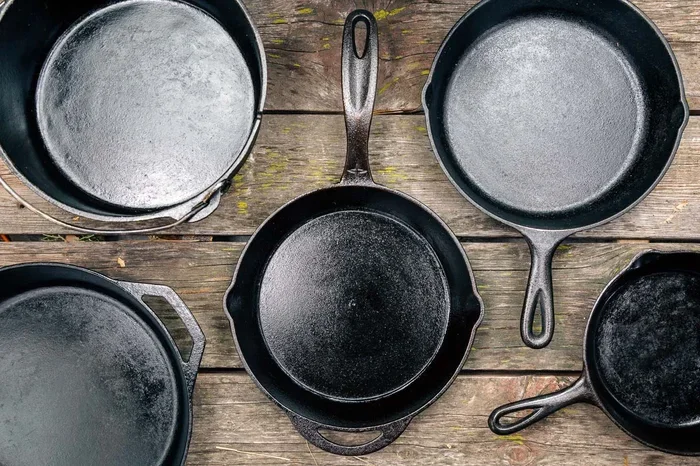
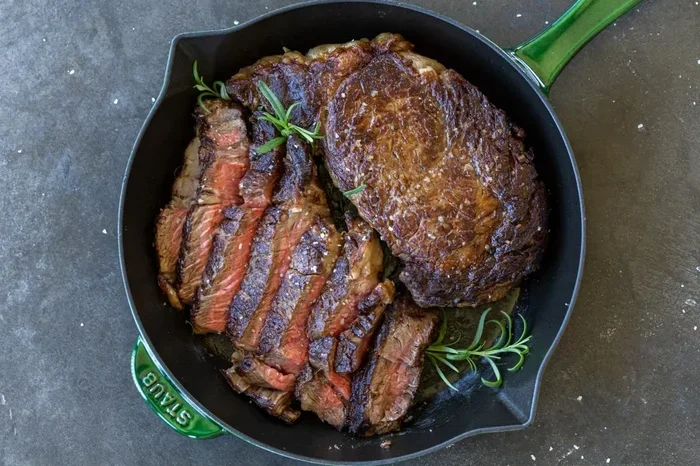
At 275°F, a 2-inch ribeye might take 20 to 25 minutes to reach 10 to 15 degrees below your target doneness. Then you sear it in a cast iron skillet for about 1 to 2 minutes per side. The result is a steak with a perfect pink center and a gorgeous crust.
Comparison Table: High Heat vs. Reverse Sear
| Factor | High Heat (425°F) | Reverse Sear (275°F + Sear) |
|---|---|---|
| Best For | Steaks 1 to 1.5 inches thick | Steaks 2 inches or thicker |
| Total Cook Time | 10 to 20 minutes | 25 to 35 minutes |
| Crust Quality | Good, moderate sear | Excellent, deep crust |
| Evenness of Cook | Can be uneven at edges | Very even throughout |
| Skill Level | Beginner-friendly | Intermediate |
| Equipment Needed | Baking sheet or pan | Oven + cast iron skillet |
Step-by-Step: How Long to Cook Ribeye in Oven
Now let us get into the nitty-gritty. Here is a clear, step-by-step process for cooking a thick ribeye in your oven. Follow these steps and you will not go wrong.
Step 1: Take the Steak Out of the Fridge
Remove your ribeye from the refrigerator about 30 to 45 minutes before cooking. Let it come to room temperature. This is a crucial step that many people skip. A cold steak going into a hot oven will cook unevenly — the outside overcooks while the center stays cold.
While the steak rests at room temperature, pat it dry with paper towels. Moisture is the enemy of a good sear. The drier the surface, the better the crust will be.
Step 2: Season Generously
Keep it simple. A generous layer of kosher salt and freshly cracked black pepper works wonders. Some people like to add garlic powder, smoked paprika, or a touch of onion powder. But honestly, a great ribeye does not need much. The meat does the heavy lifting.
For extra flavor, rub a little olive oil or melted butter on the surface before seasoning. This helps the salt and pepper stick and promotes browning.
Step 3: Preheat Your Oven
Preheat the oven to your chosen temperature — either 425°F for the high heat method or 275°F for the reverse sear. Give the oven at least 15 to 20 minutes to reach the target temperature before you put the steak in.
Step 4: Cook the Steak
Place the seasoned ribeye on a wire rack set over a baking sheet. The wire rack allows air to circulate underneath, which helps the crust form evenly. If you do not have a wire rack, you can place the steak directly on the baking sheet, but flip it halfway through.
For the high heat method at 425°F, cook for about 12 to 15 minutes for a 1.5-inch steak, flipping once at the halfway point. For the reverse sear at 275°F, cook for 20 to 25 minutes until the internal temperature reaches about 115°F to 120°F for medium-rare.
Step 5: Sear for the Perfect Crust
After the oven step (or if you are using the high heat method and the steak is nearly done), heat a cast iron skillet over high heat. Add a high-smoke-point oil like avocado oil or grapeseed oil. Once the pan is smoking hot, place the steak in and sear for 60 to 90 seconds per side.
For an extra-rich flavor, add a tablespoon of butter, a few crushed garlic cloves, and a sprig of fresh thyme to the pan during the last 30 seconds of searing. Tilt the pan slightly and spoon the butter baste over the steak continuously. This is a restaurant trick that makes a huge difference.
Step 6: Rest the Steak
This step is non-negotiable. Transfer the steak to a cutting board and let it rest for at least 5 to 10 minutes. During resting, the juices redistribute throughout the meat. If you cut into it right away, all those beautiful juices will run out onto the board instead of staying in the steak.
Tent the steak loosely with aluminum foil if you want to keep it warm. But do not wrap it tightly — that traps steam and can make the crust soggy.
Step 7: Slice and Serve
When you are ready to serve, slice the ribeye against the grain. This makes each piece more tender and easier to chew. Serve it with a side of roasted vegetables, mashed potatoes, or a simple salad. Drizzle any resting juices from the cutting board over the slices for extra flavor.
How to Tell When Your Ribeye Is Done
Knowing when to pull your steak out of the oven is the skill that separates good cooks from great ones. The most accurate way is to use a meat thermometer inserted into the thickest part of the steak, avoiding the bone if present.
Here are the target internal temperatures for different levels of doneness:
- Rare: 120°F to 125°F — very red and cool in the center
- Medium-Rare: 130°F to 135°F — warm red center, the most popular choice
- Medium: 140°F to 145°F — pink center with a hint of gray
- Medium-Well: 150°F to 155°F — slight pink, mostly gray
- Well-Done: 160°F and above — no pink, fully cooked through
Remember the carryover effect. The internal temperature will rise about 5 to 10 degrees after you pull the steak out of the oven or off the skillet. So if you want a perfect medium-rare at 135°F, pull the steak at around 125°F to 130°F.
Another way to check doneness is the touch test. Press the center of the steak with your finger or the back of a fork. A rare steak feels soft and squishy. Medium-rare has a slight give with a soft center. Medium feels firm but still has some give. Well-done feels very firm throughout. The touch test takes practice, so always use a thermometer when you are learning.
Common Mistakes to Avoid
Even experienced cooks make mistakes with oven-baked steak. Here are the most common ones and how to avoid them:
- Skipping the room temperature rest: Putting a cold steak into a hot oven leads to uneven cooking. Always let it sit out for at least 30 minutes.
- Not using a meat thermometer: Guessing the doneness almost always leads to overcooking. A $15 thermometer is the best investment you can make for steak.
- Opening the oven door too often: Every time you open the door, the temperature drops. This extends cooking time and can dry out the steak. Trust the timer and check only when needed.
- Cutting too soon after cooking: Resting is not optional. Cutting immediately releases all the juices and leaves you with a dry steak.
- Using the wrong pan: Thin baking sheets warp at high temperatures and cause uneven cooking. Use a heavy-duty baking sheet or a wire rack setup.
- Over-seasoning: Ribeye has so much natural flavor that too many spices can mask it. Salt, pepper, and maybe garlic is all you need.
Quick Tips for Better Oven Steak
- Place a wire rack over the baking sheet for even airflow.
- Let the skillet get ripping hot before searing.
- Do not move the steak while it sears — let it sit undisturbed.
- Use a silicone brush or spoon to baste with butter and herbs.
- Write down your cook times and temperatures for each steak so you can refine your technique over time.
Expert Insights: Getting Consistent Results Every Time
Professional chefs will tell you that consistency comes down to a few key habits. First, always use the same cut and thickness when you are learning. A consistent ribeye steak thickness makes it much easier to predict cook times. Second, invest in a good instant-read thermometer. Third, keep a cooking log.
Many home cooks find that their first few attempts are not perfect, and that is completely normal. The beauty of oven-cooked steak is that it is very forgiving. Even if you slightly overcook it, a good steak seasoning and a flavorful sauce can elevate the result. Do not get discouraged if your first oven-baked steak is not restaurant-perfect. Keep practicing, and you will get there.
One thing that chefs emphasize is the importance of steak doneness preferences. Cook the steak the way you like it best, not the way someone else tells you to. Medium-rare is the most recommended because it brings out the best flavor and texture in ribeye. But if you prefer medium or even medium-well, that is perfectly fine too. The goal is a steak you enjoy eating.
The Role of Marbling in Oven Cooking
When you are shopping for ribeye, look closely at the marbling. Those white streaks of fat are not flaws — they are flavor. More marbling means more flavor and more juiciness during cooking. A well-marbled bone-in ribeye will stay moist even if you accidentally cook it a minute or two too long.
Thin-cut ribeye has less marbling and can dry out faster in the oven. That is why thick-cut is always recommended for oven cooking. The extra fat and mass protect the meat from overheating and give you a wider window of perfect doneness.
Conclusion
Now you know exactly how long to cook ribeye in oven and why each step matters. From choosing the right thickness to nailing the internal temperature, these techniques give you the confidence to cook steak that rivals any restaurant. The reverse sear method is perfect for thick cuts, while the high heat method works great for thinner steaks.
Remember to always bring your steak to room temperature before cooking. Season it simply but well. Use a meat thermometer to avoid guessing. And never skip the resting step. These small habits make a massive difference in the final result.
Once you try cooking ribeye steak in the oven at home, you will wonder why you ever relied on takeout or restaurant orders. It is simpler, more affordable, and incredibly satisfying. So grab a thick ribeye, preheat your oven, and get ready to impress yourself and everyone at the table. Your perfect steak is just one oven cycle away.
Frequently Asked Questions
Can I cook a frozen ribeye in the oven?
It is not recommended to cook a frozen ribeye directly in the oven. Frozen steak cooks unevenly because the outside overcooks while the center is still thawing. Always thaw your ribeye in the refrigerator overnight or use the cold water method for faster thawing. Once thawed, pat it dry and cook using the methods described above.
What is the best oven temperature for a thick ribeye?
For thick ribeye steaks (1.5 inches or more), 425°F works great for the high heat method. For the reverse sear method, set your oven to 275°F and cook low and slow until the steak is about 10 to 15 degrees below your target internal temperature. Then finish with a hot cast iron sear for the best crust.
How do I know if my ribeye is medium-rare?
Use a meat thermometer to check the internal temperature. For medium-rare, pull the steak at 125°F to 130°F. The carryover heat will raise it to the ideal 130°F to 135°F range while it rests. If you do not have a thermometer, press the center of the steak — it should feel soft and give slightly, like the base of your thumb when your hand is relaxed.
Do I need to sear my ribeye if I cook it in the oven?
Searing is not strictly required, but it adds a wonderful flavor and texture. The Maillard reaction from a hot sear creates a complex, savory crust that oven cooking alone cannot achieve. If you skip the sear, you will still have a perfectly cooked steak, but it will lack that deep, caramelized exterior that makes ribeye so irresistible.
How long should I let my ribeye rest after cooking?
Let your ribeye rest for at least 5 to 10 minutes on a cutting board. A thicker steak benefits from a longer rest — up to 15 minutes for a 2-inch cut. During resting, the juices redistribute and the internal temperature stabilizes. If you cut too early, the steak will lose a lot of its moisture and flavor.
Can I use a baking pan instead of a wire rack?
Yes, you can use a baking pan, but a wire rack is better because it allows hot air to circulate around the entire steak. This promotes more even cooking and a better crust on all sides. If you must use a baking pan, flip the steak halfway through cooking to prevent the bottom from getting soggy.