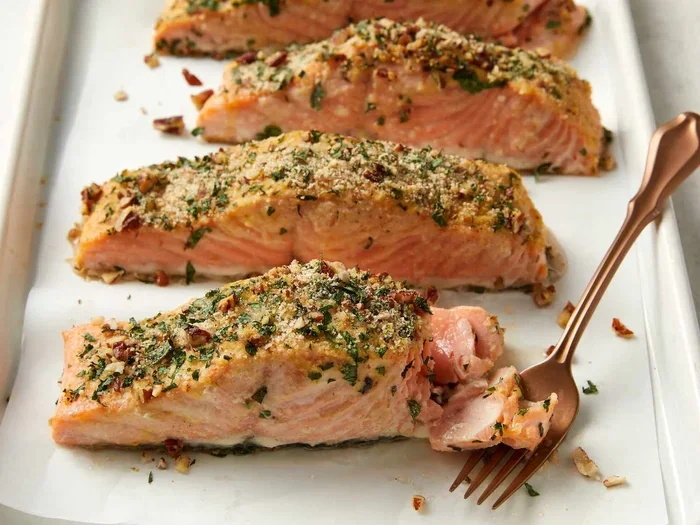
How To Bake Frozen Salmon Fillets In The Oven Perfectly
Baking frozen salmon fillets in the oven is simple, fast, and delivers restaurant-quality results at home. This guide walks you through everything from choosing the right oven temperature to picking the best seasonings. You will learn how to get crispy skin, tender flesh, and perfectly cooked fish every single time.
There is something truly special about pulling a beautiful piece of baked salmon fillets out of the oven. The kitchen smells incredible, the colors look vibrant, and you know you are about to enjoy a healthy, delicious meal. Now imagine doing all of that starting with fish straight from the freezer.
Yes, you read that right. You do not need to thaw your salmon first. How To Bake Frozen Salmon Fillets In The Oven is a skill that will change your weeknight dinners forever. Whether you forgot to take the fish out earlier or you simply prefer the convenience of keeping salmon in the freezer, this method works beautifully. The key is knowing the right temperature, timing, and a few simple tricks that make all the difference.
In this guide, we will walk you through every step. From prepping your fillets to picking the perfect seasonings, you will have everything you need. By the end, you will feel confident enough to make this dish any night of the week. Let us get into it.
Key Takeaways
- Start with a hot oven: Baking at 400°F to 425°F ensures even cooking and a beautiful finish.
- Pat the fillets dry: Removing surface moisture helps the skin crisp up and prevents steaming.
- Season generously: Simple ingredients like olive oil, salt, pepper, and lemon work wonders on frozen salmon.
- Use a baking sheet with parchment paper: This prevents sticking and makes cleanup a breeze.
- Check internal temperature: The salmon is done when it reaches 145°F at the thickest part.
- Let it rest before serving: Resting for a few minutes keeps the juices locked in.
- Avoid common mistakes: Overcooking, skipping the dry step, and using the wrong pan are the top pitfalls.
📑 Table of Contents
- Why Baking Frozen Salmon In The Oven Is A Great Idea
- What You Need Before You Start
- Step-by-Step: How To Bake Frozen Salmon Fillets In The Oven
- Best Oven Temperatures For Frozen Salmon
- Seasoning And Flavor Ideas For Baked Frozen Salmon
- Common Mistakes To Avoid When Baking Frozen Salmon
- Expert Tips For The Best Baked Frozen Salmon
- How To Store Leftover Baked Salmon
- Health Benefits Of Baked Salmon
- Frequently Asked Questions
- Final Thoughts
Why Baking Frozen Salmon In The Oven Is A Great Idea
Frozen salmon is one of the most convenient proteins you can keep on hand. It lasts for months in the freezer, it is packed with omega-3 fatty acids, and it cooks up wonderfully in the oven. Many people think they need to thaw fish before cooking, but that is simply not true. Baking frozen salmon fillets actually has some real advantages.
First, it saves time. You can go from freezer to oven in minutes. Second, frozen fish holds its shape better during cooking, which means less falling apart on the baking sheet. Third, the cold start can actually help the fillet cook more evenly, especially if you use a moderate oven temperature.
If you enjoy oven-baked fish recipes, you already know how easy and low-maintenance they can be. Adding frozen salmon to your rotation means you always have a healthy dinner option ready to go. It is also a great way to meal prep. You can bake several fillets at once and store them for lunches throughout the week.
Another big benefit is cost. Frozen salmon fillets are often more affordable than fresh ones, and you can buy them in bulk when they are on sale. Since they keep well in the freezer, you can always have ingredients ready for a quick salmon dinner recipe without a last-minute trip to the store.
What You Need Before You Start
Getting ready to bake frozen salmon is quick and easy. You do not need any fancy equipment or hard-to-find ingredients. Here is what you will want to have on hand.
Essential Equipment
- A standard oven that can reach at least 400°F
- A baking sheet or oven-safe pan
- Parchment paper or aluminum foil for easy cleanup
- A sharp knife and cutting board
- A meat thermometer (highly recommended)
- A small bowl for mixing seasoning
Basic Ingredients
- Frozen salmon fillets (skin-on or skinless, your choice)
- Olive oil or melted butter
- Salt and black pepper
- Fresh lemon slices or lemon juice
- Garlic cloves (fresh or minced)
- Fresh herbs like dill, parsley, or thyme
That is really all you need for a simple, delicious result. Of course, you can always get creative with additional seasonings. Smoked paprika, honey mustard glaze, or a soy-ginger marinade all work beautifully with baked salmon fillets. The beauty of oven-baking is that it lets the natural flavor of the fish shine through.
Step-by-Step: How To Bake Frozen Salmon Fillets In The Oven
Now for the part you have been waiting for. Here is the full process for getting perfectly baked frozen salmon every time. Follow these steps closely and you will not go wrong.
Step 1: Preheat Your Oven
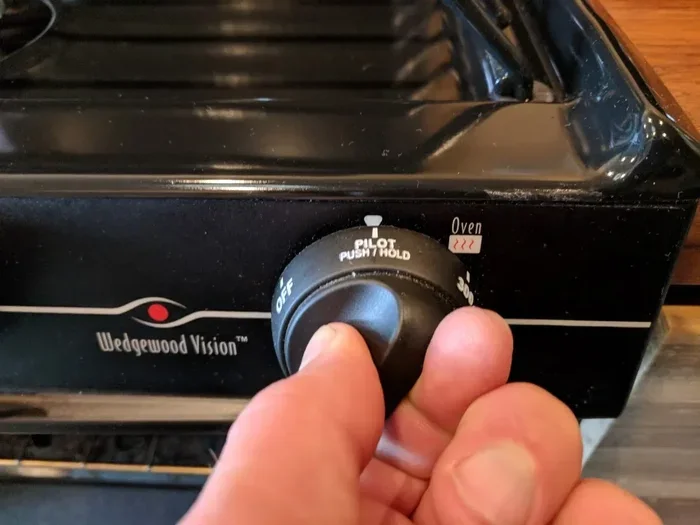
Start by preheating your oven to 400°F. This is the sweet spot for oven-baked salmon. It is hot enough to cook the fish through without drying it out, but not so hot that the outside burns before the inside is done. If you like a slightly crispier exterior, you can bump the temperature up to 425°F, but 400°F is the safest starting point.
While the oven heats up, take a few minutes to prep your salmon. This is where the small details really matter.
Step 2: Prep the Fillets
Remove the frozen salmon fillets from their packaging. Place them on a clean surface and use a paper towel to gently pat the surface dry. This step is important because moisture on the outside of the fish creates steam, which prevents the skin from crisping up. A dry surface means better texture and more flavor.
If your fillets have any ice crystals, let them sit for a minute or two to melt, then pat them dry again. You do not need to thaw the fish completely. Just remove the surface moisture.
Step 3: Season Generously
Place the fillets on a baking sheet lined with parchment paper or lightly greased with olive oil. Drizzle a small amount of olive oil over each fillet. Then add salt, pepper, and any other seasonings you like. Lemon slices on top add a bright, fresh flavor that pairs perfectly with salmon.
For a simple classic seasoning, try this combination:
- One tablespoon of olive oil per fillet
- Half a teaspoon of salt
- Quarter teaspoon of black pepper
- One minced garlic clove per fillet
- A squeeze of fresh lemon juice
Feel free to experiment. A little bit of smoked paprika or a sprinkle of dried herbs can take your frozen fish recipe to the next level.
Step 4: Bake the Salmon
Place the baking sheet on the middle rack of your preheated oven. For standard-thickness fillets (about one inch thick), bake for 20 to 25 minutes. Thinner fillets may need only 15 to 18 minutes, while thicker pieces could take up to 30 minutes.
The best way to know when your baked frozen salmon is done is to use a meat thermometer. Insert it into the thickest part of the fillet. When the internal temperature reaches 145°F, the salmon is ready to come out.
You can also check for doneness by gently pressing the top of the fillet. It should feel firm but still have a little give. The flesh should flake easily with a fork.
Step 5: Rest and Serve
Once the salmon is out of the oven, let it rest for three to five minutes. This allows the juices to redistribute throughout the fillet, which makes every bite more moist and flavorful. Squeeze some fresh lemon over the top, add a sprinkle of fresh herbs, and serve it up.
Pair your oven-baked salmon with roasted vegetables, a simple salad, or some rice and steamed greens. It makes for a complete, balanced meal that the whole family will love.
Best Oven Temperatures For Frozen Salmon
Temperature is one of the most important factors when baking frozen salmon. Too low, and the fish takes forever to cook and can end up mushy. Too high, and the outside dries out before the inside is fully cooked. Here is a quick breakdown of the best temperatures to use.
| Oven Temperature | Best For | Approximate Cooking Time |
|---|---|---|
| 375°F | Thin fillets, gentle cooking | 25 to 30 minutes |
| 400°F | Standard fillets, even cooking | 20 to 25 minutes |
| 425°F | Thick fillets, crispy skin | 15 to 20 minutes |
| 450°F | Very thick fillets, quick roast | 12 to 18 minutes |
For most home cooks, 400°F is the go-to temperature. It strikes the perfect balance between cooking time and texture. If you want your salmon skin to be extra crispy, try the 425°F option. Just keep a close eye on it so it does not overcook.
One thing to keep in mind is that every oven is a little different. Some ovens run hot, while others run cool. If you notice your salmon cooking too fast or too slow, adjust the temperature by 10 to 15 degrees and check again next time.
How Temperature Affects Texture
Lower temperatures (around 375°F) cook the salmon more gently. This can result in a more tender, almost buttery texture throughout the fillet. Higher temperatures (425°F and above) create a nicer sear on the outside while keeping the inside moist. It really comes down to personal preference.
If you are new to baking frozen salmon fillets, start with 400°F. Once you are comfortable, you can experiment with different temperatures to find your favorite results.
Seasoning And Flavor Ideas For Baked Frozen Salmon
One of the best things about baking salmon in the oven is how versatile it is. You can keep it simple or go all out with bold flavors. Here are some delicious seasoning combinations to try.
Classic Lemon Herb
This is the go-to for a reason. Olive oil, fresh lemon, garlic, dill, and a touch of salt and pepper. It brings out the natural flavor of the salmon without overwhelming it. This combination works especially well with skin-on fillets because the crispy skin adds a nice textural contrast.
Honey Garlic Glaze
Mix honey, minced garlic, soy sauce, and a little bit of olive oil. Brush it over the fillets during the last five minutes of baking. The result is a sweet and savory glaze that caramelizes beautifully on the outside of the fish.
Southwest Style
Try cumin, smoked paprika, chili powder, and a squeeze of lime. Top with fresh cilantro after baking. This gives your oven-baked fish a warm, smoky kick that pairs perfectly with rice and black beans.
Simple Mediterranean
Olive oil, kalamata olives, sun-dried tomatoes, capers, and a sprinkle of oregano. This combination makes the salmon feel like a vacation in every bite. Serve it with a side of couscous or crusty bread for a complete meal.
Feel free to mix and match these ideas. The beauty of baking frozen salmon is that the fish is forgiving. Even if you get creative with bold flavors, the result will still be delicious.
Common Mistakes To Avoid When Baking Frozen Salmon
Even though baking frozen salmon is straightforward, there are a few common mistakes that can ruin the result. Here is what to watch out for.
Skipping the Dry Step
This is the number one mistake people make. If you do not pat the frozen fillets dry before seasoning and baking, the surface will steam instead of roast. The result is soggy skin and a less appealing texture. Always take the extra 30 seconds to blot the fish with a paper towel.
Overcooking the Salmon
Frozen salmon takes a bit longer to cook than fresh, but it is easy to go too far. Overcooked salmon becomes dry and chalky. Use a meat thermometer to check for doneness, and pull the fillets out as soon as they hit 145°F internally. The fish will continue to cook slightly as it rests.
Using the Wrong Pan
Not all baking sheets are created equal. A thin, flimsy pan can cause the fish to cook unevenly. Go for a heavy-duty baking sheet or an oven-safe skillet. Lining it with parchment paper also helps prevent sticking and makes cleanup much easier.
Crowding the Pan
Give each fillet enough space on the baking sheet. If you crowd them together, the steam gets trapped and the fish steams instead of baking. Leave at least half an inch between each fillet for the best results.
Forgetting to Let It Rest
Just like with other proteins, resting is important for salmon. Cutting into the fillet right after it comes out of the oven causes the juices to run out, leaving the fish drier than it should be. Give it a few minutes, and you will notice a big difference in moisture and flavor.
Expert Tips For The Best Baked Frozen Salmon
Here are some extra tips from experienced home cooks and chefs that will take your frozen salmon fillets game to the next level.
- Buy skin-on fillets whenever possible. The skin crisps up beautifully in the oven and adds an extra layer of flavor and texture.
- Brush the fillets with a thin layer of Dijon mustard before seasoning. It adds a subtle tang and helps the seasonings stick to the surface.
- Add a pat of butter on top of each fillet before baking. This keeps the fish extra moist and adds richness to the final dish.
- Use a wire rack on top of your baking sheet. This allows hot air to circulate around the fillet evenly, which prevents the bottom from getting soggy.
- Freeze your salmon in individual portions. This way, you can bake just one or two fillets at a time without wasting any. It is a great meal-prep strategy.
- Do not be afraid of the freezer burn. If your frozen salmon has a little freezer burn, just trim it off before baking. The rest of the fillet will still taste great.
If you enjoy cooking fish in the oven, you might also like learning how to cook cauliflower steaks in the oven for a delicious vegetarian side dish to pair with your salmon. Another great resource is understanding what temperature to cook hamburger steak in the oven, since the principles of oven-baking protein are very similar.
For those who love exploring different oven cooking methods, you might find it interesting to learn about how to make a tandoori oven at home for even more variety in your oven-baked dishes. And always remember food safety basics, like checking whether it is safe to put a pizza box in the oven, which is a common question many home cooks have.
These related tips and techniques all support your journey toward becoming a more confident oven cook. The more you experiment, the better your results will get.
How To Store Leftover Baked Salmon
If you have leftovers (and let us be honest, that rarely happens), proper storage is key. Allow the salmon to cool completely before storing it in an airtight container. It will keep in the refrigerator for up to three days.
You can also freeze leftover baked salmon, though the texture may change slightly when reheated. To reheat, place the fillet in the oven at 300°F for about 10 minutes. This gentle heat helps keep the fish moist without overcooking it.
Avoid reheating salmon in the microwave if you can. It tends to make the fish rubbery and can give it an unpleasant smell. The oven is always the better choice for reheating baked salmon fillets.
Health Benefits Of Baked Salmon
Baked salmon is not only delicious but also incredibly nutritious. Salmon is one of the best sources of omega-3 fatty acids, which support heart health, brain function, and reduce inflammation in the body. A single serving of baked frozen salmon fillets provides a good amount of protein, vitamin D, and B vitamins.
Because you are baking the fish in the oven rather than frying it, you keep the calorie count low and avoid added fats from deep frying. It is one of the healthiest dinner options you can prepare at home, and it comes together in less than half an hour from start to finish.
Whether you are eating for heart health, trying to get more protein in your diet, or simply looking for a tasty and satisfying meal, baked frozen salmon checks every box.
Frequently Asked Questions
Can you bake salmon straight from frozen?
Absolutely. You can bake salmon straight from frozen without thawing it first. The key is to pat the surface dry, season it well, and bake it at the right temperature. Most fillets will need about 20 to 25 minutes at 400°F. Just make sure the internal temperature reaches 145°F before serving.
How long does it take to bake frozen salmon at 400 degrees?
At 400°F, standard one-inch-thick frozen salmon fillets typically take 20 to 25 minutes. Thinner fillets may be done in 15 to 18 minutes, while thicker pieces could need up to 30 minutes. Using a meat thermometer is the best way to confirm doneness.
Is it better to bake salmon with or without skin?
Both methods work well, but skin-on fillets tend to crisp up more nicely in the oven and help protect the delicate flesh during cooking. If you prefer skinless salmon, just be a little more careful with timing so the fillet does not dry out.
Do you need to thaw frozen salmon before baking?
No, you do not need to thaw frozen salmon before baking. In fact, baking from frozen can help the fish cook more evenly. Simply pat the fillets dry, season them, and place them directly in the hot oven.
What is the best way to prevent frozen salmon from sticking to the pan?
The best way to prevent sticking is to line your baking sheet with parchment paper or lightly grease it with olive oil. Also, make sure the oven is fully preheated before the salmon goes in. A hot oven helps the surface sear quickly, which naturally releases the fish from the pan.
Can you add sauce to frozen salmon while baking?
Yes, you can. A light glaze or sauce adds great flavor. Just be careful not to add too much liquid, as it can create excess steam and prevent the salmon from crisping up. Brush the sauce on during the last five to ten minutes of baking for the best results.
Final Thoughts
How To Bake Frozen Salmon Fillets In The Oven is one of the easiest and most rewarding skills you can add to your cooking repertoire. It requires minimal prep, almost no cleanup, and delivers impressive results every single time. Whether you are cooking for yourself, your partner, or the whole family, oven-baked frozen salmon is a meal that never disappoints.
The secret is really in the details. Pat the fish dry, use the right temperature, season generously, and check for doneness with a meat thermometer. Once you master these simple steps, you will never look at a frozen salmon fillet the same way again.
So go ahead. Pull some salmon out of your freezer tonight. Preheat the oven, get your seasonings ready, and enjoy the process. There is something deeply satisfying about putting a homemade, healthy meal on the table with very little effort. Happy baking, and enjoy every bite of that beautiful oven-baked salmon.