What Is 200 C Oven Temperature Everything You Should Know
200 C oven temperature equals 392°F and is one of the most commonly used settings for baking, roasting, and broiling. This temperature works beautifully for everything from golden bread to perfectly roasted vegetables and juicy meats. Understanding how to use 200 degrees Celsius in your oven can transform your cooking and help you achieve consistent, delicious results with minimal effort.
Have you ever wondered what happens when you set your oven to 200 C? Maybe you found a recipe that calls for 200 degrees Celsius and thought, “Is that hot enough?” Or perhaps you are trying to convert a recipe from Fahrenheit and need to know what 200 C actually means in your kitchen.
200 C oven temperature is one of the most popular and versatile settings you will ever use. It is the sweet spot for baking bread, roasting vegetables, cooking hamburger steak, and even making cauliflower steaks. Whether you are a beginner cook or a seasoned home chef, understanding what 200 C does and how to use it effectively will level up your cooking game significantly.
In this guide, we will cover everything you need to know about 200 C oven temperature. We will break down what it means, how to convert it, which dishes work best at this heat, and how to avoid common mistakes. By the end, you will feel confident using 200 degrees Celsius for all your favorite recipes.
Key Takeaways
- 200 C is a versatile temperature: It suits baking, roasting, and broiling a wide variety of dishes.
- Conversion is simple: 200 degrees Celsius equals approximately 392 degrees Fahrenheit.
- Preheat matters: Always preheat your oven to 200 C before placing food inside for even cooking.
- Use an oven thermometer: Built-in gauges can be inaccurate, so an independent thermometer helps ensure precision.
- Convection vs. conventional: Reduce cooking time or temperature slightly when using a convection setting at 200 C.
- Common mistakes to avoid: Overcrowding the oven and skipping preheating are the biggest pitfalls at this temperature.
📑 Table of Contents
- What Does 200 C Mean on Your Oven?
- How to Convert 200 C to Other Temperature Scales
- Best Dishes to Cook at 200 C
- How to Set and Maintain 200 C in Your Oven
- Convection vs. Conventional Oven at 200 C
- Common Mistakes When Cooking at 200 C
- Safety Tips for Cooking at 200 C
- How 200 C Compares to Other Common Oven Temperatures
- Expert Tips for Perfect Results at 200 C
- Frequently Asked Questions
- Conclusion
What Does 200 C Mean on Your Oven?
When you see 200 C on your oven dial or display, it means the oven should heat to 200 degrees Celsius. This is the standard unit of temperature measurement used in most countries around the world. In the United States, ovens often display Fahrenheit, so 200 C translates to about 392°F.
Here is a quick look at how this temperature compares:
- 200 C = 392°F (Fahrenheit)
- 200 C is considered a medium-high oven temperature
- 200 C is hotter than simmering but cooler than the highest broil settings
Most ovens can reach temperatures well above 200 C, sometimes going up to 250 C or 260 C. But 200 degrees Celsius strikes the perfect balance. It is hot enough to cook food quickly and create a nice crust or browning, yet not so hot that food burns on the outside before the inside is done.
Why Is 200 C So Popular?
This temperature has become a go-to for several reasons. First, it works for a huge range of cooking methods. You can bake, roast, and even broil at 200 C depending on the dish. Second, it heats food evenly in most ovens. And third, it is a temperature that most home cooks can remember easily. You do not need a conversion chart every time you see 200 C on a recipe.
How to Convert 200 C to Other Temperature Scales
Not everyone uses Celsius in their kitchen. If you live in the United States or a few other countries, your oven likely uses Fahrenheit. Converting 200 C oven temperature to Fahrenheit is straightforward.
The formula is simple:
°F = (°C × 9/5) + 32
So for 200 C:
200 × 9/5 = 360, then 360 + 32 = 392°F
In practice, most cooks round this to 400°F because ovens are not perfectly precise anyway. Setting your oven to 400°F when a recipe says 200 C will give you virtually the same result.
Quick Conversion Cheat Sheet
- 180 C ≈ 356°F (round to 350°F)
- 190 C ≈ 374°F (round to 375°F)
- 200 C ≈ 392°F (round to 400°F)
- 220 C ≈ 428°F (round to 425°F)
Keep this cheat sheet handy, especially when you are following international recipes. Knowing that 200 degrees Celsius is close to 400°F saves you time and guesswork.
Best Dishes to Cook at 200 C
One of the greatest things about 200 C oven temperature is its versatility. You can prepare a wide variety of dishes using this single setting. Let us explore some of the best options.
Baking Bread and Pastries
Bread bakes beautifully at 200 C. The high heat creates steam inside the dough, which helps develop a crispy, golden crust. Whether you are making a simple loaf of sandwich bread or a rustic sourdough, 200 degrees Celsius delivers excellent results.
Pastries like croissants, puff pastry, and Danish rolls also thrive at this temperature. The even heat distribution ensures layers rise properly and turn flaky and golden.
Roasting Vegetables
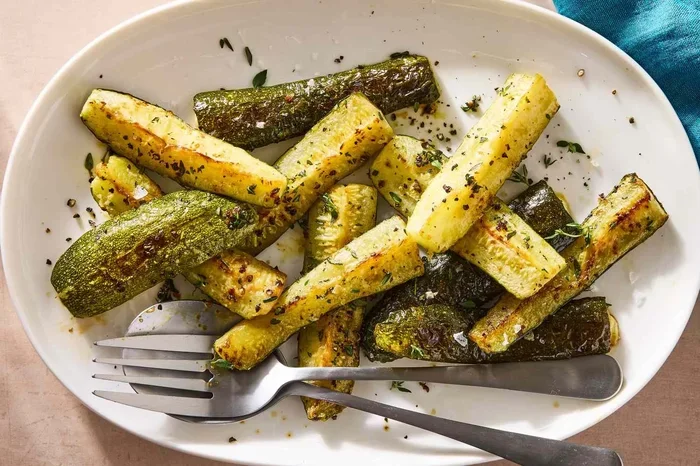
Roasting vegetables at 200 C is a game-changer. The high heat caramelizes natural sugars in vegetables like carrots, potatoes, broccoli, and bell peppers. This creates a delicious golden-brown exterior while keeping the inside tender.
Toss your vegetables with olive oil, salt, and pepper, spread them on a baking sheet, and roast for about 25 to 35 minutes. You will be amazed at how much flavor 200 C brings out.
Roasting Meats
For cuts like chicken thighs, pork loin, and beef roasts, 200 C provides the perfect cooking environment. The temperature is high enough to sear the outside and lock in juices, but not so high that the meat dries out before it is cooked through.
If you are cooking a whole chicken, about 20 to 25 minutes per pound at 200 degrees Celsius should do the trick. Always use a meat thermometer to check that the internal temperature reaches a safe level.
Cooking Cauliflower Steaks
Cauliflower steaks have become incredibly popular, and for good reason. They roast perfectly at 200 C, developing a smoky, caramelized flavor that is absolutely delicious. If you want a detailed guide on this, check out our article on how to cook cauliflower steaks in the oven for step-by-step instructions.
How to Set and Maintain 200 C in Your Oven
Setting 200 C on your oven sounds simple, but there are a few tips that can make a big difference in your results.
Always Preheat Your Oven
This is the single most important step. Preheating ensures that the oven reaches 200 degrees Celsius before your food goes in. When you place food in a cold oven, cooking time increases and the results are uneven. Your food may cook slower, and you might miss out on that perfect golden crust.
Most ovens take 10 to 15 minutes to preheat to 200 C. Wait for the preheat signal or light to turn off before loading your food.
Use an Oven Thermometer
Here is a secret many experienced cooks know: the temperature gauge built into most ovens is not always accurate. Your oven might say it is at 200 C but actually be at 185 C or 215 C. This can throw off your cooking time and results.
An inexpensive oven thermometer placed inside the oven gives you a reliable reading. This small tool is one of the best investments you can make for your kitchen.
Position Your Rack Correctly
Where you place your oven rack matters at 200 C oven temperature. For most roasting and baking, the middle rack is ideal. It allows hot air to circulate evenly around the food.
For dishes that need a crispy bottom, like pizza or flatbreads, place the rack lower in the oven. For dishes that need more top browning, move the rack higher.
Avoid Opening the Oven Door Too Often
Every time you open the oven door, you lose heat. At 200 degrees Celsius, the temperature drop can be significant. Try to resist the urge to peek too often. Use the oven light and window to check on your food instead.
Convection vs. Conventional Oven at 200 C
Understanding the difference between convection and conventional ovens is important when cooking at 200 C. Both settings use the same target temperature, but they distribute heat differently.
In a conventional oven, heat comes from the top and bottom elements. The air inside the oven is still, which can create hot spots. Food on the top rack may cook faster than food on the bottom rack.
In a convection oven, a fan circulates hot air around the food. This creates more even cooking and can reduce cooking time by about 20 to 25 percent.
Adjustments for Convection at 200 C
When using a convection oven at 200 degrees Celsius, you have two options:
- Keep the temperature at 200 C and reduce the cooking time by about 20 percent
- Lower the temperature to 180 C and keep the same cooking time
Most chefs recommend the first approach for simplicity. Keep an eye on your food the first few times you try this, as every convection oven behaves slightly differently.
Which Is Better for 200 C Cooking?
For most home cooks, a conventional oven works perfectly fine at 200 C. Convection ovens offer more even results and faster cooking, but they are not essential. If you are using a convection setting, just remember to adjust your expectations for timing and browning.
Common Mistakes When Cooking at 200 C
Even experienced cooks make mistakes at 200 C oven temperature. Here are the most common ones and how to avoid them.
Skipping the Preheat
This mistake ruins more dishes than any other. Putting food into an oven that has not yet reached 200 degrees Celsius leads to uneven cooking and longer bake times. Your food may turn out pale, soggy, or undercooked in the center.
Overcrowding the Pan
At 200 C, air needs to flow freely around each piece of food. If you overcrowd a baking sheet or roasting pan, the hot air gets blocked. This causes steaming instead of roasting, and your food will not brown properly.
Give each piece of food some space. If you need to cook a large batch, use two pans or cook in shifts.
Not Covering Food When Necessary
Some dishes benefit from being covered during part of the cooking process. For example, a slow-roasted pork shoulder cooked at 200 C might dry out if left uncovered the entire time. Use aluminum foil or a lid for the first half of cooking, then uncover for the last portion to get that beautiful crispy exterior.
Ignoring the Type of Pan You Use
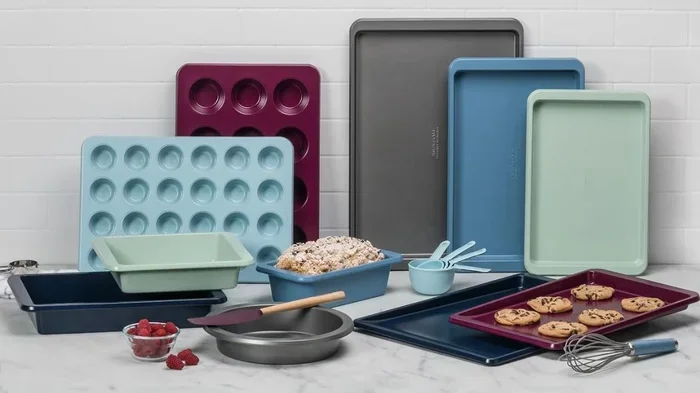
Not all pans perform the same at 200 degrees Celsius. Dark, non-stick pans absorb more heat and can cause food to brown faster. Light-colored aluminum pans distribute heat more evenly. Glass and ceramic pans retain heat longer, which can extend cooking time.
Choose your pan wisely based on the dish you are making. For even roasting, a light-colored metal baking sheet is hard to beat.
Safety Tips for Cooking at 200 C
Cooking at 200 C is safe and straightforward, but a few precautions go a long way in keeping your kitchen safe and your food delicious.
- Always use oven mitts: At 200 C, surfaces inside the oven and on the door can cause serious burns. Wear proper oven gloves every time.
- Keep flammable items away: Towels, paper, and plastic should never be near a hot oven. This is especially important if you are is it safe to put a pizza box in the oven — the answer is generally no, as cardboard can ignite at high temperatures.
- Use oven-safe cookware: Make sure your pans, baking sheets, and dishes are labeled oven-safe up to at least 200 C.
- Ventilate your kitchen: Hot air and odors escape when you open the oven. Turn on your range hood or open a window to keep your kitchen comfortable.
- Let food rest after cooking: After removing dishes from 200 degrees Celsius, allow them to rest for a few minutes. This lets juices redistribute and makes food safer to handle.
How 200 C Compares to Other Common Oven Temperatures
Understanding where 200 C fits in the broader range of oven temperatures helps you make better cooking decisions. Here is a quick comparison:
| Temperature | Celsius | Fahrenheit | Best For |
|---|---|---|---|
| Low | 150 C | 300°F | Slow cooking, dehydrating |
| Medium-Low | 175 C | 350°F | Cakes, cookies, casseroles |
| Medium-High | 200 C | 392°F | Roasting, bread, vegetables |
| High | 220 C | 428°F | Quick roasting, pizza |
| Very High | 250 C | 482°F | Broiling, searing |
As you can see, 200 C oven temperature sits right in the medium-high range. It is one of the most useful temperatures in any kitchen. Most recipes that call for a hot oven but not an extremely hot one will use 200 degrees Celsius.
For comparison, if you ever need to check whether it is safe to use certain packaging in the oven, refer to our guide on is it safe to put a pizza box in the oven. That article covers important safety considerations for oven use at various temperatures.
Expert Tips for Perfect Results at 200 C
Want to get the most out of your 200 C oven temperature? Here are some expert tips that make a noticeable difference.
- Line your baking sheets with parchment paper. This prevents sticking and makes cleanup a breeze. It also promotes even browning at 200 C.
- Rotate your pans halfway through cooking. Even in a good oven, hot spots exist. Rotating ensures all sides of your food cook evenly.
- Let your food come to room temperature before cooking. Placing cold food straight into a 200 C oven increases cooking time and can lead to uneven results.
- Season generously. The high heat at 200 C can intensify flavors. Do not be shy with salt, pepper, herbs, and spices.
- Use a timer. Even if you are an experienced cook, a timer takes the guesswork out of roasting and baking at 200 degrees Celsius.
Frequently Asked Questions
What is 200 C oven temperature in Fahrenheit?
200 C equals approximately 392°F. Most cooks round this to 400°F for convenience, and the slight difference will not affect your cooking results in any meaningful way.
Is 200 C too hot for baking a cake?
It depends on the cake. Many cakes bake well at 175 C to 190 C, but some recipes specifically call for 200 degrees Celsius. Always follow the recipe instructions. If a cake recipe says 200 C, it will work perfectly at that temperature.
How long does it take for an oven to preheat to 200 C?
Most ovens take between 10 and 15 minutes to preheat to 200 C. The exact time depends on your oven model, age, and whether it is a conventional or convection oven.
Can you cook frozen food at 200 C?
Yes, you can cook many frozen foods at 200 C oven temperature. However, you may need to increase the cooking time by about 50 percent compared to fresh food. Always check that the internal temperature reaches a safe level before serving.
What is the difference between 200 C and 220 C?
The difference is about 20 degrees, or roughly 36°F. 220 C is noticeably hotter and will cook food faster and brown it more quickly. Use 200 degrees Celsius for more controlled, even cooking, and reserve 220 C for when you want faster, more intense browning.
Do I need to adjust cooking time when using 200 C?
Generally, you follow the recipe as written when it calls for 200 C. If you are using a convection oven, reduce the cooking time by about 20 percent. Otherwise, trust the recipe and use a food thermometer to check for doneness.
Conclusion
200 C oven temperature is one of the most valuable settings in any kitchen. It is versatile, reliable, and perfect for a wide range of dishes from freshly baked bread to beautifully roasted vegetables and meats. Understanding what 200 degrees Celsius means and how to use it effectively puts you ahead of most home cooks.
Remember to always preheat your oven, use an oven thermometer for accuracy, and give your food enough space on the pan. Avoid common mistakes like overcrowding and skipping the preheat. With these tips in mind, you will consistently achieve excellent results every time you set your oven to 200 C.
Now that you know everything about 200 C oven temperature, it is time to put that knowledge into practice. Pick a recipe, preheat your oven, and enjoy the delicious results. Happy cooking!