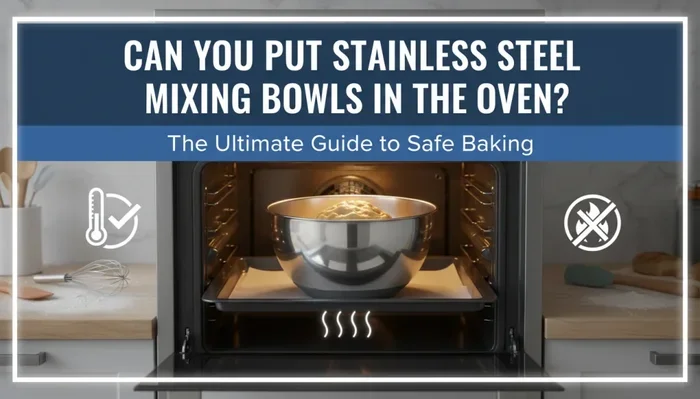
Can Metal Mixing Bowls Go In The Oven Without Melting
Yes, metal mixing bowls can go in the oven without melting — but only if you choose the right type of metal and follow safe temperature guidelines. Stainless steel and tempered aluminum bowls handle oven heat well, while bowls with plastic handles or non-stick coatings can warp or release harmful fumes. Understanding your bowl’s material and heat tolerance is the key to safe and successful oven baking.
You are standing in your kitchen, ready to bake something delicious. You pull out your favorite mixing bowl and start mixing ingredients. Then it hits you — can this bowl actually go in the oven? It is a question many home cooks ask, especially when a recipe calls for mixing and then baking in the same vessel. The short answer is yes, metal mixing bowls can go in the oven without melting. But the full answer depends on the type of metal, the temperature, and the bowl’s construction. Let us walk through everything you need to know to keep your kitchen safe and your baking on track.
Using the wrong bowl in a hot oven can lead to melted handles, warped surfaces, or even harmful chemicals releasing into your food. That is why understanding oven-safe metal bowls matters so much. Whether you are a beginner baker or a seasoned cook, this guide will give you clear, practical answers. You will learn which metals work, which ones to avoid, and how to use your bowls safely every single time.
Key Takeaways
- Not all metal bowls are oven-safe: Always check the manufacturer’s label before placing any bowl in a hot oven.
- Stainless steel and tempered aluminum are the best metals for oven use and won’t melt at normal baking temperatures.
- Plastic handles, rubber seals, and non-stick coatings can melt or release toxins in the oven, even if the metal itself is safe.
- Most metal bowls handle temperatures up to 400-500°F, but extreme heat can cause warping or discoloration over time.
- Always let metal bowls cool gradually to prevent thermal shock, cracking, or warping.
- Glass and ceramic bowls have different heat properties — choose the right material for each baking task.
- Using oven mitts is essential because metal bowls become extremely hot inside the oven.
📑 Table of Contents
- What Happens When You Put a Metal Mixing Bowl in the Oven
- Oven-Safe vs. Not Oven-Safe: Metal Types Compared
- Temperature Limits for Metal Mixing Bowls
- Common Mistakes People Make with Metal Bowls in the Oven
- Practical Tips for Using Metal Mixing Bowls in the Oven
- Metal Mixing Bowls vs. Glass and Ceramic for Oven Use
- Expert Insights on Metal Bowls and Oven Safety
- Conclusion
What Happens When You Put a Metal Mixing Bowl in the Oven
When you place a metal bowl inside a hot oven, the metal starts absorbing heat immediately. Metal is a great conductor of heat, which means it heats up fast and evenly. This property is actually one of the reasons metal bowls work so well for many cooking tasks. But heat tolerance varies depending on the type of metal used.
How Metal Reacts to Heat
Metal atoms vibrate when exposed to heat. At normal baking temperatures, which range from 300°F to 450°F, most oven-safe metals handle this vibration just fine. The bowl stays solid, holds its shape, and distributes heat effectively. However, if you exceed the metal’s heat tolerance, problems start to appear.
For example, thin aluminum bowls can warp at high temperatures. Warped bowls sit unevenly on surfaces and may spill. Some metals also change color or develop hot spots when overheated. The good news is that most kitchen-grade metals have a very high melting point, far above anything your home oven can reach.
Which Metals Are Safe for Oven Use
Not all metals behave the same way in an oven. Here is a quick breakdown of common metals found in mixing bowls:
- Stainless steel: Highly oven-safe. Can handle temperatures up to 500°F or more without melting or warping.
- Tempered aluminum: Safe up to about 400°F. Lightweight and heats quickly, but can warp if exposed to extreme heat.
- Copper: Oven-safe but expensive. Often lined with stainless steel or tin for food safety.
- Cast iron: Extremely oven-safe and retains heat well. Heavy but very durable.
- Carbon steel: Safe for oven use and commonly used in professional kitchens.
Each of these metals has a high melting point, meaning they will not melt in a standard home oven. The real risks come from attached parts like plastic handles, rubber grips, or non-stick coatings that cannot handle the heat.
Oven-Safe vs. Not Oven-Safe: Metal Types Compared
Choosing the right metal bowl for oven use is straightforward once you know what to look for. Some bowls are clearly labeled as oven-safe, while others carry warnings on the bottom. Understanding these labels helps you avoid accidents and keeps your food tasting great.
Stainless Steel Bowls
Stainless steel is the most popular choice for oven-safe mixing bowls. It is durable, non-reactive, and handles high temperatures beautifully. Most stainless steel bowls can go from the freezer to the oven without any issues, as long as you let them adjust to room temperature first.
Look for bowls labeled “oven-safe” or “stainless steel oven safe.” Quality stainless steel bowls from brands like OXO, Joseph Joseph, or Cuisinart are excellent choices. They come in various sizes and often feature pour spouts and pour rims for easy transferring.
Aluminum Bowls
Aluminum is lightweight and conducts heat very well. This makes it great for baking tasks where even heat distribution matters. However, thin aluminum bowls can warp if exposed to temperatures above 450°F for extended periods.
If you use aluminum mixing bowls in the oven, keep the temperature at or below 400°F. Anodized aluminum is a step up because it has a hardened surface that resists warping and scratching. Always check the manufacturer’s guidelines before placing an aluminum bowl in the oven.
Bowls to Avoid in the Oven
Some metal bowls should never go in the oven, even if the metal itself seems sturdy. Here are the main red flags:
- Plastic handles or accents: These will melt at oven temperatures, ruining the bowl and potentially releasing toxic fumes.
- Rubber seals or gaskets: Found on some premium bowls, these degrade quickly in high heat.
- Non-stick coated bowls: The coating can break down at high temperatures, releasing harmful chemicals into your food.
- Bowls with painted or decorative finishes: Paint can peel or release toxins when heated.
Always remove any detachable parts before placing a metal bowl in the oven. When in doubt, check the product manual or contact the manufacturer.
Temperature Limits for Metal Mixing Bowls
Temperature is the biggest factor when deciding whether your metal mixing bowl can safely go in the oven. Most home ovens operate between 150°F and 500°F, and the right metal bowl handles this range with ease. But knowing the exact limits helps you avoid costly mistakes.
Understanding Heat Tolerance
Different metals have different heat tolerances. Here is a general guide to help you understand what your bowl can handle:
- Stainless steel: Safe up to 500°F. Some grades handle even higher temperatures.
- Tempered aluminum: Safe up to 400°F to 450°F. Warping risk increases above this range.
- Cast iron: Safe up to 500°F or more. Excellent for high-heat baking.
- Copper: Safe up to 500°F when properly lined.
These temperatures are well above what most home baking requires. Whether you are making a cake at 350°F or roasting vegetables at 425°F, the right metal bowl will perform beautifully.
Signs Your Bowl Has Been Overheated
Sometimes you forget about a bowl sitting in the oven too long. Here are signs that your metal bowl has been exposed to too much heat:
- Warping: The bowl no longer sits flat on the counter.
- Discoloration: Rainbow-colored spots or dark patches appear on the surface.
- Distorted shape: The sides of the bowl become uneven or bent.
- Metallic taste: Food tastes off, which can indicate the metal has degraded.
If you notice any of these signs, stop using the bowl for oven tasks. A warped bowl can spill hot contents and create a mess in your oven. Replace it with a new oven-safe bowl to keep your kitchen safe.
Common Mistakes People Make with Metal Bowls in the Oven
Even experienced cooks make mistakes when using metal mixing bowls in the oven. These errors are easy to avoid once you know what to watch for. Let us look at the most common pitfalls.
Ignoring the Manufacturer’s Label
The single biggest mistake is assuming all metal bowls are oven-safe. They are not. Some bowls are designed only for mixing and serving, not for heat exposure. Always check the bottom of the bowl or the packaging for oven-safe symbols or labels. If it does not say oven-safe, do not put it in the oven.
Using Bowls with Plastic or Rubber Parts
Many mixing bowls come with lids, handles, or grips made of plastic or rubber. These parts may be dishwasher-safe but are absolutely not oven-safe. The plastic will melt and the rubber will degrade at oven temperatures. Always remove these parts before baking.
Skipping the Gradual Temperature Change
Thermal shock happens when a cold bowl goes straight into a hot oven or when a hot bowl hits a cold surface. This sudden temperature change can warp or crack the metal. Always let your bowl reach room temperature before placing it in the oven, and never place a hot bowl on a cold countertop.
Overfilling the Bowl
When batter or food expands in the oven, it needs room to rise. Overfilling a metal mixing bowl causes spills that can create a fire hazard or a messy cleanup. Fill your bowl no more than two-thirds full when using it in the oven.
Practical Tips for Using Metal Mixing Bowls in the Oven
Using metal mixing bowls in the oven is simple when you follow a few smart practices. These tips will help you get the best results and keep your bowls in great shape for years to come.
- Check for the oven-safe symbol. Look for a little oven icon on the bottom of the bowl or in the product manual.
- Use oven mitts. Metal bowls become extremely hot inside the oven. Always wear oven-safe gloves when handling them.
- Preheat the oven first. Putting a bowl in a cold oven and then turning it on creates uneven heating. Preheat to your target temperature first.
- Place the bowl on a stable surface. Use a baking sheet or oven-safe trivet to prevent the bowl from tipping over.
- Let the bowl cool naturally. Do not run cold water over a hot metal bowl. This causes thermal shock and can warp the metal.
- Store bowls properly. Stack them with a cloth or paper towel between each bowl to prevent scratching.
These small habits make a big difference. They keep your bowls safe, your food tasting great, and your oven clean.
Metal Mixing Bowls vs. Glass and Ceramic for Oven Use
Metal is not the only option for oven-safe bowls. Glass and ceramic bowls are also popular choices, and each has its own strengths. Let us compare the three materials so you can decide which works best for your needs.
When to Choose Metal Over Other Materials
Metal bowls heat up faster than glass or ceramic. This makes them ideal for tasks that need quick, even heating. They are also lighter and less likely to break if you drop them. If you need to mix ingredients and then transfer the bowl directly into the oven, metal is often the most convenient choice.
Metal is also more durable than glass. It does not chip or crack from everyday use. A good stainless steel mixing bowl can last a lifetime with proper care.
When Glass or Ceramic Makes More Sense
Glass bowls, like Pyrex, are excellent for baking because they distribute heat slowly and evenly. They are also transparent, which lets you watch your food as it bakes. Ceramic bowls are great for serving but may not be as heat-resistant as metal or glass.
However, glass can shatter if exposed to sudden temperature changes. Ceramic bowls are often heavier and may not be oven-safe unless specifically labeled as such. For most oven-baking tasks, stainless steel or tempered aluminum offers the best combination of safety, durability, and convenience.
Quick Comparison Table
| Feature | Metal | Glass | Ceramic |
|---|---|---|---|
| Oven Safe | Yes (most types) | Yes (tempered) | Varies by product |
| Heat Up Speed | Fast | Slow and even | Slow |
| Durability | Very high | Moderate | Moderate |
| Weight | Light to medium | Medium to heavy | Heavy |
| Break Risk | Low | Moderate | Moderate |
| Price Range | Low to high | Low to medium | Low to high |
As you can see, each material has its place in the kitchen. But for pure oven versatility, metal mixing bowls are hard to beat. They are fast, durable, and safe at high temperatures when you choose the right type.
Expert Insights on Metal Bowls and Oven Safety
Professional chefs and kitchen safety experts agree on a few key points about using metal bowls in the oven. These insights come from years of real-world experience and can help you avoid common pitfalls.
Chef Maria Santos, a professional pastry chef with over 15 years of experience, shares this advice: “Always check the base of your bowl for oven-safe markings. I have seen too many people assume a bowl is safe just because it is metal. The coating, handle, or seal matters just as much as the metal itself.”
Food safety expert David Chen adds: “The biggest risk with metal bowls in the oven is not melting — it is the materials attached to the bowl. Plastic, rubber, and non-stick coatings can release harmful chemicals at high temperatures. Always use bare metal bowls for oven tasks.”
These expert opinions reinforce what we have covered throughout this guide. The metal itself is almost always safe. The accessories and coatings are where the real danger lies.
Another important tip from kitchen professionals is to invest in a good set of oven-safe mixing bowls. A quality set made from stainless steel or tempered aluminum will serve you well for years. Look for sets that include multiple sizes so you have the right bowl for every task. Many sets also come with lids, which are great for storing batter in the refrigerator before baking.
Remember that metal conductivity works in your favor. Because metal heats up quickly, your food cooks more evenly when baked in a metal bowl compared to some other materials. This is especially useful for recipes that require a golden, crispy top, like casseroles or baked desserts.
One last piece of advice: never leave a metal bowl unattended in a hot oven. While metal is durable, accidents can happen. Set a timer, keep an eye on your baking, and always use oven mitts when handling hot bowls. These simple habits will keep you safe and your baking results consistent every time.
Conclusion
The answer to whether metal mixing bowls can go in the oven without melting is a clear yes — with the right precautions. Stainless steel, tempered aluminum, cast iron, and carbon steel bowls all handle oven temperatures beautifully. They will not melt at normal baking temperatures and offer excellent heat conductivity for even cooking.
The key is to always check that your bowl is truly oven-safe. Avoid bowls with plastic handles, rubber seals, or non-stick coatings. Follow the temperature guidelines, let your bowls cool gradually, and use oven mitts when handling hot metal. These simple steps keep you safe and your baking on track.
Now that you know the facts, you can confidently use your metal mixing bowls for oven tasks. Whether you are mixing a cake batter, preparing a casserole, or baking a savory dish, the right metal bowl makes the process easier and more enjoyable. Keep this guide handy, share it with fellow home cooks, and happy baking!
Frequently Asked Questions
Can any metal mixing bowl go in the oven?
No, not all metal bowls are oven-safe. Always check the manufacturer’s label or look for an oven-safe symbol on the bottom of the bowl. Bowls with plastic handles, rubber seals, or non-stick coatings should never go in the oven, even if the metal body is heat resistant.
What temperature can metal mixing bowls handle?
Most oven-safe metal mixing bowls handle temperatures between 350°F and 500°F. Stainless steel and cast iron bowls can withstand the highest temperatures, while thin aluminum bowls are best kept below 450°F to prevent warping.
Is it safe to put a cold metal bowl in a hot oven?
It is not recommended. Sudden temperature changes can cause thermal shock, which may warp or crack the metal. Always let your metal bowl reach room temperature before placing it in a preheated oven for the safest results.
Can I bake a cake in a metal mixing bowl?
Yes, you can bake a cake in an oven-safe metal mixing bowl. Metal heats up quickly and distributes heat evenly, which can help your cake bake uniformly. Just make sure the bowl is oven-safe and grease the inside well to prevent sticking.
Why did my metal mixing bowl warp in the oven?
Warping usually happens when a thin metal bowl is exposed to temperatures above its heat tolerance or when it experiences sudden temperature changes. To prevent warping, use thicker stainless steel or tempered aluminum bowls and avoid extreme temperature shocks.
Are metal mixing bowls better than glass for oven baking?
Metal bowls heat up faster than glass, making them great for recipes that need quick, even cooking. Glass distributes heat more slowly and evenly, which works well for certain baked goods. Both are oven-safe when used correctly, but metal is more durable and lighter overall.