How Long To Broil Mahi Mahi In The Oven For Best Results
Want to know exactly how long to broil mahi mahi in the oven? This guide gives you the perfect time, temperature, and tips for juicy, flavorful fish every time. You’ll learn how to avoid overcooking and get restaurant-quality results at home.
If you’re craving a quick, healthy seafood dinner, how long to broil mahi mahi in the oven is the question that matters most. Broiling is one of the simplest and fastest ways to cook this firm, flavorful fish. It gives you a beautifully caramelized top while keeping the inside tender and juicy. Whether you’re a beginner or a seasoned cook, mastering the broiling time for mahi mahi will elevate your weeknight meals.
In this guide, I’ll walk you through everything you need to know about oven broiling mahi mahi. You’ll learn the exact timing, the best temperature settings, and how to choose the right fillets. I’ll share step-by-step instructions, seasoning ideas, and common mistakes to avoid. By the end, you’ll feel confident enough to broil mahi mahi like a pro. Let’s dive in and get that perfect fillet on your plate.
Key Takeaways
- Perfect Timing: Broil mahi mahi for 6–10 minutes depending on thickness, with 1 inch thick needing about 8 minutes total.
- High Heat Is Key: Use the broil setting at 500–550°F for a caramelized top while keeping the inside moist.
- Prep Matters: Pat fillets dry, season well, and use a broiling rack or foil-lined pan for even cooking.
- Avoid Overcooking: Check for opaque, flaky texture and an internal temperature of 145°F to prevent dryness.
- Rest Before Serving: Let the fish rest for 3 minutes to lock in juices and enhance flavor.
- Versatile Cooking Method: Broiling works great with marinades, garlic butter, and citrus for a quick, healthy seafood dinner.
📑 Table of Contents
- Why Broiling Is the Best Way to Cook Mahi Mahi
- How Long To Broil Mahi Mahi In The Oven: The Complete Guide
- Choosing and Prepping Your Mahi Mahi Fillets
- Seasoning Ideas for Broiled Mahi Mahi
- Step-by-Step Broiling Process
- Common Mistakes and Expert Insights
- Serving and Pairing Broiled Mahi Mahi
- Storing and Reheating Leftover Mahi Mahi
- Key Takeaways
Why Broiling Is the Best Way to Cook Mahi Mahi
Broiling uses direct, high heat from the oven’s top element. It mimics the intense heat of a grill, giving your fish a gorgeous sear. Mahi mahi is a dense, meaty fish that holds up beautifully under the broiler. Unlike baking or poaching, broiling adds a smoky, charred flavor without much effort. The high heat quickly caramelizes the natural sugars on the surface, creating a delicious crust while the inside stays moist. This method is especially great for broiling fish like mahi mahi because the flesh is firm enough to hold its shape.
Here are a few reasons why broiling mahi mahi works so well:
- Speed: A fillet cooks in just 6–10 minutes, making it ideal for busy nights.
- Minimal Cleanup: You only need a baking sheet or broiling pan.
- Healthy Cooking: No added fats are needed, keeping the dish low in calories.
- Restaurant-Quality Results: The high heat creates a golden-brown crust on the outside.
Quick Tip: Always preheat the broiler for at least 5 minutes before placing the fish. A hot broiler ensures even cooking and better browning. This simple step makes a huge difference in your final result.
How Long To Broil Mahi Mahi In The Oven: The Complete Guide
The exact time depends on the thickness of your fillets and whether you use the top or bottom broiler element. For most standard mahi mahi fillets that are about 1 inch thick, you’ll need 6 to 10 minutes total. Thinner pieces may take less, while very thick steaks can take a bit longer. The key is to watch the fish closely and use a thermometer. How long to broil mahi mahi in the oven is not a one-size-fits-all answer, but this guide will give you the confidence to nail it every time.
The Ideal Broiling Time and Temperature
Set your oven to the broil setting, which usually runs between 500°F and 550°F. Place the oven rack about 4–6 inches from the top heating element. This distance allows the heat to sear the fish without burning it. Here’s a simple breakdown:
- Thin fillets (less than ½ inch): 4–6 minutes, flipping halfway.
- Standard fillets (¾ to 1 inch): 6–8 minutes, no flip needed if the fillet is uniform.
- Thick steaks (1 to 1.5 inches): 8–10 minutes, and you may need to flip once.
Expert Insight: Many home cooks forget that the broiler continues cooking the fish after you pull it out. The residual heat raises the internal temperature by a few degrees. So, if you want a perfect 145°F internal temperature, pull the fish at 140°F and let it rest for 3 minutes. This prevents overcooking and keeps the mahi mahi pink and flaky.
Comparison Table: Thickness vs. Broiling Time
| Fillet Thickness | Broiling Time (No Flip) | Broiling Time (With Flip) | Internal Temp |
|---|---|---|---|
| Less than ½ inch | 4–5 minutes | 3–4 minutes per side | 145°F |
| ¾ to 1 inch | 6–8 minutes | 4–5 minutes per side | 145°F |
| 1 to 1.5 inches | 8–10 minutes | 5–6 minutes per side | 145°F |
| Over 1.5 inches | 10–12 minutes | 6–7 minutes per side | 145°F |
This table helps you plan your how long to broil mahi mahi in the oven time accurately. Remember, every oven varies slightly, so start checking a minute or two early.
Key Takeaways for Timing
- Always use an instant-read thermometer for accuracy.
- Thicker fillets benefit from a flip for even cooking.
- Thinner fillets cook faster, so watch them closely.
- Carryover cooking adds 2–3°F after removal.
Choosing and Prepping Your Mahi Mahi Fillets
Great results start with great ingredients. The quality of your fresh mahi mahi directly affects the final taste and texture. You want firm, bright pink flesh with no strong fishy odor. If using frozen fillets, thaw them completely in the refrigerator overnight. Pat them dry with paper towels before seasoning. The surface of the fish must be dry to achieve a good sear. Moisture creates steam, which prevents the broiling fish from caramelizing properly.
Common Mistakes: One of the biggest mistakes is not drying the surface of the fish. Moisture creates steam, which prevents browning. Another error is using fillets that are too thin; they can dry out quickly. If your fillets are less than ½ inch thick, consider broiling them on a piece of aluminum foil or a thin layer of vegetables to protect them from the direct heat. Also, avoid using a dark-colored pan; it absorbs too much heat and can burn the bottom of the fish.
Do You Need a Broiling Rack?
A broiling rack or a wire rack placed over a baking sheet works best. It allows hot air to circulate around the fish, cooking it evenly on all sides. If you don’t have a rack, you can place the fillets on a lightly oiled oven-safe pan. However, the bottom may not get as crispy. Using aluminum foil to line the pan makes cleanup easier, but avoid letting the foil touch the heating element. A light brush of olive oil on the rack prevents sticking.
Quick Tips for Prepping:
- Always pat fillets dry with a paper towel.
- Score the skin side lightly (if skin-on) to prevent curling.
- Bring the fish to room temperature for 10–15 minutes before broiling.
- Lightly brush the top with olive oil or melted butter to promote browning.
Key Takeaway: Proper prep ensures even cooking and a beautiful sear. Taking these extra minutes pays off in flavor and texture.
Seasoning Ideas for Broiled Mahi Mahi
Mahi mahi has a mild, slightly sweet flavor that pairs well with many seasonings. You can keep it simple with salt, pepper, and a squeeze of lemon, or get creative with marinades. The broiling process caramelizes sugars in marinades, creating a delicious crust. Here are some ideas to elevate your mahi mahi recipe:
- Classic Lemon Herb: Olive oil, minced garlic, fresh parsley, lemon zest, salt, and pepper.
- Garlic Butter: Melted butter, garlic powder, a pinch of paprika, and a dash of lemon juice.
- Tropical Mango Salsa: Top the broiled fish with a fresh salsa of mango, red onion, cilantro, and lime.
- Mediterranean Style: Kalamata olives, capers, sun-dried tomatoes, and a drizzle of olive oil.
- Citrus Marinade: Orange juice, lime zest, a touch of honey, and fresh dill.
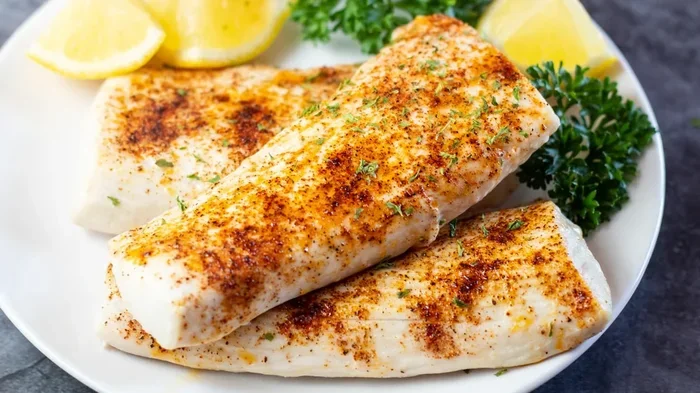
Expert Insight: Apply your seasoning just before placing the fish under the broiler. If you marinate too long, the acid in citrus can start to “cook” the fish and make the surface mushy. A light coating of oil helps the spices adhere and promotes even browning. For a protein-rich fish dinner, keep the seasoning simple to let the natural flavor shine. A lemon wedge on the side brightens every bite.
Step-by-Step Broiling Process
Now that your fillets are prepped and seasoned, it’s time to broil mahi mahi. Follow these steps for perfectly cooked fish every time.
- Preheat the broiler: Turn on the broiler on high and let the oven heat for 5–10 minutes. Position the rack 4–6 inches from the top element.
- Prepare the pan: Line a baking sheet with aluminum foil (for easy cleanup) and place a broiling rack on top. Lightly grease the rack with oil or cooking spray.
- Arrange the fillets: Place the mahi mahi fillets on the rack, leaving space between them for air circulation. Make sure the thicker parts are toward the back of the pan to account for the hotter back of the oven.
- Broil the first side: Slide the pan under the broiler and cook for 4–6 minutes (depending on thickness). Do not open the oven door frequently, as it releases heat.
- Check and flip if needed: After 4 minutes, open the oven and check for browning. If the top is nicely charred and the fish is opaque halfway through, you can leave it as is. For thicker fillets, carefully flip using a spatula and broil the second side for another 3–5 minutes.
- Check internal temperature: Use an instant-read thermometer. The fish is done when it reaches 145°F in the thickest part. The flesh should be opaque and flake easily with a fork.
- Rest the fish: Transfer to a plate and let it rest for 3 minutes. This allows the juices to redistribute, keeping the fillet moist.
Quick Tips for Perfect Broiling:
- If your oven has a convection broil setting, use it for even more consistent results.
- Keep a close eye on the fish during the last 2 minutes; broiling can go from perfectly done to overcooked very quickly.
- Remember, how long to broil mahi mahi in the oven depends on your specific oven and the fillet thickness.
- Never leave the broiler unattended.
- Use a light-colored baking sheet to prevent burning.
Common Mistakes and Expert Insights
Even with the best intentions, it’s easy to make mistakes when broiling fish. Here are the most common pitfalls and how to avoid them.
Common Mistakes That Ruin Broiled Mahi Mahi
- Not preheating the broiler: A cold broiler leads to uneven cooking and a soggy texture. Always preheat for at least 5 minutes.
- Overcrowding the pan: Placing fillets too close together blocks airflow and causes steaming instead of broiling. Give each piece space.
- Using a dark pan: Dark pans absorb more heat and can burn the bottom of the fish. Stick to light-colored, oven-safe pans or a broiling rack.
- Skipping the flip for thick cuts: Very thick steaks benefit from a flip midway through to ensure even cooking. Without flipping, the top may char while the center stays raw.
- Overcooking: The most common mistake is leaving the fish in too long. Mahi mahi dries out quickly once it passes 150°F internal temperature. Pull it at 140°F and let carryover cooking do the rest.
Expert Insights: Mastering the Broiler
Professional chefs know that the broiler is a powerful tool that requires attention. Chef Maria Torres, a seafood specialist, says: “The secret to perfect broiled mahi mahi is watching the fish, not the clock. Every oven has hot spots, and the distance from the element changes everything. I always keep the oven door slightly ajar to monitor the color.” She also recommends using a wire rack over a sheet pan to lift the fish away from direct contact with the pan, allowing air to flow underneath. This method ensures a crispy top and an evenly cooked center. For a healthy weeknight dinner, this approach delivers restaurant results with minimal effort.
Key Takeaway: Treat the broiler like a grill. Stay near the oven, check frequently, and trust your eyes and nose. The fish is done when it smells sweet and looks opaque with golden edges.
Serving and Pairing Broiled Mahi Mahi
Broiled mahi mahi is delicious on its own, but pairing it with the right sides makes it a complete meal. The fish’s firm texture holds up well against hearty sides. Here are some ideas for a balanced, seafood dinner:
- Roasted vegetables: Asparagus, zucchini, or bell peppers roasted with olive oil and herbs.
- Quinoa or brown rice: A light, protein-packed grain adds substance without weighing down the fish.
- Garlic mashed potatoes: A creamy side that complements the mild flavor of mahi mahi.
- Fresh salad: A simple mixed green salad with a lemon vinaigrette cuts through the richness.
Quick Tip: A squeeze of fresh lemon right before serving brightens all the flavors. The acidity cuts through the richness of the fish and adds a refreshing note. For a protein-rich fish meal, keep your sides light and fresh to balance the dish.
Key Takeaway: Broiled mahi mahi is a versatile seafood dinner that works for weeknights and dinner parties alike. Keep your sides simple to let the fish shine.
Storing and Reheating Leftover Mahi Mahi
If you have leftovers, storing them properly keeps the fish safe and tasty. Cooked mahi mahi can be stored in an airtight container in the refrigerator for up to 3 days. Reheat gently in the oven at 300°F for about 5–8 minutes. Avoid microwaving, which can make the fish rubbery. The broiling process dries out the fish slightly, so reheating in the oven helps retain moisture. You can also flake leftover mahi mahi into a salad or wrap for a quick lunch. This makes how long to broil mahi mahi in the oven even more worthwhile, as you get two meals from one cooking session.
Key Takeaways
- Timing Matters: Follow the thickness-based guide to avoid overcooking or undercooking.
- High Heat Delivers: The broiler’s intense heat creates a caramelized crust that elevates the fish.
- Dry Surface Equals Better Sear: Pat fillets dry and use a rack for even air circulation.
- Season Simply: Let the natural flavor of mahi mahi shine with light, fresh seasonings.
- Rest Before Eating: A short rest keeps the fish juicy and flavorful.
- Experiment with Sides: Pair with roasted veggies, grains, or a fresh salad for a complete meal.
Now you know exactly how long to broil mahi mahi in the oven and how to get perfect results every time. With the right timing, temperature, and a little attention, you can serve up a restaurant-quality dish in under 15 minutes. Enjoy the process, experiment with seasonings, and make broiled mahi mahi a regular part of your cooking routine.
Frequently Asked Questions
Can you broil mahi mahi from frozen?
Yes, but it’s not ideal. Frozen fillets will release moisture during broiling, which can prevent browning and lead to uneven cooking. If you must broil from frozen, increase the time by about 2–3 minutes and place the fillets on a wire rack to allow excess water to drip away. Thawing in the refrigerator overnight always gives better results.
What temperature should the oven be set to for broiling mahi mahi?
Use the broil setting, which typically runs between 500°F and 550°F. If your oven has separate broil high and broil low settings, choose broil high for mahi mahi. The intense heat is what creates the beautiful caramelized top while cooking the fish through quickly.
How do you know when broiled mahi mahi is done?
The fish is done when it reaches an internal temperature of 145°F, as measured by an instant-read thermometer in the thickest part. The flesh should be opaque white and flake easily with a fork. The top should have a golden-brown, slightly charred appearance. Remember that carryover cooking will raise the temperature a few degrees after you remove the fish from the oven.
Do you need to flip mahi mahi when broiling?
For fillets that are ¾ inch thick or less, you usually don’t need to flip them. The top broiler cooks the surface evenly. For thicker steaks over 1 inch, flipping halfway through ensures the center cooks through without burning the outside. If you don’t flip, you may need to extend the cooking time slightly and watch the top closely to prevent charring.
Can you use aluminum foil when broiling mahi mahi?
Yes, lining the baking sheet with aluminum foil makes cleanup much easier. However, never let the foil touch the top heating element, as it can melt or cause a fire. Use a broiling rack on top of the foil, or lightly grease the foil to prevent the fish from sticking. The foil also helps catch any drips and prevents smoke.
What are the best seasonings for broiled mahi mahi?
Mahi mahi pairs well with simple combinations like olive oil, garlic, lemon, and fresh herbs such as parsley or dill. You can also try a light rub with smoked paprika, cumin, and a pinch of cayenne for a bit of heat. The key is to keep seasonings light so they don’t burn under the high broiler heat. A brush of melted butter with minced garlic right before serving adds a rich finishing touch.