How To Dry Apricots In Oven For Tasty Sweet Snacks
Drying apricots in the oven is one of the easiest ways to make homemade dried fruit snacks. This guide shows you exactly how to dehydrate apricots using your kitchen oven, from prep to storage. You will learn the best oven temperature, drying time, and tips for chewy, sweet results every time. Whether you are a beginner or a seasoned home cook, this method works great for preserving fruit and creating healthy treats.
There is something truly special about pulling a batch of homemade dried apricots out of the oven. The sweet aroma fills your kitchen, and you know you have created something wholesome and delicious from scratch. How To Dry Apricots In Oven is a skill that anyone can learn, and once you master it, you will never go back to store-bought versions.
Dried apricots are one of the most popular sweet dried snacks around the world. They are packed with nutrients, naturally sweet, and perfect for hiking, snacking, or adding to your morning oatmeal. The best part? You can make them right in your own kitchen without any fancy equipment. This guide walks you through every step of the fruit dehydration process so you get perfect results every single time.
Whether you have an abundance of fresh apricots from your garden or simply want to try something new in the kitchen, this tutorial covers everything you need to know. From choosing the right fruit to storing your finished homemade dried apricots, we have got you covered. Let us dive in and start your journey into making amazing dried fruit recipes at home.
Key Takeaways
- Low and slow is the key: Use a low oven temperature between 170°F and 200°F for the best dried fruit texture.
- Proper prep matters: Wash, slice, and optionally dip apricot halves in lemon water to prevent browning.
- Flip halfway through: Turn your apricot slices during the drying process for even dehydration.
- Store correctly: Keep oven dried apricots in airtight containers in a cool, dark place for up to six months.
- Oven drying is a great food dehydrator alternative: You do not need special equipment to make delicious fruit snacks at home.
- Check for doneness: Apricots should be leathery and slightly tacky but not wet or sticky.
- Get creative with your harvest: Use homemade dried apricots in trail mix, baking, granola, and more.
📑 Table of Contents
- Why Drying Apricots In The Oven Is A Great Idea
- Ingredients And Equipment You Will Need
- Step By Step: How To Dry Apricots In Oven
- Quick Tips For Perfect Results
- Common Mistakes To Avoid
- How To Store Your Homemade Dried Apricots
- Creative Ways To Enjoy Your Oven Dried Apricots
- Oven Drying vs Other Methods
- Conclusion
Why Drying Apricots In The Oven Is A Great Idea
You might be wondering why you should bother drying apricots in the oven when you can buy them at any grocery store. The answer is simple: homemade dried fruit tastes better, lasts longer, and gives you full control over what goes into your food.
When you dehydrate apricots at home, you know exactly what ingredients are involved. There are no added preservatives, no hidden sugars, and no mystery ingredients. You can choose organic fruit, control the sweetness level, and even experiment with different flavors. Preserving fruit this way is also a fantastic way to reduce food waste and enjoy seasonal produce year-round.
Another big advantage is cost. Buying dried apricots from the store can add up quickly, especially if you go through them fast. Making your own oven dried apricots saves money and gives you a satisfying sense of accomplishment. Plus, the process is surprisingly simple and does not require hours of hands-on work.
The Science Behind Oven Drying
When you dry fruit in the oven, you are essentially removing moisture through gentle heat. Fresh apricots contain a lot of water, which makes them perish quickly. By lowering the water content to around 15 to 20 percent, you create an environment where bacteria and mold cannot grow easily. This is the same principle behind all fruit dehydration methods, whether you use a food dehydrator alternative like an oven or a dedicated machine.
The key is to keep the oven temperature low enough to dry the fruit slowly without cooking it. High heat will harden the outside while leaving the inside moist, which leads to spoilage. Low and slow is the golden rule for low temperature drying that produces the best texture and flavor.
Ingredients And Equipment You Will Need
One of the best things about how to dry apricots in oven is that you need very little equipment. Most of what you need is probably already in your kitchen. Here is what you will want to have ready before you start.
Fresh Apricots
Start with ripe but firm apricots. Look for fruit that is slightly soft but not mushy. Overripe apricots will turn into mush during the drying process, while underripe ones may taste too tart. Apricot halves work best for even drying, so choose fruit that is uniform in size when possible.
Basic Kitchen Tools
- Sharp knife: For slicing apricots evenly in half and removing the pit.
- Cutting board: A stable surface for prepping your fruit safely.
- Baking sheets: Rimmed sheets work best to prevent any juice from dripping into your oven.
- Parchment paper: This prevents the fruit from sticking and makes cleanup a breeze.
- Lemon juice: Optional but recommended to keep the color bright and prevent browning.
- Airtight containers: For storing your finished chewy dried apricots once they are done.
Optional Add-Ins
While plain dried apricots are delicious on their own, you can add a touch of flavor if you like. A light sprinkle of cinnamon or a drizzle of honey before drying adds a nice twist. Some people enjoy a light dusting of sea salt on their sweet dried snacks for a sweet-and-salty combo. Just keep in mind that adding sugar or honey will slightly shorten the shelf life of your finished product.
Step By Step: How To Dry Apricots In Oven
Now for the fun part. Follow these simple steps to create perfect oven dried apricots right in your own kitchen. The process is straightforward, but paying attention to the details makes all the difference.
Step 1: Wash and Prepare Your Apricots
Start by rinsing your fresh apricots under cool running water. Gently pat them dry with a clean towel. Lay them out on your cutting board and use a sharp knife to slice each one in half around the equator. Twist the halves gently to separate them and remove the pit.
If you want to prevent browning, prepare a small bowl of water with a squeeze of lemon juice. Dip each apricot half into the lemon water for just a few seconds, then place them on a clean towel to dry briefly. This simple step keeps your dried fruit recipe looking vibrant and appetizing.
Step 2: Arrange on Baking Sheets
Line your baking sheets with parchment paper. Place the apricot halves cut-side up on the sheets, spacing them evenly so there is good air circulation around each piece. Do not overlap the fruit, as this will cause uneven drying and could lead to mold.
Pro tip: If you have multiple baking sheets, you can rotate them in the oven during drying to ensure even results. Ovens can have hot spots that affect how quickly one area dries compared to another.
Step 3: Set Your Oven to the Right Temperature
This is the most important step in the entire process. Set your kitchen oven to the lowest possible temperature, ideally between 170°F and 200°F. If your oven does not go below 200°F, that is perfectly fine. Just keep the door slightly ajar to allow moisture to escape.
You want gentle, steady heat that draws out the water slowly. This slow drying time is what gives homemade dried apricots their wonderful chewy texture. Rushing the process with high heat will give you hard, less flavorful results.
Step 4: Dry the Apricots
Place the baking sheets in the oven and let the fruit dehydration process begin. The total drying time typically ranges from 6 to 12 hours, depending on your oven, the thickness of your slices, and the humidity in your kitchen.
After about 3 to 4 hours, open the oven and check on your fruit. Use oven mitts to carefully flip each apricot half over. This ensures both sides dry evenly. Continue checking every couple of hours and flipping as needed.
Step 5: Test for Doneness
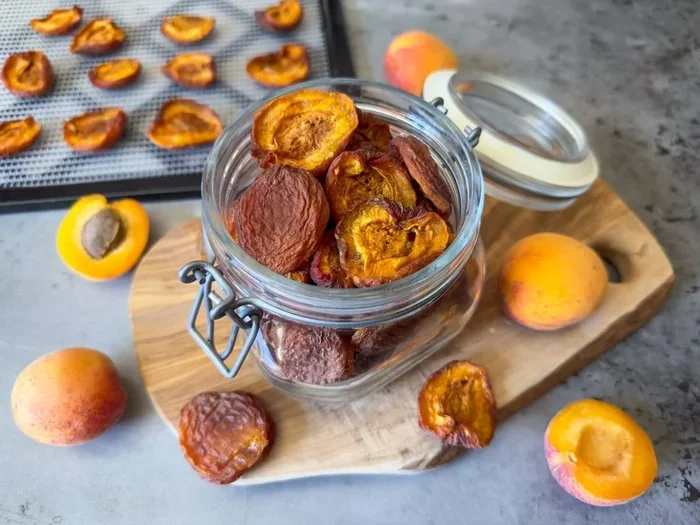
Your chewy dried apricots are ready when they feel leathery and slightly tacky but not wet. If you squeeze one, it should bend without feeling sticky or releasing juice. There should be no moisture left on the surface. Let them cool completely on the baking sheets before moving to storage containers.
Oven Temperature and Drying Time Comparison
Every oven is different, so here is a helpful reference table to guide you through the how to dry apricots in oven process based on your specific setup.
| Oven Setting | Temperature | Approximate Drying Time | Best For |
|---|---|---|---|
| Low Heat (Recommended) | 170°F – 200°F | 8 – 12 hours | Chewy, flavorful dried apricots |
| Medium Heat | 200°F – 225°F | 6 – 8 hours | Firmer texture, slightly faster |
| High Heat (Not Recommended) | 250°F+ | 3 – 4 hours | Hard, less flavorful results |
As you can see, the low heat setting gives you the best results for oven dried apricots. The longer drying time allows moisture to escape evenly, preserving the natural sweetness and creating that perfect chewy texture everyone loves.
Quick Tips For Perfect Results
Making great homemade dried apricots is easy once you know a few insider tricks. These quick tips will help you get the best possible outcome every time you dehydrate apricots in the oven.
- Choose uniform fruit: Apricots that are similar in size will dry at the same rate, so pick ones that look alike on each baking sheet.
- Keep the oven door cracked: This lets moisture escape and prevents steam from building up inside the oven, which would make your fruit soggy.
- Use convection if available: If your oven has a fan or convection setting, use it. The circulating air speeds up fruit dehydration and promotes more even drying.
- Do not rush the process: Patience is the secret ingredient. Low heat over a longer period produces far better results than high heat in a short time.
- Line up your apricots carefully: Place all the apricot halves cut-side up so the natural sugars concentrate on the surface and create a beautiful caramelized look.
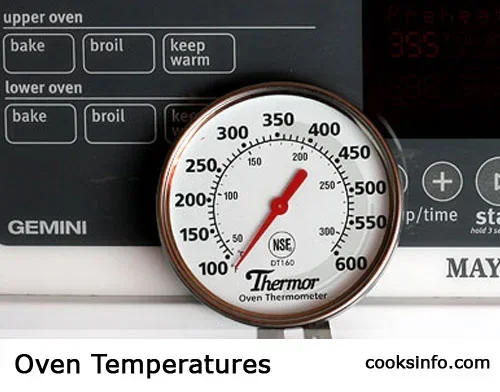
- Check your oven thermometer: Many ovens run hotter or cooler than the dial shows. An inexpensive oven thermometer can make a big difference in your drying time and final quality.
Expert Insight
Professional bakers and food preservation experts agree that the single most important factor in successful fruit dehydration is maintaining a consistent low temperature. Fluctuating heat causes the fruit to cook unevenly and can create pockets of moisture where mold can grow. If your oven tends to cycle on and off frequently, consider propping the door open with a wooden spoon to maintain steady airflow.
Common Mistakes To Avoid
Even with the best intentions, it is easy to make mistakes when you are learning how to dry apricots in oven. Knowing what to avoid saves you time, fruit, and frustration. Here are the most common pitfalls and how to steer clear of them.
Using Too High a Temperature
This is the number one mistake people make. Cranking up the heat to speed things along creates hard, cooked-tasting apricots with a dry exterior and a moist interior. The inside can actually spoil faster because the moisture gets trapped. Stick to low heat and trust the process.
Overcrowding the Baking Sheets
It can be tempting to fit as many apricot halves on a sheet as possible, but this blocks airflow and leads to uneven drying. Give each piece plenty of space so warm air can circulate freely around every surface. If you need to use multiple sheets, rotate them halfway through the drying time.
Skipping the Lemon Water Dip
While not absolutely necessary, skipping this step often results in darkened, less appetizing oven dried apricots. The acid in lemon juice slows oxidation and keeps your homemade dried fruit looking fresh and vibrant. It is such a small step that makes a big visual difference.
Not Testing for Doneness Properly
Removing the fruit too early leaves excess moisture, which leads to spoilage. Leaving it too long makes the apricots overly hard and difficult to chew. Always test a few pieces from different spots on the baking sheet, as drying can vary across the oven.
Storing Without Cooling Completely
Warm apricots stored in airtight containers create condensation, which introduces moisture back into your fruit snacks at home. Always let your chewy dried apricots cool to room temperature before sealing them away for storage.
How To Store Your Homemade Dried Apricots
Proper storage is just as important as the drying process itself. Even perfectly dried oven dried apricots will go bad if stored incorrectly. The goal is to keep moisture out and preserve that wonderful chewy texture.
Best Storage Containers
- Airtight glass jars: These are ideal because they keep out moisture and let you see your beautiful homemade dried apricots inside.
- Vacuum-sealed bags: Removing air from the bag extends shelf life significantly and saves space.
- Heavy-duty zip-lock bags: A good budget option. Just squeeze out as much air as possible before sealing.
- Plastic food storage containers: Make sure they have tight-fitting lids and are completely dry inside.
Where and How Long to Store
Keep your stored dried fruit recipe in a cool, dark, and dry place like a pantry or cupboard. Avoid storing them near the stove or in direct sunlight, as heat and light degrade quality over time. When stored properly, homemade dried apricots last for up to six months at room temperature. You can also refrigerate or freeze them for even longer storage, up to one year.
Expert tip: If you live in a humid climate, consider adding a food-safe desiccant packet to your storage container. This extra precaution absorbs any residual moisture and keeps your sweet dried snacks perfectly chewy for months.
Creative Ways To Enjoy Your Oven Dried Apricots
Once you have mastered the art of how to dry apricots in oven, the fun really begins. Homemade dried apricots are incredibly versatile and can be used in so many ways beyond just snacking on their own.
Trail Mix and Granola
Toss your chewy dried apricots into homemade trail mix with nuts, seeds, and dark chocolate chips. They also add wonderful flavor and texture to homemade granola. The natural sweetness of the dried fruit balances the savory nuts perfectly.
Baking and Cooking
Chop up your oven dried apricots and add them to muffins, scones, bread, or oatmeal cookies. They provide natural sweetness and a lovely chewy bite. Some people even blend dried apricots into a smooth fruit leather or paste to use as a natural sweetener in recipes.
Gift Giving
Packaged beautifully in mason jars or decorative bags, homemade dried apricots make wonderful gifts during the holiday season or any time of year. Add a ribbon and a handwritten label, and you have a thoughtful, handmade present that people truly appreciate.
Snack Time for Kids
Kids love fruit snacks at home, and dried apricots are a healthy alternative to processed candy. They are naturally sweet, full of vitamins, and easy to pack in lunchboxes or take on road trips. Once your children see how fun it is to make their own dried fruit recipe, they may even want to help in the kitchen.
Expert Insight
Nutritionists often recommend homemade dried apricots over store-bought versions because you control the ingredients completely. Commercial dried fruit often contains added sugar, sulfur dioxide for preservation, and other additives. When you dehydrate apricots at home, you get a pure, natural product that retains more of the fruit’s original nutrients and flavor profile.
Oven Drying vs Other Methods
While this guide focuses on how to dry apricots in oven, it is worth knowing how this method compares to other popular fruit dehydration techniques. Each method has its strengths, and understanding the differences helps you choose what works best for your kitchen and lifestyle.
A dedicated food dehydrator offers more precise temperature control and better airflow, which can produce slightly more consistent results. However, a dehydrator takes up counter space and costs more than simply using your existing oven. For most home cooks, oven drying is the most practical and accessible food dehydrator alternative.
Sun drying is the oldest method of preserving fruit, but it depends heavily on weather conditions and takes the longest time. It also exposes the fruit to dust, insects, and uneven drying. Oven drying gives you reliable, consistent results regardless of the weather outside, making it the most dependable method for producing quality oven dried apricots at home.
Conclusion
How To Dry Apricots In Oven is a simple, rewarding skill that anyone can learn. From selecting the perfect fresh fruit to storing your finished homemade dried apricots, the entire process is straightforward and satisfying. You do not need expensive equipment or special training — just a basic oven, some fresh apricots, and a little patience.
The results are well worth the effort. You end up with delicious, healthy sweet dried snacks that taste far better than anything you can buy at the store. Whether you are looking to preserve a bumper harvest, create wholesome treats for your family, or simply try something new in the kitchen, oven drying apricots is a fantastic place to start.
Now that you have all the knowledge and tips you need, it is time to put them into action. Grab some fresh apricots, preheat your kitchen oven, and start your first batch today. Once you taste the difference between homemade and store-bought, you will wonder why you ever bought dried apricots from a shelf. Happy drying!
Frequently Asked Questions
Can I dry apricots in the oven without parchment paper?
Yes, you can, but parchment paper makes cleanup much easier and prevents the fruit from sticking. If you do not have parchment paper, you can lightly grease the baking sheet with a thin layer of oil or use a silicone baking mat instead.
How long do oven dried apricots last?
When stored in airtight containers in a cool, dark place, homemade oven dried apricots last up to six months. Refrigeration or freezing can extend their shelf life to one year or more. Always check for any signs of moisture or mold before eating stored dried fruit.
Can I use unripe apricots for drying?
You can, but the results will be more tart and firm. Ripe apricots produce a sweeter, more flavorful final product. If you only have unripe fruit, consider adding a light drizzle of honey before drying to enhance the natural sweetness of your homemade dried apricots.
Is it better to dry apricots cut side up or down?
Cut side up is generally recommended because it allows the moisture to evaporate from the flesh more evenly. The exposed surface also develops a slightly caramelized texture that many people enjoy. However, drying cut side down works fine too and may result in a slightly different but still delicious texture.
Do I need to peel the apricots before drying?
No, peeling is not necessary. The skin of the apricot contains fiber and nutrients, and it dries along with the fruit. Leaving the skin on also saves you preparation time. Just make sure to wash the fruit thoroughly before slicing.
Can I rehydrate dried apricots if they become too hard?
Yes, you can soften overly dry apricots by soaking them in warm water for 15 to 30 minutes. This is a great technique if your chewy dried apricots turned out harder than expected. The rehydrated fruit works well in baking, cooking, and blending into smoothies.