How To Make Beef Stew In A Dutch Oven Like A Real Pro
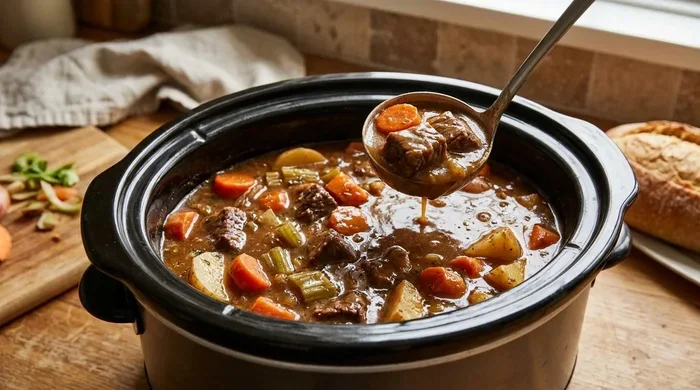
Learning how to make beef stew in a Dutch oven is easier than you think. This guide walks you through every step, from picking the right cut of meat to getting that rich, thick broth you love. Whether you are a beginner or a seasoned cook, these beef stew tips will help you create a hearty beef stew that wins everyone over.
There is nothing quite like a warm bowl of beef stew on a cold evening. The rich aroma filling your kitchen, the tender chunks of meat that practically melt in your mouth, and the thick, savory broth that warms you from the inside out. If you have been looking for the best beef stew recipe, you have come to the right place.
This guide will teach you how to make beef stew in a Dutch oven like a real pro. A Dutch oven is the perfect tool for this dish. It holds heat evenly, traps moisture, and creates that deep, complex flavor you cannot get from a regular pot. We will cover everything from choosing your ingredients to the final serving. By the end, you will feel confident enough to make this hearty beef stew every week.
So grab your Dutch oven, pull up a chair, and let us get cooking. This is going to be a fun and rewarding experience.
Key Takeaways
- Choose the right cut: Using tough, collagen-rich stew meat gives you that fall-apart texture every time.
- Sear before stewing: Caramelizing the beef adds deep flavor and color to your Dutch oven beef stew.
- Low and slow is key: Slow cooked stew tastes better because the flavors have time to meld together.
- Don’t skip the aromatics: Onions, garlic, and fresh herbs make a big difference in your one pot stew.
- Thicken naturally: Use a flour coating or a simple slurry to get a perfectly thick beef stew.
- Practice makes perfect: Once you master these beef stew steps, you can customize the recipe endlessly.
📑 Table of Contents
- Why A Dutch Oven Is Perfect For Beef Stew
- What You Will Need: Ingredients And Tools
- Step-By-Step Instructions For Making Beef Stew
- Tips For Getting The Perfect Texture And Flavor
- Common Mistakes To Avoid
- Variations And Serving Ideas
- How To Store And Reheat Your Beef Stew
- Final Thoughts On Dutch Oven Beef Stew
Why A Dutch Oven Is Perfect For Beef Stew
A Dutch oven is not just another pot. It is a kitchen workhorse that has been around for centuries. When it comes to oven stew and stovetop cooking, nothing beats it. The heavy lid and thick walls create a sealed environment that keeps all the moisture locked inside. This is exactly what braised beef needs to become tender and juicy.
Even Heat Distribution
One of the biggest advantages of Dutch oven cooking is the heat distribution. Thin pots create hot spots that can burn your food. A Dutch oven spreads the heat evenly across the entire surface. This means your stew meat cooks consistently from all sides. You do not need to stir constantly or worry about uneven browning.
Versatility And Durability
Most Dutch ovens are made from cast iron or enameled cast iron. These materials last for decades if you take care of them. You can use them on the stovetop, in the oven, or even over a campfire. A cast iron Dutch oven is a long-term investment that will serve your family for generations. It also goes straight from the stove to the table, which makes serving easy and elegant.
The Science Behind Low And Slow Cooking
When you cook beef stew low and slow, something magical happens. The collagen in tough cuts of meat breaks down into gelatin. This is what gives your stew that silky, rich texture. High heat would toughen the meat, but gentle heat over several hours transforms it completely. This is why a Dutch oven is ideal for slow cooked stew. It maintains a steady, even temperature that other pots simply cannot match.
What You Will Need: Ingredients And Tools
Before you start, make sure you have everything ready. Having all your ingredients measured and prepped is one of the most important beef stew tips you will ever get. It saves time and keeps the cooking process smooth and enjoyable.
Ingredients For A Classic Beef Stew
Here is what you will need for a delicious one pot stew that feeds a family:
- 2 pounds of stew meat: Look for chuck roast or bottom round. These cuts are full of connective tissue, which is exactly what you want.
- 2 tablespoons of olive oil or butter: For searing the beef and building your base flavor.
- 1 large onion, diced: This adds sweetness and depth to your beef stew vegetables.
- 3-4 cloves of garlic, minced: Fresh garlic makes a huge difference compared to powdered.
- 4 cups of beef broth: Use good quality broth for the best flavor in your oven stew.
- 2 large potatoes, cubed: Yukon gold potatoes work great because they hold their shape.
- 3 carrots, sliced: Adds natural sweetness and color to the stew.
- 2 stalks of celery, chopped: This is a classic stew vegetable that adds a subtle earthy flavor.
- 1 cup of frozen peas: Add these near the end for a pop of color and nutrition.
- 2 tablespoons of tomato paste: This deepens the flavor and adds a rich umami note.
- 1 tablespoon of flour: Used to thicken the stew and coat the meat before searing.
- Stew seasoning: Salt, pepper, thyme, rosemary, and a bay leaf create a beautiful aromatic base.
Tools You Will Need
You do not need a lot of equipment for this recipe. A 5- to 7-quart Dutch oven is the star of the show. You will also need a cutting board, a sharp knife, a wooden spoon, and measuring cups. That is it. Keep it simple and let the Dutch oven do the heavy lifting.
Step-By-Step Instructions For Making Beef Stew
Now for the part you have been waiting for. Here are the beef stew steps that will lead you to a perfect pot of comfort food stew every single time. Follow along and you will have a restaurant-quality meal on your table in about three hours.
Step 1: Prep Your Meat
Start by patting your stew meat dry with paper towels. This is a crucial step many people skip. Dry meat browns much better than wet meat. Season the beef generously with salt, pepper, and your favorite stew seasoning. Then dust each piece lightly with flour. The flour coating helps create a beautiful crust when you sear the beef.
Step 2: Sear The Beef
Heat your Dutch oven over medium-high heat. Add the olive oil and let it get hot. Place the beef pieces in the pot in a single layer. Do not crowd the pot. You want each piece to make full contact with the hot surface. Let the beef sear for about 3 minutes on each side until you get a deep brown crust. This process is called caramelizing, and it builds incredible flavor in your braised beef. Remove the beef and set it aside on a plate.
Step 3: Build The Base
Lower the heat to medium. Add the diced onion to the same pot. Stir it around and scrape up all those beautiful brown bits stuck to the bottom. These bits are called fond, and they are packed with flavor. Cook the onion for about 4 minutes until it softens. Then add the garlic and cook for another minute until it smells amazing.
Stir in the tomato paste and cook for 2 minutes. This concentrates the flavor and adds a rich, deep color to your stew.
Step 4: Add The Liquids And Return The Beef
Pour in the beef broth and stir well. Use a wooden spoon to scrape up any remaining fond from the bottom of the pot. Return the seared beef to the Dutch oven. Add the bay leaf and bring everything to a gentle boil.
Step 5: Slow Cook Your Stew
Once it reaches a boil, reduce the heat to low. Cover the Dutch oven with its lid. You have two options here. You can keep it on the stovetop at a very low simmer for about 2.5 to 3 hours. Or you can transfer the covered Dutch oven to an oven preheated to 300 degrees Fahrenheit for the same amount of time. Both methods work beautifully for low and slow cooking. The choice depends on your preference.
After about 1.5 hours, add the potatoes and carrots to the pot. These vegetables need less time to cook than the beef, so adding them later prevents them from turning to mush. Continue cooking for another hour until the beef is completely tender and the vegetables are soft.
Step 6: Add The Final Ingredients
In the last 10 minutes of cooking, stir in the celery and frozen peas. Remove the bay leaf. Taste the stew and adjust the seasoning with more salt and pepper if needed. If you prefer a thicker stew, mix two tablespoons of flour with a quarter cup of cold water and stir it in. Let it simmer for 5-10 minutes until the broth thickens to your liking.
Step 7: Serve And Enjoy
Ladle the stew into warm bowls. This hearty beef stew tastes even better the next day, so do not hesitate to make extra. Serve it with crusty bread or over a bed of egg noodles for a complete meal that everyone will love.
Tips For Getting The Perfect Texture And Flavor
Making a great beef stew is about more than just following a recipe. These beef stew tips will take your Dutch oven beef stew from good to absolutely outstanding.
Choose The Right Cut Of Meat
The secret to tender, fall-apart beef is choosing the right cut. Chuck roast is the gold standard for stew meat. It has just the right amount of fat and connective tissue. Avoid lean cuts like sirloin. They will become dry and tough during long cooking times. Ask your butcher for a cut specifically labeled stew meat if you are unsure.
Do Not Rush The Searing Process
Patience is key when searing your beef. If you crowd the pot, the meat will steam instead of brown. Brown the beef in batches if necessary. Those golden-brown bits on the meat are flavor gold. Rushing this step means sacrificing depth of flavor in your final dish.
Use Real Beef Broth
Water and bouillon cubes are fine in a pinch, but real beef broth makes a noticeable difference. It adds richness and body to your slow cooked stew. If you have homemade broth, even better. The quality of your liquid directly impacts the quality of your final dish.
Let It Rest Overnight
Here is a pro secret: most hearty beef stew recipes taste better the next day. The flavors have time to develop and meld together overnight in the refrigerator. Simply cool the stew, store it in the fridge, and reheat it gently the next day. You will notice a big improvement in depth and richness.
Season In Layers
Do not add all your seasoning at once. Season the meat before searing. Add salt and pepper when you build the base. Adjust the final seasoning at the end. Layering your seasoning creates a more complex and balanced flavor profile in your one pot stew.
Common Mistakes To Avoid
Even experienced cooks make mistakes with beef stew. Knowing what to avoid will save you time and frustration.
Using The Wrong Cut Of Meat
This is the number one mistake people make. Using lean, tender cuts like filet mignon or sirloin will result in dry, chewy meat. Stew meat needs to be tough and full of collagen. The long cooking time breaks this down into something incredibly tender and delicious.
Overcrowding The Pot
When you put too much meat in the Dutch oven at once, the temperature drops. The meat releases moisture instead of searing. You end up with boiled beef instead of caramelized beef. Give each piece enough space to brown properly.
Adding Vegetables Too Early
Root vegetables like potatoes and carrots need less cooking time than beef. If you add them at the beginning, they will turn to mush by the time the meat is done. Add them about an hour before the stew is finished.
Skipping The Sear
Some people skip searing to save time. Do not do this. Searing is where a huge amount of flavor is created. The Maillard reaction between the proteins and sugars in the meat produces hundreds of new flavor compounds. Skipping this step leaves your stew tasting flat and one-dimensional.
Lifting The Lid Too Often
Every time you lift the lid, you lose heat and moisture. This extends the cooking time and can result in tougher meat. Trust the process. Keep the lid on and let the Dutch oven work its magic. Check on the stew only when the recipe tells you to.
Variations And Serving Ideas
Once you have mastered the classic recipe, you can get creative. A great beef stew recipe should be flexible and adaptable to your tastes.
Add Different Vegetables
Try adding parsnips, turnips, or sweet potatoes for a twist. Mushrooms are a fantastic addition that add an earthy depth. You can also throw in some butternut squash for a slightly sweet, creamy element. The beauty of a one pot stew is that you can use whatever vegetables you have on hand.
Experiment With Different Liquids
Replace half the beef broth with red wine for a richer, more complex flavor. A splash of Worcestershire sauce or soy sauce adds umami depth. Some cooks even add a splash of beer for a unique twist on their Dutch oven beef stew.
Serving Suggestions
Serve your beef stew in the Dutch oven right at the table for a rustic, family-style meal. Crusty sourdough bread is perfect for soaking up every last drop of broth. Egg noodles, rice, or even creamy polenta all make excellent bases. For a lighter option, serve it over a bed of egg noodles with a side of crusty bread.
How To Store And Reheat Your Beef Stew
This hearty beef stew stores beautifully. Let the stew cool completely before transferring it to airtight containers. It will keep in the refrigerator for up to 4 days. For longer storage, freeze individual portions in freezer-safe containers for up to 3 months.
To reheat, warm the stew gently on the stovetop over low heat. Stir occasionally to prevent sticking. Avoid reheating at high heat, as this can cause the broth to separate and the vegetables to break down. If the stew has thickened too much in the fridge, simply add a splash of beef broth and stir until it reaches your desired consistency.
The flavors continue to develop even after cooking, which is why this comfort food stew always tastes better on day two. Make a big batch and enjoy it throughout the week.
Final Thoughts On Dutch Oven Beef Stew
Learning how to make beef stew in a Dutch oven is one of the most rewarding cooking skills you can develop. It is simple, forgiving, and produces incredible results every time. The combination of low and slow cooking, caramelized beef, and perfectly tender vegetables creates a meal that nourishes both body and soul.
Remember, the best beef stew recipe is the one you make with love and patience. Do not be afraid to experiment with different vegetables, seasonings, and liquids. Once you understand the basic beef stew steps, the possibilities are endless. Your cast iron Dutch oven will become your favorite tool in the kitchen, and this one pot stew will become a go-to meal for your family.
So the next time the weather turns cold or you just need a comforting meal, pull out your Dutch oven and make a batch. You will be glad you did. Happy cooking!
Frequently Asked Questions
Can I Use A Different Type Of Pot Instead Of A Dutch Oven?
You can, but the results will be different. A Dutch oven is specifically designed to retain and distribute heat evenly, which is essential for braised beef and slow cooked stew. Other pots may not seal in moisture as well, and you may end up with less flavorful results. If you do not have a Dutch oven, use the heaviest pot you have with a tight-fitting lid.
What Is The Best Cut Of Beef For Stew?
Chuck roast is widely considered the best cut for beef stew. It has the perfect balance of fat and connective tissue that breaks down during long cooking, giving you tender, fall-apart pieces. Bottom round and brisket also work well. Avoid lean cuts like sirloin, as they can become tough and dry during the cooking process.
Can I Make Beef Stew In A Slow Cooker Instead?
Yes, you absolutely can. The process is similar, but a slow cooker does not sear meat as effectively as a Dutch oven. For the best flavor, sear the beef on the stovetop first and then transfer it to the slow cooker. This gives you the best of both worlds: a deep, caramelized flavor with the convenience of set-it-and-forget-it cooking.
How Long Does Beef Stew Last In The Fridge?
Properly stored beef stew keeps in the refrigerator for up to 4 days. Let the stew cool to room temperature before putting it in the fridge. Store it in airtight containers to prevent it from absorbing other fridge odors. The stew actually tastes better on the second day as the flavors continue to develop overnight.
Can I Freeze Beef Stew?
Yes, beef stew freezes very well. Cool the stew completely, then portion it into freezer-safe containers, leaving some space at the top for expansion. It will keep in the freezer for up to 3 months. When ready to eat, thaw it overnight in the refrigerator and reheat gently on the stovetop. Add a little extra broth if the stew has thickened too much after freezing.
Why Is My Beef Stew Too Thin?
A thin stew usually means there is too much liquid or the meat released too much water during cooking. To fix this, remove the meat and vegetables and simmer the broth on the stovetop until it reduces to your desired thickness. You can also mix a tablespoon of flour with a little cold water and stir it in to thicken the broth naturally. Next time, try using less broth or cooking the stew uncovered for the last 30 minutes to let excess moisture evaporate.
=== CONCLUSION ===
Making beef stew in a Dutch oven is one of the most satisfying things you can do in the kitchen. It is simple, affordable, and produces a meal that brings everyone to the table. From choosing the right stew meat to mastering the sear and letting the stew cook low and slow, every step matters.
With the beef stew tips and techniques shared in this guide, you are now equipped to create a hearty beef stew that rivals any restaurant. Use this beef stew recipe as your starting point and make it your own. Add your favorite vegetables, experiment with different seasonings, and enjoy the process. A perfect Dutch oven beef stew is not just about the food. It is about the warmth, the comfort, and the joy of sharing a homemade meal with the people you love.