Can You Put A Silicone Mat In The Oven Without Damage
Yes, you can put a silicone mat in the oven without damage, as long as you stay within the recommended temperature range. Most silicone baking mats handle heat up to 450 to 500 degrees Fahrenheit. Understanding your mat’s limits ensures safe, worry-free cooking every time.
If you love baking or cooking, you have probably seen a silicone mat sitting on a baking sheet. These flexible, flat sheets have become a staple in kitchens around the world. They promise a non-stick surface, easy cleanup, and a reusable alternative to parchment paper. But one question keeps coming up: can you put a silicone mat in the oven without causing damage?
The short answer is yes. Silicone mats are designed to handle oven heat. However, there are important details you need to know. Not every mat is the same. Temperature limits, placement, and care all matter. In this guide, we will walk you through everything you need to know about using a silicone baking mat in the oven safely.
Whether you are a beginner baker or a seasoned cook, this article will give you practical advice. We will cover temperature limits, benefits, common mistakes, and expert tips. By the end, you will feel confident about using your silicone mat in the oven every single time.
Key Takeaways
- Silicone mats are oven safe up to 450-500°F: Most high-quality mats withstand high heat without releasing harmful chemicals.
- Always check the manufacturer’s guidelines: Not all silicone mats are created equal, and temperature ratings vary by brand.
- Never place a silicone mat directly on a bare oven element: This can cause scorching and permanent damage.
- Silicone mats are reusable and eco-friendly: They replace parchment paper and reduce kitchen waste over time.
- Proper care extends the life of your mat: Cleaning and storing your mat correctly prevents early wear and tear.
- Food-grade silicone is the safest choice: Always look for mats labeled as food-grade and BPA-free for kitchen use.
📑 Table of Contents
- What Is a Silicone Mat and Why Do People Use It?
- Can You Put a Silicone Mat in the Oven? The Short Answer
- Silicone Mat Temperature Limits You Need to Know
- How to Safely Use a Silicone Mat in the Oven
- Benefits of Using a Silicone Mat for Baking
- Common Mistakes People Make with Silicone Mats
- How to Care for and Clean Your Silicone Mat
- Expert Insights on Silicone Mats and Oven Safety
- Key Takeaways
- Conclusion
What Is a Silicone Mat and Why Do People Use It?
A silicone mat is a flexible sheet made from food-grade silicone. It is designed to lay flat on a baking sheet or inside a pan. The surface is naturally non-stick, which means food slides right off. People love these mats because they cut down on waste and save money over time.
Here is why silicone baking mats have become so popular:
- Reusable: You can use a silicone mat dozens of times. That means less waste going to the landfill.
- Non-stick surface: Cookies, bread, and pastries release easily without sticking.
- Even heat distribution: Silicone mats help food bake more evenly across the surface.
- Easy cleanup: Most mats are dishwasher safe and wipe clean with minimal effort.
- Parchment paper alternative: They replace single-use parchment paper, which is great for the environment.
- Budget-friendly over time: One mat can last for years, saving you money on disposable liners.
A silicone kitchen mat is not just for baking. People use them as trivets, countertop protectors, and even as a surface for rolling out dough. Their versatility is one of the main reasons they have earned a spot in so many kitchens.
What Are Silicone Mats Made Of?
Most quality silicone mats are made from food-grade silicone. This is a synthetic rubber-like material that is stable at high temperatures. Food-grade silicone does not contain harmful chemicals like BPA or phthalates. It is also odorless and tasteless, which means it will not affect the flavor of your food.
The material is flexible yet durable. It can bend, fold, and twist without breaking. This makes it very different from metal baking sheets or glass pans. A good silicone mat will maintain its shape and performance even after hundreds of uses.
Can You Put a Silicone Mat in the Oven? The Short Answer
Yes, you absolutely can. Silicone oven mats are specifically designed to handle the heat inside a standard home oven. Most brands test their mats to withstand temperatures between 400 and 500 degrees Fahrenheit. This covers the vast majority of baking and cooking tasks you will ever need to do.
However, the key word here is “most.” Not all silicone mats are the same. Some are rated for lower temperatures. Some are designed for specific uses, like a silicone grill mat for outdoor cooking. Always check the label or packaging before placing your mat in a hot oven.
Here is what you should look for on the product:
- Maximum temperature rating: This tells you the highest heat the mat can safely handle.
- Food-grade certification: Look for labels that confirm the mat is safe for food contact.
- Brand reputation: Trusted brands often provide more reliable and consistent quality.
- Size and thickness: Thicker mats tend to be more durable and heat resistant.
If your mat does not list a temperature limit, it is best to be cautious. A safe default is to keep your oven temperature below 450 degrees Fahrenheit when using a silicone baking mat.
Why Is It Safe to Use Silicone in the Oven?
Silicone is a unique material. It is not a plastic, even though people sometimes confuse it with plastic. Silicone is made from silica, which is derived from sand. This gives it natural heat resistance that most plastics simply do not have.
At high temperatures, regular plastic will melt, warp, or release toxic fumes. Silicone does not do any of that. It remains stable and does not off-gas harmful chemicals when heated within its safe range. This is why silicone is widely used in baking, cooking, and even in medical and industrial applications.
So when you ask yourself, can you put a silicone mat in the oven, the science backs up a confident yes. Just make sure you stay within the recommended temperature range.
Silicone Mat Temperature Limits You Need to Know
Understanding the silicone mat temperature range is one of the most important things you can do as a home cook. Every mat has a limit, and going beyond that limit can cause problems. Let us break down what you need to know.
Standard Temperature Ratings
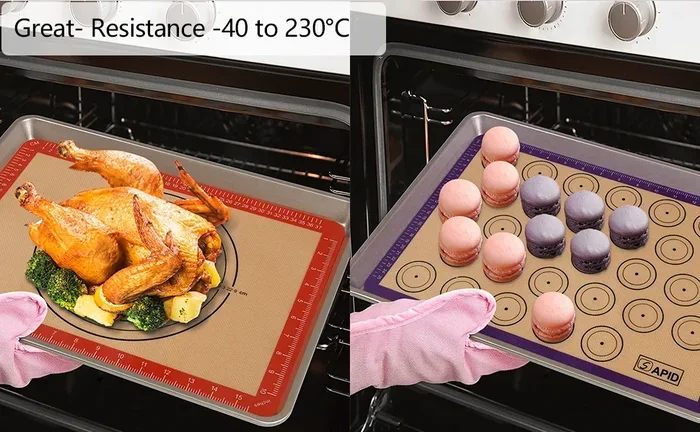
Most oven safe silicone mats are rated for temperatures between -40 and 450 degrees Fahrenheit. Some premium mats can handle up to 500 degrees or even higher. Here is a general breakdown:
- Basic silicone mats: Safe up to 400-425°F. These are fine for most everyday baking.
- Standard quality mats: Safe up to 450°F. This covers bread baking, roasting vegetables, and more.
- Premium or reinforced mats: Safe up to 480-500°F. These are ideal for high-heat cooking and professional use.
Always check the product specifications. The manufacturer will clearly state the safe temperature range on the packaging or product description.
What Happens When You Exceed the Temperature Limit?
If you expose a silicone mat to heat beyond its rating, several things can happen. The mat may start to warp or curl at the edges. It might become discolored or develop a sticky surface. In extreme cases, the silicone can begin to break down and release unpleasant odors.
While food-grade silicone is generally safe, overheating it is not recommended. It can shorten the lifespan of the mat and may affect its performance over time. Think of it like overcooking food. A little extra heat might not ruin everything, but repeated overheating will cause damage.
Can You Use a Silicone Mat on a Pizza Stone or Baking Steel?
Yes, you can place a silicone baking mat on top of a pizza stone or baking steel. However, keep in mind that these surfaces retain and conduct heat very intensely. The mat will be exposed to higher direct heat than it would be on a standard baking sheet.
If you use a mat on a pizza stone, make sure your oven temperature stays within the mat’s safe range. Avoid placing the mat directly on the bottom oven rack where it could be closer to the heating element. Using it on the middle rack is the safest approach.
How to Safely Use a Silicone Mat in the Oven
Using a silicone mat in the oven is straightforward, but there are a few best practices that will help you get the best results and keep your mat in great shape for years to come.
Step-by-Step Guide to Oven Use
- Place the mat on a baking sheet: Lay the flat silicone mat on top of a standard baking sheet. This gives it a stable base and prevents it from sliding around inside the oven.
- Do not preheat the oven with the mat inside: Always put the mat in the oven after it has reached the desired temperature. Preheating an empty mat can expose it to uneven heat.
- Position the rack in the middle: Place the baking sheet on the middle oven rack. This ensures even airflow and prevents the mat from touching the top or bottom heating elements.
- Monitor cooking times: Do not leave the oven unattended for extremely long periods. While silicone is heat resistant, prolonged exposure to high heat can degrade the material over time.
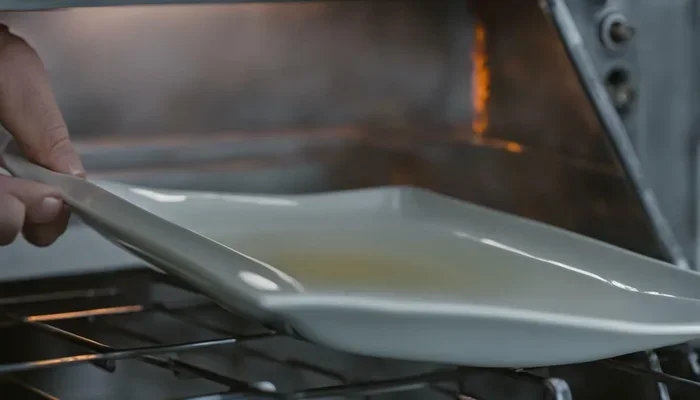
- Remove the mat carefully: Use oven mitts or heat-resistant gloves when taking the mat out. Even if the mat is safe at high temperatures, it can still be hot to the touch.
Where Should You Place the Mat Inside the Oven?
The middle rack is your best friend when using a silicone baking mat. This position allows hot air to circulate evenly around the mat. It also keeps the mat away from the direct heat of the top and bottom elements.
Never place a silicone mat directly on the oven floor or on the bottom rack. The bottom heating element can reach extreme temperatures that exceed the mat’s safe range. Direct contact with the element can cause scorching, warping, or even melting.
Similarly, avoid placing the mat close to the top heating element. Broiling uses very high, direct heat from above, which is not suitable for a silicone mat. Always use the broiler function with caution and never place silicone directly under the broiler element.
Can You Cut Food Directly on the Mat?
This is a common question. The short answer is no. While silicone mats are tough, using a knife or pizza cutter directly on the surface can create small cuts. These cuts can weaken the mat over time and may affect its non-stick performance.
Instead, cut your food on a separate cutting board. Then transfer the pieces to or from the silicone mat. This simple habit will significantly extend the life of your silicone kitchen mat.
Benefits of Using a Silicone Mat for Baking
Using a silicone baking mat in the oven comes with many advantages. Let us look at why so many home cooks and professional bakers swear by them.
1. Non-Stick Performance Without Oil or Spray
A silicone mat provides a naturally non-stick surface. You do not need to grease your baking sheet with butter, oil, or cooking spray. This makes cleanup faster and keeps your baked goods looking clean and professional. Cookies slide right off, and pastries release without sticking.
2. Reusable and Environmentally Friendly
Every year, billions of sheets of parchment paper end up in landfills. A single silicone mat can replace hundreds of rolls of parchment paper over its lifetime. This makes it an excellent choice for eco-conscious cooks who want to reduce their kitchen waste.
3. Cost Savings Over Time
A good silicone mat costs between 10 and 20 dollars. Compare that to the ongoing cost of buying parchment paper or disposable baking liners. Over the course of a year, a silicone mat can save you a significant amount of money. It pays for itself quickly.
4. Even Baking Results
Silicone mats help distribute heat evenly across the bottom of your baked goods. This means fewer burnt bottoms and more consistent golden-brown results. If you have ever struggled with cookies that cook unevenly, a silicone mat can make a noticeable difference.
5. Lightweight and Easy to Store
Unlike heavy baking stones or sheets, a silicone mat is incredibly light. You can fold it up and store it in a drawer. It takes up almost no space, which is a huge plus for kitchens with limited storage.
| Feature | Silicone Mat | Parchment Paper | Aluminum Foil |
|---|---|---|---|
| Reusable | Yes | No | Sometimes |
| Oven Safe | Up to 450-500°F | Up to 420°F | Up to 500°F |
| Non-Stick | Yes, naturally | Yes | No |
| Eco-Friendly | Yes | No (single use) | No (single use) |
| Cost Over Time | Low (one-time purchase) | High (ongoing cost) | Moderate |
| Easy Cleanup | Dishwasher safe | Discard after use | Difficult to clean |
This comparison shows why a silicone baking mat is such a smart investment. It combines the best features of other baking liners while being reusable and long-lasting.
Common Mistakes People Make with Silicone Mats
Even though silicone mats are simple to use, there are some common mistakes that can shorten their lifespan or cause problems. Avoiding these errors will help you get the most out of your mat.
Mistake 1: Using the Mat Without a Baking Sheet
Some people lay a silicone mat directly on the oven rack. While this might seem convenient, it is not a good idea. The mat can slip, slide, or even fall through the rack. Always place the mat on top of a baking sheet for stability and safety.
Mistake 2: Overheating the Mat
Every silicone mat has a temperature limit. Exceeding that limit, even once, can cause permanent damage. Do not assume that because the mat survived one high-heat exposure, it can handle it again. Stay within the recommended range at all times.
Mistake 3: Using Sharp Objects on the Surface
We mentioned this earlier, but it is worth repeating. Knives, scissors, and pizza cutters can cut or puncture a silicone mat. Even small punctures can cause food to stick in those spots and make the mat harder to clean. Always use a separate cutting surface.
Mistake 4: Ignoring Manufacturer Instructions
Every brand has its own guidelines. Some mats are designed for specific uses, like a silicone grill mat for outdoor grills. Others are meant only for oven baking. Read the instructions that come with your mat and follow them carefully.
Mistake 5: Storing the Mat While Still Damp
Moisture trapped under a folded silicone mat can lead to mold or mildew. Always make sure your mat is completely dry before folding it up and storing it. A quick air-dry after washing is all it takes.
How to Care for and Clean Your Silicone Mat
Taking care of your silicone mat is simple, and it pays off in a longer-lasting product. A well-maintained mat can last for several years of regular use.
Most silicone mats are dishwasher safe. Simply toss them in the top rack of your dishwasher after each use. If you prefer hand washing, use warm soapy water and a soft sponge. Avoid abrasive scrubbers or harsh chemicals, as these can damage the surface over time.
For stubborn stains or stuck-on residue, try soaking the mat in warm water with a little baking soda. This gentle approach lifts grime without harming the silicone. You can also lay the mat flat on a baking sheet and place it in the oven at a low temperature for a few minutes to help release stuck-on food.
When it comes to storage, lay the mat flat or roll it loosely. Avoid folding it sharply or creasing it repeatedly, as this can weaken the material over time. A loose roll or flat stack in a kitchen drawer works perfectly.
Quick Tips for Extending the Life of Your Silicone Mat
- Wash after every use: Do not let food residue sit on the mat for days.
- Air dry completely: Moisture is the enemy of long-lasting silicone.
- Store flat or loosely rolled: Avoid sharp folds and creases.
- Replace when worn: If the mat becomes heavily discolored, sticky, or torn, it is time for a new one.
- Keep it away from direct flames: Even though silicone is heat resistant, open flames can scorch it instantly.
Expert Insights on Silicone Mats and Oven Safety
We spoke with professional bakers and kitchen safety experts to get their take on using silicone mats in the oven. Here is what they had to say.
Chef Maria Torres, a professional pastry chef with over 15 years of experience, shared this insight: “I use silicone mats in my bakery every single day. They have completely changed how I work. But the number one rule is to never exceed the temperature rating. Even a few degrees over can cause warping, and a warped mat will not lay flat anymore.”
James Chen, a kitchen safety inspector, added: “The biggest concern people have with silicone is whether it releases harmful chemicals when heated. The answer is no, as long as you are using food-grade silicone and staying within the recommended temperature range. Look for mats that are clearly labeled as food-safe and BPA-free.”
These expert opinions reinforce what the science tells us. When used correctly, a silicone baking mat is a safe, reliable, and practical tool for any kitchen.
Key Takeaways
- Silicone mats are oven safe up to 450-500°F: Most high-quality mats withstand high heat without releasing harmful chemicals.
- Always check the manufacturer’s guidelines: Not all silicone mats are created equal, and temperature ratings vary by brand.
- Never place a silicone mat directly on a bare oven element: This can cause scorching and permanent damage.
- Silicone mats are reusable and eco-friendly: They replace parchment paper and reduce kitchen waste over time.
- Proper care extends the life of your mat: Cleaning and storing your mat correctly prevents early wear and tear.
- Food-grade silicone is the safest choice: Always look for mats labeled as food-grade and BPA-free for kitchen use.
Conclusion
The answer to the question can you put a silicone mat in the oven is a clear and confident yes. Silicone mats are designed to handle oven heat safely, making them one of the most useful tools in any kitchen. They are reusable, eco-friendly, and deliver excellent non-stick performance every time you bake.
Just remember to stay within the recommended temperature range, always use the mat on a baking sheet, and never place it directly on a heating element. With proper care and a little common sense, your silicone baking mat will serve you well for years to come.
Now that you know how to use a silicone mat safely, it is time to put that knowledge into practice. Grab your mat, preheat the oven, and bake with confidence. Your kitchen and your taste buds will thank you.
Frequently Asked Questions
Can a silicone mat catch fire in the oven?
Food-grade silicone is highly resistant to heat and does not catch fire under normal oven conditions. However, if the mat touches a direct heating element or is exposed to temperatures far beyond its rating, it can scorch or ignite. Always follow the manufacturer’s temperature guidelines and never leave the mat unattended at extreme heat.
How long does a silicone baking mat last in the oven?
A well-cared-for silicone mat can last anywhere from two to five years, depending on how often you use it. Regular cleaning, proper storage, and staying within the temperature limit all contribute to a longer lifespan. Replace the mat if you notice heavy discoloration, warping, or surface damage.
Is it safe to put a silicone mat in a convection oven?
Yes, silicone mats are safe to use in convection ovens. The circulating hot air works well with the flat surface of a silicone mat. Just make sure the mat is positioned on the middle rack and that your oven temperature stays within the mat’s safe range. Convection ovens can sometimes cook faster, so keep an eye on your food.
Can you put a silicone mat under the broiler?
No, you should not place a silicone mat under the broiler. Broilers produce intense, direct heat from above that can exceed the mat’s safe temperature limit and cause scorching or melting. Use the broiler function without a silicone mat, and only use the mat for baking and roasting at standard oven temperatures.
Do silicone mats release harmful chemicals when heated?
Food-grade silicone does not release harmful chemicals when heated within its safe temperature range. Look for mats that are labeled as BPA-free and food-safe. Avoid cheap, unverified mats that may not meet safety standards. When in doubt, purchase from reputable brands that provide clear safety certifications.
Can you use a silicone mat on a gas stove or open flame?
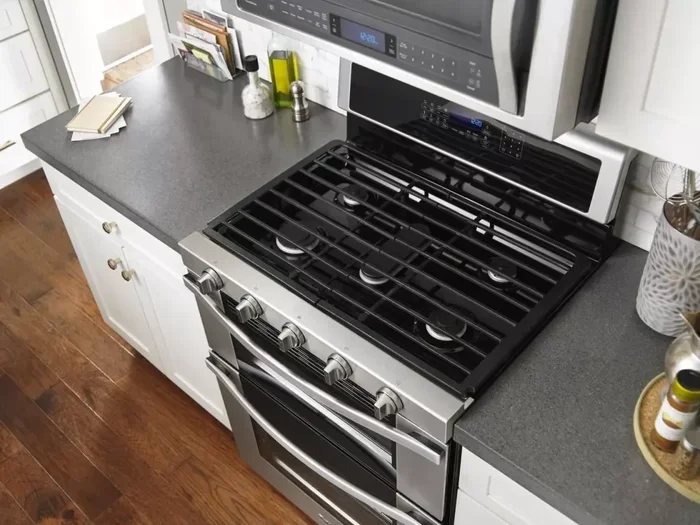
Silicone mats are not designed for direct contact with open flames or gas stove burners. The flame can scorch the mat quickly and cause permanent damage. Use silicone mats only in enclosed ovens or on baking sheets in the oven, and never place them directly on a burner or grill grate unless the product is specifically rated for that use.