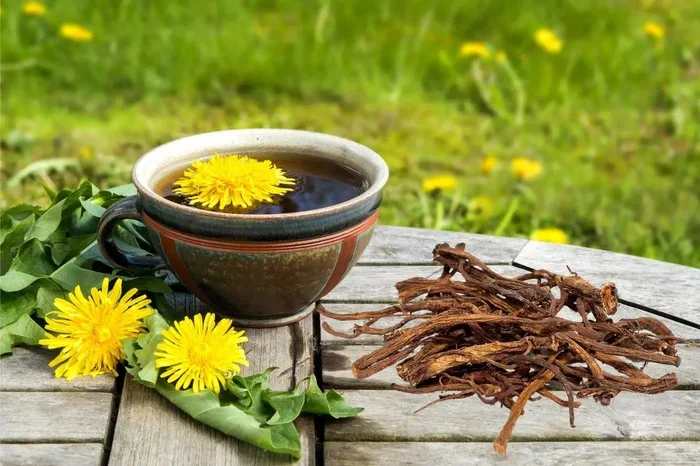
How To Roast Dandelion Root For Tea In Oven At Home
Roasting dandelion root for tea in your oven is simple, affordable, and incredibly rewarding. This guide walks you through every step of roasting dandelion root for tea from start to finish. You will learn how to prepare, roast, grind, and brew homemade dandelion root tea that tastes rich and earthy. Whether you want a caffeine-free coffee substitute or a detox herbal brew, this method delivers fantastic results every time.
There is something deeply satisfying about turning a common backyard weed into a warm, comforting cup of tea. How To Roast Dandelion Root For Tea In Oven is a skill that anyone can learn. It does not require fancy equipment or years of experience. All you need is a fresh dandelion root, a standard oven, and a little patience.
Dandelion root tea has been enjoyed for centuries across many cultures. People love it for its rich, earthy flavor that closely resembles coffee. Best of all, it is completely caffeine-free. Whether you are looking for a healthier drink option, a natural remedy, or a fun foraging project, roasting dandelion root for tea in oven is the way to go. This guide covers everything you need to know.
By the end of this article, you will feel confident enough to roast your own dandelion root at home. You will understand the best temperatures, timing, and preparation methods. You will also learn how to brew the perfect cup and store your roasted root properly. Let us dive into the world of homemade dandelion root tea and discover why so many people are making the switch.
Key Takeaways
- Easy Oven Method: Roasting dandelion root in the oven requires minimal equipment and basic kitchen skills.
- Customizable Roast Level: You can control the darkness and flavor by adjusting time and temperature.
- Health Benefits: Dandelion root tea supports digestion, liver health, and acts as a natural caffeine-free alternative.
- Cost-Effective: Making your own roasted dandelion root tea saves money compared to store-bought versions.
- Proper Storage Matters: Storing roasted root correctly keeps it fresh for weeks of enjoyment.
- Multiple Uses: Roasted dandelion root works as tea, coffee substitute, and herbal blend base.
📑 Table of Contents
Why Roast Dandelion Root for Tea?
Dandelion root offers a unique flavor profile that sets it apart from most herbal teas. When you roast dandelion root, the natural sugars caramelize. This creates a deep, smoky, slightly bitter taste that many people compare to dark roast coffee. The roasting process also unlocks beneficial compounds found naturally in the root.
Store-bought dandelion root tea can be expensive. A small bag often costs five to ten dollars. When you roast your own dandelion root for tea, the cost drops dramatically. A single dandelion plant can yield enough root for multiple batches. You also gain full control over the roast level and flavor.
Many people choose oven roasted dandelion root because it is the most consistent method. An oven provides even heat distribution. This means every piece of root roasts uniformly. You avoid the hot spots and uneven results that can come with stovetop or skillet methods. For beginners, the oven method is the most forgiving and easiest to master.
The Flavor Difference
Raw dandelion root tastes bitter and woody. The roasting process transforms it completely. Light roasts keep more of the natural earthy sweetness. Medium roasts develop a balanced flavor with mild caramel notes. Dark roasts bring out bold, smoky characteristics that mimic coffee remarkably well. Your personal preference should guide how dark you roast the root.
What You Will Need to Get Started
Gathering your supplies before you start makes the whole process smoother. You do not need anything exotic or expensive. Here is a simple list of everything required for roasting dandelion root for tea in oven.
- Fresh dandelion roots — harvested from clean, pesticide-free areas
- A vegetable brush or old toothbrush — for thorough cleaning
- A sharp knife and cutting board — for chopping the roots
- A baking sheet — preferably with a parchment paper lining
- An oven — your standard kitchen oven works perfectly
- A cooling rack or plate — for cooling the roasted root
- A coffee grinder or mortar and pestle — for grinding the roasted root
- An airtight container — for storing your finished product
Sourcing Dandelion Roots
You can forage dandelion roots from your yard or a trusted park. Make sure the area has not been treated with herbicides or pesticides. The best time to harvest is in late fall or early spring. The roots are largest and most flavorful during these seasons. Look for plants growing in moist, sunny areas with deep, healthy roots.
If foraging is not an option, you can buy fresh dandelion root from health food stores or online suppliers. Organic roots are always the best choice. They are free from chemical treatments and often higher in quality. When buying online, look for suppliers who specialize in foraged herbal ingredients and organic root vegetables.
Step-by-Step: How To Roast Dandelion Root For Tea In Oven
This is the heart of the process. Follow these steps carefully, and you will produce excellent oven roasted dandelion root every single time. The process is straightforward but does require some attention to detail.
Step One: Harvest and Clean the Roots
Start by pulling the dandelion roots from the ground. Use a garden fork or trowel to loosen the soil around the plant. Gently pull upward, trying to keep the root intact. Shake off excess dirt and then rinse the roots under cold running water.
Use your vegetable brush to scrub away any remaining soil. Pay special attention to the tiny root hairs. These can hold a lot of dirt. Once the roots look clean, pat them dry with a towel. It is important to remove as much moisture as possible before roasting.
Next, trim off any green parts or damaged sections. The green tops can add an overly bitter taste. Focus on the pale yellow and tan-colored root sections. Cut the roots into small, even pieces about one quarter to one half inch thick. Uniform size ensures even roasting.
Step Two: Dry the Root Pieces
Drying the roots before roasting is a step many people skip. Do not skip it. Moisture is the enemy of a good roast. Wet roots will steam instead of roast, leading to uneven results and a less flavorful final product.
Spread the cleaned root pieces on a clean towel. Let them air dry for two to four hours. You can also place them on a baking sheet and put them in the oven at its lowest setting for fifteen to twenty minutes. The goal is to remove surface moisture without actually cooking the root.
Another option is to use a food dehydrator if you have one. Spread the pieces on the dehydrator trays and dry at 125 degrees Fahrenheit for four to six hours. The roots should feel completely dry and snap easily when bent. This dandelion root preparation step makes a noticeable difference in the final flavor.
Step Three: Preheat Your Oven
Set your oven to 350 degrees Fahrenheit. This is the sweet spot for roasting dandelion root for tea. It is hot enough to caramelize the natural sugars but not so hot that the root burns quickly. If your oven runs hot, consider setting it to 325 degrees instead.
While the oven preheats, line your baking sheet with parchment paper. This prevents sticking and makes cleanup much easier. You can also use a silicone baking mat as an alternative. Arrange the dried root pieces in a single layer on the sheet. Do not overlap or stack them. Air needs to flow around each piece for even roasting.
Step Four: Roast the Dandelion Root
Place the baking sheet in the center of your oven. Set a timer for twenty minutes. This is the starting point for oven roasted dandelion root. After twenty minutes, open the oven and check the roots.
You are looking for roots that have darkened slightly and developed a toasted aroma. Use a spatula to flip or stir the pieces. This ensures all sides get equal exposure to the heat. Return the sheet to the oven for another ten to fifteen minutes.
Total roasting time typically ranges from thirty to forty-five minutes. The exact time depends on your oven, the size of your root pieces, and your desired roast level. Check the roots every ten minutes after the first half hour to prevent burning.
For a light roast, aim for a golden brown color and a mild, slightly sweet aroma. For a medium roast, go for a medium brown with a richer, nuttier scent. For a dark roast, push toward a deep brown or even dark amber. Dark roasts will be more bitter and bold, much like dark roast coffee.
Step Five: Cool and Grind the Roasted Root
Remove the baking sheet from the oven once the roots reach your preferred roast level. Spread them out on a cooling rack or a clean plate. Let them cool completely at room temperature. This usually takes about thirty to forty-five minutes.
Do not grind the roots while they are still warm. Heat can cause the grounds to clump together and lose flavor. Once fully cooled, transfer the roasted roots to your coffee grinder. Pulse the grinder several times until you achieve a coarse to medium grind.
If you do not have a coffee grinder, a mortar and pestle works well too. It takes more effort but produces a satisfying result. The grind size matters for brewing. A coarse grind works best for French press style brewing. A medium grind suits drip coffee makers and regular tea strainers.
Step Six: Store Your Roasted Dandelion Root
Proper storage keeps your roasted dandelion root fresh for weeks. Place the ground root in an airtight container. A glass jar with a tight-sealing lid works great. Store it in a cool, dark, and dry place away from direct sunlight.
Avoid storing roasted root in the refrigerator. Moisture from the fridge can degrade the flavor quickly. When stored correctly, your homemade dandelion root tea ingredients will stay fresh for up to three weeks. For longer storage, you can freeze the roasted root in sealed bags for up to three months.
Tips for Perfect Roasted Dandelion Root
Even with a straightforward process like this, a few pro tips can elevate your results significantly. These tips come from experience and will help you avoid common pitfalls.
- Start with young roots: Younger dandelion roots are less woody and tender. They roast more evenly and taste smoother than old, thick roots.
- Cut pieces uniformly: Consistent size means consistent roasting. Take the extra time to cut all pieces to a similar thickness.
- Use low and slow for beginners: If you are unsure, start at 325 degrees and roast longer. This reduces the risk of burning.
- Trust your nose: The aroma changes as the root roasts. A sweet, toasty smell means you are on the right track. A sharp, acrid smell means it is getting too dark.
- Do not overcrowd the pan: Give each root piece space. Overcrowding traps steam and creates uneven roasting.
- Experiment with roast levels: Try roasting small batches at different times to find your perfect flavor profile.
Quick Tips for Oven Temperature Adjustments
Every oven is different. Some run hotter than others. If you find your roots burning quickly, lower the temperature by twenty-five degrees and extend the roasting time. Conversely, if the roots are not browning enough after forty minutes, increase the temperature slightly. Keeping notes of your oven settings and results helps you refine your technique over time.
How to Brew Your Roasted Dandelion Root Tea
Roasting is only half the process. Brewing is where the magic happens. A proper brewing method brings out the best flavors from your roasted dandelion root. Here are the most effective ways to prepare your tea.
Method One: The Simple Steep
This is the easiest method and perfect for beginners. Add one to two teaspoons of ground roasted dandelion root to a tea infuser or strainer. Place it in your mug and pour boiling water over the grounds. Let it steep for five to ten minutes. The longer you steep, the stronger and more bitter the flavor becomes.
Remove the infuser and enjoy your tea as is. You can add honey, cinnamon, or a splash of milk to soften the earthy flavor. Many people enjoy dandelion root tea plain to fully appreciate its natural taste.
Method Two: French Press Brewing
A French press produces a richer, full-bodied cup of dandelion root tea. Add two tablespoons of ground roasted root to the French press. Pour hot water that has just boiled and let it sit for one minute. Stir gently, place the lid on, and let it steep for four minutes. Press the plunger down slowly and pour into your cup.
This method extracts more flavor and beneficial compounds from the roasted root. The result is a brew that feels closer to coffee in body and richness. It is an excellent caffeine-free coffee substitute for those who miss the ritual of a morning cup.
Method Three: Cold Brew
Cold brewing creates a smoother, less bitter version of dandelion root tea. Add two tablespoons of ground roasted root to a jar or pitcher. Fill it with cold filtered water. Stir gently and place it in the refrigerator for eight to twelve hours. Strain the mixture through a fine mesh strainer or cheesecloth.
The resulting cold brew is incredibly smooth and refreshing. It makes a great iced tea option for warm days. You can sweeten it with a touch of honey or add lemon for a citrus twist. Cold brewing reduces the bitterness that some people find off-putting in hot-brewed dandelion root tea.
Health Benefits of Dandelion Root Tea
Beyond its wonderful flavor, dandelion root tea offers a range of health benefits that make it a smart addition to your daily routine. This herbal tea recipe has been used in traditional medicine for centuries.
Digestive Support
Dandelion root is known to support healthy digestion. It acts as a natural mild laxative and can help relieve constipation. The root contains inulin, a type of prebiotic fiber that feeds beneficial gut bacteria. A healthy gut microbiome contributes to better digestion, improved immunity, and even better mood.
Liver Health
Traditional herbalists have long praised dandelion root for its liver-supporting properties. Research suggests that dandelion root may help stimulate bile production and support the liver’s natural detoxification processes. Drinking dandelion root tea regularly may help your liver function more efficiently, especially after periods of poor diet or indulgence.
Natural Diuretic
Dandelion root is a gentle natural diuretic. This means it helps your body eliminate excess water and sodium. Unlike prescription diuretics, dandelion root does not strip potassium from your body. This makes it a gentler option for those looking to reduce bloating or support healthy fluid balance.
Caffeine-Free Energy Boost
One of the biggest draws of roasted dandelion root tea is that it provides a coffee-like experience without caffeine. The roasted flavor satisfies the craving for a warm, bitter morning beverage. Many people report feeling more alert and energized after drinking it, likely due to the combination of warmth, ritual, and natural compounds in the root.
Rich in Antioxidants
Dandelion root contains powerful antioxidants including polyphenols and flavonoids. These compounds help protect your cells from oxidative stress and free radical damage. Regular consumption of antioxidant-rich beverages like dandelion root tea supports overall health and may reduce the risk of chronic diseases.
Common Mistakes to Avoid
Learning from others mistakes saves you time and frustration. Here are the most common errors people make when they first start roasting dandelion root for tea in oven.
- Skipping the drying step: Wet roots steam instead of roast, leading to bland and uneven results.
- Overcrowding the baking sheet: This traps moisture and causes some pieces to burn while others stay underdone.
- Using roots from treated areas: Pesticides and herbicides can be harmful. Always source from clean, untreated areas.
- Roasting at too high a temperature: High heat burns the outside before the inside is properly roasted.
- Grinding while still warm: This causes clumping and can alter the flavor profile negatively.
- Storing in a non-airtight container: Moisture and air degrade the roasted root quickly, reducing flavor and shelf life.
Expert Insight from Herbal Practitioners
Many herbalists recommend starting with a light roast when you first try homemade dandelion root tea. Light roasts preserve more of the root natural sweetness and are less intimidating for new tasters. Once you are comfortable with the process, you can experiment with darker roasts and different brewing methods. The beauty of making your own roasted root beverage is that every batch can be slightly different, and that is part of the fun.
Final Thoughts
How To Roast Dandelion Root For Tea In Oven At Home is a simple yet deeply rewarding practice. You take a humble plant that most people consider a nuisance and transform it into a nourishing, flavorful beverage. The process connects you to nature, saves you money, and gives you complete control over what goes into your cup.
Once you master the basic oven roasting method, you can get creative. Try blending your roasted dandelion root with other herbs like chicory root, burdock root, or cinnamon bark. Each addition creates a unique flavor profile that is entirely your own. The world of dandelion root tea opens up in exciting new directions.
Start small. Roast a few roots this weekend. Brew your first cup and pay attention to the flavor, aroma, and how it makes you feel. You might just discover your new favorite daily ritual. Roasting dandelion root for tea is more than a hobby. It is a journey toward healthier, more intentional living. So preheat your oven, gather your roots, and enjoy the process.
Frequently Asked Questions
Can I use store-bought dandelion root instead of foraging?
Absolutely. Store-bought dandelion root works perfectly for oven roasting. Look for organic roots at health food stores or online. Make sure they are fresh and free from added preservatives. You can follow the same cleaning, drying, and roasting steps described in this guide.
How long does roasted dandelion root last?
When stored in an airtight container in a cool, dark place, roasted dandelion root stays fresh for up to three weeks. Ground root loses flavor faster than whole roasted pieces, so consider grinding only what you need for each brew. For longer storage, freeze the roasted root in sealed bags for up to three months.
Is dandelion root tea safe for everyone?
Dandelion root tea is generally safe for most adults. However, people with allergies to plants in the daisy family should avoid it. Those taking medications, particularly diuretics or blood thinners, should consult a healthcare provider first. Pregnant and breastfeeding women should also seek medical advice before consuming dandelion root regularly.
Can I roast dandelion root in a toaster oven?
Yes, a toaster oven works well for roasting dandelion root for tea. Use the same temperature and timing guidelines as a full-size oven. Because toaster ovens are smaller, keep a closer eye on the roots as they can roast faster. Check every ten minutes after the first fifteen minutes.
What does roasted dandelion root taste like?
Roasted dandelion root has a rich, earthy flavor with notes of caramel and a slightly bitter finish. Light roasts taste milder and sweeter, while dark roasts are bolder and more robust. Many people describe the taste as a close approximation of coffee without the caffeine. Adding honey or cinnamon can enhance the natural sweetness.
Can I drink dandelion root tea every day?
Yes, most people can enjoy dandelion root tea daily without issues. Starting with one cup per day is a good way to see how your body responds. The root acts as a gentle diuretic, so you may notice more frequent urination initially. If you experience any discomfort, reduce your intake or speak with a healthcare professional.