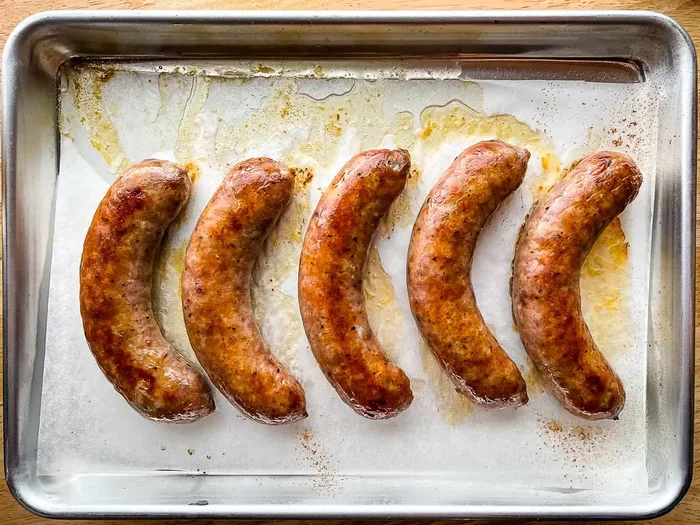
How Long To Cook Large Sausages In The Oven Perfectly
Cooking large sausages in the oven takes about 25 to 45 minutes at 375°F to 400°F, depending on the type and size of the sausage. This guide covers exact temperatures, timing, and step-by-step methods so you get perfectly cooked, crispy sausages every single time. Whether you are using pork sausages, beef sausages, or chicken sausages, you will find everything you need right here.
Key Takeaways
- Optimal Temperature: Roast large sausages at 375°F to 400°F for the best balance of crispy exterior and juicy interior.
- Cooking Time Range: Most large sausages need 25 to 45 minutes, with thicker links requiring closer to 40-45 minutes.
- Internal Temperature Matters: Always aim for 160°F for pork and beef sausages, and 165°F for chicken sausages to ensure food safety.
- Preheat Your Oven: Never skip preheating. A hot oven ensures even cooking and proper browning from the start.
- Turn Halfway Through: Rotating sausages midway promotes even browning and prevents one side from burning.
- Rest Before Serving: Let sausages rest for 3-5 minutes after cooking to lock in juices and improve texture.
- Use A Meat Thermometer: This is the single most reliable way to know your sausages are perfectly cooked inside.
📑 Table of Contents
- How Long To Cook Large Sausages In The Oven For Perfect Results
- Why Oven Cooking Works So Well For Large Sausages
- The Right Oven Temperature For Large Sausages
- Step-By-Step Guide To Cooking Large Sausages In The Oven
- How Long To Cook Different Types Of Large Sausages
- Tips For Perfectly Crispy And Evenly Cooked Sausages
- Common Mistakes To Avoid When Cooking Sausages In The Oven
- How To Tell When Large Sausages Are Fully Cooked
- Serving Ideas And Pairings For Oven-Baked Sausages
- Conclusion
How Long To Cook Large Sausages In The Oven For Perfect Results
If you have ever stood in front of an oven wondering whether your sausages are done, you are not alone. Cooking large sausages in the oven is one of the simplest and most reliable methods. Yet so many people get the time or temperature wrong. The result? Sausages that are either burnt on the outside and raw inside, or pale and lacking that satisfying snap.
This guide answers one question clearly: how long to cook large sausages in the oven. But it also gives you so much more. You will learn the right temperatures, the best techniques, and the small tricks that separate good sausages from great ones. Whether you are cooking for a family dinner or a weekend brunch, this guide has you covered.
The beauty of oven cooking is consistency. Unlike stovetop frying, where you need to watch the pan constantly, the oven does most of the work for you. You set the timer, walk away, and come back to golden brown, evenly cooked sausages. Let us walk through everything you need to know.
Why Oven Cooking Works So Well For Large Sausages
Oven roasting is hands down one of the best ways to cook large sausages. The dry, surrounding heat cooks the meat evenly from all sides. There is no need to flip constantly or worry about hot spots on a single pan surface. Let us look at why this method works so well.
Even Heat Distribution
When you bake sausages in the oven, the hot air circulates around each link. This means every part of the sausage gets exposed to the same temperature. The result is uniform cooking from end to end. No more guessing if the center is done.
Better Texture And Browning
Oven roasting creates that beautiful golden brown crust on the outside of your sausages. The dry heat slowly renders the fat inside the casing. This gives you a crispy exterior while keeping the inside moist and juicy. Stovetop cooking can sometimes cause the casing to split, but the oven keeps things gentle and controlled.
Hands-Off Convenience
Once your sausages are in the oven, you are free to prepare sides, set the table, or relax. There is no need to stand over a hot pan. This makes oven cooking ideal for weekend meal prep and feeding a crowd without stress.
The Right Oven Temperature For Large Sausages
Temperature is the foundation of great sausage cooking. Too low and your sausages will dry out before they cook through. Too high and the outside burns while the inside stays raw. Getting the temperature right makes all the difference in your final result.
Recommended Temperature Range
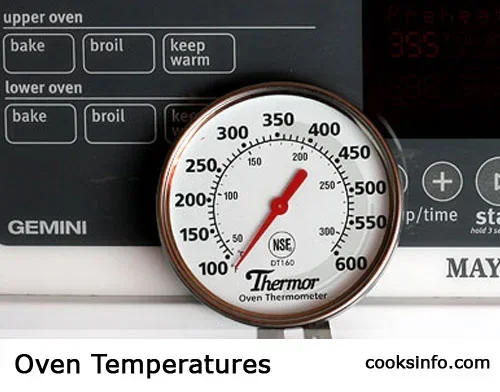
The sweet spot for cooking large sausages in the oven is between 375°F and 400°F. At this range, the sausages cook through evenly while developing a lovely brown color. Most professional chefs and home cooks agree this is the ideal zone for oven-baked sausages.
Here is a quick breakdown of temperature options:
- 375°F: Best for larger, thicker sausages. The lower temperature gives the inside more time to cook without burning the outside. This is the safest choice for beginners.
- 400°F: Great for creating a crispier skin. The higher heat browns the casing faster. This works well for thinner or standard-sized large sausages.
- 350°F: Use this only if your sausages are very large or if you are cooking them alongside other dishes that need a lower temperature.
Always Preheat Your Oven
Never place sausages into a cold oven and hope for the best. Preheating ensures the oven reaches the target temperature before the sausages go in. This is critical for even cooking. A preheated oven immediately starts working on the sausage casing, which helps create that perfect snap and texture.
Give your oven at least 10 to 15 minutes to reach the set temperature. Most ovens beep or show a light when they are ready. Wait for that signal before loading your sausages.
Step-By-Step Guide To Cooking Large Sausages In The Oven
Now that you know the temperature, let us walk through the actual process. Following these steps will give you perfectly cooked sausages every time. The process is simple, but the details matter.
Step 1: Gather Your Ingredients And Tools
Before you start, make sure you have everything ready. You will need your large sausages, a baking sheet or roasting pan, parchment paper or foil for easy cleanup, and a meat thermometer. A wire rack is optional but highly recommended because it allows air to flow underneath the sausages.
Step 2: Preheat The Oven
Set your oven to 375°F or 400°F depending on your preference. Let it fully preheat before placing the sausages inside. This usually takes about 10 to 15 minutes.
Step 3: Prepare The Sausages
Line your baking sheet with parchment paper or aluminum foil. Place the sausages on the sheet, leaving space between each one. This gap is important because it allows hot air to circulate freely around every sausage. Crowding the pan leads to uneven cooking and steaming instead of roasting.
If you want extra crispy skin, you can lightly prick each sausage with a fork. This helps release excess fat during cooking. However, be careful not to over-prick, or you will lose too much juice.
Step 4: Place In The Oven
Put the baking sheet on the middle rack of your oven. The middle position ensures the best heat distribution. Avoid placing the pan too close to the top or bottom elements, as this can cause uneven browning.
Step 5: Cook And Turn Halfway
Set a timer for 20 minutes. When the timer goes off, open the oven and carefully turn each sausage using tongs. This simple step makes a huge difference. It ensures both sides get equal exposure to the heat. After turning, continue cooking for another 15 to 25 minutes depending on the size.
Step 6: Check The Internal Temperature
This is the most important step. Insert a meat thermometer into the thickest part of the sausage, avoiding the casing. The target internal temperatures are:
- Pork sausages: 160°F
- Beef sausages: 160°F
- Chicken or turkey sausages: 165°F
If the sausage has not reached the target temperature yet, keep cooking and check again every 3 to 5 minutes. Do not guess. The thermometer never lies.
Step 7: Rest Before Serving
Remove the sausages from the oven and let them rest on a plate for 3 to 5 minutes. This resting period allows the juices to redistribute throughout the meat. The result is a juicier, more flavorful bite every time. Cutting into a sausage immediately after cooking causes the juices to run out, leaving you with a drier result.
How Long To Cook Different Types Of Large Sausages
Not all sausages are the same. The type of meat, the thickness of the casing, and the size of the link all affect cooking time. Here is a detailed look at how long different varieties need in the oven.
Pork Sausages
Pork sausages are the most common type found in homes and restaurants. For large pork sausage links, the standard cooking time at 375°F is about 30 to 40 minutes. Thicker links, especially those with a dense filling, may need the full 40 minutes or slightly more. Always check the internal temperature to be sure.
Beef Sausages
Beef sausages tend to be slightly leaner than pork varieties. They cook at a similar rate and generally need 30 to 40 minutes at 375°F to 400°F. Because they are leaner, they can dry out faster if overcooked. Keep a close eye on them after the 30-minute mark.
Chicken And Turkey Sausages
Chicken and turkey sausages cook a bit faster because the meat is lighter. They typically need 20 to 30 minutes at 375°F. Since these sausages must reach 165°F internally, use your meat thermometer to confirm doneness. Undercooked poultry sausages are a food safety risk, so never skip the temperature check.
Smoked Sausages
Smoked sausages like kielbasa or andouille are already partially cooked. They need less time in the oven. At 375°F, smoked large sausages typically need only 15 to 25 minutes. The goal here is to heat them through and warm up the smoky flavor while adding a nice crispy exterior.
Vegetarian Sausages
Vegetarian sausages made from plant-based proteins cook differently than meat sausages. They generally need 20 to 30 minutes at 375°F. Because they do not contain raw meat, the internal temperature is less critical from a safety standpoint. However, you still want them to be heated through and slightly crispy on the outside.
Tips For Perfectly Crispy And Evenly Cooked Sausages
Getting great results is about more than just time and temperature. Small techniques make a big difference. Here are some tried-and-true tips that will elevate your oven-baked sausages to the next level.
Use A Wire Rack
Placing sausages on a wire rack set over a baking sheet is a game changer. The rack allows hot air to flow underneath, so the bottom of the sausage cooks and browns just as well as the top. Without a rack, the bottom can become soggy from sitting in its own rendered fat.
Do Not Crowd The Pan
Give each sausage at least one inch of space. Cooking sausages evenly requires good air circulation. When sausages are packed too tightly, they steam instead of roast. This leads to pale, soft skin instead of the crispy finish you want.
Brush With Oil Or Butter
A light coating of olive oil or melted butter on the outside of the sausages helps promote browning. It also adds a subtle richness to the flavor. Use a brush or spray bottle to apply a thin, even layer. Too much oil will cause splattering and greasy results.
Add Aromatics To The Pan
Toss sliced onions, garlic cloves, or bell pepper chunks onto the baking sheet alongside the sausages. As the sausages cook, their juices drip down and flavor the vegetables. This is an easy way to create a complete side dish in the same pan. The roasted vegetables pair wonderfully with the sausages.
Experiment With Different Herbs
Sprinkle dried herbs like rosemary, thyme, or sage over the sausages before cooking. The heat releases the oils in the herbs, infusing the sausages with deep, aromatic flavor. Fresh herbs work too, but add them in the last 10 minutes of cooking to prevent burning.
Common Mistakes To Avoid When Cooking Sausages In The Oven
Even experienced cooks sometimes make mistakes that affect the outcome. Learning what not to do is just as important as learning the right way. Here are the most common errors people make when roasting sausages in the oven.
Skipping The Preheat
Putting sausages into a cold oven throws off the entire cooking timeline. The sausages start cooking slowly and may end up unevenly done. Always wait for the oven to fully reach the target temperature before adding the sausages.
Overcrowding The Baking Sheet
It is tempting to fit as many sausages as possible on one sheet. But overcrowding traps steam and prevents proper browning. If you have a lot of sausages, use two baking sheets or cook in batches. The extra effort is worth the better results.
Not Using A Meat Thermometer
Guessing whether a sausage is done is risky. The outside can look perfectly browned while the inside is still undercooked. A meat thermometer removes all guesswork. It is an inexpensive tool that makes a massive difference in food safety and quality.
Cutting Into The Sausage To Check
Never slice open a sausage to see if it is done. This releases all the juices and dries out the meat. The meat thermometer is your best friend here. It gives you a clear reading without damaging the sausage.
Skipping The Resting Period
Taking sausages straight from the oven to the plate means the juices will run out when you bite in. Let them rest for a few minutes. This small step makes your sausages noticeably juicier and more flavorful.
How To Tell When Large Sausages Are Fully Cooked
Knowing when your sausages are done is essential. There are three reliable methods to check doneness. Using all three together gives you the most confidence in your results.
Method 1: Meat Thermometer. This is the gold standard. Insert the probe into the center of the thickest part. For pork and beef sausages, 160°F means done. For chicken sausages, aim for 165°F.
Method 2: Visual And Touch Check. A cooked sausage will look golden brown all over. When you press it with tongs, it should feel firm but still have a slight give. If it feels soft and squishy, it needs more time.
Method 3: The Twist Test. Pick up the sausage with tongs and gently twist it. A fully cooked sausage will hold together and not feel raw or slippery inside. If you notice any pink liquid or a loose, raw feel, keep cooking.
Using a combination of these methods ensures your sausages are perfectly cooked every single time. The thermometer is the most reliable, but the visual and touch checks are helpful backups.
Serving Ideas And Pairings For Oven-Baked Sausages
Once your sausages are out of the oven and resting, it is time to think about serving. Great sides can turn a simple sausage meal into a memorable dining experience.
Classic pairings include roasted potatoes, grilled vegetables, crusty bread, and a fresh green salad. For a more casual meal, serve sausages in warm buns with your favorite toppings like mustard, ketchup, caramelized onions, or sauerkraut.
For meal prep, oven-baked sausages store well in the refrigerator for up to four days. Reheat them in the oven at 350°F for about 10 minutes to keep the casing crispy. Microwaving works in a pinch, but it can make the skin rubbery.
Conclusion
How long to cook large sausages in the oven depends on the type, size, and temperature you use. But with the right approach, you can achieve restaurant-quality results at home. The key is to preheat properly, cook at 375°F to 400°F, turn the sausages halfway through, and always use a meat thermometer to confirm doneness.
Remember that patience is your best tool. Do not rush the process by raising the temperature to speed things up. That path leads to burnt outsides and raw insides. Give your sausages the time they need, and they will reward you with a crispy, juicy, and deeply flavorful result.
Whether you are cooking pork, beef, chicken, or vegetarian sausages, the principles remain the same. Follow the times and temperatures in this guide, use the tips provided, and you will never have a bad batch of oven sausages again. Now go preheat that oven and get cooking.
Frequently Asked Questions
Can I cook large sausages at 425°F instead of 375°F?
Yes, you can cook sausages at 425°F, but reduce the cooking time to about 20 to 30 minutes. The higher temperature creates a crispier skin faster. Just be careful not to walk away, as sausages can burn more quickly at this temperature. Always check with a meat thermometer to ensure they are fully cooked inside.
Should I poke holes in sausages before putting them in the oven?
It is best to avoid poking holes in sausages. While pricking them does release some fat and reduce spattering, it also lets juices escape, which can dry out the sausage. If you do choose to prick, use a fork and make only a few small holes. The best way to prevent bursting is to cook at a moderate temperature and turn the sausages halfway through.
Can I cook frozen large sausages in the oven?
Yes, you can cook frozen sausages directly in the oven, but you will need to add extra time. Increase the cooking time by about 10 to 15 minutes compared to thawed sausages. Make sure the internal temperature reaches 160°F for pork and beef or 165°F for chicken sausages. It is always better to thaw sausages first for more even cooking, but cooking from frozen works in a pinch.
What is the best way to reheat leftover oven-baked sausages?
The best way to reheat leftover sausages is in the oven at 350°F for about 8 to 10 minutes. This keeps the casing crispy and the inside warm. You can also use a skillet on medium heat for a few minutes per side. Avoid microwaving if possible, as it tends to make the sausage skin rubbery and the texture unpleasant.
How do I know if my sausages are done without a meat thermometer?
Without a thermometer, look for a golden brown color all over the sausage. Press it gently with tongs; it should feel firm but still have a slight give. Cut into the thickest part and check for any pink or raw areas inside. The juices should run clear, not pink or cloudy. Using a thermometer is still the most reliable method.
Can I cook sausages on a baking sheet without parchment paper or foil?
Yes, you can cook sausages directly on a bare baking sheet. However, cleanup will be harder because the rendered fat will stick to the pan. Using parchment paper or aluminum foil makes cleanup much easier and is highly recommended. A lightly oiled baking sheet also works well to prevent sticking.