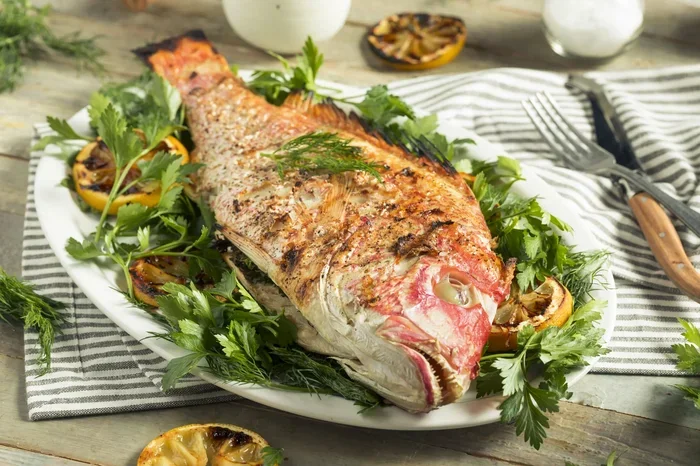
How To Cook Whole Snapper In The Oven With Crispy Skin
Cooking whole snapper in the oven is simpler than you think. This guide shows you how to get crispy golden skin and tender, juicy flesh every single time. You will learn how to pick the best fish, season it right, and bake it to perfection. Whether you are a beginner or a seasoned cook, this method works beautifully.
There is something truly special about putting a whole fish in the oven. The aroma that fills your kitchen is incredible. And when you pull that whole snapper out with golden, crackling skin, you will feel like a real pro. This oven-baked snapper recipe is straightforward, forgiving, and absolutely delicious.
Many people feel intimidated by cooking a whole fish. They worry about bones, timing, or getting the skin right. But here is the truth. Cooking whole snapper in the oven is one of the easiest and most impressive things you can do in the kitchen. It takes about 30 to 40 minutes from start to finish. And the results are restaurant-quality right in your own home.
This guide walks you through every single step. You will learn how to choose the right fish at the market, how to prep it, what temperature to use, and how to get that crispy snapper skin everyone loves. I will also share tips on seasoning, stuffing, and serving. By the end, you will feel confident enough to make this dish again and again.
Key Takeaways
- Choose fresh whole snapper: Look for clear eyes, bright red gills, and a clean ocean smell for the best results.
- Dry the skin thoroughly: Patting the skin dry is the single most important step for achieving crispy skin.
- Use a high oven temperature: Baking at 425°F to 450°F ensures the skin crisps while the flesh stays moist.
- Stuff the fish for extra flavor: Citrus slices, herbs, and garlic inside the cavity add depth and aroma.
- Rest the fish before serving: Letting it rest for 5 to 10 minutes keeps the juices locked in.
- Pair with simple sides: Roasted vegetables, rice, or a fresh salad complement the delicate flavor of snapper perfectly.
- Avoid common mistakes: Overcooking, skipping the drying step, and not scoring the skin are the top errors to watch out for.
📑 Table of Contents
Choosing the Right Whole Snapper
The foundation of a great dish starts at the market. Your whole snapper needs to be fresh. A fresh fish cooks better, tastes sweeter, and has a much better texture. Here is what to look for.
What to Look For at the Fish Market
When you are shopping for baked whole fish, use your senses. First, look at the eyes. They should be clear and bulging, not cloudy or sunken. Next, check the gills. They should be bright red or pink. If they look brown or dull, the fish has been sitting too long.
Smell the fish. Fresh snapper should smell like the ocean, not fishy or ammonia-like. The skin should be shiny and tight, not slimy or dull. If you are buying from a fish counter, do not be afraid to ask the fishmonger when the delivery came in. A good fishmonger will be happy to help.
Fresh vs Frozen Whole Snapper
Fresh is always ideal, but frozen whole snapper fillets and whole fish can work too. If you buy frozen, thaw it slowly in the refrigerator overnight. Never thaw fish at room temperature. That encourages bacteria growth and changes the texture. Once thawed, pat the fish dry thoroughly before cooking.
Frozen fish can still turn out great. The key is proper thawing and drying. Many high-quality frozen whole snappers are flash-frozen at sea. They are often just as good as fresh.
Preparing Your Whole Snapper for the Oven
Prepping your fish properly makes a huge difference. Take your time with this step. It is where the magic starts.
Cleaning and Scaling the Fish
If your fish is not already cleaned, you will need to do a few things. First, rinse the whole snapper under cold running water. Pat it dry inside and out with paper towels. Next, check for scales. If the fish still has scales, use the back of a knife or a scaler to scrape them off. Work from the tail toward the head.
Remove the gills if they are still attached. They can add a bitter taste. Use kitchen shears to snip them out. Then, use a sharp knife to make two or three diagonal cuts on each side of the fish. These cuts, called scoring, help heat reach the center of the fish evenly. They also help the skin crisp up beautifully.
Seasoning and Stuffing Ideas
Seasoning a whole oven-baked fish is simple but powerful. Start by rubbing the outside with olive oil. Then sprinkle salt and freshly ground black pepper all over, including inside the cavity. A teaspoon of smoked paprika or garlic powder adds a nice depth of flavor.
Stuffing the cavity is where you can get creative. Here are some ideas:
- Classic Mediterranean: Stuff with lemon slices, fresh thyme, rosemary, and garlic cloves.
- Citrus Herb: Use orange and lemon slices with fresh dill and parsley.
- Garlic Butter: Place a few pats of butter inside along with sliced onions and bay leaves.
- Simple and Clean: Just lemon slices and a few sprigs of fresh herbs.
The stuffing adds moisture and fragrance as the fish cooks. It also makes the kitchen smell amazing. You do not need to be fancy. Even a simple lemon and herb stuffing works wonderfully.
The Best Oven Temperature and Cook Time
Getting the temperature right is the key to crispy skin snapper. Too low and the skin will be soggy. Too high and the outside burns before the inside cooks through.
Temperature Guidelines for Perfect Results
The sweet spot for baking whole snapper is between 425°F and 450°F. This high heat crisps the skin quickly while keeping the flesh tender and juicy. Here is a simple guide:
- 425°F: Best for fish weighing 1 to 2 pounds. Cooks evenly and gives great texture.
- 450°F: Ideal for slightly larger fish, 2 to 3 pounds. The higher heat creates extra crispiness.
- 375°F: Only use this if your fish is very large or stuffed heavily. It takes longer but prevents drying out.
A general rule of thumb is about 20 to 25 minutes per pound of fish at 425°F. So a 2-pound whole snapper will take roughly 40 to 50 minutes. But always use a thermometer to check doneness.
How to Know When the Fish Is Done
Knowing when oven-baked snapper is ready is easier than you might think. Use an instant-read thermometer inserted into the thickest part of the fish. The internal temperature should reach 145°F. The flesh should be opaque and flake easily with a fork.
Another test is to gently press the top of the fish with your finger. If it feels firm and springs back, it is done. If it feels soft or mushy, it needs more time. The skin should be golden brown and slightly crispy to the touch.
Tips for Perfectly Crispy Skin
The whole point of this recipe is that crispy skin. Getting it right is not hard, but it does require attention to a few details.
Why Drying the Skin Matters So Much
The single most important step for crispy fish skin is drying. Moisture is the enemy of crispiness. After cleaning and scoring your whole snapper, pat the skin completely dry with paper towels. Do this several times if needed. Some cooks even let the fish sit uncovered in the refrigerator for an hour or two before cooking. This air-dries the skin further and leads to even better crispiness.
The Role of Oil and Salt
Lightly brush the skin with a thin layer of olive oil or vegetable oil. This helps conduct heat evenly. Then sprinkle a generous amount of fine salt over the skin. Salt draws out a tiny bit of moisture, which then evaporates in the oven. This process is what creates that satisfying crunch.
Do not skip the oil. Without it, the skin can stick to the pan and cook unevenly. And do not use too much oil. A light coating is all you need.
Pan Choice and Rack Position
Use a baking sheet lined with parchment paper or a wire rack set over a sheet pan. A wire rack allows hot air to circulate around the fish, which promotes even crisping. If you do not have a rack, a well-oiled baking sheet works fine too. Just be gentle when flipping or removing the fish.
Place the fish on the middle rack of your oven. This ensures even heat distribution. If you are cooking multiple dishes at once, try to give the fish its own space in the oven. Crowding affects airflow and can lead to soggy skin.
Serving and Pairing Suggestions
A beautiful baked whole snapper deserves great sides. The fish has a delicate, sweet flavor. You want accompaniments that complement it without overpowering it.
Side Dishes That Complement Snapper
Here are some of the best sides for oven-baked whole fish:
- Roasted vegetables: Asparagus, cherry tomatoes, zucchini, and bell peppers all work beautifully. Toss them in olive oil, salt, and herbs, and roast them on another sheet pan at the same temperature.
- Rice or grains: A fluffy bed of jasmine rice, quinoa, or herbed couscous soaks up the delicious juices from the fish.
- Fresh salad: A light mixed greens salad with a lemon vinaigrette adds a bright contrast to the rich fish.
- Roasted potatoes: Crispy roasted baby potatoes or potato wedges are a classic pairing that never disappoints.
- Grilled bread: A crusty piece of sourdough or focaccia is perfect for mopping up the juices on the plate.
Sauce Ideas to Elevate Your Dish
While a perfectly baked whole snapper tastes great on its own, a simple sauce can take it to the next level. Try a lemon butter sauce with fresh herbs. Just melt butter, add lemon juice, minced garlic, and chopped parsley. Drizzle it over the fish right before serving.
Another excellent option is a chimichurri sauce. Blend parsley, oregano, garlic, red wine vinegar, olive oil, and a pinch of red pepper flakes. The bright, herbaceous flavor pairs wonderfully with the mild taste of snapper. A simple aioli or tzatziki also works great for dipping.
Common Mistakes to Avoid
Even experienced cooks sometimes make mistakes with whole fish in the oven. Here are the most common ones and how to avoid them.
Overcooking the Fish
This is the biggest mistake. Overcooked snapper becomes dry and chalky. The flesh turns white and flakes apart too easily. To avoid this, set a timer and check the fish a few minutes before the expected finish time. Remember, the fish continues cooking after you take it out of the oven.
Skipping the Drying Step
If you do not dry the skin properly, you will end up with soggy, flabby skin instead of crispy perfection. Take the time to pat the fish dry thoroughly. This one simple step makes a world of difference.
Not Scoring the Fish
Skipping the scoring cuts means the heat cannot penetrate the fish evenly. The outside might burn while the inside stays raw. Make those diagonal cuts. They are quick to do and they pay off in even cooking and better crispiness.
Using Too Much Stuffing
Stuffing adds flavor, but too much can trap steam inside the fish. This prevents the skin from crisping. Use a moderate amount of stuffing. You want enough to flavor the fish, not so much that it blocks heat from reaching the cavity.
How to Store and Reheat Leftovers
Leftover oven-baked snapper can be just as tasty the next day if stored properly. Let the fish cool to room temperature, then place it in an airtight container. It will keep in the refrigerator for up to two days.
To reheat, use a low oven temperature around 275°F. Place the fish on a baking sheet and cover it loosely with foil. Heat for about 10 to 15 minutes. The foil prevents the skin from drying out too much. Avoid microwaving if possible. It tends to make the skin rubbery and the flesh tough.
Why Whole Fish Is Worth the Effort
Cooking a whole snapper might seem intimidating at first. But once you try it, you will wonder why you ever relied on fillets alone. A whole fish is more economical. You use every part of it. The bones make a wonderful stock if you save them. And the presentation is stunning. Imagine bringing a beautifully baked whole oven-baked fish to the table. Your guests will be impressed.
Beyond the visual appeal, cooking whole fish connects you to a tradition that spans centuries and cultures. Mediterranean kitchens, Asian households, and coastal communities around the world have been baking whole fish in ovens for generations. It is a timeless technique that produces incredible results with minimal effort. Once you master how to cook whole snapper in the oven, you can apply the same method to other whole fish like sea bass, trout, or branzino.
The beauty of this recipe is its simplicity. You need very few ingredients, minimal prep time, and a reliable oven. The fish does most of the work for you. There is something deeply satisfying about pulling a perfectly cooked, crispy-skinned fish from the oven and serving it to the people you love.
So the next time you are at the fish market, pick up a fresh whole snapper. Bring it home. Follow these steps. And enjoy a meal that is as delicious as it is impressive. Crispy skin, tender flesh, and endless compliments from your dinner guests are all waiting for you.
Conclusion
How to cook whole snapper in the oven with crispy skin is a skill anyone can learn. The process is simple, the ingredients are minimal, and the results are outstanding. From selecting the freshest fish at the market to achieving that perfect golden crust, every step is within your reach.
Remember the key points. Dry the skin thoroughly. Use a high oven temperature between 425°F and 450°F. Score the fish for even cooking. Stuff it with herbs and citrus for flavor. And always check the internal temperature to avoid overcooking. Pair your baked whole snapper with roasted vegetables, rice, or a fresh salad for a complete and satisfying meal.
Once you make this dish, you will want to make it again and again. It is one of those recipes that never gets old. So fire up your oven, grab a fresh whole snapper, and enjoy the process of creating something truly special in your own kitchen.
Frequently Asked Questions
Can I use frozen whole snapper for this recipe?
Yes, you can. Make sure to thaw the fish completely in the refrigerator overnight before cooking. Never thaw fish at room temperature. Once thawed, pat the fish very dry before seasoning and baking for the best results.
How long does it take to cook a 2-pound whole snapper in the oven?
A 2-pound whole snapper typically takes about 40 to 50 minutes at 425°F. The exact time depends on your oven and the thickness of the fish. Always use a meat thermometer to check that the internal temperature reaches 145°F.
What is the best way to get crispy skin on baked fish?
The secret is drying the skin thoroughly before cooking. Pat the fish dry with paper towels several times. Then brush it lightly with oil and sprinkle with fine salt. Bake at a high temperature of 425°F or above. A wire rack over a baking sheet also helps promote even crisping.
Can I cook whole snapper on a baking sheet without a rack?
Yes, you can. Line a baking sheet with parchment paper and lightly oil it. The fish may not crisp quite as evenly as on a rack, but the results are still excellent. Just be careful when flipping or removing the fish, as it may stick slightly.
What are the best herbs to stuff a whole snapper with?
Fresh thyme, rosemary, dill, parsley, and basil all work wonderfully. Lemon slices, garlic cloves, and orange slices are classic additions that complement the natural flavor of snapper. You can mix and match based on your preferences.
Is whole snapper safe to eat if the flesh is slightly translucent in the center?
No, you should always cook snapper until the flesh is opaque and flakes easily with a fork. The internal temperature should reach 145°F. Translucent or raw flesh can harbor harmful bacteria and should be avoided.
=== META TITLE ===
How To Cook Whole Snapper In The Oven With Crispy Skin
=== URL SLUG ===
how-to-cook-whole-snapper-in-the-oven-with-crispy-skin
=== LSI KEYWORDS ===
oven-baked snapper, crispy skin fish, baked whole fish, snapper recipe, fish oven recipe, cooking whole fish in oven, fresh whole snapper, seasoning whole fish, Mediterranean fish recipe, herb-crusted fish, citrus herb butter, baked sea bass, red snapper oven recipe, whole fish cooking time, internal temperature fish, snapper fillets vs whole, resting fish after cooking, pan-roasted snapper, oven temperature for fish, how to scale a fish