What Number to Cook Pork Loin on Your Electric Oven
Cooking pork loin in an electric oven is simple once you know the right temperature and timing. The ideal number to set your oven is between 325°F and 400°F, depending on your preferred method. This guide covers everything you need to achieve a perfectly cooked, juicy pork loin in your electric oven every single time.
Cooking pork loin in an electric oven can feel intimidating if you have never done it before. You might wonder, “What number do I set my oven to?” The answer is simpler than you think. With the right oven temperature for pork loin, a little patience, and a trusty meat thermometer, you can roast a beautiful, juicy pork loin that will impress everyone at the table.
Whether you are a beginner in the kitchen or just looking to refine your technique, this guide has everything you need. We will walk you through the exact electric oven settings for pork loin, cooking times, seasoning tips, and common mistakes to avoid. By the end, you will feel confident enough to roast pork loin like a pro.
Key Takeaways
- Set your electric oven to 325°F for slow roasting: This low-and-slow method delivers tender, juicy pork loin with a beautiful crust.
- Aim for an internal temperature of 145°F: This is the USDA-recommended safe temperature for pork loin, ensuring it is both safe and moist.
- Cooking time depends on weight: Plan for about 20-25 minutes per pound at 325°F for the best results.
- Always use a meat thermometer: This is the single most important tool for perfectly cooked pork loin every time.
- Let the pork rest before slicing: Resting for 5-10 minutes keeps the juices locked in and improves texture.
- Searing adds flavor and crunch: A quick sear before roasting creates a delicious golden-brown exterior.
- Seasoning matters just as much as temperature: Simple rubs and marinades elevate your pork loin from good to great.
📑 Table of Contents
- The Best Temperature to Cook Pork Loin in an Electric Oven
- How Long to Cook Pork Loin at 325°F
- The Perfect Internal Temperature for Pork Loin
- Step-by-Step Guide to Roasting Pork Loin in an Electric Oven
- Seasoning Ideas and Flavor Variations
- Common Mistakes to Avoid When Cooking Pork Loin
- Expert Tips for the Best Pork Loin Every Time
- Pork Loin vs. Other Pork Cuts: How Cooking Methods Differ
- Frequently Asked Questions
- Conclusion
The Best Temperature to Cook Pork Loin in an Electric Oven
The short answer is 325°F. This is the sweet spot for roasting pork loin in an electric oven. At this temperature, the meat cooks evenly, stays juicy, and develops a lovely golden-brown crust. But there is more to it than just picking a number. Let us break it down.
Why 325°F Works Best
When you cook pork loin at 325°F, the heat surrounds the meat gently. This slow roasting method allows the interior to cook through without drying out the outside. Higher temperatures can cause the exterior to burn before the inside is done. Lower temperatures take too long and may not give you that satisfying crust.
Most pork loin roast recipes recommend 325°F as the standard. It works for both bone-in and boneless cuts. The consistent heat of an electric oven makes this temperature even more reliable because electric ovens maintain a steady warmth without hot spots.
Alternative Temperatures for Different Results
Sometimes you might want a different result. Here are a few options:
- 400°F for a faster roast: If you are short on time, you can increase the temperature to 400°F. This speeds up cooking and creates a crispier exterior. Just watch the meat closely to avoid overcooking.
- 350°F for a balanced approach: This middle-ground temperature works well if you want a slightly faster cook than 325°F but still want tenderness.
- 275°F for ultra-tender results: Some cooks prefer a very low temperature for an ultra-tender, fall-apart texture. This method takes longer but produces incredibly moist meat.
Each temperature serves a purpose. The key is knowing what result you want and adjusting accordingly.
How Long to Cook Pork Loin at 325°F
Timing is just as important as temperature. The cooking time for pork loin depends mainly on the weight of your cut. Here is a general guideline to follow.
Pork Loin Cooking Time Chart
Use this chart as a starting point. Always rely on a meat thermometer for accuracy.
- 1 to 1.5 pounds: About 45 to 60 minutes
- 2 to 3 pounds: About 1 hour to 1 hour 30 minutes
- 3 to 4 pounds: About 1.5 to 2 hours
- 4 to 5 pounds: About 2 to 2.5 hours
- 5 to 7 pounds: About 2.5 to 3.5 hours
These times are for pork loin roasted at 325°F. If you increase the temperature, the cooking time will decrease. If you lower the temperature, it will take longer. The general rule is about 20 to 25 minutes per pound at 325°F.
Factors That Affect Cooking Time
Not all pork loins cook the same way. Several factors can change your timing:
- Bone-in vs. boneless: Bone-in pork loin takes a bit longer because the bone slows heat transfer to the center.
- Starting temperature: A pork loin taken straight from the fridge will take longer than one brought to room temperature first.
- Oven accuracy: Some electric ovens run hotter or cooler than the displayed temperature. An oven thermometer can help you verify accuracy.
- Shape of the roast: A thicker roast takes longer than a thinner one, even if the weight is the same.
Keep these factors in mind and always check the internal temperature rather than relying solely on the clock.
The Perfect Internal Temperature for Pork Loin
This is the most important section of the entire guide. The internal pork loin temperature determines whether your roast is safe, juicy, and perfectly cooked. Here is what you need to know.
USDA Recommended Temperature
The United States Department of Agriculture recommends cooking pork loin to an internal temperature of 145°F. This might surprise some people who grew up cooking pork to 160°F or higher. But food science has come a long way, and modern pork is safe and delicious at 145°F.
At 145°F, your pork loin will be slightly pink in the center. This is perfectly normal and actually the best way to keep the meat moist. The carryover cooking effect will raise the temperature by about 5°F after you remove the roast from the oven.
Carryover Cooking Explained
Carryover cooking means the meat continues to cook after you take it out of the oven. The residual heat spreads from the outer layers toward the center. This is why you should pull your pork loin off at 145°F and expect it to reach 150°F while resting.
Here is how carryover cooking works:
- Remove the pork loin from the oven at 145°F.
- Place it on a cutting board and tent it loosely with foil.
- Let it rest for 5 to 10 minutes.
- The internal temperature will rise to about 150°F to 155°F.
- Slice and serve for perfectly juicy pork loin.
If you wait until the thermometer reads 160°F inside the oven, your pork loin will likely be overcooked and dry by the time you serve it.
How to Use a Meat Thermometer Correctly
A meat thermometer for pork is not optional. It is essential. Here is how to use one properly:
- Insert the probe into the thickest part of the roast.
- Avoid touching the bone, as it conducts heat differently.
- Do not insert the probe near the surface, or you will get a false reading.
- Check the temperature in at least two spots for accuracy.
- Use a digital instant-read thermometer for the fastest and most precise results.
Investing in a good meat thermometer is the single best thing you can do for your pork loin roasts. It removes all the guesswork.
Step-by-Step Guide to Roasting Pork Loin in an Electric Oven
Now that you know the temperature and timing, let us put it all together. Here is a simple, foolproof method for roasting pork loin in your electric oven.
Step 1: Prep the Pork Loin
Remove the pork loin from the refrigerator about 30 minutes before cooking. This lets it come closer to room temperature, which promotes even cooking. Pat it dry with paper towels. This step helps create a better crust during roasting.
Step 2: Season Generously
Seasoning is where you can get creative. A simple pork loin seasoning works beautifully:
- 2 teaspoons of kosher salt
- 1 teaspoon of black pepper
- 1 teaspoon of garlic powder
- 1 teaspoon of paprika
- 1/2 teaspoon of cumin
- 2 tablespoons of olive oil
Rub the olive oil over the entire surface of the pork loin. Then sprinkle the seasoning mix evenly over all sides. The oil helps the spices adhere and creates a flavorful crust.
Step 3: Preheat the Oven
Set your electric oven to 325°F and let it preheat fully. Preheating ensures the oven reaches the correct temperature before the pork goes in. This is important for even cooking from the start.
Step 4: Sear the Pork Loin (Optional but Recommended)
For extra flavor and a beautiful crust, sear the pork loin on the stovetop before roasting. Heat a cast-iron skillet over medium-high heat with a tablespoon of oil. Sear each side for about 2 minutes until golden brown. This step is not required, but it adds a wonderful depth of flavor.
Step 5: Roast in the Electric Oven
Place the seasoned pork loin on a rack inside a roasting pan. Put it in the preheated oven and roast according to the time chart above. Do not open the oven door too often, as this releases heat and can affect cooking time.
Step 6: Check the Temperature
Start checking the internal temperature about 20 minutes before the estimated finish time. When the thermometer reads 145°F in the thickest part, pull the pork loin out of the oven.
Step 7: Rest and Serve
Transfer the pork loin to a cutting board and tent it loosely with aluminum foil. Let it rest for 5 to 10 minutes. This allows the juices to redistribute throughout the meat. After resting, slice against the grain and serve.
Seasoning Ideas and Flavor Variations
The basic seasoning recipe above is a great starting point, but you can customize it to suit your taste. Here are some popular flavor variations for baked pork loin:
Herb-Crusted Pork Loin
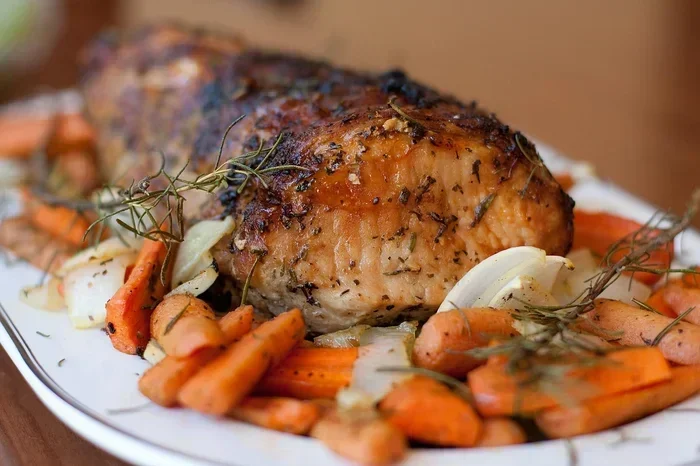
Mix chopped fresh rosemary, thyme, and sage with olive oil and garlic. Spread this paste over the pork loin before roasting. The herbs create an aromatic, savory crust that pairs perfectly with roasted vegetables.
Sweet and Savory Glazed Pork Loin
Brush the pork loin with a mixture of honey, Dijon mustard, and apple cider vinegar during the last 20 minutes of cooking. The glaze caramelizes in the oven and creates a sticky, delicious exterior.
Spicy BBQ Pork Loin
Coat the pork loin in your favorite dry rub BBQ seasoning. For extra flavor, apply a thin layer of BBQ sauce during the last 15 minutes of roasting. This gives you a smoky, sweet, and slightly spicy flavor profile.
Mediterranean Style Pork Loin
Top the pork loin with sliced lemons, olives, and fresh oregano. Drizzle with olive oil and roast as usual. The citrus and olives add a bright, fresh flavor that cuts through the richness of the pork.
Feel free to experiment with different seasonings. The 325°F roasting method works well with virtually any flavor combination.
Common Mistakes to Avoid When Cooking Pork Loin
Even experienced cooks make mistakes. Here are the most common errors people make when roasting pork loin in an electric oven and how to avoid them.
Skipping the Resting Period
Cutting into your pork loin immediately after removing it from the oven is the fastest way to lose juicy, flavorful juices. The resting period is not optional. Give your roast at least 5 to 10 minutes before slicing.
Overcooking the Pork Loin
Overcooked pork loin is dry, tough, and unappetizing. The easiest way to prevent this is to use a meat thermometer. Do not rely on color alone, and do not cook by time alone. The thermometer is your best friend in the kitchen.
Not Preheating the Oven
Putting pork loin into a cold oven leads to uneven cooking. The outside may cook too fast while the inside stays underdone. Always preheat your electric oven to the correct temperature before adding the meat.
Using Too High a Temperature
Some people crank the oven up to 425°F or higher, thinking it will cook faster and create a better crust. While it does create a crust, it also dries out the meat. Stick to 325°F for the best balance of flavor and moisture.
Forgetting to Dry the Surface
Moisture on the surface of the pork loin creates steam instead of allowing a crust to form. Always pat the meat dry with paper towels before seasoning and roasting.
Ignoring the Oven Thermometer
Many electric ovens are not perfectly accurate. The temperature dial might say 325°F, but the actual oven temperature could be 340°F or 310°F. A simple oven thermometer placed inside the oven can save you from undercooking or overcooking your pork loin.
Avoiding these mistakes will dramatically improve your results. You will get a perfectly cooked, juicy pork loin every single time.
Expert Tips for the Best Pork Loin Every Time
Here are some pro tips that separate good pork loin from great pork loin:
- Brine the pork loin overnight: A simple brine of water, salt, and sugar adds moisture and flavor. This is especially helpful for leaner cuts.
- Use a wire rack in the roasting pan: Elevating the pork loin allows hot air to circulate around it evenly, preventing the bottom from becoming soggy.
- Add liquid to the roasting pan: Pour a cup of chicken broth or white wine into the bottom of the pan. It creates steam that keeps the meat moist and makes cleanup easier.
- Let the pork come to room temperature: Taking the pork loin out 30 minutes before cooking helps it roast more evenly.
- Baste halfway through cooking: Spoon the pan juices over the pork loin midway through roasting. This adds flavor and helps the surface brown evenly.
- Store leftovers properly: Cooked pork loin keeps well in the refrigerator for up to 4 days. Reheat gently in the oven at 275°F to prevent drying out.
These small details make a big difference. They are easy to implement and will elevate your pork loin cooking game immediately.
Pork Loin vs. Other Pork Cuts: How Cooking Methods Differ
It is worth noting that different pork cuts require different electric oven settings. Here is how pork loin compares to other popular cuts:
- Pork tenderloin: Cooks faster and at a similar temperature of 325°F to 400°F. It is smaller and leaner, so it needs less time.
- Pork shoulder: Requires a lower temperature around 275°F to 300°F and much longer cooking times due to the higher fat content and connective tissue.
- Pork chops: Best cooked at 350°F to 400°F for a shorter time, similar to pork loin but in smaller portions.
- Whole pork belly: Needs low and slow cooking at 275°F to 300°F for several hours to render the fat properly.
Understanding these differences helps you choose the right temperature and method for whatever pork cut you are working with.
Frequently Asked Questions
What temperature should I set my electric oven for pork loin?
Set your electric oven to 325°F for the best results. This temperature cooks the pork loin evenly and keeps it juicy. You can also use 350°F for a slightly faster cook or 400°F for a crispier exterior, but 325°F remains the most reliable choice for tender, flavorful pork loin.
How long does it take to cook a 3-pound pork loin at 325°F?
A 3-pound pork loin typically takes about 1 hour to 1 hour and 30 minutes at 325°F. However, always rely on the internal temperature rather than the clock. The pork loin is done when it reaches 145°F in the thickest part. Remember that carryover cooking will raise the temperature a few more degrees during the resting period.
Should I cover my pork loin with foil while roasting?
No, you should not cover the pork loin with foil during roasting. Leaving it uncovered allows the heat to circulate freely around the meat, which creates a better crust and more even browning. You can tent it loosely with foil during the resting period after removing it from the oven, which helps the juices redistribute.
Can I cook pork loin at 400°F instead of 325°F?
Yes, you can cook pork loin at 400°F if you are short on time. The higher temperature reduces cooking time and creates a crispier exterior. However, you need to monitor the internal temperature closely because the meat can dry out more quickly at higher heat. Plan for about 15 to 20 minutes per pound at 400°F.
What is the best way to tell if pork loin is done without a thermometer?
The most reliable method is using a meat thermometer, which reads 145°F for done pork loin. If you do not have a thermometer, you can check by piercing the thickest part with a knife. The juices should run clear, not pink. The meat should also feel firm but still have some give when pressed. However, a thermometer is far more accurate and eliminates guesswork.
How do I prevent my pork loin from drying out in the electric oven?
To prevent dry pork loin, do not overcook it. Pull it out of the oven at 145°F and let it rest for 5 to 10 minutes before slicing. You can also brine the pork loin overnight, use a wire rack for even air circulation, and add liquid to the roasting pan. Keeping the oven at 325°F instead of higher temperatures also helps retain moisture throughout the cooking process.
Conclusion
Knowing what number to cook pork loin on electric oven is the foundation of a great roast. Set your oven to 325°F, aim for an internal temperature of 145°F, and plan for about 20 to 25 minutes per pound. These simple guidelines will help you achieve a perfectly cooked, juicy, and flavorful pork loin every time.
Remember to use a meat thermometer, let the meat rest before slicing, and experiment with different seasonings to keep things interesting. Avoid common mistakes like overcooking, skipping the resting period, and not preheating the oven. With a little practice and attention to detail, you will master the art of roasting pork loin in your electric oven.
The beauty of this method is its simplicity. You do not need fancy equipment or complicated techniques. Just a good electric oven, a reliable meat thermometer, and a well-seasoned pork loin. Give it a try, and you will wonder why you ever doubted yourself in the kitchen. Happy cooking!