Is It Bad If My Oven Smells Like Gas While Cooking
Is it bad if your oven smells like gas while cooking? A gas odor from your oven is not normal and should never be ignored. Whether it is a faint smell or a strong gas odor, the cause could range from a simple issue like a clogged burner to a serious gas leak that needs immediate attention. This guide covers every possible reason your oven smells like gas, the risks involved, and exactly what steps you should take to stay safe. We will walk you through troubleshooting tips, prevention methods, and expert advice so you can cook with confidence and keep your kitchen secure.
You are standing in your kitchen, ready to bake your favorite recipe, and then it hits you. A distinct smell fills the air. It is not the aroma of freshly baked cookies. It is a gas odor. Your stomach drops. You start wondering, is it bad if my oven smells like gas while cooking?
The short answer is yes and no. Sometimes a gas smell is harmless and easy to fix. Other times, it signals a serious safety issue that needs immediate action. Either way, you should never ignore it. A gas odor from your oven is your appliance trying to tell you something. The question is whether you are listening.
This article will break down every possible reason your oven smells like gas. We will cover everything from simple fixes to dangerous problems. You will learn how to tell the difference between a minor issue and a real emergency. By the end, you will know exactly what to do the next time your kitchen fills with that telltale smell.
Key Takeaways
- A gas smell from your oven is never normal and always warrants investigation, even if the smell is mild.
- Common causes include igniter problems, clogged burners, gas line leaks, and pilot light issues that allow gas to build up.
- Immediate safety steps are critical if you suspect a gas leak, including ventilating the area and avoiding open flames.
- Regular oven maintenance like cleaning burners and checking gas connections can prevent most gas odor problems.
- Some gas smells are harmless and temporary, especially when first using a new oven or after a long period of inactivity.
- Professional inspection is recommended whenever you are unsure about the source of a gas smell from your oven.
- Installing a gas detector in your kitchen adds an extra layer of safety for your home and family.
📑 Table of Contents
- Why Does My Oven Smell Like Gas?
- Is a Gas Smell From the Oven Dangerous?
- What to Do When Your Oven Smells Like Gas
- How to Prevent Gas Smells From Your Oven
- When to Replace Your Oven Instead of Repairing It
- Expert Insights on Oven Gas Odors
- Common Mistakes People Make When They Smell Gas From the Oven
- How to Tell the Difference Between a Normal Oven Smell and a Gas Leak
- Final Thoughts
Why Does My Oven Smell Like Gas?
Understanding the root cause is the first step to solving the problem. A gas smell coming from oven can stem from many different sources. Some are easy to address on your own. Others require professional help. Let us explore the most common reasons your oven might be producing that unmistakable odor.
New Oven Off-Gassing
If you just installed a brand-new oven, a gas-like smell during the first few uses is fairly common. Manufacturers often use protective coatings, oils, and packaging materials inside the oven cavity. When you first turn the heat on, these residues burn off and create a smell that can mimic gas. This is called off-gassing and it is generally harmless.
The smell usually goes away after two or three heating cycles. If it persists beyond that, you should look into other possible causes. Do not assume every new oven smell is just off-gassing. Stay alert and monitor the situation closely.
Clogged or Dirty Burner Ports
Your oven burners have small ports where gas flows out and mixes with air before igniting. When these ports get clogged with food debris, grease, or spills, the gas cannot burn properly. Instead of igniting cleanly, the gas escapes into your kitchen before it has a chance to light.
This is one of the most common reasons people ask, is it bad if my oven smells like gas. A clogged burner creates a weak or uneven flame. You might notice yellow or orange flames instead of a steady blue one. The unburned gas produces that rotten egg or sulfur-like odor that everyone associates with a gas leak.
Faulty Igniter or Ignition System
The igniter is the component that sparks to light the gas in your oven. When the igniter wears out or fails, gas flows into the oven but does not ignite right away. This delay allows gas to accumulate before finally lighting, which causes a noticeable smell.
A failing igniter often shows other signs too. You might hear a clicking sound but no ignition. Or the oven takes much longer than usual to heat up. In some cases, the igniter glows but does not get hot enough to light the gas. These are clear indicators that your ignition system needs attention.
Gas Line or Connection Leak
This is the most serious potential cause. A leak in the gas line or at the connection point between the oven and the gas supply can release raw gas into your kitchen. Even a small leak can produce a strong and persistent smell.
Gas line leaks are dangerous for two major reasons. First, leaked gas is flammable and can ignite from a spark, flame, or even static electricity. Second, natural gas contains a chemical called mercaptan that gives it the rotten egg smell. While this additive helps you detect leaks, breathing in large amounts of gas can be harmful to your health.
Pilot Light Issues (Older Ovens)
Older ovens use a pilot light rather than an electronic igniter. If the pilot light goes out or is weak, gas continues to flow without being burned. This creates a buildup of gas odor in the oven and surrounding area.
You can usually check the pilot light by removing the oven door or bottom panel and looking for a small blue flame. If the flame is yellow, flickering, or absent, the pilot light needs relighting or replacement. Always follow your oven manufacturer instructions when dealing with pilot lights.
Improper Air-to-Gas Mixture
Every oven burner needs the right balance of air and gas to burn efficiently. When this mixture is off, the gas does not combust completely. The result is a partial burn that releases unburned gas and produces that familiar sulfur smell.
An improper air-to-gas ratio often happens after cleaning or moving the oven. It can also occur when burner components shift out of position. Adjusting the air shutter on the burner is usually the fix, but this is a job best left to a qualified technician if you are not comfortable doing it yourself.
Gas Valve Malfunction
The gas valve controls how much gas flows to your oven. When the valve becomes faulty or stuck, it can allow gas to leak even when the oven is turned off. A malfunctioning gas valve is a serious issue that should always be handled by a professional.
Signs of a bad gas valve include a persistent gas smell even when the oven is not in use. You might also notice that your oven heats unevenly or that the flame looks unusual. A gas valve problem should never be ignored or attempted as a DIY repair.
Is a Gas Smell From the Oven Dangerous?
Let us address the question that is probably on your mind. Is it bad if my oven smells like gas while cooking, and should I be worried about my safety? The honest answer depends on the cause and the intensity of the smell.
A faint gas odor that goes away quickly after the oven heats up is usually not dangerous. It might just be a minor issue like a clogged burner or off-gassing from a new appliance. However, a strong, persistent, or worsening gas smell is always a red flag.
Here are the main risks associated with a gas odor in your kitchen:
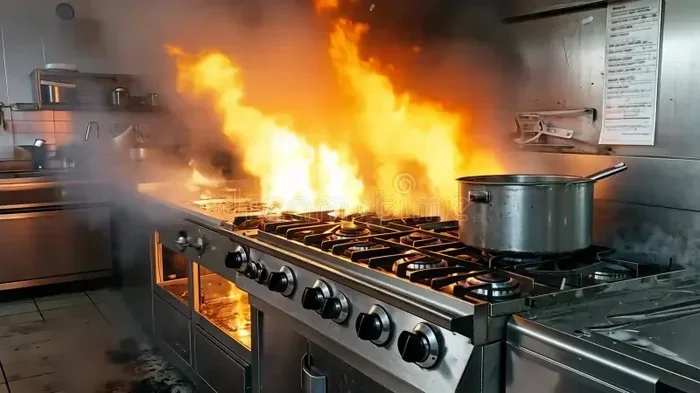
- Fire hazard: Unburned gas is highly flammable. A single spark can ignite it and cause a fire or explosion.
- Health risks: Inhaling gas can cause headaches, dizziness, nausea, and in severe cases, oxygen deprivation.
- Carbon monoxide exposure: Incomplete combustion produces carbon monoxide, an invisible and odorless gas that can be deadly.
- Property damage: A gas leak can damage walls, ceilings, and other structures if left unaddressed.
The bottom line is this. Treat every gas smell seriously until you know for sure what is causing it. It is always better to be safe than sorry when it comes to gas appliances.
What to Do When Your Oven Smells Like Gas
If you notice a gas odor while cooking, do not panic. Follow these steps in order to stay safe and address the problem effectively.
Step One: Ventilate Immediately
Open all windows and doors near the oven. Turn on your range hood if you have one. Fresh air will help dilute the gas and reduce the smell quickly. Good ventilation is your first line of defense against any gas odor in the kitchen.
If the smell is strong, leave the kitchen doors open and consider opening windows in adjacent rooms too. The goal is to get the gas dispersing as fast as possible.
Step Two: Do Not Use Any Open Flames
Do not light matches, lighters, or any gas burners while you are investigating a gas smell. Even a small spark can ignite accumulated gas. Keep all flames and ignition sources away from the area where you smell gas.
This includes not flipping light switches on or off near the source. Electrical switches can create tiny sparks that are enough to ignite gas in concentrated amounts.
Step Three: Turn Off the Oven
Switch off the oven and let it cool down. If the smell persists after turning it off, the issue is likely with the gas supply rather than the oven itself. This is an important clue that helps you narrow down the cause.
Keep the oven off until you have identified and resolved the problem. Using the oven while it is emitting a gas smell is never a good idea.
Step Four: Check the Burners and Igniter
Once the area is ventilated and safe, inspect your oven burners. Look for food debris, grease buildup, or any visible blockages in the burner ports. Clean them carefully with a soft brush or a pin. Wipe away any grease or residue that might be obstructing the gas flow.
If you have an older oven with a pilot light, check to see if the flame is lit and burning blue. A yellow or flickering flame is a sign of incomplete combustion that can produce gas odors.
Step Five: Call a Professional if Needed
If the smell does not go away after ventilation and basic cleaning, call a qualified appliance technician or your gas utility company. Do not attempt to repair gas lines or gas valves yourself. These components require specialized knowledge and tools to handle safely.
Professional technicians can use gas leak detection equipment to find even small leaks that are not visible to the naked eye. They can also test your oven’s gas pressure and ignition system to make sure everything is working correctly.
How to Prevent Gas Smells From Your Oven
Prevention is always better than cure. Regular maintenance of your oven and gas appliances can help you avoid most gas odor issues. Here are some practical steps you can take to keep your kitchen smelling clean and your family safe.
Clean Your Oven Regularly
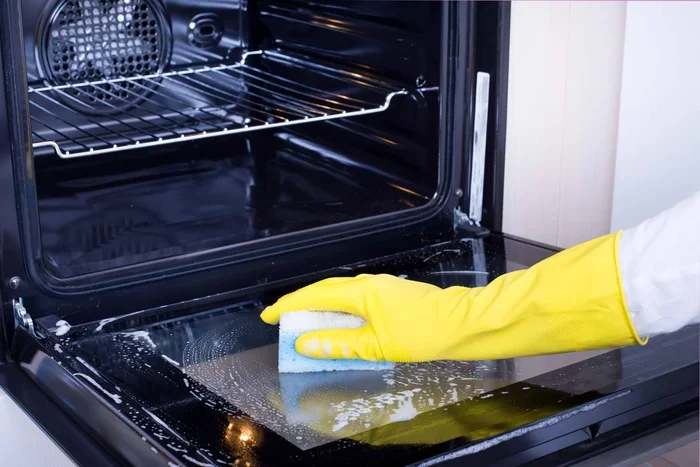
Food spills and grease buildup are the enemies of a well-functioning oven. Clean up spills as soon as they happen. Do a deeper clean of your oven at least once a month. Pay special attention to the burner ports, oven racks, and the bottom of the oven cavity where debris tends to accumulate.
Use gentle cleaning products and avoid harsh chemicals that might damage oven components. A mixture of baking soda and water works wonders for removing grease and grime without causing harm.
Inspect Gas Connections Periodically
Check the gas line connections to your oven every few months. Look for any signs of wear, cracks, or loose fittings. If you notice any damage, do not try to fix it yourself. Contact a professional to inspect and repair the connection.
You can also apply a soapy water solution to gas connections and turn on the gas. If you see bubbles forming, that is a clear sign of a leak. This simple test takes just a few minutes and can catch problems early.
Replace Worn Components Promptly
Oven igniters, gaskets, and gas valves all have a lifespan. When these components wear out, they can cause gas leaks or incomplete combustion. Replace them as soon as you notice signs of failure, such as a weak flame, delayed ignition, or persistent gas odor.
Keeping up with manufacturer recommended maintenance schedules will extend the life of your oven and keep it running safely. Do not wait for something to break before you take action.
Ensure Proper Kitchen Ventilation
A well-ventilated kitchen is safer and more comfortable to cook in. Always use your range hood when cooking with gas appliances. If your kitchen does not have a range hood, consider installing one or at least opening windows while you cook.
Good airflow helps disperse any gas that might escape and prevents odors from building up in your kitchen. It is a simple step that makes a big difference in both safety and comfort.
Install a Gas Detector
A gas detector is one of the best investments you can make for kitchen safety. These devices alert you to the presence of gas before the smell becomes overwhelming. They provide an extra layer of protection that gives you peace of mind.
Place the detector near your oven and at a height recommended by the manufacturer. Test it regularly and replace the batteries on schedule. A working gas detector can literally save lives.
When to Replace Your Oven Instead of Repairing It
Sometimes a gas smell is a sign that your oven has reached the end of its useful life. Knowing when to repair and when to replace is an important part of oven ownership. Here are some signs that replacement might be the better option.
If your oven is more than 15 years old and you are dealing with recurring gas odors, the cost of repairs might not be worth it. Older ovens are also less energy efficient and may not meet current safety standards. Newer models come with advanced safety features like automatic shut-off valves and improved ignition systems.
If the gas valve is damaged or the oven’s internal components are corroded, replacement is often the safest choice. Trying to repair a severely compromised gas appliance can be risky and may not provide a long-term solution.
On the other hand, if your oven is relatively new and the gas smell is caused by something simple like a clogged burner, a repair is likely all you need. Always get a professional assessment before making a decision about replacement.
Expert Insights on Oven Gas Odors
We spoke with several appliance safety experts to get their take on the most common gas odor issues. Here is what they had to say.
Dr. Sarah Mitchell, Gas Appliance Safety Specialist: “The most important thing homeowners should know is that no amount of gas smell is normal. Even a faint odor deserves attention. Most gas odor problems are easy to fix when caught early, but ignoring them can lead to serious consequences.”
Mike Torres, Licensed HVAC Technician: “I see a lot of homeowners who ignore a slight gas smell because it goes away after a few minutes. That intermittent smell is often a sign of a small leak or a failing igniter. We always tell our customers to call us whenever they notice any gas odor, no matter how brief.”
Linda Chen, Home Safety Educator: “The best thing you can do is stay proactive. Clean your oven regularly, check your gas connections, and install a gas detector. These simple habits can prevent most gas odor problems and keep your family safe.”
Common Mistakes People Make When They Smell Gas From the Oven
Avoiding these common mistakes can help you respond to a gas odor more effectively and keep your kitchen safe.
- Ignoring the smell: Many people assume a faint gas smell will go away on its own. It rarely does, and the underlying issue usually gets worse over time.
- Using water on electrical components: If you suspect an electrical igniter problem, do not spray water directly on it. This can cause short circuits or electrical shock.
- Delaying professional help: Gas line issues should always be handled by trained professionals. Trying to fix them yourself can make the problem worse and put you at risk.
- Overlooking the smell of gas when the oven is off: If you smell gas even when the oven is not running, the leak is likely in the gas line or valve, not the oven itself. This is an urgent situation.
- Assuming it is just the smell of gas from a new oven: While new oven off-gassing is real, it should not last more than a few uses. Do not use the new oven excuse as a reason to ignore a persistent smell.
How to Tell the Difference Between a Normal Oven Smell and a Gas Leak
Not every oven smell is a gas leak. Understanding the difference can save you a lot of unnecessary worry and help you respond appropriately when a real problem arises.
A normal oven smell is usually mild and goes away within minutes of the oven reaching operating temperature. It might smell like heated metal, cooking oil, or a slight electrical odor from the heating elements. These smells are common and generally harmless.
A gas leak smell, on the other hand, is strong and persistent. It smells like rotten eggs or sulfur and does not go away when the oven is turned off. If the smell is accompanied by a hissing sound, a yellow or orange flame, or physical symptoms like headaches or nausea, you may have a genuine gas leak that requires immediate action.
When in doubt, always err on the side of caution. Turn off the oven, ventilate the area, and contact a professional if you are unsure about the source of the smell.
Final Thoughts
So, is it bad if my oven smells like gas while cooking? The answer is that any gas smell deserves your attention and prompt action. Most of the time, the cause is something simple and fixable, like a clogged burner or a worn-out igniter. But sometimes, it is a sign of a dangerous gas leak that needs immediate professional intervention.
The key is to stay informed and stay alert. Know the common causes, understand the risks, and follow the safety steps we have outlined in this guide. With regular maintenance, proper ventilation, and a proactive approach to appliance care, you can enjoy cooking without worrying about gas odors.
Your kitchen is the heart of your home. Keep it safe, keep it clean, and never hesitate to seek professional help when something does not seem right. A little attention goes a long way in protecting your family and your home from the dangers of a gas smell from oven problem.
Frequently Asked Questions
Can a gas smell from my oven go away on its own?
A mild gas smell that goes away quickly after the oven heats up is often not a cause for alarm. It might be off-gassing from a new oven or a minor issue like a slightly clogged burner. However, if the smell persists or comes back repeatedly, you should investigate further or call a professional.
How do I know if the gas smell is coming from the oven or the gas line?
If the smell is strongest near the oven and goes away when you turn it off, the issue is likely with the oven itself. If you smell gas throughout the kitchen or even when the oven is completely off, the problem is probably in the gas line or connection. In that case, contact your gas utility company immediately.
Is it safe to continue cooking if my oven smells slightly like gas?
No, it is not safe to ignore any gas smell while cooking. Even a slight odor can indicate incomplete combustion or a small leak. Ventilate your kitchen, turn off the oven, and investigate the cause before using it again. When in doubt, contact a professional.
How often should I clean my oven burners to prevent gas odors?
You should clean your oven burners at least once a month if you use your oven frequently. Pay attention to any food spills or grease buildup that could clog the burner ports. Regular cleaning helps ensure proper gas flow and prevents the kind of incomplete combustion that causes gas odors.
What should I do if I smell gas and I cannot find the source?
If you cannot identify the source of the gas smell, do not try to track it down yourself. Turn off the oven, open windows for ventilation, and leave the area if the smell is strong. Contact your gas utility company or a licensed technician right away. A professional has the tools to detect even small leaks safely.
Does a gas detector help with oven gas smells?
Yes, a gas detector is a valuable tool for any home with gas appliances. It can alert you to the presence of gas before the smell becomes strong enough to notice. Place the detector near your oven and test it regularly to make sure it is working properly.