Why Is My Oven Making A Humming Noise And How To Fix
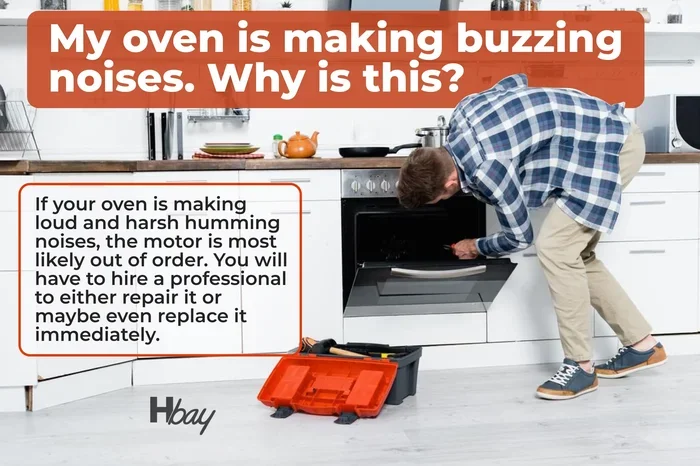
Why Is My Oven Making A Humming Noise? A humming oven can point to several issues, from a worn-out fan motor to a loose fan blade or even a faulty control board. This guide walks you through the most common oven humming noise causes and gives you clear, step-by-step oven repair tips you can try at home. Whether you own a convection oven or a standard model, you will learn how to diagnose the problem and decide when to call a professional.
You are prepping dinner, and suddenly you hear it. A low, steady humming noise coming from your oven. It is not loud, but it is enough to make you pause. Is this normal? Should you be worried? The truth is, a humming sound in oven can mean many things. Sometimes it is harmless. Other times, it signals a part that needs attention. This article breaks down every possible reason your oven is humming and gives you practical steps to fix it.
Whether your oven is a basic bake-only model or a modern convection oven, the causes are similar. Most of the time, the issue ties back to the fan motor, the fan blade, or the control board. In some cases, the humming is just your oven doing its job. Let us dive into the details so you can figure out exactly what is going on and how to stop it.
Key Takeaways
- Fan Motor Issues: A worn or failing oven fan motor is the most common reason for a persistent humming sound.
- Loose Fan Blade: A wobbly or unbalanced fan blade can create a loud hum during oven operation.
- Self-Clean Mode Noise: Ovens often hum louder when running self-clean cycles due to higher heat and fan speed.
- Control Board Problems: A faulty oven control board can send erratic signals that cause unusual sounds.
- Thermal Expansion: Some humming is normal and happens when metal parts heat up and expand.
- Know When To Call a Pro: If basic fixes do not work, a certified technician can safely handle complex oven repair jobs.
- Regular Maintenance: Cleaning and inspecting your oven regularly helps prevent most humming sound in oven problems.
📑 Table of Contents
- Common Reasons Why Your Oven Is Making A Humming Noise
- How To Diagnose the Humming Noise In Your Oven
- Quick Tips To Reduce Oven Noise
- When To Call a Professional For Oven Repair
- Preventing Future Humming Noises In Your Oven
- Oven Humming Noise: Brand-Specific Insights
- How Oven Age Affects Noise Levels
- Key Takeaways
- Frequently Asked Questions
- Final Thoughts
Common Reasons Why Your Oven Is Making A Humming Noise
A humming oven is more common than you might think. Before you panic, it helps to understand what could be causing the sound. Below are the most frequent reasons homeowners notice their oven making a humming noise.
1. The Oven Fan Motor Is Wearing Out
Every oven has a fan motor that circulates hot air inside the cavity. Over time, the motor bearings wear down. When this happens, the motor starts to hum louder than usual. A faulty oven motor will often produce a steady, low-pitched hum that gets louder as the oven heats up.
You can usually tell if the fan motor is the culprit by listening carefully. If the hum gets stronger when the oven is on convection mode or during the self-clean cycle, the motor is likely struggling. In some cases, you may also notice reduced airflow inside the oven. This means your oven is taking longer to cook food evenly.
Replacing a fan motor is not a DIY job for most people. It involves removing the back panel of the oven and disconnecting wiring. If you are not comfortable working with electrical parts, it is best to call a professional for oven repair.
2. A Loose or Damaged Fan Blade
The fan blade spins inside the oven to move hot air around. If the blade becomes loose, cracked, or bent, it will wobble as it spins. This wobbling creates a humming noise that can be quite annoying. Sometimes the sound is more of a rattling hum than a steady tone.
A loose fan blade often happens after years of regular use. Grease and food buildup can also throw off the balance. If you suspect the fan blade, you will need to open the oven and inspect it. Make sure the oven is completely off and cooled down before you look inside. A damaged blade should be replaced right away to prevent further damage to the motor.
3. Thermal Expansion During Heating
Here is something many people do not know. Some oven humming noise is completely normal. When your oven heats up, the metal parts inside expand. This thermal expansion can create popping, clicking, or humming sounds. The noise usually stops once the oven reaches the set temperature.
If your oven only hums during the first few minutes of preheating, you probably have nothing to worry about. This is a natural physical process and not a sign of a broken appliance. However, if the humming continues long after the oven has heated up, you should investigate further.
4. The Control Board Is Malfunctioning
Your oven’s control board is the brain that tells every part when to turn on and off. When the control board fails, it can send wrong signals to the fan, the heating elements, and other components. This can cause a constant humming noise even when the oven is not actively cooking.
A bad control board is one of the trickier oven malfunction issues. You may notice other symptoms too, like the oven not heating properly or the display acting weird. Control board replacement requires electrical knowledge and care. If you are not experienced with appliance repair, this is definitely a job for a technician.
5. The Bake or Broil Element Is Failing
Ovens use bake and broil elements to generate heat. When one of these elements starts to fail, it can vibrate and produce a humming sound. You might also notice that the oven is not heating evenly or that certain areas of the oven are cooler than others.
A failing bake element or broil element will often show visible signs of damage. Look for blistering, cracking, or glowing spots that are not uniform. If you see any of these, the element needs to be replaced. Fortunately, this is one of the easier and cheaper oven repair jobs.
6. The Oven Is Running a Self-Clean Cycle
Self-clean cycles use very high temperatures, sometimes over 900 degrees Fahrenheit. During this cycle, the fan runs at maximum speed to remove smoke and odors. This naturally creates a louder humming sound than normal cooking modes.
If the humming only happens during self-clean and stops once the cycle ends, it is usually normal. However, if the noise is extremely loud or sounds like grinding, the fan motor may be under too much strain. Avoid running self-clean too frequently, as it puts extra stress on the motor and other internal parts.
7. Debris or Obstruction Near the Fan
Food crumbs, grease, and small debris can find their way into the oven’s fan area. When this happens, the fan blade may hit the debris as it spins. This creates a humming or rattling noise that comes and goes depending on the oven’s fan speed.
Regular oven cleaning can prevent this issue. Make it a habit to clean the inside of your oven at least once a month. Pay special attention to the area around the fan, which is usually located at the back of the oven cavity. Keeping this area clean helps your oven run smoothly and quietly.
How To Diagnose the Humming Noise In Your Oven
Not all humming sounds are the same. Learning how to diagnose the problem can save you time and money. Here is a simple step-by-step approach to figure out what is causing the noise.
- Listen carefully. Turn the oven on and pay attention to when the humming starts. Does it happen right away or only after the oven heats up?
- Check the fan area. Open the oven door and look at the back wall. You should see the fan blade. Check for any visible damage or debris.
- Test different modes. Run the oven in bake mode, then convection mode, then broil. Does the humming change with each mode? This can help narrow down the cause.
- Feel for vibration. Place your hand gently on the oven door or sides while it is running. Do you feel unusual vibration along with the sound?
- Note the timing. Does the hum happen only during preheating, only during cooking, or all the time? This detail matters for diagnosis.
Keeping a simple log of when and how the humming happens can be very helpful. If you end up calling a repair technician, this information will save them time and may reduce your service cost.
Quick Tips To Reduce Oven Noise
Not every humming problem requires a part replacement. Here are some quick tips that can help reduce or eliminate oven noise without any repairs at all.
- Clean your oven regularly. Grease and food buildup can cause parts to vibrate and hum. A clean oven runs quieter.
- Check for loose screws. Over time, screws holding the oven panels can loosen. Tightening them can reduce rattling and humming.
- Place the oven on a level surface. An unlevel oven can cause internal parts to shift, leading to extra noise.
- Avoid overloading the oven. Too much food inside can block airflow and strain the fan motor.
- Use the right cookware. Warped pans or oversized trays can vibrate against the oven walls and create extra noise.
- Run a cleaning cycle occasionally. A self-clean cycle can burn off built-up grease that causes noise. Do this no more than once every few months.
These simple habits go a long way in keeping your oven quiet and efficient. Think of them as basic oven maintenance that every homeowner should follow.
When To Call a Professional For Oven Repair
Some oven humming noise problems are easy to fix. Others need a trained eye and skilled hands. Here are clear signs that it is time to call a professional.
- The humming is accompanied by a burning smell.
- The oven is not heating properly or at all.
- You can see sparks or smoke coming from inside the oven.
- The humming gets louder over time and does not go away.
- You have tried basic troubleshooting but the noise persists.
- You are not comfortable working with electrical appliances.
Safety should always come first. If you notice any of these signs, stop using the oven and contact a certified appliance repair service. Trying to fix electrical problems without proper knowledge can be dangerous and may void your warranty.
A professional technician can quickly diagnose the exact cause of the humming sound in oven and replace the right part. Most common repairs, like a fan motor or control board replacement, can be done in under an hour. The cost varies depending on the oven brand and model, but most repairs are affordable compared to buying a new oven.
Preventing Future Humming Noises In Your Oven
Prevention is always better than repair. By taking a few simple steps, you can keep your oven running quietly for years to come.
Start with regular cleaning. Wipe down the inside of your oven after every use. Once a month, do a deeper clean that includes the fan area and the heating elements. This prevents grease buildup that causes vibration and noise.
Next, be mindful of how you use your oven. Avoid slamming the door, as this can loosen internal components over time. Do not use the oven for storage, as items placed near the fan can obstruct airflow and cause humming.
Finally, schedule annual maintenance checks. Many appliance repair companies offer tune-up services that include inspecting the fan motor, checking the control board, and testing the heating elements. Catching small problems early can save you from expensive repairs later.
Oven Humming Noise: Brand-Specific Insights
Different oven brands have their own quirks when it comes to noise. Understanding these can help you better diagnose the issue.
Whirlpool ovens are known for occasional fan motor hums during convection cooking. This is usually normal and not a sign of failure. Samsung ovens sometimes produce a humming sound from the control board during self-clean mode. If the sound persists after the cycle ends, the control board may need inspection. LG ovens with convection features tend to have louder fan operation by design, but a sudden increase in noise could indicate a worn motor bearing.
No matter the brand, the troubleshooting steps remain the same. Listen carefully, check the fan and heating elements, and call a professional if the noise seems abnormal.
How Oven Age Affects Noise Levels
Older ovens tend to make more noise than newer models. This is simply because parts wear out over time. A fan motor that has been running for ten years will naturally produce more hum than a brand-new one. The bearings inside the motor lose lubrication, and the fan blade may develop small cracks that cause imbalance.
If your oven is more than ten years old and the humming has gotten noticeably worse, it might be time to consider a replacement. Modern ovens are designed to run quieter and more efficiently. They also come with better insulation that reduces noise from the heating elements. Before buying a new oven, compare the repair cost with the price of a replacement. Sometimes investing in a new convection oven makes more sense than paying for repeated repairs on an old unit.
Key Takeaways
- Fan Motor Issues: A worn or failing oven fan motor is the most common reason for a persistent humming sound.
- Loose Fan Blade: A wobbly or unbalanced fan blade can create a loud hum during oven operation.
- Self-Clean Mode Noise: Ovens often hum louder when running self-clean cycles due to higher heat and fan speed.
- Control Board Problems: A faulty oven control board can send erratic signals that cause unusual sounds.
- Thermal Expansion: Some humming is normal and happens when metal parts heat up and expand.
- Know When To Call a Pro: If basic fixes do not work, a certified technician can safely handle complex oven repair jobs.
- Regular Maintenance: Cleaning and inspecting your oven regularly helps prevent most humming sound in oven problems.
Frequently Asked Questions
Is It Normal For An Oven To Hum While Cooking?
Yes, a gentle hum is completely normal. Most ovens have a fan motor and heating elements that produce some sound during operation. The hum usually becomes noticeable when the oven is running on convection mode or during the self-clean cycle. If the humming is loud, persistent, or gets worse over time, it could indicate a problem that needs attention.
Can A Loose Fan Blade Cause My Oven To Make A Humming Noise?
Absolutely. A loose or damaged fan blade will wobble as it spins, creating a humming or rattling sound. You can check the fan blade by removing the oven’s back panel once the oven is cooled down. If the blade is visibly bent, cracked, or wobbly, it should be replaced. A loose blade can also put extra strain on the fan motor, leading to bigger problems if not fixed.
How Much Does It Cost To Fix An Oven That Is Making A Humming Noise?
The cost depends on the cause of the noise. Replacing a fan motor typically costs between 150 and 350 dollars, including parts and labor. A control board replacement can range from 200 to 500 dollars. Simpler fixes, like tightening a loose panel or cleaning debris from the fan area, usually cost nothing. Always get a quote from a licensed technician before agreeing to any repair.
Should I Stop Using My Oven If It Is Humming Loudly?
If the humming is very loud or accompanied by a burning smell, sparks, or smoke, stop using the oven immediately. These could be signs of a serious electrical or mechanical problem. For a mild but persistent hum, you can continue using the oven carefully while you arrange for a professional inspection. Never ignore unusual sounds that get worse over time.
Can I Fix The Humming Noise Myself?
Some causes are easy to address at home. Cleaning debris from the fan area, tightening loose screws, or leveling the oven are simple tasks anyone can do. However, replacing a fan motor, control board, or heating element involves working with electrical components. If you do not have experience with appliance repair, it is safer and more effective to hire a professional technician.
Does Oven Age Affect How Much It Hums?
Yes, older ovens tend to hum more than newer ones. Years of use cause fan motor bearings to wear down and fan blades to become unbalanced. The insulation inside the oven also degrades over time, which can make internal sounds more noticeable. If your oven is over ten years old and the humming has increased significantly, consider whether repair or replacement makes more sense for your situation.
Final Thoughts
A humming oven does not always mean something is broken. In many cases, the sound is simply your oven doing its job. But when the humming is loud, persistent, or accompanied by other symptoms, it is worth investigating. By understanding the common causes and following the troubleshooting steps in this guide, you can often identify the problem yourself and take the right action.
Remember, regular oven maintenance is your best defense against most noise issues. Keep your oven clean, check the fan area periodically, and do not ignore sounds that seem out of the ordinary. If you ever feel unsure, a qualified appliance repair professional can quickly diagnose and fix the problem, giving you peace of mind and a quieter kitchen.
Now that you know the answer to why is my oven making a humming noise, you are better equipped to handle the situation. Take action early, keep your oven well-maintained, and enjoy a quieter, more efficient cooking experience every day.