How Long To Put Pizza Rolls In Oven For Perfect Crispiness
How Long To Put Pizza Rolls In Oven is the key to achieving that perfect crispy bite. This guide reveals the exact baking time, temperature, and pro tips for oven-baked pizza rolls that turn out golden and delicious every single time.
There is something truly special about pizza rolls fresh out of the oven. That crispy crust gives way to a burst of warm cheese and savory filling. Whether you are feeding a crowd or just satisfying a late-night craving, pizza rolls are the ultimate easy snack. But the difference between a perfect batch and a disappointing one often comes down to one simple question: how long to put pizza rolls in oven.
Many people rely on the microwave for speed. Yet a microwave leaves pizza rolls soft and soggy. An oven transforms them. The dry, circulating heat creates that golden, crunchy shell we all love. The right oven temperature and baking time make all the difference. This guide will walk you through everything you need to know. You will learn the exact times, the best settings, and the simple tricks that guarantee crispy pizza rolls every single time.
We will cover standard ovens, toaster ovens, and even convection settings. You will discover how to handle frozen pizza rolls like a pro. By the end, you will never have a soggy pizza roll again. Let us get into it.
Key Takeaways
- Standard baking time: 10-12 minutes at 400°F for classic crispy pizza rolls.
- Temperature matters: 400°F is the sweet spot for a crispy crust without burning the cheese.
- Toaster oven works too: Reduce time to 8-10 minutes and watch closely.
- Don’t skip preheating: A hot oven ensures even cooking and a crispy bottom.
- Rest before eating: Let pizza rolls cool for 2 minutes to avoid burnt tongues and set the cheese.
- Avoid overcrowding: Use a single layer on a baking sheet for maximum crispiness.
- Convection mode: Reduces baking time by 1-2 minutes and promotes even browning.
📑 Table of Contents
Why Oven-Baked Pizza Rolls Are the Ultimate Snack
Pizza rolls are a beloved frozen snack. They are portable, fun, and packed with flavor. But the cooking method changes everything. A microwave heats quickly, but it also creates steam. That steam softens the dough and melts the cheese into a gooey mess. An oven, on the other hand, removes moisture. The result is a crispy crust that holds its shape and delivers a satisfying crunch.
Oven-baked pizza rolls also brown more evenly. The heat surrounds the snack from all sides. This creates a beautiful golden color on every surface. The cheese inside melts perfectly without bursting out too early. The dough cooks through without becoming tough. It is a textural experience that a microwave simply cannot match.
Another big advantage is versatility. You can bake a large batch on a sheet pan. This makes them ideal for parties, game days, or family dinners. Frozen pizza rolls go straight from the freezer to the oven. No need to thaw them first. That makes them a convenient easy snack any time of day. They work as an appetizer, a side dish, or a main event.
The smell alone is worth it. A hot oven fills the kitchen with the aroma of baked dough, tomato sauce, and melted cheese. It creates a warm, inviting atmosphere. Once you try oven-baked pizza rolls, you will never go back to the microwave.
How Long To Put Pizza Rolls In Oven: The Complete Guide
The Standard Baking Time and Temperature
The golden rule for how long to put pizza rolls in oven is simple. Preheat your oven to 400°F (200°C). Place the pizza rolls on a baking sheet in a single layer. Bake for 10 to 12 minutes. This is the standard baking time for most brands of frozen pizza rolls.
At 400°F, the dough fries in the dry heat. The outside becomes crispy and lightly browned. The inside reaches the perfect temperature for molten cheese. The pepperoni or sausage filling heats through without drying out. Ten minutes gives you a tender bite. Twelve minutes pushes the crust a little darker and crunchier.
Keep in mind that every oven is different. Some run hot, some run cool. The first time you try a new brand, check them at the 10-minute mark. Look for a golden brown color. The cheese should be visibly bubbly and slightly browned on top. That is your cue to pull them out.
If you like extra crispiness, you can add an extra minute or two. Just watch them closely. Burnt pizza rolls are bitter and crunchy in a bad way. A few extra seconds can turn perfect into ruined.
How Oven Type Changes the Baking Time
Not all ovens are created equal. The type of oven you use will affect the baking time and the final texture. Here is a quick comparison of different oven setups.
| Oven Type | Temperature | Time | Notes |
|---|---|---|---|
| Standard Convection | 400°F | 10-12 minutes | Even browning, crispy crust |
| Conventional Thermal | 400°F | 12-14 minutes | May need rotation halfway |
| Toaster Oven | 400°F | 8-10 minutes | Watch closely, smaller batch |
| Air Fryer (for reference) | 400°F | 6-8 minutes | Shake basket halfway |
Convection ovens have a fan that circulates hot air. This means the heat reaches the pizza rolls faster and more evenly. You can often reduce the baking time by 1 to 2 minutes. Conventional ovens rely on radiant heat from the elements. They may have hot spots, so rotating the pan halfway helps.
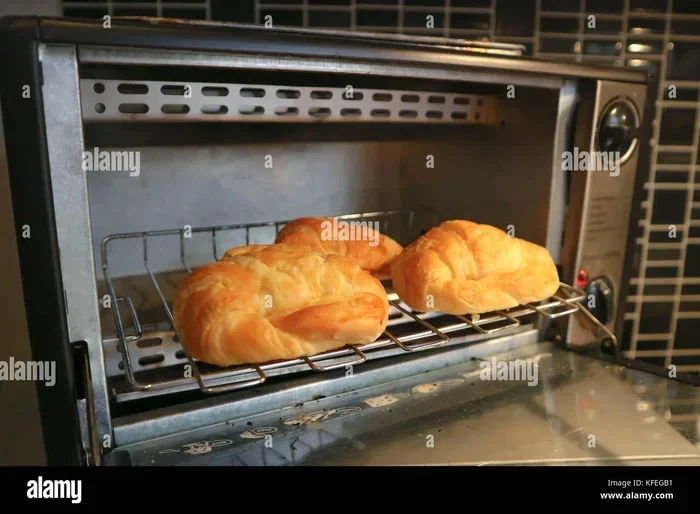
Toaster ovens are smaller and heat up quickly. They are perfect for a small batch of pizza rolls. The reduced space means the snacks cook faster. However, the close proximity to the heating elements can cause the bottoms to brown more quickly. Start checking at the 8-minute mark. A toaster oven can produce wonderfully crispy pizza rolls with just a little extra attention.
Air fryers are not ovens, but they work on the same principle of circulating hot air. They cook pizza rolls in about 6 to 8 minutes. If you have an air fryer, you can use it as a reference point for oven baking. The results are similar, just scaled to the appliance.
Frozen vs. Fresh Pizza Rolls
Most people buy frozen pizza rolls from the grocery store. These are designed to go straight from the freezer into the oven. You do not need to thaw them. Thawing can make the dough soggy and cause the filling to leak out during baking.
If you make fresh pizza rolls at home, the baking time may be slightly shorter. Fresh dough is more pliable and heats through faster. However, the standard 10-12 minutes at 400°F still works well for fresh rolls. The key is to watch for the visual cues. Golden brown color and bubbly cheese are your best indicators.
Some people ask if they can bake pizza rolls from a refrigerator that has been thawed overnight. Yes, you can. Treat them like fresh pizza rolls. The oven temperature remains 400°F. The time might be 1-2 minutes less since they are already at room temperature. Always use your eyes and nose to judge doneness.
Step-by-Step Instructions for Crispy Pizza Rolls
Preheat and Prep
The first step is always to preheat the oven. Do not put pizza rolls in a cold oven. A cold start leads to uneven cooking. The outside will dry out before the inside is warm. Set your oven to 400°F and give it at least 10 minutes to reach full temperature.
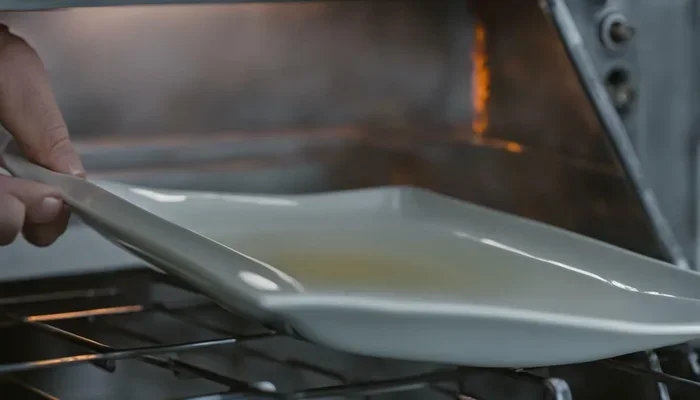
While the oven heats, line a baking sheet with parchment paper. Parchment paper prevents sticking and makes cleanup a breeze. It also promotes airflow under the pizza rolls, which helps the bottoms crisp up. You can use a light coating of oil on the sheet if you do not have parchment, but it is not necessary.
Gather your frozen pizza rolls. Do not thaw them. Place them on the prepared baking sheet with space between each roll. Overcrowding traps steam and creates soggy spots. A single layer is ideal. If you need to bake more, use two sheets and rotate them halfway through cooking.
Arrange on the Baking Sheet
Spacing is the secret to crispy pizza rolls. Leave at least half an inch between each roll. This allows hot air to circulate around every piece. The dough expands slightly as it bakes, so a little room prevents them from sticking together.
If you are using a toaster oven, you may only fit a few rolls at a time. That is perfectly fine. A smaller batch actually helps because the heat can reach all sides more easily. In a full-size oven, you can fit a standard sheet pan with one layer of rolls. A half-sheet pan works well for smaller batches.
Some people like to brush the tops of the pizza rolls with a tiny bit of olive oil. This is optional, but it adds an extra layer of crispiness and a subtle shine. It is a nice touch if you want to impress guests.
The Baking Window
Now comes the waiting. Set a timer for 10 minutes. At the 10-minute mark, open the oven and take a peek. The pizza rolls should look golden brown on top. The cheese should be visibly melted and bubbly. If they are still pale, give them another 1-2 minutes.
Do not walk away from the oven during the last few minutes. Pizza rolls can go from perfectly crispy to burnt very quickly. The cheese can bubble over and create a mess. Stay nearby and use your senses. You will smell a toasty, baked aroma when they are ready.
If you notice the bottoms browning too fast, you can lower the oven rack. Moving the pan further from the bottom element reduces direct heat. This prevents burnt bottoms while the tops finish cooking. It is a simple trick that makes a big difference.
The Resting Period
Once the pizza rolls are out of the oven, let them rest for 2 minutes. This is a crucial step that many people skip. The cheese is extremely hot and molten right out of the oven. Cutting into a pizza roll immediately can cause the filling to burst out and burn your mouth. Resting allows the internal temperature to stabilize. The cheese sets slightly, making it easier to handle.
Place the baking sheet on a cool surface or a trivet. Do not stack the pizza rolls or cover them. Covering traps steam and will soften the crispy crust you just worked so hard to achieve. Let them breathe for a couple of minutes, then enjoy.
Oven vs. Toaster Oven: Which Delivers the Best Crunch?
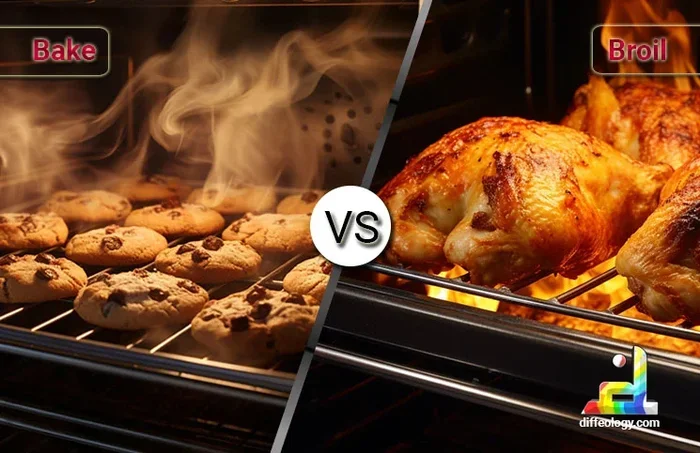
Convection vs. Conventional Heat
A convection oven uses a fan to blow hot air around the food. This creates a very even cooking environment. Every pizza roll gets the same amount of heat. The result is a uniformly crispy crust with no soggy patches. Convection ovens also cook a bit faster, so reduce the standard baking time by 1 to 2 minutes.
A conventional oven relies on heating elements at the top and bottom. The heat rises naturally, which can create temperature variations. The top of the oven is usually hotter. The bottom can be cooler. To compensate, you can rotate the baking sheet halfway through the baking time. This ensures all sides brown evenly.
For the crispiest results in a conventional oven, place the rack in the upper third of the oven. This puts the pizza rolls closer to the top element, which promotes browning on the top. The bottom heat will still cook the dough through. The combination of top and bottom heat creates a balanced, crispy texture.
Size and Capacity Considerations
The size of your oven matters. A large full-size oven can handle a full sheet pan of pizza rolls. A compact oven or a toaster oven has limited space. In a small oven, you may need to bake in two batches. This is actually a good thing. Baking in small batches means the rolls are not crowded. Each roll gets maximum exposure to the hot air. The result is often crispier than a big batch.
If you are using a toaster oven, pay attention to the heating elements. Many toaster ovens have a top element that is very close to the food. This can cause the tops to brown or even burn before the bottoms are fully cooked. To avoid this, use the middle rack position. Check the pizza rolls frequently. A toaster oven can produce outstanding crispy pizza rolls with just a little extra care.
The type of baking sheet also plays a role. A dark, matte baking sheet absorbs more heat and can brown the bottoms faster. A light-colored, aluminum baking sheet reflects heat and promotes more even cooking. If you only have dark sheets, reduce the baking time by a minute or two and keep a close eye on them.
Pro Tips, Mistakes, and Expert Insights
Quick Tips for Success
- Always preheat. A hot oven is non-negotiable for crispy pizza rolls. Cold ovens lead to pale, soggy results.
- Use parchment paper. It prevents sticking and promotes airflow under the rolls.
- Do not thaw frozen pizza rolls. Thawing adds moisture and ruins the crust.
- Leave space between rolls. Overcrowding creates steam pockets and soft spots.
- Rotate the pan halfway. This ensures even browning in conventional ovens.
- Set a timer and stay nearby. The difference between perfect and burnt is often 30 seconds.
- Let them rest for 2 minutes. This prevents burns and sets the cheese.
Common Mistakes to Avoid
The most common mistake is skipping the preheat. Many people throw frozen pizza rolls into a cold oven and set a timer. This is a recipe for unevenly cooked, doughy pizza rolls. The outside will be overdone while the inside remains cold and doughy.
Another mistake is using a microwave instead of an oven when you want crispiness. The microwave is fast, but it steams the dough. If you want crispy pizza rolls, the oven is the only way. The microwave has its place for reheating, but for cooking from frozen, it is not ideal.
Overcrowding the baking sheet is a silent killer of crispiness. When pizza rolls touch or overlap, the steam has nowhere to go. The trapped moisture softens the crust. Give each roll its own space. If you must bake a large quantity, use two sheet pans and rotate them.
Opening the oven door too often is another culprit. Every time you open the door, heat escapes and the temperature drops. This can extend the baking time and lead to uneven cooking. Trust your timer and only open the door to check at the 10-minute mark.
Finally, forgetting to let the pizza rolls rest is a burn hazard. The cheese inside is lava-hot. Biting into a fresh-from-the-oven pizza roll can scald your mouth. Patience for just 2 minutes makes a big difference in both safety and texture.
Expert Insight from a Home Baker
I have baked thousands of pizza rolls over the years. The single biggest secret is the oven temperature. 400°F is the magic number. It is hot enough to crisp the dough quickly but not so hot that it burns the cheese. If your oven runs cool, bump it up to 425°F and reduce the time slightly. If it runs hot, drop to 375°F and add a minute or two.
Another pro tip is to place a second baking sheet on the rack below the pizza rolls. This acts as a shield against the bottom element. It prevents the bottoms from burning while the tops and sides crisp up. It is a simple trick that has saved many batches for me. I highly recommend it.
How to Tell When Pizza Rolls Are Done
Visual and Sensory Cues
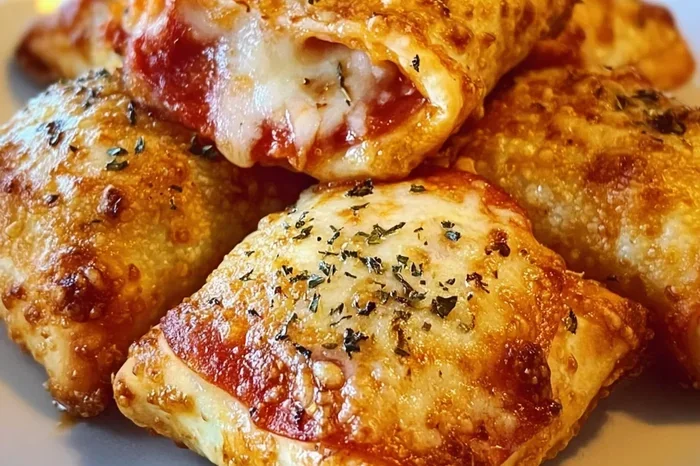
The best way to judge how long to put pizza rolls in oven is to watch and look. The ideal pizza roll is golden brown all over. The crust should have a slight sheen but not look wet or pale. The cheese should be visibly bubbly and may have a few dark spots where it has started to caramelize.
Smell is also a great indicator. When the kitchen fills with a toasty, baked aroma, the pizza rolls are close to done. If they smell burnt, they probably are. Trust your nose. The color of the dough is the most reliable visual cue. Golden brown means perfectly done. Pale means undercooked. Dark brown means overcooked.
The texture of the crust when you press it lightly with a spatula is another clue. A crispy pizza roll will feel firm and spring back slightly. A soft or doughy feel means it needs more time. The cheese should not be liquid when you cut one open. It should be thick and creamy, not watery.
Internal Temperature Check
If you want to be precise, you can use a food thermometer. The internal temperature of a baked pizza roll should reach 165°F (74°C) at the center. This ensures the cheese and filling are fully heated and safe to eat. Insert the thermometer into the center of a roll, being careful not to touch the baking sheet.
This method is especially helpful if you are baking a new brand or making homemade pizza rolls. The visual cues can vary depending on the dough thickness and filling type. A thermometer removes the guesswork. However, for most store-bought frozen pizza rolls, the visual and aromatic cues are more than enough.
Remember that the pizza rolls will continue to cook slightly after you take them out of the oven. The residual heat raises the internal temperature by a few degrees. This is called carryover cooking. Pull them when they look just slightly underdone, and they will reach perfection during the resting period.
Conclusion
How Long To Put Pizza Rolls In Oven is really a question of 10 to 12 minutes at 400°F. But the details make all the difference. Preheat your oven. Use parchment paper. Space the rolls out. Watch them closely in the last few minutes. Let them rest before you eat. Follow these simple steps and you will get crispy pizza rolls with a golden crust and perfectly melted cheese every single time.
Whether you are using a standard oven, a convection oven, or a toaster oven, the principles remain the same. High heat, dry air, and a little patience transform a simple frozen snack into something truly delicious. You now have the knowledge to bake pizza rolls like a pro. No more soggy, unevenly heated snacks. Just warm, crispy, and satisfying pizza rolls that everyone will love.
Try these tips at your next gathering or on a quiet evening at home. Once you taste the difference that oven-baking makes, you will never look at the microwave button the same way again. Enjoy your perfectly crispy pizza rolls.
Frequently Asked Questions
Can I bake pizza rolls at 350°F instead of 400°F?
Yes, you can, but the baking time will be longer. At 350°F, expect to bake them for 14 to 16 minutes. The lower temperature means the crust takes longer to crisp. Check them frequently and look for a golden brown color. The cheese will still melt, but the crust may not be as crunchy as it would be at 400°F.
Do I need to thaw frozen pizza rolls before baking?
No, you do not need to thaw them. In fact, baking from frozen is recommended. Thawing adds moisture to the dough, which can make the crust soggy. Place the frozen pizza rolls directly on the baking sheet and bake them as directed. The oven heat will cook them through perfectly.
What is the best way to keep pizza rolls crispy after baking?
The best way is to serve them immediately. If you need to keep them warm, place them on a wire rack in a low oven (200°F) for up to 15 minutes. Do not cover them with foil or a lid. Trapping the steam will soften the crispy crust. A wire rack allows air to circulate and keeps them crunchy.
Can I use a pizza stone instead of a baking sheet?
Absolutely. A preheated pizza stone is an excellent choice for crispy pizza rolls. The stone absorbs moisture from the dough and promotes even browning. Place the stone in the oven while preheating. Then put the pizza rolls directly on the hot stone. This can reduce the baking time by a minute or two and give you an incredibly crispy bottom.
Why did my pizza rolls explode in the oven?
Pizza rolls can burst if they are overcooked or if the filling heats up too quickly. The steam inside builds up pressure and ruptures the dough. To prevent this, do not overbake them. Follow the recommended baking time and temperature. If you notice them bursting frequently, try reducing the oven temperature by 10 degrees and adding a minute or two to the cook time.
Is it safe to eat pizza rolls that are slightly pale in the middle?
It is best to bake them until they are uniformly golden brown. A pale middle may indicate that the filling has not reached a safe internal temperature of 165°F. Undercooked dough and cheese can be a food safety risk. Use a food thermometer to check the center. If they are not at 165°F, give them another minute or two in the oven.