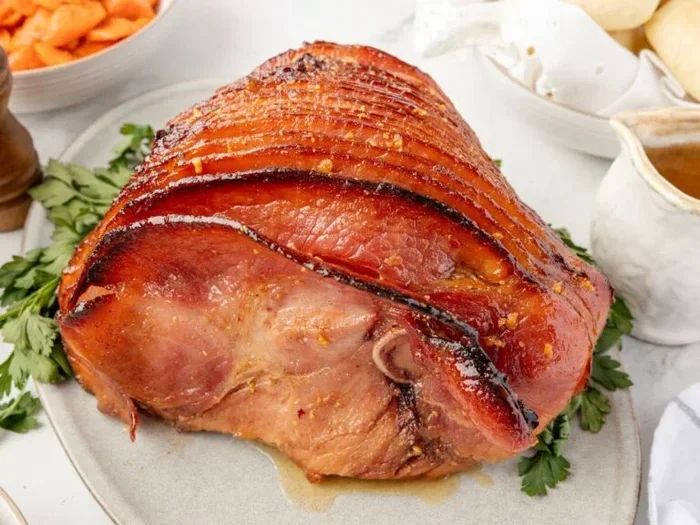
How to Bake a Boneless Ham in the Oven Step by Step
Learning how to bake a boneless ham in the oven is easier than you think. This step-by-step guide walks you through everything from picking the right ham to pulling a perfectly glazed, juicy roast out of your oven. You will learn the best temperature, cooking time, and glaze recipes for a stunning centerpiece ham dinner.
There is something special about pulling a perfectly baked ham out of the oven. The kitchen smells incredible. The glaze glistens. And everyone at the table knows dinner is going to be amazing. If you have been wondering how to bake a boneless ham in the oven, you have come to the right place.
This guide breaks down the entire process into simple, easy-to-follow steps. Whether you are preparing a holiday centerpiece or a weeknight dinner, baking a boneless ham is one of the most rewarding things you can do in the kitchen. You do not need to be a professional chef. You just need a good recipe, a little patience, and a reliable oven.
Let us walk through everything you need to know to bake a boneless ham that is juicy, flavorful, and absolutely stunning. From selecting the right cut to making the perfect glaze, this article covers it all.
Key Takeaways
- Pick the right ham: A 6 to 8 pound boneless ham feeds about 10 to 12 people comfortably.
- Score and glaze early: Scoring the ham and applying glaze at least 30 minutes before the end of cooking creates a beautiful caramelized crust.
- Use a meat thermometer: The internal temperature of a baked boneless ham should reach 140 degrees Fahrenheit for fully cooked hams.
- Let it rest: Resting the ham for 15 to 20 minutes after baking keeps the juices locked in.
- Make the glaze ahead: Preparing your brown sugar or honey glaze in advance saves time and boosts flavor.
- Leftovers are golden: Baked ham leftovers make incredible sandwiches, soups, and casseroles throughout the week.
📑 Table of Contents
- What You Need to Know Before Baking a Boneless Ham
- How to Prepare the Ham for Baking
- The Best Oven Temperature and Cooking Time
- How to Make a Delicious Ham Glaze
- Baking the Ham: Step by Step Process
- Resting, Carving, and Serving Your Ham
- Common Mistakes to Avoid When Baking Ham
- Quick Tips for the Perfect Baked Ham
- Expert Insights on Baking Boneless Ham
- Storing and Reheating Leftover Ham
- Conclusion
What You Need to Know Before Baking a Boneless Ham
Understanding Different Types of Boneless Ham
Not all hams are created equal. Before you start, it helps to understand what kind of boneless ham you have. Most boneless hams sold in grocery stores are fully cooked. This means they are cured and smoked already. You are really just reheating them and adding flavor.
Here are the most common types you will encounter:
- Fully cooked boneless ham: Ready to eat after reheating. This is the most common type found in supermarkets.
- City ham: Wet-cured and fully cooked. It needs gentle reheating in the oven.
- Fresh ham: This is raw and uncooked. It requires a much longer cooking time and is less common for home baking.
For the purpose of this guide, we are focusing on baking a fully cooked boneless ham in the oven. This is the type most home cooks buy for holidays and special occasions.
Choosing the Right Size Ham
Size matters when it comes to oven-baked ham. A good rule of thumb is to plan for about half a pound of ham per person. So if you are feeding 10 guests, look for a 5 to 6 pound boneless ham. If you want leftovers for sandwiches and casseroles, go a bit bigger.
Most boneless hams come in a range of sizes from 4 pounds up to 12 pounds. Check the packaging for the cooking instructions from the manufacturer. These can serve as a helpful starting point before you customize to your taste.
How to Prepare the Ham for Baking
Removing Packaging and Trimming
Start by removing all packaging from your boneless ham. Take it out of the plastic wrap or vacuum-sealed bag. Rinse it gently under cold water and pat it dry with paper towels.
Next, look at the surface of the ham. Some hams come with a thick layer of fat already trimmed. Others may have a rind or excess fat that needs to be removed. Use a sharp knife to carefully trim away any thick rind or large pockets of fat. You want to leave a thin layer of fat, though. This fat melts during baking and keeps the ham moist and tender.
Scoring the Ham
Scoring is one of the most important steps in how to bake a boneless ham in the oven. Scoring means making shallow cuts in a diamond pattern across the surface of the ham. This does three things:
- It allows the glaze to penetrate deep into the meat.
- It creates beautiful presentation when the ham is served.
- It helps the fat render and crisp up during baking.
To score a ham, use a sharp knife and cut about a quarter inch deep. Make parallel cuts about one inch apart in one direction. Then turn the ham and make crosswise cuts to form a diamond pattern. Be careful not to cut too deep. You want the cuts to open up the surface without cutting into the meat itself.
Placing the Ham in the Pan
Place the scored ham cut side down in a roasting pan or baking dish. Add about a cup of water, apple juice, or broth to the bottom of the pan. This creates steam that keeps the ham moist while it bakes. Some people like to wrap the ham in aluminum foil for the first part of cooking, which helps trap moisture and prevents the outside from drying out too quickly.
The Best Oven Temperature and Cooking Time
Recommended Temperature
For a perfectly baked boneless ham, preheat your oven to 325 degrees Fahrenheit. This moderate temperature allows the ham to heat through evenly without drying out the outer edges. Cooking at too high a temperature can cause the outside to burn before the inside is fully heated.
If you are working with a larger ham, you might consider starting at 325 degrees and then increasing to 350 degrees for the last 15 minutes. This helps develop a nice golden-brown finish on the glaze.
How Long to Bake a Boneless Ham
Cooking time depends on the size of your ham. Here is a general guide for oven-baked ham:
- 4 to 5 pounds: About 2 to 2.5 hours
- 6 to 8 pounds: About 2.5 to 3 hours
- 9 to 10 pounds: About 3 to 3.5 hours
These times are for fully cooked boneless hams. The goal is to heat the ham to an internal temperature of 140 degrees Fahrenheit. Always use a meat thermometer to check. Insert it into the thickest part of the ham, avoiding bone if there is any.
Using a Meat Thermometer
A meat thermometer is the single most important tool for baking ham. Do not guess. Do not rely on the color of the meat alone. A good instant-read thermometer takes the guesswork out of cooking ham in oven and ensures your ham is perfectly heated through every time.
Remove the ham from the oven when the internal temperature reaches 135 to 140 degrees Fahrenheit. The temperature will continue to rise slightly as the ham rests. This is called carryover cooking, and it prevents you from overcooking the ham.
How to Make a Delicious Ham Glaze
Why Glaze Matters
The glaze is what transforms a simple baked ham into a showstopper. A good ham glaze adds sweetness, depth, and a beautiful caramelized finish. Without glaze, a boneless ham can taste a bit plain. With the right glaze, it becomes the star of the table.
You can apply the glaze in layers for an even more impressive result. Apply the first coat about 45 minutes before the ham is done, and then add a second coat in the final 15 to 20 minutes.
Classic Brown Sugar Ham Glaze
This is the most popular glaze for baked ham. It is simple, delicious, and always a crowd-pleaser:
- 1 cup brown sugar, packed
- 2 tablespoons Dijon mustard
- 2 tablespoons apple cider vinegar
- 1 tablespoon whole cloves (optional)
- 1 tablespoon pineapple juice
Mix all ingredients in a small bowl until smooth. Spread generously over the scored ham during the last 30 to 45 minutes of baking. The sugar will caramelize and create a sticky, sweet, slightly tangy crust.
Honey Mustard Glaze
If you prefer a sweeter, milder flavor, try a honey mustard glaze:
- 1/2 cup honey
- 1/4 cup Dijon mustard
- 2 tablespoons butter, melted
- 1 tablespoon apple cider vinegar
Whisk everything together and brush onto the ham during the last 20 minutes of baking. This glaze creates a glossy, golden finish that looks as good as it tastes.
Pineapple and Brown Sugar Glaze
For a tropical twist, mix crushed pineapple with brown sugar and a splash of bourbon. Spread it over the ham and bake until bubbly and caramelized. The acidity of the pineapple cuts through the richness of the ham beautifully.
Baking the Ham: Step by Step Process
Step 1: Preheat and Prep
Preheat your oven to 325 degrees Fahrenheit. While the oven is heating, remove the boneless ham from the refrigerator. Let it sit at room temperature for about 20 to 30 minutes. This helps the ham cook more evenly.
Step 2: Score and Season
Score the ham in a diamond pattern. You can also insert whole cloves into the intersections of the diamonds if you like the flavor. Rub the outside of the ham with a little olive oil or melted butter. This helps the seasoning stick and promotes even browning.
Step 3: Add Liquid to the Pan
Place the ham in a roasting pan. Add water, broth, or apple juice to the bottom of the pan. About one cup is usually enough. This liquid creates steam and prevents drippings from burning.
Step 4: Cover and Bake
Cover the ham loosely with aluminum foil. Place it in the oven on the middle rack. Bake according to the timing guidelines based on the weight of your ham. The foil traps moisture and keeps the ham from drying out during the long cooking process.
Step 5: Apply the Glaze
About 30 to 45 minutes before the ham is done, remove the foil. Brush your chosen glaze generously over the entire surface. Return the ham to the oven uncovered. This allows the glaze to caramelize and form a beautiful, sticky crust.
Step 6: Check Temperature and Finish
Use your meat thermometer to check the internal temperature. Once it reaches 140 degrees Fahrenheit, the ham is done. Remove it from the oven and let it rest before serving.
Resting, Carving, and Serving Your Ham
Why Resting Matters
Resting is one of the most overlooked steps in how to bake a boneless ham in the oven. After removing the ham from the oven, let it rest for at least 15 to 20 minutes before carving. During this time, the juices redistribute throughout the meat. This makes every slice more moist and flavorful.
Tent the ham loosely with foil while it rests. This keeps it warm without trapping too much steam, which could make the glaze soggy.
How to Carve a Boneless Ham
Carving a boneless ham is much easier than carving a bone-in ham. Here is how to do it:
- Place the ham on a cutting board with the cut side down.
- Using a sharp carving knife, slice thin pieces starting from the narrow end.
- Cut against the grain for the most tender slices.
- Transfer slices to a serving platter and spoon any pan juices over the top.
Serving Suggestions
A perfectly baked ham pairs beautifully with many sides. Here are some ideas for your ham dinner:
- Scalloped potatoes or potato gratin
- Green bean casserole
- Sweet potato casserole with marshmallows
- Fresh dinner rolls with honey butter
- A bright garden salad to cut through the richness
- Pickled vegetables for a tangy contrast
Do not forget the leftovers! Baked ham makes incredible sandwiches the next day. Simply slice thin, serve on a soft roll with mustard and pickles, and enjoy.
Common Mistakes to Avoid When Baking Ham
Overcooking the Ham
The most common mistake people make is leaving the ham in the oven too long. Since most boneless hams are already fully cooked, you are really just reheating them. Overcooking dries out the meat and turns it tough. Always rely on your meat thermometer rather than the clock.
Skipping the Resting Period
Cutting into the ham immediately after it comes out of the oven releases all the juices onto the cutting board instead of staying in the meat. Patience pays off. Let the ham rest and you will be rewarded with juicier, more flavorful slices.
Applying the Glaze Too Early
If you put the glaze on too early, the sugars in it can burn and turn bitter. Always apply your ham glaze during the last 20 to 45 minutes of baking. This gives it enough time to caramelize without burning.
Not Letting the Ham Come to Room Temperature
Placing a cold ham straight into a hot oven causes uneven cooking. The outside can overcook while the center is still cold. Letting the ham sit out for 20 to 30 minutes before baking promotes more even ham cooking time and better results.
Quick Tips for the Perfect Baked Ham
- Use the package juices: If your ham came in a bag with juices, add them to the roasting pan for extra flavor.
- Baste while baking: Spoon pan juices over the ham every 30 minutes for a more flavorful result.
- Add fruit for flavor: Place pineapple rings or orange slices around the ham in the pan for a fruity aroma.
- Make the glaze ahead: Prepare your glaze the night before so it is ready when you need it.
- Save the pan drippings: These make a fantastic base for gravy or sauce to serve alongside the ham.
- Double the glaze: Always make more glaze than you think you need. You will want to keep brushing it on throughout the baking process.
Expert Insights on Baking Boneless Ham
Professional chefs and experienced home cooks agree on a few key principles for baking boneless ham:
Low and slow wins the race. Baking at 325 degrees Fahrenheit for a longer period produces more tender results than cranking up the heat. The gentle warmth allows the ham to heat through evenly while staying juicy.
The glaze is your canvas. Do not be afraid to experiment with different flavors. Try adding coffee, cola, or maple syrup to your glaze for a unique twist. The key is balancing sweetness with acidity and a little bit of salt.
Quality ham matters. If you have the option, choose a high-quality boneless ham from a reputable butcher or specialty store. The flavor difference between a quality ham and a mass-produced one is noticeable, especially with a simple glaze that lets the natural flavor shine through.
Storing and Reheating Leftover Ham
Leftover baked ham is one of the best parts of the whole process. Store sliced ham in an airtight container in the refrigerator for up to 5 days. You can also freeze ham for up to 3 months.
To reheat, wrap individual slices in foil and warm them in the oven at 300 degrees Fahrenheit for about 10 to 15 minutes. This keeps the ham moist and prevents it from drying out in the microwave.
Conclusion
How to bake a boneless ham in the oven is a skill that anyone can master with a little practice and the right guidance. From selecting the perfect ham to making a delicious glaze and baking it to juicy perfection, every step is straightforward and rewarding.
Remember to use a meat thermometer, let the ham rest before carving, and apply your glaze in the final stages of baking. These simple tips will elevate your oven-baked ham from good to absolutely outstanding.
Whether it is Easter, Christmas, Thanksgiving, or just a regular Sunday dinner, a beautifully baked boneless ham is a dish that brings people together. So preheat that oven, grab your roasting pan, and get ready to make a ham that your family and friends will talk about for weeks.
You have got this. Now go bake that ham and enjoy every delicious bite.
Frequently Asked Questions
How long does it take to bake a boneless ham in the oven?
Baking time depends on the weight of your ham. A 6 to 8 pound boneless ham typically takes 2.5 to 3 hours at 325 degrees Fahrenheit. Always use a meat thermometer to confirm the internal temperature reaches 140 degrees Fahrenheit.
What temperature should I bake a boneless ham at?
The recommended oven temperature for baking a boneless ham is 325 degrees Fahrenheit. This moderate heat allows the ham to warm evenly without drying out the outer edges or burning the glaze.
Do I need to cover the ham with foil while baking?
Yes, covering the ham with aluminum foil for most of the baking time helps trap moisture and keeps the meat tender. Remove the foil during the last 30 to 45 minutes to allow the glaze to caramelize and develop a golden-brown crust.
What is the best glaze for a baked boneless ham?
The classic brown sugar glaze with Dijon mustard and apple cider vinegar is the most popular choice. Other great options include a honey mustard glaze or a pineapple brown sugar glaze. Each adds a unique flavor profile that complements the rich taste of the ham.
How do I know when the ham is done?
The best way to tell is by using a meat thermometer. Insert it into the thickest part of the ham and look for an internal temperature of 140 degrees Fahrenheit. The ham should also feel firm to the touch and have a beautifully glazed exterior.
Can I bake a frozen boneless ham in the oven?
Yes, you can bake a frozen boneless ham, but you will need to increase the cooking time by about 50 percent. It is best to thaw the ham in the refrigerator overnight for more even cooking and better results. If baking from frozen, cover the ham tightly with foil and add extra liquid to the pan to keep it moist.
=== META DESCRIPTION ===
Learn how to bake a boneless ham in the oven with this easy step-by-step guide. Get the perfect glaze, timing, and temperature for a juicy holiday ham every time.