Why Are Ovens So Expensive And Why They Are Worth It
Why are ovens so expensive? The high cost comes from advanced heating technology, premium materials, and rigorous safety testing. This guide explains why expensive ovens deliver better cooking performance and last for years.
If you’ve ever wondered Why Are Ovens So Expensive, you’re not alone. Many shoppers stare at price tags and ask the same question. The truth is that oven pricing reflects real engineering, quality materials, and years of research. This guide breaks down every reason behind the cost and shows you why the investment often pays off.
Understanding the oven price tag helps you make a smarter buying decision. You’ll learn what’s inside a high-end model and what you actually get for your money. By the end, you’ll see why expensive ovens can be the best kitchen appliance you ever own.
Key Takeaways
- Premium materials and engineering drive the oven price far beyond basic appliances.
- Convection and smart features add real value for frequent cooks.
- Long-term savings on energy and repairs often offset the upfront cost.
- Durability and warranty make expensive ovens a better investment.
- Hidden costs like installation and maintenance can affect your total budget.
- Not all expensive ovens are equal—focus on features you actually need.
📑 Table of Contents
- Why Are Ovens So Expensive? Breaking Down the Real Costs
- What Makes Ovens So Expensive: Key Components
- The Hidden Costs of Manufacturing and R&D
- Are Expensive Ovens Actually Better? A Side-by-Side Comparison
- Common Mistakes That Make Ovens Seem Too Expensive
- Final Verdict: Are Ovens Worth the Splurge?
Why Are Ovens So Expensive? Breaking Down the Real Costs
The cost of ovens isn’t just about the metal box. It’s a mix of materials, technology, and brand trust. When you ask Why Are Ovens So Expensive, you’re really asking what makes them different from a basic toaster oven. The answer lies in the build quality and the performance promises.
The Materials That Drive Up the Oven Price
Premium ovens use heavy-gauge stainless steel inside and out. Cheap models often use thin aluminum that warps over time. The door glass on a quality oven is usually triple-paned, which improves insulation. That glass alone costs more than the entire shell of a budget unit.
Inside, the heating elements are made from specialized alloys that resist oxidation. These elements heat up faster and last longer. The insulation layer is also thicker, which keeps heat trapped and reduces energy waste. All of these material choices add to the final oven price.
The Role of Insulation and Heat Retention
Good insulation is the secret behind even baking. A well-insulated oven stays at the set temperature without constantly firing the heating element. This saves energy and prevents hot spots. The cost of that insulation is a big part of why ovens are so expensive.
Budget ovens often have minimal insulation to cut costs. That means the oven loses heat every time you open the door. You’ll end up cooking longer and using more electricity. Over time, the energy waste can erase any upfront savings.
What Makes Ovens So Expensive: Key Components
Several internal parts contribute heavily to the cost of ovens. Each component serves a specific purpose that affects cooking quality and durability. Let’s look at the parts that justify a higher price tag.
Heating Elements and Convection Systems
Most expensive ovens use a fan-forced convection system. This circulates hot air evenly around the food. A standard oven relies only on top and bottom elements, which creates temperature variations. The convection fan and motor add cost, but they also deliver better results.
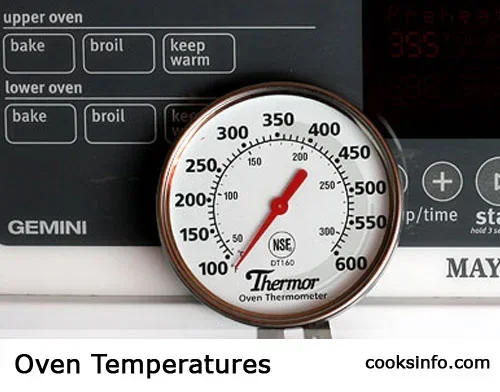
The heating elements themselves are engineered for precise temperature control. They can swing from 100°F to 500°F with minimal fluctuation. Cheaper ovens often have basic elements that overshoot or undershoot the target. That inconsistency can ruin a delicate cake or burn a roast.
Smart Features and Digital Controls
Smart ovens include Wi-Fi connectivity, app control, and voice assistant support. These features require internal computers and sensors. They also need regular software updates, which cost the manufacturer money. A smart oven can preheat remotely or adjust cooking times automatically.
Digital touch controls are more durable than mechanical knobs. They resist grease and moisture better over the years. However, the circuit boards and displays add to the cost of ovens. If you value convenience and precision, these features are worth the premium.
Quick Tips: What to Look For
- Choose a convection oven if you bake often.
- Look for at least a 1-year warranty on parts and labor.
- Check if the oven has a self-cleaning cycle.
- Prioritize energy efficiency ratings to save on bills.
The Hidden Costs of Manufacturing and R&D
Every oven starts as a design concept. Engineers spend months testing heat distribution and safety. The cost of ovens includes the research that goes into making them reliable. That research cost is spread across every unit sold.
Testing and Safety Standards
Ovens must pass strict safety certifications. They are tested for electrical safety, heat resistance, and door seal integrity. Manufacturers also run durability tests where the oven cycles thousands of times. These tests ensure the appliance won’t fail after six months of use.
Meeting these standards requires expensive lab equipment and trained technicians. The price you pay reflects that quality assurance. A cheap oven might skip some tests, which increases the risk of early failure or even safety hazards.
Brand Premium and Warranty
Well-known oven brands invest heavily in reputation and customer service. A longer warranty often means the company stands behind its product. Premium brands offer 5- to 10-year parts warranties, which adds value. You’re paying for peace of mind as much as the hardware.
Lesser-known brands may use similar components but skip the brand-building and support infrastructure. That’s why expensive ovens from trusted names often hold their resale value better. If you ever upgrade, a quality oven sells easier than a generic one.
Are Expensive Ovens Actually Better? A Side-by-Side Comparison
The best way to understand the value is to compare budget and premium models directly. The table below highlights key differences in performance, durability, and features.
| Feature | Budget Oven | Premium Oven |
|---|---|---|
| Price Range | $300–$600 | $1,200–$3,000+ |
| Insulation | Single or double pane | Triple-pane glass |
| Convection | Rare or basic fan | True convection with variable fan |
| Energy Use | Higher consumption | Energy Star rated |
| Warranty | 1 year limited | 5–10 years parts |
| Durability | 3–5 years average | 10–15 years with care |
| Cooking Consistency | Hot spots common | Even heat distribution |
The upfront difference is significant, but the long-term picture changes everything. A premium oven saves energy and reduces the need for repairs. It also delivers better cooking results every single time. For frequent home cooks, the oven price of a high-end model often pays for itself within a few years.
Long-Term Savings vs. Upfront Cost
Consider the energy bill over a decade. An efficient convection oven uses less electricity per cook. Multiply that by 10 years and the savings can reach hundreds of dollars. Add in fewer replacement parts and no early breakdowns, and the math gets even better.
Expert Insight: “A good oven is like a good cast-iron skillet. It lasts forever and gets better with use,” says Chef Maria Torres, a professional chef with 20 years of experience. “The difference in baking results between a cheap and a premium oven is night and day.”
Common Mistakes That Make Ovens Seem Too Expensive
Sometimes the perception of a high oven price comes from misunderstandings. Avoiding these mistakes can help you see the true value of a quality appliance.
Overlooking Energy Efficiency
A cheap oven might cost less at the store but cost more to run. Look for the Energy Star label when comparing models. An energy-efficient oven uses less power to reach and maintain temperature. Over time, that efficiency reduces your monthly utility bill.
Ignoring Installation and Maintenance Costs
Some ovens require professional installation, especially built-in models. The cost of oven installation can add $200 to $500 to your total. Maintenance like cleaning the self-cleaning cycle or replacing seals is also a factor. Premium ovens often have easier-to-clean interiors, which lowers long-term upkeep.
Common Mistakes to Avoid
- Buying based only on the sticker price without checking energy use.
- Choosing a model without a convection feature if you bake regularly.
- Skipping the warranty comparison because it seems like a small detail.
- Forgetting to measure your kitchen space before ordering a large built-in unit.
Final Verdict: Are Ovens Worth the Splurge?
So, are ovens worth the high price? The answer depends on how much you cook and how long you want the appliance to last. If you bake weekly or prepare family meals daily, a premium oven is a smart investment. The even heat, durability, and energy savings make the cost of ovens feel justified.
For occasional toast or reheating, a budget model might be enough. But if you want to explore home cooking at a higher level, the right oven transforms the experience. The key is to match the features to your real needs, not just chase the most expensive option.
When you understand why ovens are so expensive, you stop seeing the price tag as a burden. You see it as a long-term partner in your kitchen. A quality oven delivers consistent results, lasts for years, and makes every meal better. That’s a value no bargain can truly replace.
Key Takeaways for Your Next Purchase
- Focus on insulation and convection for even cooking.
- Check the warranty length and what it covers.
- Compare energy consumption, not just the upfront price.
- Read reviews from real home cooks, not just professional testers.
- Consider the total cost of ownership over 10 years.
The best oven for you is the one that fits your cooking habits and budget. Now you have the knowledge to choose with confidence. Happy baking!
Frequently Asked Questions
Why do some ovens cost so much more than others?
The price difference comes from materials, insulation, and added features like true convection and smart controls. Premium ovens also pass stricter safety tests and include longer warranties. These factors create a higher oven price but also better performance and durability.
Is it worth paying extra for a smart oven?
If you value remote preheating and precise cooking programs, a smart oven is worth it. The convenience can save time and improve results. However, if you rarely use app features, a standard digital model might be enough.
How long should a good oven last?
A quality oven should last 10 to 15 years with proper care. Regular cleaning and avoiding slamming the door help extend its life. Budget models often last only 3 to 5 years before needing replacement.
Does an expensive oven save money on energy bills?
Yes, premium ovens with better insulation and convection use less electricity. They reach the target temperature faster and maintain it more steadily. Over several years, those energy savings can offset the higher upfront cost.
What should I look for when buying an oven?
Focus on insulation type, convection capability, energy rating, and warranty length. Also check the interior capacity to fit your largest baking sheets. Reading real user reviews gives insight into long-term reliability.
Can I find a decent oven without breaking the bank?
Absolutely. You can find reliable mid-range ovens between $500 and $900 that offer good features. Avoid the absolute cheapest models, which often have thin insulation and weak heating. A balanced approach gives you value without sacrificing too much performance.